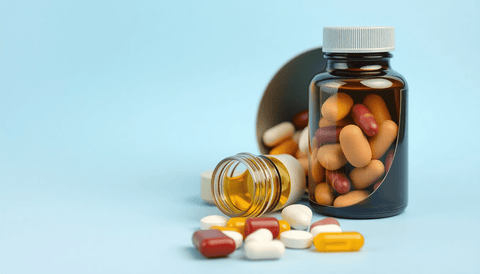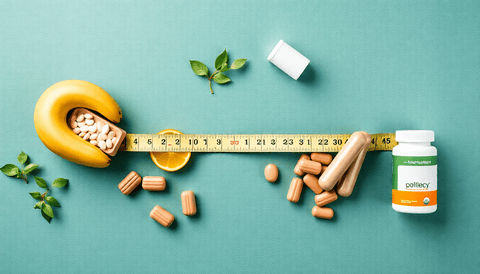
Can Weight Loss Supplements Really Help? Science-Backed Insights
Weight loss supplements are popular, but can they actually help? The short answer: some may support your metabolism and fill nutrient gaps, but none can replace a healthy diet and exercise. This science-based guide explains what supplements can and can't do, highlights vitamins and natural ingredients with evidence, and gives practical tips for choosing safe products.
What Can Weight Loss Supplements Realistically Do?
Weight loss supplements are designed to support your body's natural processes, such as metabolism, energy production, or appetite regulation. However, they are not magic pills. The most effective way to lose weight remains a calorie deficit—burning more calories than you consume. Supplements may support this process but cannot cause weight loss on their own.
Vitamins That Support Metabolism
Vitamin D: Low vitamin D levels are often seen in people with obesity, but supplementation alone isn't a weight-loss remedy. Adequate vitamin D supports bone health and overall metabolic health, which may indirectly help weight management.
B-Complex Vitamins: B vitamins like B1, B2, B3, B6, and B12 are essential for converting food into energy. A deficiency can slow metabolism, but for most people taking extra B vitamins doesn't boost weight loss.
Other Vitamins and Minerals
Vitamin C is important for overall health, but evidence linking it directly to weight loss is limited. Magnesium is involved in energy metabolism, and iron supports oxygen transport—both are important for active individuals. If you have a deficiency, correcting it may support your energy and exercise performance.
Natural Ingredients in Weight Loss Supplements
Many supplements contain green tea extract, Garcinia Cambogia, or conjugated linoleic acid (CLA). Caffeine in green tea may slightly increase calorie burn, but the effect is small. Overall, evidence for these ingredients is mixed, and results vary by person.
Can Supplements Mimic Ozempic?
Ozempic is a prescription medication for type 2 diabetes and weight loss. No natural supplement can exactly mimic its effects, which involve hormonal changes that reduce appetite and slow digestion. Some supplements claim to 'mimic Ozempic naturally,' but these claims are not scientifically supported. Always be cautious of products making such comparisons.
What About the 3-3-3 Rule or Rapid Weight Loss?
The '3-3-3 rule' is not a medically recognized guideline. Similarly, losing 20 pounds in a month is not recommended for most people. Rapid weight loss can be unhealthy and unsustainable. Aim for gradual, steady progress of 1-2 pounds per week, which is generally safer and more maintainable.
Safety First: How to Choose Supplements
Before taking any supplement, consider these safety tips:
- Consult a healthcare professional if you have health conditions or take medication.
- Choose third-party tested products for quality and purity.
- Avoid products with extreme claims like 'lose 20 pounds in a month' or 'melt belly fat.'
- Check the ingredient list and be aware of allergens or interactions.
- Focus on food first—supplements are meant to supplement, not replace, a healthy diet.
Realistic Expectations and Long-Term Success
Weight loss supplements are not a shortcut. Sustainable weight management comes from consistent healthy habits: balanced nutrition, regular physical activity, adequate sleep, and stress management. Use supplements wisely to fill nutrient gaps, and always prioritize safety and realistic expectations.
Key Takeaways
- No supplement can replace a calorie deficit.
- Vitamin D and B-complex may support metabolism, but evidence for direct weight loss is limited.
- Natural ingredients like green tea extract have small, variable effects.
- Supplements are not a substitute for medical treatment.
- Always choose high-quality, third-party tested products and consult a professional.
Explore our range of high-quality, allergen-free supplements at Topvitamine.de to support your wellness journey safely.