How Do Liposomal Capsules Work? Mechanism & Benefits
If you're wondering how liposomal capsules function to improve nutrient absorption, you've come to the right place. This article provides a straightforward explanation of the liposomal delivery mechanism, from how the protective vesicles are formed to how they interact with your body to enhance bioavailability. We'll also address common questions about their effectiveness, the best time to take them, and their potential limitations.
In short, liposomal capsules work by enclosing nutrients in tiny fat-based bubbles (liposomes) that help protect them from digestive breakdown, potentially allowing more of the nutrient to be absorbed into your bloodstream.
What Are Liposomal Capsules?
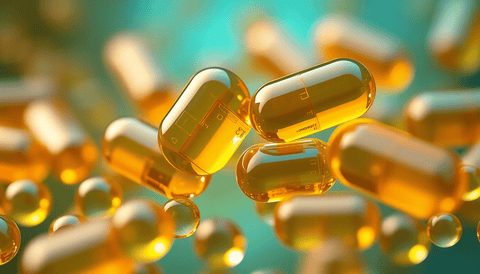
Liposomal capsules are a specialized form of supplement where the active nutrients are encapsulated within tiny, bubble-like structures called liposomes. These liposomes are made from phospholipids, the same type of fats that build your cell membranes. This unique design is fundamentally different from traditional capsules, which simply hold nutrients in a powder or liquid form that is vulnerable to the digestive process.
How Do Liposomal Capsules Work? Step-by-Step
The core of how liposomal capsules work lies in their protective delivery system. Here's the step-by-step process:
- Liposome formation: Phospholipids are combined with water and the nutrient, forming a double-layered sphere (a liposome) that encapsulates the nutrient inside.
- Protection through digestion: The phospholipid layer shields the nutrient from stomach acid and digestive enzymes that would normally degrade a significant portion of a traditional supplement.
- Absorption through the intestinal wall: Once the liposome reaches the intestines, it can fuse with the cells lining the intestinal wall. This fusion allows the nutrient to be delivered more directly into the bloodstream, potentially resulting in higher absorption rates.
Do Liposomal Supplements Really Work?
The principle behind liposomal delivery is scientifically sound and is used in some pharmaceutical applications to improve drug delivery. For supplements, research suggests that this method can lead to higher bioavailability for certain nutrients, meaning more of the active ingredient may reach your circulation compared to standard forms. However, the effectiveness can depend on the quality of the liposomal formulation and the specific nutrient being delivered.
What Does Liposomal Do to Your Body?
Liposomal delivery primarily helps your body absorb more of a nutrient by protecting it during digestion. This can be especially helpful for nutrients that are poorly absorbed under normal conditions. The liposome itself is made of phospholipids, which are natural components of your cells, so it is generally well-tolerated.
Benefits of Liposomal Supplements
The primary advantage of this delivery system is enhanced nutrient absorption. By protecting the ingredient, your body may receive a greater percentage of the active compound. Additionally, the phospholipid coating can help reduce the risk of stomach irritation that some people experience with traditional supplements, such as high-dose vitamin C or iron.
Liposomal vs. Traditional Capsules
Understanding the difference is key. Traditional capsules rely entirely on the digestive system to break down the shell and release the contents, a process where potency can be lost. Liposomal capsules offer a protective journey, aiming to bypass much of this degradation. While liposomal options often come with a higher price point and may have a shorter shelf life, the potential for increased effectiveness is their main selling point.
Are Liposomal Vitamins Better Than Capsules?
Liposomal forms may offer better absorption for some nutrients, but they are not automatically "better" for everyone or for every ingredient. For certain nutrients, traditional capsules are already well-absorbed. Liposomal delivery is most valuable when the nutrient is sensitive to digestive breakdown or when higher absorption is a specific goal. Cost and product quality are also important factors to consider.
When Is the Best Time to Take Liposomal Supplements?
For optimal absorption, it's generally recommended to take liposomal supplements with a meal that contains some dietary fat. The fats in the meal can support the absorption of the phospholipids. However, always follow the specific instructions on your product's label, as recommendations can vary.
What Are the Side Effects of Liposomal Supplements?
Liposomal supplements are generally well-tolerated, but some people may experience mild digestive discomfort, such as nausea or loose stools. Because the liposome itself is made of phospholipids, it is unlikely to cause serious side effects. However, if you experience persistent discomfort, it's best to stop use and consult a healthcare professional.
What Are the Disadvantages of Liposomes?
While promising, liposomal technology has some limitations. High-quality liposomal products can be more expensive than their traditional counterparts. The stability of the liposomes can also be a factor, affecting shelf life. Furthermore, individual responses can vary, and some people might not notice a significant difference compared to well-absorbed traditional forms of certain vitamins.
Choosing the Right Liposomal Capsules
Quality is paramount. Look for products from reputable brands that provide transparency about their ingredients and manufacturing process. Certificates of analysis can indicate a higher standard of quality control. At Topvitamine, we offer a selection of 100% natural liposomal supplements from trusted international brands, ensuring you receive a quality product.
Frequently Asked Questions
Do liposomal supplements really work?
Yes, for many nutrients, liposomal delivery has been shown to improve absorption compared to standard forms. However, effectiveness can vary based on the specific nutrient and the quality of the liposomal formulation. It's best to look for products from reputable brands that provide evidence of their manufacturing quality.
What does liposomal do to your body?
Liposomal delivery systems protect nutrients from degradation in the digestive tract, allowing them to reach the intestinal lining intact. This can help increase the amount of the nutrient that is absorbed into your bloodstream, potentially enhancing its effectiveness.
Are liposomal vitamins better than capsules?
Liposomal vitamins may be better absorbed than traditional capsules, but this does not mean they are right for everyone. For nutrients that are poorly absorbed, liposomal forms can be a useful option. However, traditional capsules are perfectly adequate for many nutrients, and liposomal products may be more expensive.
What are the side effects of liposomal?
Side effects are generally mild and may include digestive upset. Because liposomes are made from phospholipids, they are generally well-tolerated. If you experience any unusual symptoms, discontinue use and consult a healthcare professional.
Conclusion
Liposomal capsules offer a sophisticated approach to supplementation by using a protective delivery system to enhance nutrient absorption. Understanding how they work—shielding ingredients from digestion and facilitating cellular delivery—helps explain their potential benefits. When choosing supplements, consider your individual needs and opt for high-quality liposomal products from trusted sources to maximize potential benefits.