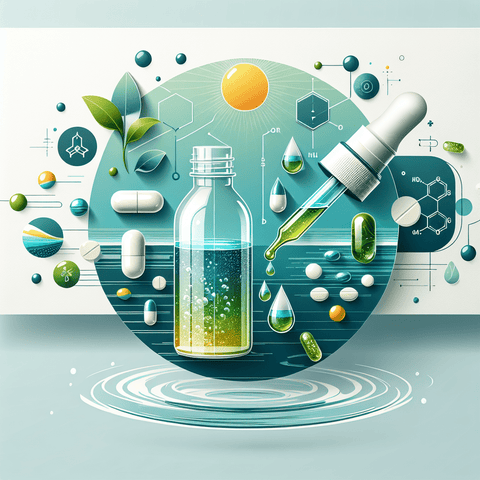
Are liquid vitamins better absorbed than pills? Is a vitamin water drink a good substitute for a multivitamin pill? This guide compares liquid vitamins, multivitamin pills, and vitamin waters across key factors like absorption, convenience, taste, sugar content, hydration, and cost. We'll also answer common questions, such as whether vitamin water counts toward your daily water intake and whether there are downsides to taking a multivitamin.
Liquid vs Pill Vitamins: Head-to-Head Comparison
When comparing liquid vitamins vs pills, the right choice depends on your health needs, lifestyle, and preferences. Both formats can provide essential nutrients, but they differ in absorption, convenience, cost, and other practical aspects. This section breaks down the main differences so you can decide which one suits you best.
Understanding the Formats: Liquid Multivitamins, Pills, and Vitamin Water
First, it's important to distinguish between different types of "liquid" supplements. Vitamin waters or enhanced drinks are typically flavored beverages with added vitamins and minerals, often containing sugars or sweeteners. In contrast, concentrated liquid multivitamin supplements are designed for their nutritional profile and absorption, usually taken by the dropperful or small serving. Multivitamin pills, whether tablets or capsules, provide a pre-measured dose of essential nutrients. Your choice depends on whether your primary goal is taste and convenience or targeted, comprehensive nutritional support.
Vitamin Water vs Multivitamin Pills: Which Is Better for You?
A common question is whether vitamin water is a healthy choice. While vitamin water provides hydration and some vitamins, it often contains added sugars or artificial sweeteners. The vitamin content is typically lower and less comprehensive than a dedicated multivitamin supplement. For serious nutritional support, a pure liquid multivitamin or a multivitamin pill is generally more efficient and healthier. So, is it better to drink water or vitamin water? Plain water is the best choice for hydration without extra calories or sweeteners. Vitamin water can be a better option than sugary sodas, but it should not replace a balanced diet or a true multivitamin.
Can you count vitamin water as water intake? While vitamin water is mostly water and contributes to fluid intake, it often comes with added sugars or sweeteners that may not align with all health goals. For daily hydration, plain water remains the most beneficial choice. If you do choose vitamin water, check the label for sugar content.
Is a Liquid or Pill Multivitamin Better? The Science of Absorption
The question of which form is "better" often centers on bioavailability—the proportion of a nutrient that your body can actually use. Liquid vitamins, being pre-dissolved, may bypass some of the digestive breakdown required by pills, leading to potentially quicker absorption into the bloodstream. Some studies, such as one on vitamin B12, have shown higher early absorption rates for liquid forms. However, modern pill technology with enteric coatings or specialized formulations can also be highly effective. For individuals with digestive issues or lower stomach acid, such as some older adults, liquid vitamins might offer a clear advantage. Ultimately, for healthy individuals, a high-quality pill can be just as effective as a liquid, making consistency and product quality paramount.
Detailed Pros and Cons of Liquid vs Pill Supplements
Pros of Liquid Supplements
- Faster Absorption: Pre-dissolved nutrients may enter the bloodstream more quickly.
- Customizable Dosing: Ideal for precise adjustments for children, seniors, or specific needs.
- Ease of Use: No swallowing required, beneficial for those with dysphagia.
- Synergistic Blends: Nutrients can be pre-mixed to enhance how they work together.
Cons of Liquid Supplements
- Shorter Shelf Life: Often require refrigeration and must be used more quickly after opening.
- Taste and Smell: Flavors may be off-putting to some users.
- Portability: Less convenient for travel due to potential refrigeration needs.
- Higher Cost: Generally more expensive per dose than pills.
Pros of Pill Supplements
- Convenient and Portable: Easy to take on the go without special storage.
- Long Shelf Life: Stable for long periods, ideal for stockpiling.
- Cost-Efficient: Typically offer a lower cost per serving.
- Controlled Dosage: Each pill delivers a precise, standardized amount.
Cons of Pill Supplements
- Hard to Swallow: Can be difficult for children, seniors, or those with a sensitive gag reflex.
- Slower Absorption: Must be broken down by the digestive system first.
- Fillers and Binders: May contain inactive ingredients that cause issues for sensitive individuals.
Which Should You Choose? A Decision Guide
Your ideal supplement form depends on your lifestyle, health needs, and preferences. Consider these scenarios:
- For Daily Micronutrient Coverage: A high-quality multivitamin pill is often the most cost-effective and convenient choice for most adults.
- If You Have Swallowing Difficulties or Digestive Issues: Liquid vitamins are typically easier to take and may be better absorbed.
- For Customizable Dosing (e.g., children, therapeutic needs): The adjustable nature of liquid supplements is a significant advantage.
- If You're Avoiding Added Sugar: Opt for pills or sugar-free liquid multivitamins over pre-sweetened vitamin drinks.
- For Maximum Portability and Shelf Life: Pills are unbeatable for travel and long-term storage.
Are Vitamins Safe for People with Liver Disease?
If you have a pre-existing liver condition, it is crucial to consult with your healthcare provider before starting any new supplement regimen. Certain fat-soluble vitamins (A, D, E, K) can accumulate in the body, and excess intake may pose risks. Your doctor can help determine safe types and dosages based on your individual health status. This precaution applies to both liquid and pill forms.
Vitamins and Neuropathy: General Information
Some individuals explore vitamins for nerve health concerns like neuropathy. Nutrients such as Vitamin B12 and Vitamin B1 (Thiamine) are well-known for their roles in supporting a healthy nervous system. A deficiency in these vitamins can contribute to nerve-related issues. While maintaining adequate levels through diet or supplementation is important for overall health, it is essential to understand that supplements are not treatments for medical conditions. Anyone experiencing symptoms of neuropathy should seek guidance from a healthcare professional for a proper diagnosis and treatment plan.
Frequently Asked Questions
Is it better to drink water or vitamin water?
For simple hydration, plain water is the best option because it contains no added sugars, sweeteners, or calories. Vitamin water may provide some vitamins, but it often comes with extra sugar or artificial sweeteners. If you enjoy vitamin water, choose options with no added sugar and remember that it should not replace a balanced diet or a proper multivitamin.
Is it better to take liquid or solid multivitamins?
Liquid multivitamins may offer faster absorption and easier dosing adjustment, making them ideal for those with digestive issues or swallowing difficulties. Pill multivitamins are generally more convenient, portable, and cost-effective for daily use by healthy adults. The best choice depends on your personal needs and preferences.
Can I count vitamin water as water intake?
Yes, vitamin water contributes to your daily fluid intake, as it is mostly water. However, be mindful of added sugars or sweeteners. For most people, plain water is the healthiest way to stay hydrated.
Is there a downside to taking a multivitamin?
Multivitamins are generally safe for most people, but high doses of certain vitamins, especially fat-soluble ones such as A, D, E, and K, can accumulate in the body. Some people may experience digestive upset or interactions with medications. Always talk with a healthcare professional before starting a new supplement, especially if you have a medical condition.
Conclusion: Making an Informed Decision
Both liquid and pill vitamins have their place in a wellness plan. Liquids excel in absorption speed and dosing flexibility, making them superb for those with specific needs. Pills win on convenience, cost, and shelf life. The "best" choice is the one you will take consistently and that aligns with your health goals. Always prioritize high-quality products from reputable brands, like those at TopVitamine.com, which offer third-party testing and transparent ingredient lists.