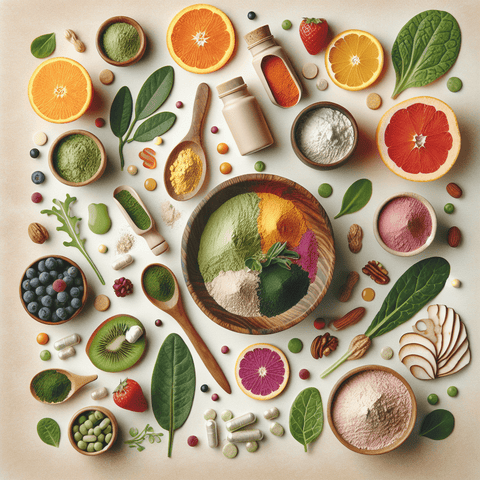
Powdered supplements are a popular and convenient way to add essential nutrients to your diet. They come in many forms, including vitamin powders, protein powders, supergreens, and mineral blends. Unlike pills, which must disintegrate before your body can absorb them, powders are already broken down and may be absorbed faster. However, their effectiveness and safety depend on the quality of the product, how you use them, and how they interact with the foods you mix them with. This guide explains what powdered supplements are, how they compare to pills, and how to use them safely and effectively.
What Are Powdered Supplements?
Powdered supplements, also called nutrient powders, are concentrated forms of vitamins, minerals, amino acids, botanicals, and other beneficial compounds. They are usually produced by drying, freeze-drying, or micronizing whole foods or isolated nutrients into fine particles that dissolve easily in liquids or mix into soft foods. The main advantage of powders is that they skip the disintegration step that pills require, which may allow for quicker absorption, especially when consumed with liquid or food that complements nutrient uptake.
Common Types of Powdered Supplements
There are many types of powdered supplements, each designed for specific health needs:
- Vitamin powders: deliver nutrients like vitamin C, vitamin D, or B-complex in measured, mixable formulas.
- Supergreens: blends of nutrient-dense greens like spirulina, chlorella, kale, and spinach, known for their antioxidant content.
- Protein powders: sourced from whey, casein, pea, rice, or collagen, they support muscle repair and recovery.
- Adaptogen powders: botanical-based powders like ashwagandha or maca, intended to help the body cope with stress and fatigue.
- Mineral supplements: such as magnesium or calcium powders, often used for bone health and energy metabolism.
Powdered Supplements vs. Pills: Which Is Better?
A common question is whether powdered supplements are better than pills. The answer depends on your personal preferences and the specific nutrient. Both forms can be effective, but they have different pros and cons:
- Absorption: Powders may be absorbed faster because they don't need to disintegrate. However, the overall absorption still depends on the nutrient form and the food matrix.
- Dosage flexibility: Powders allow you to adjust your dose more easily, but also carry a higher risk of measuring errors. Pills come in pre-measured doses.
- Convenience: Pills are portable and simple to take. Powders require mixing and may be less convenient when you're on the go.
- Taste: Powders often have a stronger or more unpleasant taste, which can be masked with food or flavored drinks. Pills are tasteless if swallowed quickly.
In terms of effectiveness, both forms can deliver nutrients, but the best choice may differ for each nutrient. For example, fat-soluble vitamins (A, D, E, K) are better absorbed when taken with dietary fat, which is easy to achieve by mixing powders into meals containing healthy fats. On the other hand, some nutrients are more stable in pill form. Always consider your own health needs and consult a healthcare professional if you're unsure.
Best Ways to Take Powdered Supplements
To get the most benefit from powdered supplements, follow these best practices:
- Read the label carefully. Follow the recommended serving size and check for third-party testing certifications like NSF or USP, which indicate quality assurance.
- Mix properly. Use a shaker bottle, blender, or spoon to ensure the powder is fully dissolved and no clumps remain.
- Consider timing. Some nutrients are better taken at specific times, such as magnesium in the evening for relaxation or B-complex in the morning for energy.
- Pair with the right foods. Mix fat-soluble vitamins with meals containing healthy fats, like avocado or olive oil. Avoid adding heat-sensitive ingredients like probiotics to hot foods.
- Be cautious with high-oxalate foods. Foods like spinach and beets can bind to calcium and reduce absorption, so avoid mixing calcium powder with them.
Safety Considerations and Potential Side Effects
While powdered supplements can be safe and effective, they require the same caution as any dietary supplement. In the United States, the FDA regulates dietary supplements under DSHEA, but they are not approved before they reach the market. In the European Union, EFSA oversees supplements and prohibits unbacked health claims. Regardless of where you live, the safety of a product depends on its ingredients, quality, and how you use it.
Risk of Overdosing
Because powders are concentrated, it's easy to take too much, especially when mixing them with meals or other supplements. Fat-soluble vitamins (A, D, E, K) can build up in the body and lead to toxicity if taken in excess. Always stick to the recommended daily intake unless a healthcare provider advises otherwise.
Medication Interactions
Some nutrients can interfere with medications. For example, vitamin K can reduce the effectiveness of blood thinners. If you're taking prescription medication or have underlying health conditions, consult your doctor before starting any supplement, including powders.
Third-Party Testing and Quality
Look for products that have been independently tested by organizations like NSF International, USP, or Informed-Choice. These certifications provide assurance that the product contains what the label says and is free from harmful contaminants. Some brands also offer batch-specific QR codes for transparency.
How Mixing Supplements with Food Affects Absorption
Many people mix powdered supplements into smoothies, yogurt, oatmeal, or soups. This is convenient and can help mask the taste of certain nutrients. However, the food you choose can either enhance or inhibit absorption.
Fat-soluble vitamins require dietary fat for optimal uptake. If you're taking a vitamin D powder, pair it with a meal containing healthy fats, such as oatmeal with almond butter or full-fat yogurt. On the other hand, calcium absorption is reduced when mixed with high-oxalate foods like spinach or beets. Probiotics are heat-sensitive, so adding them to hot soups or baking them into bars can deactivate the live cultures. To preserve their benefits, add them to cold or lukewarm foods like yogurt, juice, or refrigerated smoothies.
Creative Ways to Incorporate Powders into Meals
Here are some practical and tasty ways to add powdered supplements to your daily routine:
- Smoothies and shakes: ideal for every type of powder.
- Yogurt with berries and vitamin powder blends.
- Unsweetened applesauce with fiber or mineral powders.
- Oatmeal enriched with collagen or adaptogen super powders.
- Cold-pressed juices as a base for green and detox powders.
FAQ: Powdered Supplements and Drink Mixes
Are powdered supplements better than pills?
Not necessarily better, but different. Powders may absorb faster and offer flexible dosing, but they require mixing and may taste worse. Pills are more convenient and have fixed doses. The best choice depends on the nutrient and your preferences.
What is the best powdered supplement?
The best powdered supplement depends on your health goals. Vitamin powders for general wellness, protein powders for muscle recovery, supergreens for antioxidants, or magnesium for relaxation are all popular options. Look for third-party tested products with clean ingredients.
What is the best way to take powdered supplements?
Mix them with liquids or soft foods according to the label instructions. Use a blender or shaker to avoid clumps. Pair fat-soluble vitamins with meals containing fat. Avoid adding heat-sensitive nutrients to hot foods. Follow the recommended dosage and timing for best results.
Do powder supplements work?
Yes, powdered supplements can be effective if they contain the right nutrients and are used correctly. Since they are already broken down, they may be absorbed faster than pills, but the overall effectiveness still depends on the quality of the product and how you incorporate it into your diet.
Is there a healthy powdered drink mix?
Yes, healthy powdered drink mixes exist. Look for options with no added sugar, minimal or no artificial sweeteners and colors, and a short, simple ingredient list based on natural flavors and fruit powders.
What is the healthiest drink mix?
The healthiest mix is one that helps you stay hydrated without unwanted additives. A simple electrolyte powder with no sugar or a greens powder without artificial ingredients can be healthy choices for their intended purposes.
Is it safe to mix powdered vitamins into hot food?
Generally safe, but heat-sensitive nutrients like probiotics or certain antioxidants may degrade when added to hot foods. It's best to mix them into warm, not boiling, meals or into cold dishes.
Conclusion: Making Smart Choices with Powdered Supplements
Powdered supplements can be a convenient and effective way to support your nutritional needs, but they require informed use. Whether you choose a simple drink mix or a concentrated nutrient powder, always read labels, prioritize third-party tested products, and be mindful of how you mix them with food to maximize benefits and minimize risks. Supplements are meant to complement a balanced diet, not replace it. If you have any health concerns or are taking medications, consult a qualified healthcare professional before starting any new supplement.