Do PMS and Menopause Supplements Work? A Direct Look at the Evidence
Many women seek natural alternatives to hormone replacement therapy (HRT) for managing symptoms of PMS and menopause. The critical question is: do supplements actually work? The answer is nuanced. Some supplements show promising evidence for providing mild to moderate relief for symptoms like hot flashes and mood swings, while for others, scientific support is limited or mixed. This guide cuts through the marketing claims to provide a clear, evidence-based overview of what you can realistically expect from supplements for PMS and menopause, how they compare to conventional treatments, and how to choose them safely.
What’s the Evidence for Common Menopause Supplements?
The effectiveness of supplements varies significantly by ingredient. It's crucial to distinguish between those with substantial research and those that rely more on traditional use.
Supplements with Supportive Evidence
- Black Cohosh: One of the most studied herbs for menopause, black cohosh may help reduce the frequency of hot flashes for some women. However, study results are not always consistent, and its exact mechanism is not fully understood.
- Soy Isoflavones: These plant-based compounds have a mild estrogen-like effect. Research suggests they can be effective for managing hot flashes, particularly when consumed consistently over several months.
- Vitamin D and Calcium: While not for hot flashes, these are critical for bone health. Postmenopausal women are at higher risk for bone loss, and supplementation can help support the maintenance of normal bones when dietary intake is insufficient.
Supplements with Mixed or Limited Evidence
- Evening Primrose Oil: Often used for breast tenderness, robust evidence for its effectiveness against core menopausal symptoms is limited.
- Dong Quai and Red Clover: These traditional herbs are popular, but high-quality clinical studies have not provided strong, consistent evidence for their benefits.
- Wild Yam and Progesterone Creams: The body cannot effectively convert the compounds in wild yam into progesterone, making its effectiveness questionable.
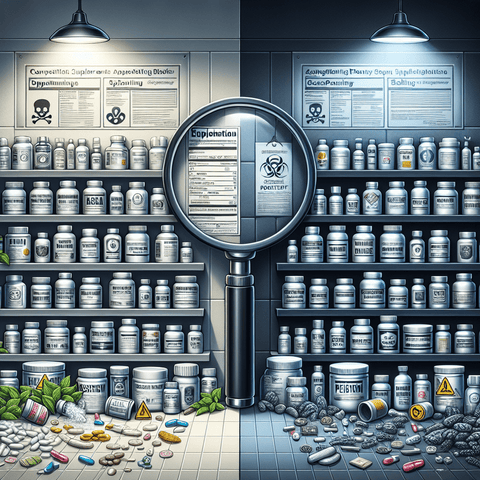
It is important to note that the placebo effect can be powerful in menopause studies, and the quality of research varies. Supplements are best viewed as a potential support for overall well-being rather than a guaranteed cure.
Supplements for PMS: What the Research Shows
PMS symptoms—such as mood swings, irritability, bloating, and breast tenderness—are common, and many women wonder if supplements can help. While the research on supplements for PMS is less extensive than for menopause, some ingredients show potential. However, results are often mixed, and individual responses vary.
Potentially Helpful Ingredients
- Calcium: Some studies suggest that calcium supplementation may help reduce PMS-related mood symptoms and fluid retention.
- Vitamin B6: This vitamin is involved in neurotransmitter function and may help with mood-related PMS symptoms, though evidence is not definitive.
- Magnesium: Magnesium may help with bloating and mood symptoms, but research is still emerging.
Important Considerations
No single supplement is a proven cure for PMS. The effectiveness depends on the individual and the specific symptoms. As with menopause supplements, it's important to choose high-quality products and discuss their use with a healthcare provider, especially if you are taking other medications or have underlying health conditions.
Supplements vs. Hormone Therapy: A Practical Comparison
Understanding how supplements stack up against the most effective medical treatment helps set realistic expectations.
| Factor | Supplements | Hormone Therapy (HRT) |
|---|---|---|
| Effectiveness | Mild to moderate relief for some symptoms; effects vary greatly by individual. | Considered the most effective treatment for relieving moderate to severe hot flashes and preventing bone loss. |
| Speed of Results | May take several weeks or months of consistent use. | Often provides relief within a few weeks. |
| Risks & Considerations | Generally milder side effects; risk of drug interactions and variable product quality. | Carries specific health risks (e.g., blood clots, stroke) for some women; requires a prescription and medical supervision. |
| Best For | Women seeking a gentle, natural approach for mild symptoms or as a complement to lifestyle changes. | Women with severe symptoms that significantly impact quality of life, after discussing risks/benefits with a doctor. |
How to Choose a Quality Supplement for PMS or Menopause
With countless products on the market, selecting a safe and well-made supplement is crucial. Here are key factors to consider:
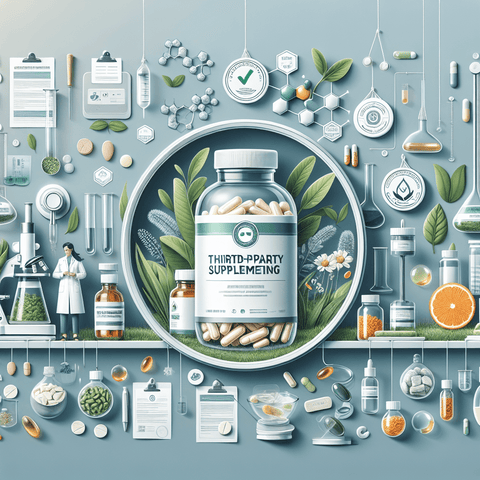
- Look for Third-Party Testing: Choose brands that have their products verified by independent labs (like USP or NSF) for purity, potency, and the absence of contaminants.
- Check for Standardized Extracts: For herbal supplements like black cohosh, a standardized extract ensures you get a consistent, measurable amount of the active compounds.
- Read the Label Carefully: Ensure the dosage aligns with what has been used in clinical studies. Be wary of proprietary blends that hide individual ingredient amounts.
- Consult Your Healthcare Provider: This is the most important step. Discuss your symptoms and health history with a doctor or pharmacist to ensure supplements are safe for you and won't interact with medications.
Answers to Common Questions About Supplements for PMS and Menopause
Are PMS supplements legit?
Some supplements may offer mild relief for certain PMS symptoms, but the evidence is not conclusive. Calcium and vitamin B6 show some promise for mood-related symptoms, but results vary by individual. Supplements should be considered as part of a broader approach, not a guaranteed fix. Always consult a healthcare provider before starting any supplement.
What is the best supplement to take for PMS?
There is no single “best” supplement for PMS. Based on current research, calcium is one of the most studied and may help with mood symptoms and fluid retention. Vitamin B6 and magnesium are also commonly used, but individual responses vary. It's best to discuss your specific symptoms with a doctor to determine the most appropriate option.
Is PMDD a form of bipolar?
No, PMDD (Premenstrual Dysphoric Disorder) is not a form of bipolar disorder. PMDD is a severe form of PMS with distinct mood symptoms, while bipolar disorder is a separate mental health condition characterized by episodes of mania and depression. They have different causes and require different treatments. If you experience severe PMS symptoms, it's important to talk to a healthcare professional.
What vitamin deficiency causes PMS?
No single vitamin deficiency is known to cause PMS. However, low levels of certain nutrients, such as calcium, magnesium, and vitamin B6, may be linked to more severe PMS symptoms. Ensuring adequate intake of these nutrients through diet or supplementation may help manage symptoms, but more research is needed to confirm a causal relationship.
Conclusion: A Sensible Approach to Supplements for PMS and Menopause
So, are supplements for PMS and menopause worth it? They can be a valuable part of a holistic approach for women experiencing mild to moderate symptoms, especially when combined with a healthy diet, regular exercise, and stress management. However, they are not a substitute for medical advice or treatment for severe symptoms. By focusing on evidence-based ingredients, choosing high-quality products from trusted sources like Topvitamine.com, and working with a healthcare provider, you can make an informed decision that supports your well-being.