Vitamins for Women Over 50: Daily Needs and How to Choose
As women enter their 50s, nutritional needs shift due to hormonal changes, slower metabolism, and altered nutrient absorption. Knowing which vitamins and minerals are most important can help you maintain bone strength, energy, heart health, and overall well-being. This guide explains what a 50-year-old woman should consider taking daily, how to choose a multivitamin, and when to be cautious.
What Vitamins Should a 50 Year Old Woman Take Daily?
While individual needs vary, certain vitamins and minerals become particularly important for women over 50. A daily regimen often focuses on supporting bone health, heart function, and energy levels.
Key Vitamins and Minerals for Daily Support
- Vitamin D: Supports calcium absorption for bone strength and immune function. Many women over 50 have limited sun exposure, making supplementation common. Typical daily ranges are often between 800-2,000 IU, but a healthcare provider can help determine the right amount for you.
- Calcium: Essential for maintaining bone density and reducing the risk of osteoporosis. It's often paired with Vitamin D for optimal absorption.
- Vitamin B12: Supports nerve health and energy production. Absorption can decrease with age, making B12 a common supplement for women over 50.
- Magnesium: Plays a role in muscle function, bone health, and may support better sleep.
- Omega-3 Fatty Acids: Known for their anti-inflammatory properties, which may support heart and brain health.
These nutrients can come from food sources as well as supplements. For example, vitamin D is found in fatty fish and fortified dairy, calcium in dairy and leafy greens, and magnesium in nuts and whole grains. Still, supplements may help fill gaps when diet alone isn't enough.
Which Multivitamin Is Best for Over 50? How to Choose
A multivitamin can be a convenient way to cover nutritional bases. When selecting one, look for formulations designed specifically for women over 50. Key things to consider include:
- Iron Content: Post-menopausal women typically need less iron. Some multivitamins for this age group are iron-free, so choose based on your dietary intake and healthcare provider's advice.
- Vitamin D3: Opt for a multivitamin containing Vitamin D3 (cholecalciferol), which is the form the body prefers.
- B Vitamin Form: For better absorption, some women may benefit from methylated forms of B vitamins (like methylcobalamin for B12).
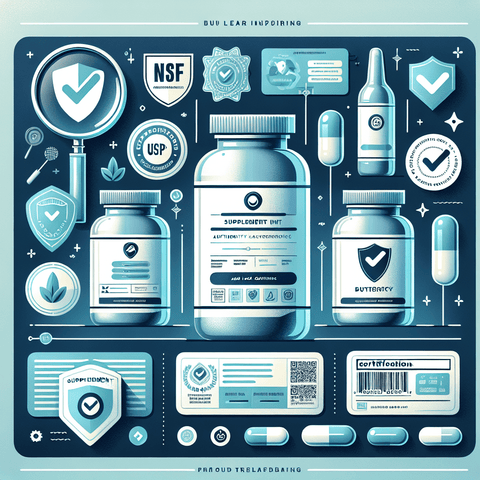
- Third-Party Testing: Look for certifications from organizations like USP or NSF, which verify the product contains what the label claims.
Remember, a multivitamin supplements a healthy diet; it does not replace one.
What Supplements Should Not Be Taken After 50?
Some supplements require extra caution after 50, especially if you have underlying health conditions or take medications. For example:
- High doses of vitamin A can accumulate in the body and may affect liver health.
- Iron supplements are usually not needed after menopause unless a deficiency is diagnosed.
- St. John's wort can interact with many medications, including those for blood pressure and depression.
- High doses of vitamin K can interfere with blood-thinning medication.
Always check with a healthcare professional before starting any new supplement, especially if you have chronic conditions or take prescription medication.
Special Situations: Vitamins After Chemotherapy and With HRT Patches
Certain health circumstances require extra caution and professional guidance when considering supplements.
What Vitamins Should I Take After Chemotherapy?
Recovery from chemotherapy is a delicate process that should be managed under strict medical supervision. Some broad-spectrum nutritional support may be beneficial, but certain supplements can interfere with recovery or medications. It is essential to discuss any supplement use with your oncology team to ensure safety and appropriateness for your specific situation.
What Vitamins Can I Take With HRT Patches?
Hormone Replacement Therapy (HRT) patches are used to manage menopausal symptoms. While many standard vitamins are likely safe, it's crucial to be aware of potential interactions. For example, some supplements might affect hormone levels. The safest approach is to provide your healthcare provider with a full list of all supplements you are taking or considering to ensure there are no conflicts with your HRT treatment.
Postmenopausal Supplements: Supporting Hormonal Balance
Beyond basic vitamins, some women explore supplements to help manage menopausal symptoms like hot flashes and mood swings. Plant-based phytoestrogens (found in soy) and Omega-3s may offer supportive benefits for overall well-being during this transition. Probiotics can also be valuable for supporting digestive and immune health, which may change with age.
Healthy Skin Vitamins for Women Over 50
Aging skin can benefit from nutrients that support collagen production and hydration. Antioxidants like Vitamins C and E, along with nutrients such as biotin and zinc, may help maintain skin health from within.
Frequently Asked Questions
What vitamins should a 50 year old woman take daily?
Key vitamins and minerals for women over 50 include vitamin D, calcium, vitamin B12, magnesium, and omega-3 fatty acids. Individual needs vary, so it's best to discuss your diet and health status with a healthcare provider.
Which multivitamin is best for over 50?
The best multivitamin for women over 50 is one that is formulated for the age group, contains sufficient vitamin D and B12, and avoids excess iron unless needed. Look for third-party tested products and consider forms like vitamin D3 or methylated B vitamins.
What supplements should not be taken after 50?
Supplements that might be problematic include high doses of vitamin A, iron (unless deficient), and interactions with medications like blood thinners. Always check with a healthcare professional.
Which supplement is best for a 50 year old woman?
There is no single "best" supplement; the right choice depends on your diet, medical history, and specific needs. A multivitamin designed for women over 50 is a common starting point, but individual nutrients may be needed based on blood tests or doctor's advice.
Conclusion: Consult Your Healthcare Provider
Identifying the best vitamins for women over 50 is a personal journey that depends on your diet, health status, and lifestyle. This guide outlines common nutritional priorities, but it is not a substitute for professional medical advice. Always consult with a healthcare provider before starting any new supplement to ensure it is appropriate and safe for you.