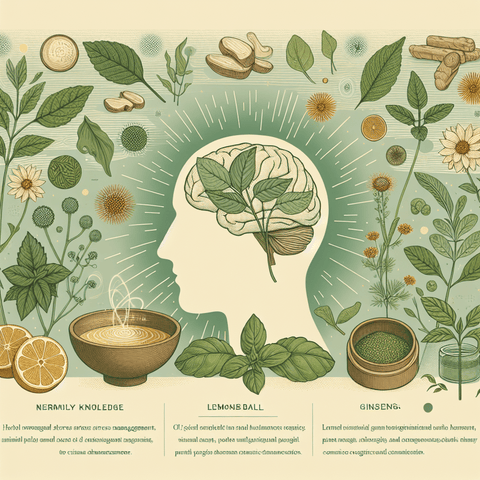
Adaptogens Guide | Stress, Energy & Balance


What Are Adaptogens and How Do They Work?

Adaptogens are a unique class of natural substances, primarily herbs and mushrooms, that are traditionally used to help the body maintain balance and adapt to various stressors. Rather than targeting a single symptom, adaptogens are thought to support the body's overall stress response system, including the hypothalamic-pituitary-adrenal (HPA) axis. By promoting a state of homeostasis, these plants may help the body manage physical, mental, and environmental challenges more effectively, making them a topic of growing interest for those seeking a balanced approach to well-being.

Why Are Adaptogens a Popular Topic for Modern Well-being?

In today's fast-paced world, many people are looking for ways to manage the demands of work, family, and daily life. Adaptogens have gained popularity because they are associated with helping to improve energy, support mental clarity and focus, and promote a sense of calm during stressful periods. This relates to their potential role in modulating key stress hormones like cortisol. While they are not a replacement for a healthy lifestyle, adaptogens are often explored as a complementary tool to support the body's natural resilience in the face of a high-stress lifestyle.

Exploring the Diversity of Adaptogenic Herbs and Supplements

The world of adaptogens is diverse, with different plants offering different focuses. Well-known examples like Ashwagandha are often used to support stress relief and relaxation, while Rhodiola Rosea is commonly explored for its potential to combat fatigue and enhance mental performance. Others, such as Panax Ginseng, are often associated with physical stamina. As interest grows, adaptogens are available in many forms, including capsules, powders, and tinctures, making them accessible for different lifestyles. When considering supplements, it's essential to focus on high-quality sourcing and to understand that individual responses can vary significantly.


Unlocking the Power of Adaptogens for Stress Relief and Mental Clarity - Topvitamine
Sep 12, 2025
Adaptogen Supplements for Mental Alertness: How They WorkAdaptogen supplements for mental alertness are botanicals and fungi that may help the body manage stress, which can indirectly support focus, stamina, and clear thinking. These natural cognitive enhancers are not stimulants like caffeine; instead, they support the body's stress-response systems, and the benefits build gradually with consistent use.Best Adaptogens for Focus and ClarityWell-researched options for mental stamina include rhodiola for fatigue, panax ginseng for mental energy, ashwagandha for stress-related distraction, bacopa for memory, and cordyceps for energy. Choosing a standardized, third-party-tested supplement is important to ensure you get the most benefit and quality.Safety and How to Use AdaptogensAdaptogens are not quick fixes and may interact with certain health conditions and medications. It is especially important to consult a healthcare provider for thyroid conditions like Hashimoto's or if you are pregnant, breastfeeding, or taking prescription medications. They are best used as part of a holistic routine that includes healthy sleep, stress management, and supportive nutrients.
Unlocking the Secrets of Adaptogens for Sustainable Stress Relief - Topvitamine
Sep 11, 2025
What Are Adaptogens and How Do They Support Stress Resilience?Adaptogens are a unique class of botanicals and medicinal mushrooms, such as ashwagandha, rhodiola, holy basil, and reishi, that are traditionally used to help the body adapt to physical and emotional stress. They work by interacting with the hypothalamic-pituitary-adrenal (HPA) axis, which regulates the body's stress response, and may help modulate cortisol levels. Unlike sedatives or stimulants, adaptogens aim to support the body's natural equilibrium and resilience, rather than producing a single, immediate effect.Benefits, Safety, and Choosing the Right AdaptogenResearch suggests that certain adaptogens may help reduce perceived stress, support mental and physical fatigue, and promote a sense of calm. However, safety is paramount: pregnant or breastfeeding individuals, those with autoimmune conditions, or people taking medications such as blood thinners or immunosuppressants should consult a healthcare professional before use. When choosing a product, look for standardized extracts, transparent labeling, and third-party testing. Start with a low dose and monitor your response.Practical Tips for Integrating Adaptogens into Your RoutineAdaptogens are most effective as part of a holistic approach that includes quality sleep, balanced nutrition, regular movement, and mindfulness. Timing matters: stimulating adaptogens like rhodiola are often taken in the morning, while calming ones like ashwagandha or reishi may be better in the afternoon or evening. Many people cycle adaptogens, taking breaks to maintain effectiveness. Always prioritize high-quality, standardized products and consult a healthcare provider if you have underlying health conditions or are taking medications.
Unlock the Power of Adaptogens to Combat Modern Stress Levels - Topvitamine
Sep 11, 2025
Understanding Adaptogen Supplements for Stress ResilienceAdaptogens are adaptogenic herbs that help the body respond to physical, emotional, and environmental stress. Unlike vitamins, which correct nutritional deficiencies, adaptogens primarily support stress resilience. They work by influencing the body's stress-response systems, such as the hypothalamic-pituitary-adrenal (HPA) axis, and may help balance cortisol levels. Common adaptogenic herbs include ashwagandha, Rhodiola rosea, holy basil, schisandra, and ginseng, each associated with benefits like stress relief, improved focus, energy, sleep, and endurance.Key Adaptogenic Herbs and Their Potential BenefitsEach adaptogen has unique properties. Ashwagandha is known for potentially reducing stress and anxiety. Rhodiola rosea is associated with boosting mental alertness and reducing fatigue. Holy basil may promote relaxation and support immune health. Schisandra is often used for liver support and stamina, while ginseng is traditionally valued for energy and concentration. These adaptogens are available in supplement forms like capsules, powders, and tinctures.Safety, Contraindications, and How Adaptogens Compare to VitaminsAdaptogens are generally considered safe for many people when used as directed, but certain individuals should exercise caution or avoid them. Pregnant or breastfeeding women, people with autoimmune conditions, those on medications, and individuals with specific health issues should consult a healthcare professional before use. Adaptogens and vitamins serve different purposes: vitamins are essential nutrients for functions like immunity or bone health, while adaptogens help the body adapt to stress. Some supplements combine both for comprehensive support.
Unlocking the Secrets of Adaptogens for Natural Stress Resilience - Topvitamine
Sep 09, 2025
Adaptogens and Immune SupportAdaptogens are a unique class of herbs that help the body respond to stress while supporting overall balance. Because chronic stress can suppress immune function, adaptogens that regulate the stress response may indirectly benefit the immune system. This guide reviews the best adaptogens for immune support, including Ashwagandha, Rhodiola Rosea, Holy Basil, Asian Ginseng, and Schisandra Berry.How Adaptogens WorkAdaptogens influence the hypothalamic-pituitary-adrenal (HPA) axis, helping to keep cortisol levels balanced. Since elevated cortisol can weaken immune defenses, maintaining a healthy stress response is key. Many adaptogens also provide antioxidant and anti-inflammatory properties that protect immune cells and support their function.Choosing and Using Adaptogens SafelyWhen selecting adaptogens, quality matters. Look for standardized extracts from reputable brands, start with lower doses, and consider timing—most adaptogens are best taken in the morning. Adaptogens work best alongside a balanced diet, adequate sleep, and regular exercise. If you have an autoimmune condition, are pregnant, nursing, or take medication, consult a healthcare professional before use.

Adaptogens are a fascinating topic in the world of natural health and nutritional supplements. They are natural substances, often herbs or mushrooms, that have been used for centuries in traditional wellness practices. Today, they are sought after by people looking to support their body's ability to handle stress, maintain energy, and find better focus and calm. This guide serves as a broad introduction to understanding what adaptogens are, how they are thought to work, the most common types you should know, and important considerations for using them safely.

What Are Adaptogens? A Core Explanation

At its most basic, an adaptogen is a natural substance that is believed to help the body 'adapt' to stress and maintain balance, or homeostasis. This concept comes from traditional systems of medicine and was formalized in the mid-20th century with specific criteria. An adaptogen is generally considered to be non-toxic, non-specific in its action (meaning it helps the body respond to a wide range of stressors), and normalizing in its effect (it can help bring the body back to a state of balance, whether that means calming it down or energizing it depending on what is needed).

The Proposed Mechanism: The HPA Axis and Cortisol

The primary way adaptogens are thought to work is by interacting with the body's central stress response system, known as the hypothalamic-pituitary-adrenal (HPA) axis. This system controls the release of stress hormones, most notably cortisol. By helping to modulate the HPA axis, adaptogens may help regulate cortisol levels, which can become chronically elevated during periods of prolonged mental or physical stress. This modulation is proposed to be the key mechanism that contributes to their potential benefits for stress reduction, energy balance, and cognitive function.

A Brief History of Traditional Use

While the term 'adaptogen' is relatively modern, the use of these plants is not. Many adaptogens have long histories in Ayurvedic medicine from India and Traditional Chinese Medicine (TCM). For centuries, these herbs have been used to promote stamina, reduce fatigue, and support overall vitality and resilience. Understanding this historical context helps explain why they remain popular today as people seek to integrate time-honored botanical traditions into their contemporary health routines.

Common Types of Adaptogens and Their Supportive Roles

This versatility is why a combination, or 'stack,' is often preferred by those looking for broader support. Here are some of the most well-known adaptogens and their general areas of traditional use and modern study:

  • Ashwagandha: Often used for its potential to help reduce stress and anxiety while supporting energy levels and mood.
  • Rhodiola Rosea: Frequently studied for its ability to support mental performance, reduce fatigue, and help manage the effects of physical stress.
  • Panax Ginseng: Commonly associated with enhancing physical stamina, mental endurance, and overall vitality.
  • Holy Basil (Tulsi): Known for its potential to promote a general sense of balance and support the body's response to stress.
  • Schisandra: Often used to improve endurance, support mental clarity, and help the body adapt to stress.
  • Cordyceps: This functional mushroom is often explored by athletes for its potential to support athletic performance, energy, and recovery.

Addressing Common Questions About Adaptogens

When people first learn about adaptogens, they often have a few common questions. Understanding what the evidence generally suggests can help set realistic expectations.

Do Adaptogens Actually Work?

Research on adaptogens is growing, but it is still a developing field. Some adaptogens, like Rhodiola and Ashwagandha, have a more robust body of clinical evidence supporting their effects on stress, fatigue, and cognition than others. However, responses can be highly individual. What this means for you is that an adaptogen is not a guaranteed fix but a supportive tool, and finding what works for you may take some experimentation.

What Is the 'Most Powerful' Adaptogen?

There is no widespread consensus that a single 'most powerful' adaptogen exists. The effectiveness of a specific adaptogen is tied to the outcome you are looking for. For example, one herb might be a go-to for acute stress relief, while another might be better suited for physical endurance. The best choice for you will depend on your specific goals and individual constitution.

Do Adaptogens Lower Cortisol?

Cortisol is a primary stress hormone, and many adaptogens are studied for their effect on it. Some research, particularly on Ashwagandha, suggests that regular supplementation may help reduce perceived stress and support healthy cortisol levels in individuals experiencing chronic stress. This is closely linked to the proposed mechanism of modulating the HPA axis rather than directly suppressing the hormone.

It's important to note that adaptogens are not stimulants in the traditional sense. They generally do not produce a 'buzz' or immediate jolt of energy. Instead, their effects are typically more subtle and build over time with consistent use, contributing to an overall sense of balance and normal energy regulation.

Practical Considerations for Using Adaptogens

Choosing High-Quality Supplements

The marketplace for adaptogens is expanding, which makes product quality a significant concern. To ensure you're getting a product that contains what it claims, look for supplements that use standardized extracts, which guarantee a certain level of active compounds. Reputable brands will often have their products third-party tested for purity and potency and will adhere to Good Manufacturing Practices (GMP). For a deeper look at what to consider when selecting products, you can review our guide to herbal supplements.

How to Start and What to Expect

Start with a lower dose to gauge your individual response before slowly increasing it. Effects are not immediate and may take a few weeks of consistent use to be noticeable. It can also be useful to keep a simple diary to track your energy, mood, and focus to see if these are changing. Adaptogens are meant to support, not replace, foundational health practices like good sleep, nutritious food, and regular exercise.

Safety, Interactions, and Quality

While adaptogens are generally well-tolerated, they are not without considerations. It is crucial to consult with a healthcare professional before starting any new supplement, especially if you are pregnant, nursing, taking medications, or managing a health condition. Also, note that while generally safe, sourcing and quality can vary. If you are interested in one specific type, you can explore our Ashwagandha supplements collection, where quality is a priority.

Adaptogens Within Your Broader Health Approach

It is important to view adaptogens for what they are: a potential piece of the wellness puzzle, not a standalone solution. They are most effective when combined with a healthy lifestyle. Adaptogens can be a valuable addition to support your stress response, energy, and focus, but they cannot compensate for a poor diet, chronic sleep deprivation, or unmanaged stress.

If you are dealing with persistent fatigue, low mood, or other ongoing symptoms, it's essential to look at the root causes. Adaptogens are not a replacement for professional medical care. A healthcare provider can help you identify underlying issues that may need to be addressed through lifestyle changes, medical treatment, or other specific support like a foundational multivitamin supplement.

The information provided here is for educational purposes and is not intended as a substitute for professional medical advice. Always consult with a qualified healthcare provider before beginning any new supplement regimen.