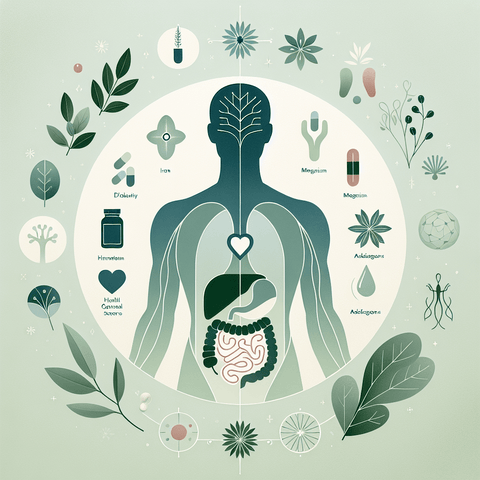
Adrenal fatigue, a term frequently used in wellness discussions, refers to a collection of symptoms—including fatigue, mood changes, and immune dysfunction—that stem from chronic stress affecting the adrenal glands. In this article, you will learn about the seven signs of adrenal fatigue, how lifestyle factors, targeted nutrients, and nutritional supplements can help restore your energy and balance. Understanding this condition is crucial for those feeling drained by the everyday demands of life, as adopting a comprehensive approach could lead to significant improvements in overall well-being.
Core explanation of adrenal fatigue
What adrenal fatigue means in popular and clinical contexts
Adrenal fatigue describes a state where prolonged stress leads to diminished function of the adrenal glands, affecting the body’s energy levels, mood, and overall health. While the concept is widely discussed in wellness circles, it is important to distinguish it from medically recognized adrenal disorders, such as adrenal insufficiency, which involves specific hormonal deficiencies and requires medical diagnosis and treatment.
How the stress response (HPA axis) works in simple terms
The hypothalamus-pituitary-adrenal (HPA) axis regulates the body’s response to stress. When faced with a stressor, the hypothalamus releases corticotropin-releasing hormone (CRH), which stimulates the pituitary gland to produce adrenocorticotropic hormone (ACTH). This, in turn, signals the adrenal glands to produce cortisol, a hormone crucial for energy metabolism, immune response, and regulating mood. Imbalances in this complex system can lead to feelings of fatigue and weakened energy reserves.
Adrenal fatigue vs. real adrenal disorders (e.g., Addison’s disease)
Adrenal fatigue manifests through nonspecific symptoms, whereas disorders like Addison's disease involve validated hormonal deficiencies. Diagnosis for adrenal disorders typically requires blood tests, whereas adrenal fatigue lacks formal medical recognition, emphasizing the need for thorough medical evaluation when symptoms persist. Healthcare professionals can distinguish between these conditions to guide appropriate care.
What the scientific landscape says about adrenal fatigue
The concept of adrenal fatigue is somewhat controversial in the scientific community, with ongoing debates regarding its legitimacy and the variability in study findings. While some aspects resonate with patient experiences, official guidelines do not recognize adrenal fatigue as a formal diagnosis. Nonetheless, nutritional supplements may serve supportive roles in energy restoration and stress management.
Why this topic matters
Everyday impact on energy, mood, and motivation
The impact of adrenal fatigue can extend beyond physical tiredness to emotional well-being, decreasing motivation at work and affecting relationships. Recognizing and addressing energy deficits can be pivotal for a balanced life.
Interplay with sleep, stress, and lifestyle
When stressors accumulate, they often interfere with sleep quality and regular health routines. Poor sleep and high stress can create a vicious cycle—negatively impacting energy levels, making recovery more challenging.
Potential longer-term health implications
Chronic low energy can indirectly affect functions like thyroid activity, glucose handling, and immune resilience. Addressing energy deficits proactively can protect against potential long-term health complications.
Relevance for readers balancing work, family, and wellness
For many, managing work-life balance is increasingly challenging. Implementing practical strategies for energy restoration can alleviate stress, improve focus, and enhance overall health.
7 Signs you're running on empty
Sign 1 — Chronic fatigue that isn’t relieved by rest
Distinguishing ordinary tiredness from persistent fatigue is crucial. If you find yourself feeling exhausted regardless of sleep duration, it could indicate adrenal fatigue.
Sign 2 — Brain fog, reduced concentration, or memory lapses
Impaired cognitive function can significantly affect daily tasks and decision-making. Experiencing frequent brain fog may signal underlying energy depletion.
Sign 3 — Sleep disturbances (trouble falling or staying asleep)
Sleep quality is often compromised in individuals with adrenal fatigue, resulting in difficulty falling asleep or waking frequently. Stress hormones can disrupt circadian rhythms, exacerbating fatigue.
Sign 4 — Heightened stress sensitivity and irritability
When small stressors feel overwhelming, it may indicate an impaired stress response. Increased irritability can disrupt personal and professional relationships.
Sign 5 — Cravings and energy dips after meals (especially carbs or caffeine)
Post-meal energy crashes, especially after consuming carbohydrates or caffeine, can signal unstable blood sugar levels, often related to adrenal fatigue.
Sign 6 — Frequent infections or immune “sags”
Low energy and persistent fatigue can lead to compromised immune function, manifesting as frequent infections or prolonged recovery times.
Sign 7 — Hormonal or digestive irregularities (e.g., menstrual changes, GI upset)
Adrenal fatigue can disrupt hormone levels and digestive health, though symptoms like menstrual irregularities or gastrointestinal disturbances may arise from interconnected systems.
Quick note on variability
It’s important to recognize that not all individuals will experience each sign of adrenal fatigue, as symptoms can vary considerably from person to person.
Related symptoms, signals, or health implications
Other commonly discussed signals
Headaches, hair shedding or thinning, skin changes, and lightheadedness can also accompany adrenal fatigue. Recognizing these signs can facilitate early detection and management.
How symptoms can overlap with other conditions
Symptoms of adrenal fatigue frequently overlap with thyroid issues, anemia, sleep apnea, depression, or nutrient deficiencies. Accurate identification requires a structured assessment to prevent misdiagnosis.
The risk of assuming one cause
Relying solely on symptoms for diagnosis can mislead individuals about their health status. A thorough review by a healthcare provider is crucial for understanding complex symptom interrelations.
Individual variability and uncertainty
People experience different symptom patterns and timings
Individual factors such as age, gender, lifestyle, and personal health history shape how symptoms present and vary over time, emphasizing the need for personalized approaches to health.
The role of comorbidities and lifestyle
Both lifestyle choices, including stress levels, sleep quality, exercise habits, and nutrition, and existing comorbidities can exacerbate or improve symptoms, creating unique health profiles.
When to seek professional assessment
Consulting a healthcare provider is essential if signs persist, particularly with unusual weight changes, severe sleep disruptions, or ongoing fatigue to ensure appropriate evaluation and care.
Why symptoms alone do not reveal root cause
Symptom overlap with thyroid, anemia, sleep disorders, and mood disorders
A broad differential diagnosis is crucial to understanding the root cause of symptoms. Overlapping conditions can obscure underlying health issues and complicate the evaluation process.
The limitation of self-diagnosis
Self-diagnosing adrenal fatigue without appropriate tests can lead to misguided treatment efforts and exacerbate underlying issues. Professional insight is key to a comprehensive health strategy.
The value of a structured approach to root cause
A thorough medical history, physical examination, targeted lab tests, and lifestyle assessments are paramount for identifying the root causes of fatigue and formulating an effective treatment plan.
The role of nutritional supplements in this topic
What supplements can and cannot do here
Nutritional supplements may support energy and resilience but should not replace medical care for underlying conditions. They offer potential benefits when used alongside a comprehensive health approach.
Key supplement categories often discussed for energy and stress
- B-complex vitamins, particularly B5 (pantothenic acid) and B12, are essential for energy metabolism.
- Magnesium is noted for its roles in muscle relaxation and sleep quality.
- Vitamin D supports immune function and mood, while zinc contributes to overall health.
- Omega-3 fatty acids play a vital role in reducing inflammation and promoting brain health.
- Vitamin C and antioxidants aid in stress adaptation and immune support.
- Adaptogenic herbs like ashwagandha and rhodiola are frequently touted for their potential stress-relieving benefits.
Evidence level and expectations
Evidence supporting some supplements, like magnesium for sleep or B vitamins for energy, is more robust than for others, such as adaptogens. It’s essential to maintain realistic expectations regarding potential benefits.
Safety, quality, and interactions
To maximize safety, individuals should choose supplements that have been third-party tested, avoid excessive dosages, and be mindful of potential interactions with medications and existing health conditions.
The right approach: supplement plus lifestyle
Integrating supplements with lifestyle modifications—such as proper sleep hygiene, stress management techniques, regular exercise, and balanced nutrition—can optimize energy levels and overall health.
How nutritional supplements could support
Mechanisms by which nutrients may help energy and stress resilience
Targeted nutrients may enhance cortisol response, promote mitochondrial energy production, and improve sleep quality, contributing to better energy resilience and stress management.
Practical nutrient-by-nutrient guidance
- B vitamins: Particularly B5 and B12 facilitate energy production and metabolism.
- Magnesium: Consider glycinate or malate forms for enhanced relaxation and sleep quality.
- Vitamin D and zinc: Support mood and immune function.
- Omega-3 fatty acids: Help combat inflammation and support brain health.
- Vitamin C: Acts as an antioxidant, aiding in stress response.
Adaptogens and stress-supporting herbs (with caveats)
While adaptogens like ashwagandha and rhodiola are popular for their potential stress-relieving effects, it is important to consider individual tolerance and underlying health conditions before use.
Timing, dosing, and practical tips
When taking supplements, consider timing: some are best with meals (like B vitamins), while others may be ideal before bed (like magnesium for sleep). Start with lower doses to assess tolerance.
Integration with a holistic plan
Emphasizing non-supplement pillars—such as adequate sleep, regular activity, effective stress management, and balanced nutrition—is essential for comprehensive health improvement.
Decision-support: when nutritional supplements make sense
Scenarios where supplementation could be reasonable
Supplementation may be beneficial in cases of suboptimal nutrient status (e.g., from poor diet, restricted food intake), ongoing fatigue unexplained by other factors, or when a healthcare professional recommends nutritional support.
When to pause or avoid supplements
Individuals should avoid supplements during pregnancy, certain medical conditions, or if symptoms suggest a non-nutritional cause. Safety must always come first.
How to choose quality supplements
Look for supplements backed by third-party testing (such as USP, NSF), avoid excessive doses, and select products from reputable brands to ensure safety and effectiveness.
How to monitor impact
Keep track of any changes in energy levels, mood, and sleep quality. A simple symptom log or energy diary can help identify the efficacy of specific interventions.
When to involve healthcare providers
Involving a healthcare provider is recommended if symptoms persist or worsen, or if planning to start multiple supplements simultaneously.
Conclusion: Connecting the topic to buying nutritional supplements on Topvitamine
Recap of the practical takeaways
Recognizing the signs of adrenal fatigue, pursuing a balanced view of potential root causes, and considering targeted supplements can help individuals reclaim their energy and vitality.
How Topvitamine can support energy and stress resilience
Topvitamine offers a range of curated, quality-backed options that empower individuals to explore evidence-informed product selections that align with their health goals.
How to discover relevant products on Topvitamine
Browse Topvitamine’s categories for energy-support supplements, B-complex formulations, magnesium products, omega-3s, vitamin D, and adaptogen blends that can enhance well-being.
Final encouragement and a clear next step
Explore Topvitamine’s energy and stress-support categories, review product ingredients, and consult with a healthcare professional as needed to tailor your approach to health and wellness.
Key Takeaways
- Adrenal fatigue is characterized by persistent fatigue, cognitive difficulties, and mood changes.
- Understanding the HPA axis is essential for recognizing how stress affects energy levels.
- Symptoms of adrenal fatigue can overlap with other medical conditions, emphasizing the need for professional assessment.
- Individual experiences and symptom patterns vary significantly from person to person.
- Nutritional supplements can support energy and stress management but should not replace medical care.
- Choosing high-quality supplements and integrating lifestyle changes can optimize health outcomes.
- Recognizing when to consult health professionals is crucial for comprehensive care.
- Topvitamine provides quality-backed supplements aimed at supporting energy and overall wellness.
Q&A Section
1. What are the primary causes of adrenal fatigue?
Chronic stress is considered the main cause of adrenal fatigue. Other factors like poor diet, lack of sleep, and sedentary lifestyle can exacerbate symptoms.
2. Can adrenal fatigue be treated with lifestyle changes alone?
While lifestyle changes—such as stress management, improved sleep, and balanced nutrition—can significantly alleviate symptoms, some individuals may benefit from nutritional supplements to further support their recovery.
3. How can I tell if I have adrenal fatigue?
Adrenal fatigue is not a formal diagnosis and cannot be confirmed through standard medical tests. Self-assessment of symptoms, combined with a healthcare provider's evaluation, is crucial for understanding your health status.
4. What role do adaptogens play in managing adrenal fatigue?
Adaptogens may help bolster the stress response and support energy levels. Herbs like ashwagandha and rhodiola are commonly discussed for their potential benefits, but their impact may vary among individuals.
5. How long does it take to recover from adrenal fatigue?
Recovery time varies widely among individuals, depending on the severity of symptoms, lifestyle changes, and whether other underlying health issues exist. Establishing a plan with healthcare support can promote faster recovery.
6. Are there specific diets that can help with adrenal fatigue?
A well-balanced diet rich in whole foods, adequate hydration, and nutrient-dense meals can support overall health and energy. Reducing processed foods and sugar intake can also help stabilize energy levels.
7. Is there a connection between adrenal fatigue and anxiety or depression?
Yes, the stress response can intertwine with mood disorders like anxiety and depression. Low energy and hormonal imbalances can impact mental health, necessitating a holistic approach for comprehensive care.
8. Should I take supplements for adrenal fatigue without consulting a doctor?
It is advisable to consult with a healthcare provider before starting any supplements, especially if there are existing health conditions or ongoing medications, to ensure safe use and appropriate choices.
9. Can adrenal fatigue affect my immune system?
Yes, chronic fatigue can weaken the immune response, leading to increased susceptibility to infections and longer recovery times from illness.
10. How can I improve my sleep to help with adrenal fatigue?
Implementing good sleep hygiene practices, such as maintaining a consistent sleep schedule, creating a relaxing bedtime routine, and reducing blue light exposure, can significantly improve sleep quality.
11. What types of B vitamins are most beneficial for energy metabolism?
B vitamins, particularly B5 (pantothenic acid) and B12, play vital roles in energy metabolism and the production of red blood cells, which are essential for delivering oxygen and energy throughout the body.
12. Can I use supplements to replace a healthy diet?
Supplements should complement, not replace, a healthy diet. A varied, nutrient-rich diet provides the essential building blocks for health that supplements alone cannot replicate.
Keywords
adrenal fatigue, adrenal fatigue symptoms, adrenal fatigue causes, energy support supplements, stress-support nutrients, adaptogens, magnesium for sleep, B vitamins for energy, immune support nutrients.