
As we age, the way the body uses nutrients shifts. This is the core idea behind aging and deficiency: nutrient gaps can emerge even when overall intake seems steady. Metabolic changes, adjustments in digestion, and how the body stores and mobilizes nutrients create new patterns of need. On this page we explore how aging affects nutrient needs and how deficiencies creep in, and we outline essential vitamins and minerals your body must have to thrive—plus tips. Essential vitamins and minerals are the core micronutrients the body relies on to function. Examples include vitamins A, B complex, C, D, E, and K, along with minerals such as calcium, iron, magnesium, potassium, zinc, and trace elements. The exact requirements vary by age, activity, and health status, but these micronutrients are commonly listed as essential for overall operation. This section highlights the range of nutrients considered essential to support thriving in later years. Several aging-related factors can influence how well these micronutrients are absorbed and utilized. Changes in gastric acidity, gut motility, and interactions with medications can shift nutrient status, allowing deficiencies to creep in. Even with varied intake, gaps can form if absorption or utilization falters, making awareness and periodic assessment useful. Understanding these patterns helps frame the relationship between aging and deficiency. Tips to navigate aging and deficiency include keeping a simple nutrient check, reviewing medications and supplements with a professional, and considering periodic screening of nutrient status as guided by a clinician. Stay informed about the general categories of vitamins and minerals and how they fit into daily reference ranges. If concerns arise, seek guidance to explore appropriate steps and monitoring.
Aging and Deficiency: Essential Nutrients Your Body Needs to Thrive
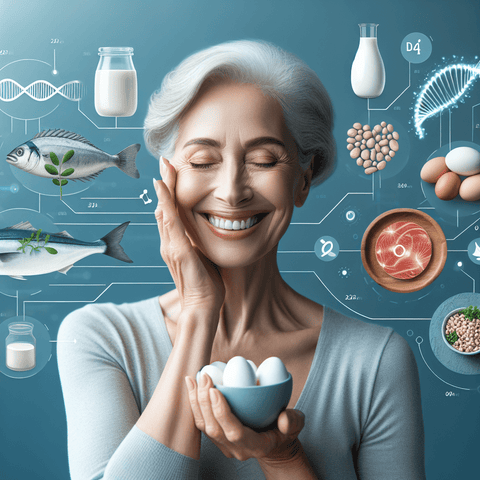
Vitamin B12 after age 50 becomes increasingly important because aging, medications, dietary changes, and reduced stomach acid can lower absorption efficiency. Adequate B12 supports cognitive health, energy production, red blood cell formation, DNA synthesis, and neurological function, while deficiency may cause fatigue, memory problems, anemia, numbness, balance issues, and potentially lasting nerve damage. Dietary sources include meat, fish, eggs, dairy, fortified cereals, and plant-based milks, but supplementation for seniors may be necessary when intake or absorption is limited. Regular blood testing and guidance from a healthcare professional can help personalize methylcobalamin or other B12 supplementation strategies for healthy aging nutrition.