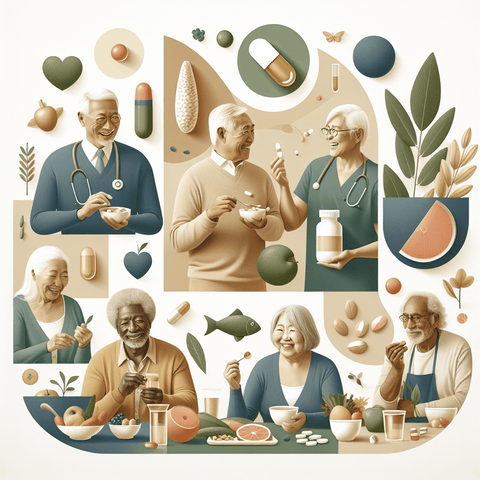
Aging period nutrition refers to the practice of adapting your diet, nutrient intake, and eating patterns to the changing physiological needs that emerge in midlife and beyond. As the body ages, digestion, muscle mass, bone metabolism, and immune function all shift, meaning that the diet that worked at 30 may not fully meet your needs at 60. In this guide, you will learn how aging changes nutrient requirements, which foods and lifestyle habits support energy, immunity, and long-term health, when supplementation may be a reasonable addition, and how to evaluate supplement quality and safety so you can make informed decisions rather than guesswork.
What Does Aging Period Nutrition Really Mean?
Aging period nutrition is not a specific diet but a framework: adjusting what and how much you eat so that nutrient intake matches the body's evolving physiology. It involves prioritizing protein quality, bone-supporting minerals, fiber, healthy fats, and micronutrients while accounting for changes in appetite, digestion, and medication use. The goal is to preserve muscle, bone, cognitive and immune function for as long as possible through everyday food choices.
Why Nutrition Needs Change as the Body Ages
Total calorie needs gradually decline with age, largely because of reduced muscle mass and lower activity levels. Yet requirements for several nutrients do not fall — some actually rise. Protein needs per kilogram of body weight may increase to offset muscle loss, vitamin B12 needs can rise due to reduced stomach acid, and vitamin D requirements often increase because of less efficient skin synthesis. This combination of fewer calories but stable or higher micronutrient needs makes nutrient density — the amount of nutrition per calorie — the central principle of eating well in later decades.
The Difference Between Aging Well and Age-Related Decline
Some change with age is normal biology, but much of what is considered "just getting old" — fatigue, low resilience, gradual frailty — can be influenced by long-term dietary and lifestyle patterns. Research on dietary patterns such as the Mediterranean diet suggests associations with better cognitive and cardiovascular outcomes in older adults. Nutrition cannot stop aging, but adequate, consistent nutrient intake is one of the modifiable factors associated with maintaining function and quality of life.
How Aging Affects Digestion, Absorption, and Nutrient Needs
Even if your food choices stay constant, the amount of nutrients your body actually absorbs can change with age. Two aspects of digestive physiology are particularly relevant: reduced stomach acid production and slower movement of food through the gut.
Changes in Stomach Acid and Digestive Enzymes
Many older adults produce less hydrochloric acid, a condition sometimes called atrophic gastritis, which becomes more common from around age 50 onward. Stomach acid is required to release vitamin B12 from food proteins and to support absorption of iron and calcium. Reduced acid is one reason why low B12 status is relatively well documented in older populations and why fortified foods and supplements — where B12 is not protein-bound — can be relevant.
The Impact of Slower Gut Motility on Nutrient Uptake
Digestive transit tends to slow with age, partly due to reduced muscle tone in the intestinal wall and lower fluid intake. This can contribute to constipation and may affect how consistently nutrients are taken up. Adequate fiber, hydration, and regular physical activity are the primary dietary levers for supporting healthy digestion in later life.
Key Physiological Changes That Influence Nutritional Status
Muscle Mass Loss and Protein Requirements
From roughly age 40 onward, adults gradually lose muscle mass unless actively counteracted — a process known as sarcopenia when it becomes clinically significant. Since muscle is metabolically active tissue, this loss affects energy expenditure, blood sugar regulation, and physical independence. Research suggests older adults may benefit from higher per-meal protein intakes than younger adults, distributed evenly across the day, combined with resistance exercise.
Bone Density Changes and Calcium Metabolism
Bone remodeling continues throughout life, but the balance gradually shifts toward resorption, especially after menopause in women when estrogen declines. Calcium absorption also becomes less efficient with age. Vitamin D, calcium, and adequate protein together form the nutritional foundation for bone maintenance, alongside weight-bearing activity.
Cellular Aging, Oxidative Stress, and Immune Function
Oxidative stress — an imbalance between free radicals and the body's antioxidant defenses — accumulates over time and is implicated in many age-related processes. Nutrients such as vitamins C and E, selenium, and zinc contribute to normal antioxidant protection and immune function. Meanwhile, immune competence naturally declines with age (immunosenescence), making adequate intake of immune-supporting nutrients such as zinc, vitamin D, and vitamin C nutritionally relevant.
Early Signs That Your Current Diet May Not Be Sufficient
The following patterns may suggest your nutritional intake is not meeting your needs. They are not diagnostic on their own — many have non-nutritional causes — but they are signals worth evaluating.
Low Energy and Persistent Fatigue
Fatigue can be associated with inadequate intake of iron, B vitamins, or magnesium, or simply insufficient calories or hydration. It can also reflect sleep problems, thyroid issues, medication effects, or underlying illness. Persistent tiredness warrants a broader look at diet and, if it continues, professional assessment rather than self-diagnosis.
Changes in Skin, Hair, and Nail Health
Hair, skin, and nails turn over rapidly and are sensitive to nutritional status. Inadequate protein, essential fatty acids, zinc, or biotin may be reflected in brittle nails or dry skin. However, these tissues are also affected by hormones, aging itself, and circulation, so changes here are non-specific.
Slower Recovery From Illness or Physical Activity
If recovery from minor illness or exercise takes noticeably longer than it used to, inadequate protein, overall energy intake, or micronutrients such as zinc and vitamin C may be contributing factors — alongside fitness level and age itself. Consistently low protein intake is a common and often overlooked contributor in older adults.
Common Factors That Compromise Nutrient Status in Older Adults
Reduced Food Intake and Appetite Changes
Appetite often declines with age due to hormonal changes, reduced sense of taste and smell, dental problems, and slower gastric emptying. Eating fewer total calories while needing equal or higher amounts of certain nutrients increases the risk of shortfalls — which is why nutrient-dense food choices matter more than volume.
Medication Use and Nutrient Depletion
Common medications can affect nutrient status. Long-term use of metformin is associated with reduced B12 absorption, proton pump inhibitors and antacids can impair absorption of B12, iron, and magnesium, and some diuretics affect potassium and magnesium levels. Polypharmacy — taking multiple medications — compounds these effects. If you take regular medication, discussing nutrient interactions with a pharmacist or physician is worthwhile.
Chronic Health Conditions Affecting Nutrient Needs
Conditions such as type 2 diabetes, kidney disease, celiac disease, inflammatory bowel disease, and heart failure can alter nutrient requirements, absorption, or dietary restrictions. In these situations, individualized guidance from a healthcare professional or dietitian is preferable to general advice.
Why Nutritional Needs Differ From Person to Person
Age, Gender, and Hormonal Changes
Iron requirements drop in women after menopause, while calcium and vitamin D needs rise. Men generally have higher protein and energy needs due to greater body size and muscle mass. Hormonal transitions — menopause, declining testosterone, thyroid changes — all influence body composition and nutrient metabolism.
Physical Activity Levels and Daily Energy Expenditure
Physically active older adults need more energy and protein than sedentary peers, and exercise increases needs for recovery-supporting nutrients. Conversely, very low activity levels reduce calorie needs, making micronutrient density per meal more important.
Genetics and Individual Absorption Capacity
Genetic variation influences how efficiently individuals absorb, transport, or metabolize certain nutrients — for example, variations affecting vitamin D metabolism or B12 processing. Gut health, prior surgery (such as bariatric or bowel surgery), and lifetime dietary patterns also shape current absorption capacity. Two people of the same age eating similar diets can have quite different nutrient status.
Diet and Lifestyle Strategies to Support Healthy Aging
Prioritizing High-Quality Protein at Every Meal
Aim to include a protein source — fish, poultry, eggs, dairy, legumes, tofu, or lean meat — at each meal rather than concentrating it in one sitting. Distributing protein across meals appears to support muscle maintenance more effectively in older adults. Fatty fish adds the bonus of omega-3 fats.
The Role of Fiber in Digestion and Gut Health
Fiber supports regular digestion, feeds beneficial gut bacteria, and is associated in observational research with better cardiometabolic health. Whole grains, vegetables, legumes, fruit, and nuts are preferred sources. Increase fiber gradually and pair it with adequate fluid.
Healthy Fats for Brain and Heart Function
Unsaturated fats — olive oil, nuts, seeds, avocado, and fatty fish — support cardiovascular health and provide the fatty acids the brain needs. EPA and DHA from fish or algae are particularly relevant because they are used directly by the body. Limiting saturated and trans fats remains standard dietary guidance.
Hydration and Its Often-Underestimated Role in Aging
The sensation of thirst weakens with age, and some older adults deliberately limit fluids to avoid bathroom trips. Mild chronic dehydration contributes to constipation, fatigue, and confusion. A practical habit is drinking regularly throughout the day rather than waiting to feel thirsty.
The Importance of Regular Physical Activity Alongside Diet
Nutrition and exercise work synergistically. Resistance training is the most effective intervention against muscle loss, and weight-bearing activity supports bone density. Protein consumed around exercise appears more effective for muscle maintenance than either alone. Walking, balance work, and flexibility training round out a complete approach.
Nutrients That Play a Central Role in Healthy Aging
Vitamin D and Calcium for Bone Health
Vitamin D supports calcium absorption and normal bone maintenance, and skin synthesis declines with age while sunscreen use and time indoors further reduce it. Calcium needs remain important for bone structure. Together with weight-bearing exercise, these nutrients form the cornerstone of bone-focused aging period nutrition. For more detail, see our guide to vitamin D benefits, sources, and safety and calcium for bone and muscle health.
Vitamin B12 and Cognitive Support
Vitamin B12 contributes to normal neurological function and red blood cell formation. Because reduced stomach acid impairs its release from food, older adults are among the groups most associated with low B12 status. B12 is found mainly in animal products, so vegetarians and vegans over 50 should pay particular attention. See our B vitamin guide for sources and safety information.
Omega-3 Fatty Acids for Joint, Brain, and Heart Function
EPA and DHA contribute to normal heart function (established intake-based claims) and are structural components of brain and retinal tissue. Fatty fish twice weekly is the food-first route; omega-3 supplements from fish or algae are an alternative when fish intake is low. Our omega-3 supplement collection covers the available forms.
Antioxidants: Vitamins C and E in Managing Oxidative Stress
Vitamin C contributes to normal immune function and collagen formation; vitamin E is a fat-soluble antioxidant protecting cell membranes. Both are readily obtainable from food — citrus, berries, peppers, nuts, seeds, and plant oils. High-dose antioxidant supplements have shown mixed results in research, reinforcing that food-first sources are the sensible default. Learn more in our vitamin C guide and vitamin E overview.
Magnesium and Its Role in Muscle and Nerve Function
Magnesium contributes to normal muscle function, nerve transmission, and energy metabolism, and is involved in hundreds of enzymatic reactions. Intake often declines with age due to lower food consumption and medication effects. Nuts, seeds, whole grains, and leafy greens are the best food sources. See our magnesium collection for form and dosing information.
Protein and Branched-Chain Amino Acids for Muscle Preservation
Whole protein — especially leucine-rich sources such as whey, dairy, eggs, and meat — is the primary lever for muscle maintenance. Branched-chain amino acids alone are less effective than complete protein when total intake is adequate. Older adults struggling to meet protein needs through food may find a protein powder or amino acid product a practical addition. Our amino acid supplements guide explains the options.
When Supplements May Be a Reasonable Addition
Why Food Alone Can Be Insufficient in Later Decades
Food remains the best foundation, but reduced appetite, lower calorie needs, less efficient absorption, medication interactions, and restrictive diets can create gaps that are difficult to close through food alone. Supplementation is not automatically necessary at a certain age — it is situation-dependent.
Commonly Documented Nutrient Shortfalls in Aging Populations
Nutritional surveys frequently identify vitamin D, vitamin B12, calcium, magnesium, and sometimes zinc and omega-3 as nutrients where older adults commonly fall short of recommended intakes or status. These patterns are averages, not individual diagnoses — testing can clarify where you personally stand.
Distinguishing Nutritional Support from Medical Treatment
Supplements support nutritional status; they do not treat disease. If you have symptoms or a diagnosed condition, medical care comes first, with supplements considered as adjuncts where a healthcare provider agrees there is a genuine gap.
How to Choose a Quality Supplement for Aging-Related Needs
Single-Nutrient Formulas Versus Targeted Multivitamins
A multivitamin suits broad, modest gaps and low appetite; single-nutrient products suit confirmed or highly likely shortfalls, such as vitamin D in winter or B12 for long-term metformin users. A broad multivitamin for general insurance is different from targeted repletion of a documented deficiency. Our multivitamin guide covers how to compare options.
Bioavailability and Nutrient Form Considerations
Chemical form matters for some nutrients. For example, magnesium is available as citrate, oxide, glycinate, and other salts with differing absorption and digestive tolerability; vitamin B12 as methylcobalamin or cyanocobalamin; calcium as carbonate (best absorbed with food) or citrate. Evidence does not show one form is universally superior, but form can affect individual tolerance and, for some nutrients, absorption efficiency.
Practical Differences Between Capsules, Tablets, and Powders
Capsules are generally easy to swallow and quick to dissolve — relevant for those with swallowing difficulties. Tablets can contain higher doses per unit but may be large. Powders allow flexible dosing and suit people who mix supplements into drinks or food, such as protein or creatine. Liquid formats exist for those who cannot tolerate solid forms. Choose the format you will actually take consistently.
Reading Supplement Labels: What to Look For
Understanding Serving Size and Percent Daily Value
Check the serving size first — some products list two capsules as one serving, others one. Percent Daily Value shows how much of the recommended daily amount each serving provides, helping you avoid duplicating nutrients across multiple products.
Identifying the Right Nutrient Forms and Concentrations
Look at the ingredient list for the specific chemical form (for instance, "magnesium citrate" rather than just "magnesium") and the elemental amount. Compare products on the amount of the actual nutrient, not the total weight of the compound.
Recognizing Added Ingredients, Allergens, and Fillers
Check for allergens such as gluten, soy, dairy, or gelatin, especially if you have sensitivities or follow a vegetarian or vegan diet. Some products add unnecessary colors or sweeteners; a shorter, clearer ingredient list is generally preferable when comparing otherwise similar products.
Interpreting Quality Markers and Third-Party Testing
Independent third-party testing verifies that a product contains what the label states without harmful contamination. Certifications or batch testing statements from recognized bodies add credibility, since supplement manufacturing is less tightly controlled than pharmaceuticals. Reputable manufacturers also disclose sourcing and manufacturing standards.
Who May Benefit Most from Supplementation
Individuals with Restrictive Diets or Low Appetite
People eating few calories, skipping food groups, or following vegan diets (B12, vitamin D, omega-3, zinc, iron) have fewer dietary routes to adequate intake and are among the groups where supplements are most often considered appropriate.
People with Confirmed Deficiencies or Absorption Issues
A diagnosed deficiency, or a condition affecting absorption (celiac disease, bowel surgery, pernicious anemia, long-term acid-suppressing or metformin use), shifts the question from "should I?" to "which form and dose?" — usually answered with professional input.
When Professional Guidance and Laboratory Testing Make Sense
Blood tests for vitamin D, B12, iron status, and other markers provide objective information that symptoms cannot. If you suspect a deficiency, have persistent symptoms, take multiple medications, or manage a chronic condition, testing and professional guidance beat trial-and-error supplementation — high doses of some nutrients carry real risks.
Safety, Dosing, and Interactions in the Aging Body
Upper Limits and the Risk of Over-Supplementation
More is not better. Nutrients such as vitamin A, vitamin D, iron, and selenium have established upper intake levels, and exceeding them over time can cause harm — excess vitamin A, for instance, may affect bone health. Older adults with reduced kidney function need particular care with minerals. Stay within recommended amounts and count total intake from all products combined.
Potential Interactions with Common Medications
Vitamin K can interfere with blood thinners such as warfarin; calcium and magnesium can reduce absorption of certain antibiotics when taken simultaneously; St. John's Wort interacts with many drugs. Always tell your doctor or pharmacist which supplements you take, especially before surgery.
Special Considerations for Pregnancy, Breastfeeding, and Chronic Illness
Nutrient needs and safety margins differ substantially during pregnancy, breastfeeding, kidney or liver disease, and cancer treatment. In these situations, self-selected supplementation is not appropriate without medical supervision — requirements and safe doses can change dramatically.
How to Decide What Is Right for You
Questions to Ask Yourself About Your Current Diet
- Do I include a protein source at every meal?
- How many servings of vegetables, fruit, and whole grains do I eat daily?
- How often do I eat fatty fish, dairy, or other calcium and omega-3 sources?
- Has my appetite or food intake changed noticeably in recent years?
- Do I take medications regularly that could affect nutrient absorption?
Choosing Between Food-First and Supplement-Assisted Strategies
If your diet is varied, protein-adequate, and includes the key food groups, food-first may be sufficient, with vitamin D in low-sunlight months as the most commonly considered addition. If appetite, diet restrictions, or absorption issues limit your intake, a targeted supplement strategy built around your specific gaps is more sensible than a general one. For browsing a broad, vetted range, our natural supplements collection is a starting point.
When to Consult a Healthcare Professional for Personalized Guidance
Consult a physician or registered dietitian if you have persistent symptoms, a chronic condition, multiple medications, a diagnosed deficiency, or if you are considering higher-dose supplements. Professional input is also valuable before combining several products, to avoid exceeding safe limits.
Practical Takeaways for Optimizing Nutrition After 50
Building a Sustainable Eating Pattern for Long-Term Health
The most effective aging period nutrition plan is one you can maintain: protein at every meal, plenty of vegetables and fiber, healthy fats, regular hydration, and enjoyment. Consistency over years matters more than perfection over weeks.
Combining Diet, Lifestyle, and Informed Supplementation
Diet, resistance exercise, sleep, and social engagement form the foundation; supplements fill documented or highly likely gaps — not replace the foundation. Review your approach periodically, since needs change with health status, medications, and age.
Conclusion
Aging period nutrition is about aligning what you eat with how your body is changing: fewer calories but steady or increased needs for protein, vitamin D, B12, calcium, magnesium, and omega-3s. Food first remains the guiding principle — a varied, protein-rich, fiber- and plant-forward diet paired with regular activity addresses most needs. Supplementation becomes reasonable when appetite, absorption, medication use, or restrictive diets create genuine gaps, and the smartest path is to choose well-formulated products in appropriate doses, verify needs through testing where possible, and involve a healthcare professional when symptoms, chronic conditions, or medications are in the picture. Informed, moderate, consistent choices — not dramatic interventions — are what support energy, immunity, and longevity over the long term.
Key Takeaways
- Calorie needs decline with age while needs for several nutrients stay the same or rise, making nutrient density the key principle.
- Reduced stomach acid after around age 50 can impair absorption of vitamin B12, iron, and calcium from food.
- Distributed, high-quality protein intake combined with resistance exercise is the most effective nutritional strategy against age-related muscle loss.
- Vitamin D, B12, calcium, and magnesium are among the nutrients most commonly associated with shortfalls in older adults.
- Common medications, including metformin and acid suppressants, can deplete or reduce absorption of specific nutrients.
- Hydration needs are easily missed because thirst signals weaken with age.
- Supplements are situation-dependent, not automatically necessary; food should remain the foundation.
- Nutrient form (e.g., magnesium salt or B12 form) affects tolerability and, for some nutrients, absorption.
- Upper intake levels exist for vitamins A and D, iron, and selenium — more is not safer.
- Blood testing and professional guidance provide more reliable answers than guessing from symptoms.
Frequently Asked Questions
What is aging period nutrition?
It is the practice of adapting your diet and nutrient intake to the physiological changes of midlife and later life — lower calorie needs, changes in digestion and absorption, and shifts in muscle, bone, and immune function — so your intake continues to match your body's actual requirements.
Do older adults really need more protein?
Older adults often benefit from more protein per kilogram of body weight than younger adults, because muscle becomes less responsive to protein and muscle loss accelerates. Distributing protein evenly across meals and pairing it with resistance exercise appears most effective.
Why is vitamin B12 a concern after 50?
Stomach acid production commonly declines with age, and acid is needed to release B12 from food proteins. Fortified foods and supplements, where B12 is not protein-bound, may be more reliably absorbed.
Which foods are best for bone health?
Dairy products, fortified plant milks, leafy greens, canned fish with bones, tofu, and almonds supply calcium; oily fish, egg yolks, and fortified foods contribute vitamin D. Weight-bearing exercise is equally important.
Can I get all nutrients from food alone?
Many older adults can, particularly with a varied, nutrient-dense diet. However, low appetite, restrictive diets, reduced absorption, and certain medications can create gaps that food alone struggles to close, making targeted supplementation reasonable.
Is a multivitamin worthwhile for people over 50?
A senior-formula multivitamin can be a sensible, modest-dose option for filling general gaps, particularly with low appetite. It is not a substitute for a good diet and should not replace targeted correction of a confirmed deficiency.
When should I take vitamin D?
Vitamin D is fat-soluble, so taking it with a meal containing fat improves absorption. Consistency matters more than time of day; during low-sunlight months, daily or weekly dosing per product instructions is common.
Can you take too much of certain vitamins as you age?
Yes. Vitamins A and D, iron, and selenium have upper intake levels, and long-term excess can harm the liver, bones, or kidneys. Count total intake across all supplements and stay within label recommendations.
Do medications affect nutrient status?
Several do. Metformin can lower B12 status, proton pump inhibitors can impair absorption of B12 and magnesium, and diuretics can affect potassium and magnesium. Discuss supplement use with your doctor or pharmacist if you take regular medication.
How do I know if I have a nutrient deficiency?
Symptoms such as fatigue are non-specific and cannot confirm a deficiency. Blood tests for vitamin D, B12, iron, and other markers provide objective information and are the reliable route, ideally interpreted by a healthcare professional.
Which magnesium form is best for older adults?
Magnesium citrate and glycinate are generally well absorbed and gentler on digestion than oxide, which is often cheaper but less bioavailable. Evidence does not make one form universally superior, so tolerability and total elemental magnesium per serving are good comparison points.
How long before supplements make a noticeable difference?
It varies by nutrient and starting status. Correcting a genuine deficiency can take weeks to months depending on the nutrient and dose, while benefits of adequate (not deficient) intake are gradual. If nothing changes after a reasonable period, reassess diet, product quality, or the underlying cause with professional input.
Related Keywords
- aging period nutrition
- nutrition for adults over 50
- senior nutrition guidelines
- healthy aging diet
- vitamin D for older adults
- vitamin B12 absorption after 50
- protein requirements for seniors
- bone health calcium and vitamin D
- omega-3 fatty acids for brain health
- multivitamin for seniors
- medication-induced nutrient depletion
- supplement safety for older adults
- sarcopenia prevention nutrition
- nutrient density in later life