
Alcohol and vitamins interaction is a phrase that often appears in discussions about nutrient use. This page delves into what that expression means, how researchers frame the question, and why it matters for people who are considering vitamin use alongside alcohol. By focusing on the language around alcohol and vitamins interaction, we can explore the topic without assuming universal outcomes and acknowledge individual differences. Across studies, the topic is approached from different angles. Some inquiries look at timing, forms, and how various subjects respond under different conditions, while others map out the pathways that could connect alcohol and vitamins interaction. The takeaway is that there is complexity, and a straightforward verdict is not always possible. Essential safety tips to protect your health while getting the most from your nutrients include staying informed with reliable sources, seeking guidance from a qualified professional about your specific situation, and avoiding decisions based on incomplete information. Being mindful of labeling, avoiding unknown mixtures, and maintaining open communication with a trusted advisor are practical steps that support careful management of the topic of alcohol and vitamins interaction. Understanding the nuances of alcohol and vitamins interaction invites ongoing learning and cautious curiosity. This page encourages readers to explore credible resources and to prioritize safety as they consider how to balance alcohol use with vitamin considerations.
Alcohol and Vitamins: Do They Interact? The Surprising Truth and Safe Tips
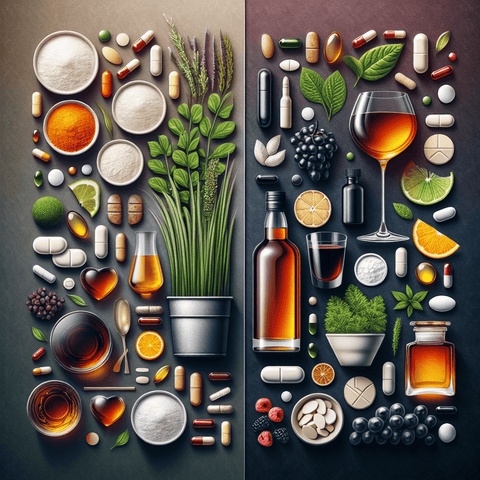
Understanding Alcohol and Vitamin InteractionsCombining vitamins and alcohol requires care because alcohol can change how your body absorbs and uses nutrients. Alcohol may deplete water-soluble vitamins such as B vitamins and vitamin C, while also interfering with the absorption of fat-soluble vitamins like A, D, E, and K. The liver, which processes both alcohol and many supplements, can become strained when both are consumed together. Understanding these basic interactions helps you make safer choices about when and how to take supplements if you drink alcohol.Supplements That Pose the Highest Risk with AlcoholCertain supplements are especially risky when mixed with alcohol. High-dose vitamin A combined with alcohol may increase liver strain. Sedative herbs and supplements, including kava, valerian root, melatonin, GABA, and St. John’s wort, can dangerously amplify alcohol’s depressant effects, leading to excessive drowsiness or impaired coordination. Even liver-support products like milk thistle or NAC are best taken away from alcohol because the liver is already working to metabolize alcohol.Practical Guidelines for Safer Supplement UseTo reduce risks, separate your supplement doses from alcohol by at least 4–6 hours. Avoid combining alcohol with any sedative supplement entirely. Always read product labels for interaction warnings, and pay attention to how your body responds—nausea, dizziness, flushing, or extreme fatigue are signs to stop and seek guidance. For personalized advice, especially if you have health conditions or take medications, consult a healthcare professional before mixing supplements with alcohol.