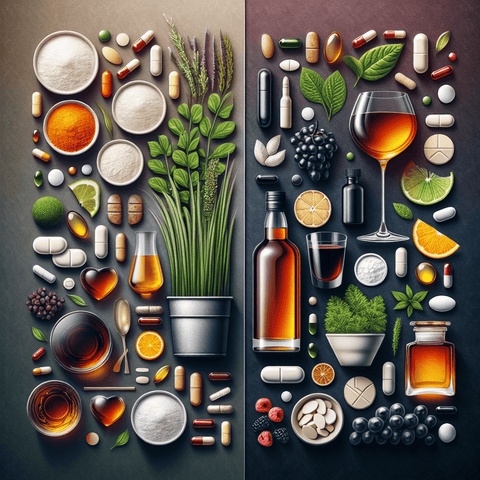
Alcohol consumption is a common part of social life for many, but its effect on the body is often more than just a 'night after' feeling. It has a significant and frequently underestimated impact on nutrition. This guide explores how alcohol influences nutrient intake, absorption, and metabolism—revealing important truths that can affect your overall health and well-being. We will cover the physiological mechanisms, identify specific nutrients at risk, and provide practical, high-level considerations for making smarter dietary and lifestyle choices.
Understanding How Alcohol Disrupts Nutrition
The relationship between alcohol and nutrition is complex. Alcohol interferes with the body's ability to use the food you eat in several critical ways. Its effects begin in the digestive system and extend deep into cellular metabolism.
The Digestive Process and Absorption
Alcohol disrupts the digestive process from the start. It interferes with gastric function and the secretion of digestive enzymes from the pancreas, which are essential for breaking down food. More importantly, excessive alcohol intake can compromise the integrity of the gut lining. A healthy gut lining is selective about what it absorbs, but alcohol can make it 'leaky', leading to chronic inflammation and the poor absorption of essential nutrients, particularly vitamins and minerals.
Liver Metabolism and Nutrient Activation
The liver is the body's primary processing center, and alcohol significantly alters its function. When alcohol is present, the liver prioritizes its metabolism over other vital tasks, including the activation and processing of nutrients. This can interfere with the body's ability to utilize B vitamins, particularly thiamin and folate, which are crucial for energy and red blood cell production. Chronic alcohol use also impairs the liver's ability to store and activate fat-soluble vitamins (A, D, E, K) and can disrupt iron regulation.
The Caloric Conundrum of Alcohol
Alcohol is often described as providing 'empty calories'—energy without nutritional value. A single gram of alcohol provides about 7 calories. Beyond its own caloric load, alcohol can alter appetite and satiety signals, often leading to overeating or poor food choices. It can also affect glucose regulation, shifting the body's energy priorities toward metabolizing alcohol and away from other essential functions.
Key Nutrients Depleted by Alcohol Consumption
One of the most practical concerns regarding alcohol's impact on nutrition is its potential to deplete specific nutrients. Here is a list of nutrients most often affected:
- B Vitamins: Including thiamin (B1), riboflavin (B2), niacin (B3), pyridoxine (B6), folate (B9), and cobalamin (B12). These are vital for energy production, brain function, and red blood cell formation.
- Minerals: Such as magnesium, zinc, calcium, and potassium. These are crucial for muscle function, nerve signaling, bone health, and immune support.
- Fat-Soluble Vitamins: Including vitamins A, D, E, and K. These are essential for vision, immune function, antioxidant protection, and bone health.
Chronic deficiencies in these nutrients can manifest as persistent fatigue, mood changes, cognitive difficulties, and digestive irregularities. For instance, chronic alcohol use is a known cause of anemia due to impaired iron and folate absorption.
Daily Impact on Energy, Immunity, and Long-Term Health
The impact of alcohol on nutrition is not a passive event; it actively works against your health goals, affecting everything from daily energy to long-term wellness.
Performance, Energy, and Recovery
The effects of alcohol on nutrient status can directly translate into lower everyday energy levels, mental fog, and suboptimal workout recovery. Poor micronutrient status can hinder the body's ability to repair muscle tissue and maintain a balanced mood, impacting both productivity and an active lifestyle.
Immune Function and Related Risks
A robust immune system is heavily reliant on a steady supply of micronutrients. Deficiencies induced by alcohol—particularly in zinc, vitamin C, B6, and folate—can weaken the immune response, making the body more susceptible to infections and slowing recovery times.
Long-Term Considerations
Chronic alcohol consumption is associated with various long-term health issues, many of which are linked to nutritional deficiencies. These include compromised bone health due to poor calcium and vitamin D absorption, reduced cognitive function, and an increased risk of chronic inflammation and disease. Understanding these connections underscores why addressing nutrition is a critical part of any conversation about alcohol.
Why Symptoms Alone Are Not Enough
Many of the symptoms associated with alcohol-related nutritional issues—such as fatigue, bloating, and skin problems—overlap significantly with other health conditions. This makes it difficult to attribute them solely to diet or alcohol.
The Need for a Broader Diagnostic Picture
Relying on symptoms alone will not provide a complete answer. A healthcare provider can use a combination of dietary history, medical history, and objective lab tests to assess nutritional status. Indicators such as ferritin, mean corpuscular volume (MCV), liver enzymes (ALT/AST), and specific vitamin and mineral levels can offer accurate insights that self-assessment cannot. It is a reminder that a professional evaluation is key to uncovering the root cause of persistent issues.
The Role of Supplements and Diet in Supporting Health
While alcohol can create nutritional gaps, these can be addressed with intentional dietary and lifestyle choices. Supplements can play a supportive role, but they are not a silver bullet.
Food First: A Nutrient-Dense Foundation
The foundation for mitigating alcohol's impact is a nutrient-dense diet rich in whole foods, proteins, fiber, and healthy fats. Prioritizing foods high in the specific nutrients alcohol depletes—like leafy greens (magnesium, folate), lean meats (B vitamins, zinc), and dairy or fortified foods (calcium, vitamin D)—is the most natural and effective strategy. Staying well-hydrated and moderating intake are also central to overall health.
Supplement Support: Filling the Gaps
In cases of documented deficiencies or high-risk dietary patterns, targeted supplements may be beneficial. A foundational approach often includes a high-quality multivitamin to cover general gaps, along with specific nutrients like magnesium or B-complex vitamins. These should always complement a balanced diet, not replace it, and are best used under professional guidance.
Choosing Supplements Wisely
Not all supplements are created equal. When considering any product, look for those that have undergone third-party testing and feature transparent ingredient lists. Avoid products with excessive fillers or unnecessary additives. Supplement quality and individual health conditions vary significantly, so consulting with a healthcare provider or registered dietitian is the best way to create a personalized and safe plan.
Individual Variability and Uncertainty
The impact of alcohol on nutrition is not the same for everyone. Several factors influence how an individual's body processes alcohol and nutrients.
Genetic and Lifestyle Factors
Genetic variations, such as differences in the aldehyde dehydrogenase gene, can affect how efficiently you metabolize alcohol and absorb nutrients. Additionally, sex, age, body composition, pre-existing health conditions, and concurrent medications all influence this interaction. Drinking patterns—whether it's daily moderate drinking or occasional binge drinking—also have vastly different effects on nutritional status. While research has highlighted strong associations, the nuances of these relationships require ongoing investigation, reminding us that personalized approaches are always preferable to one-size-fits-all advice.
Key Insights for a Healthier Approach
- Alcohol consumption affects nutrient absorption and metabolism at multiple levels.
- Common nutrient deficiencies associated with alcohol include B vitamins, magnesium, zinc, and fat-soluble vitamins.
- Symptoms of nutritional deficiencies can overlap with many other health conditions.
- Professional guidance is key in managing dietary deficiencies linked to alcohol use.
- Nutritional supplements can aid where deficiencies are documented but should complement a balanced diet.
- Individual variability complicates the understanding of alcohol's nutritional impact.
Exploring Related Topics on Topvitamine.com
Understanding your health is a journey. To help you navigate, Topvitamine.com offers a range of educational resources on nutrients often impacted by lifestyle choices, such as vitamin B or mineral supplements. Always remember that moderation is key, and regular consultations with healthcare providers are fundamental for a well-rounded strategy focused on long-term health.