
Anemia symptoms can show up in everyday life in subtle ways. This page focuses on seven early signs you shouldn’t ignore, what they might mean, and when it’s important to seek care. By understanding anemia symptoms, you can stay informed and act promptly if changes in how you feel occur. The seven early signs to watch for are extreme fatigue or weakness; pale or yellowish skin; shortness of breath with normal activity or after light exertion; dizziness or lightheadedness; rapid or irregular heartbeat (palpitations); cold hands and feet; and headaches or trouble concentrating. If you notice several of these anemia symptoms together or they persist over time, it’s a signal to connect with a healthcare professional for an closer look. What these anemia symptoms can indicate varies, and only a clinician can determine the underlying cause through history, examination, and appropriate testing. If new or worsening, especially when symptoms affect your daily activities, seek an evaluation to help clarify what’s driving them and to discuss next steps. Recognizing anemia symptoms early can help ensure you receive timely guidance and appropriate care. To stay engaged with your health, keep a simple record of how you’ve been feeling and bring any concerns to your next appointment. Regular checkups, questions for your healthcare provider, and open discussion about changes in your energy, skin, or level of focus can help you monitor your situation. By staying informed about anemia symptoms and maintaining ongoing communication with your clinician, you can support your overall well-being.
Anemia Symptoms: 7 Early Signs You Shouldn't Ignore

Vitamin B12 supports neurological health, energy metabolism, DNA synthesis, and red blood cell formation, but vitamin B12 deficiency can develop gradually and cause fatigue, cognitive changes, tingling, numbness, and anemia symptoms. Risk increases with a plant-based diet lacking reliable vegan B12 sources, older age, metformin or acid-suppressing medication use, gastrointestinal disorders, and impaired intrinsic factor. B12 absorption issues may occur even with adequate dietary intake, making testing important. Serum B12, methylmalonic acid, homocysteine, and complete blood counts can clarify status. B12 supplements may help address dietary gaps or absorption challenges when selected and monitored with professional guidance.

Vitamin B12 deficiency is a frequently overlooked cause of muscle pain, weakness, cramps, fatigue, and nerve-related symptoms such as tingling, numbness, and poor balance. Methylcobalamin deficiency can disrupt nerve signaling and the nerve-muscle connection, while megaloblastic anemia may reduce oxygen delivery and worsen muscle discomfort. Intrinsic factor is essential for proper Vitamin B12 absorption, and problems such as pernicious anemia can lead to persistent deficiency despite adequate dietary intake. Supporting nerve health with magnesium, vitamin B6, omega-3 fatty acids, and neurological support supplements may aid recovery. Testing and professional guidance are recommended before high-dose, sublingual, or injectable B12 treatment.
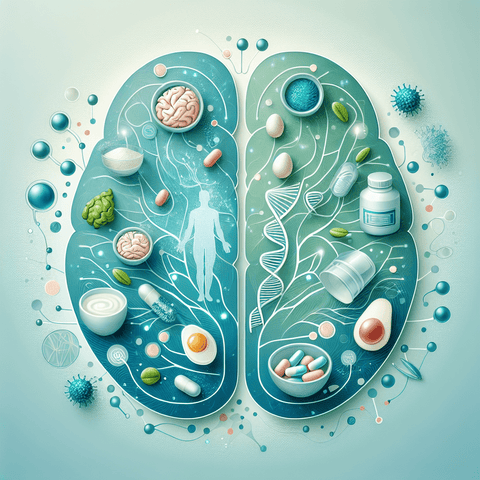
Vitamin B12 deficiency can cause anemia symptoms such as fatigue, weakness, dizziness, pallor, and shortness of breath, while also contributing to neurological issues including tingling, balance problems, muscle weakness, and peripheral neuropathy. If untreated, nerve damage risks may include spinal cord injury, paralysis, or irreversible impairment. Deficiency can also trigger metabolic disturbances, including elevated homocysteine, reduced energy production, and increased cardiovascular risk. Evidence links low B12 levels with memory problems, mood changes, and cognitive decline. B12 supplementation, particularly methylcobalamin supplements, can help restore healthy blood cells, support nerve function, and reduce complications, especially among older adults, vegans, vegetarians, and people with absorption disorders.