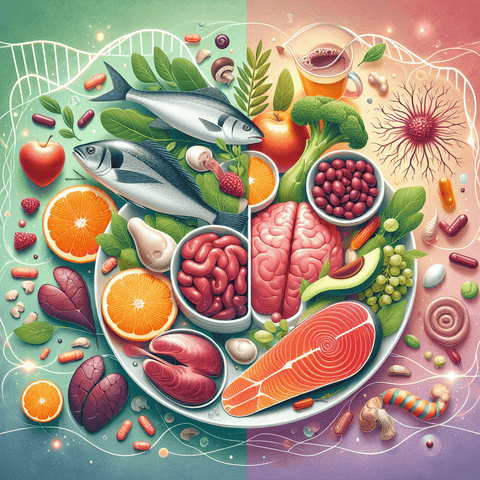
Animal-based sources are foods and ingredients derived from animals. They include everyday items such as meat, poultry, fish, seafood, eggs and dairy, as well as ingredients like honey, gelatin and bone broth. These foods are a major source of protein in many diets and also provide a range of vitamins and minerals. This page is a topical hub that brings together our broad coverage of animal-based sources, helping you understand the main categories, key nutrients and practical considerations before exploring more specific articles.
What are animal-based sources?
The term animal-based sources describes any food or ingredient that comes from an animal. This includes:
- Meat from mammals, such as beef, pork and lamb
- Poultry, such as chicken and turkey
- Fish and seafood, including both oily and white fish, shellfish and molluscs
- Eggs
- Dairy products such as milk, yoghurt and cheese
- Other animal-derived ingredients, including honey, gelatin and bone broth
These foods differ from plant-based sources, which come from plants such as legumes, grains, nuts, seeds and vegetables. Many people include both animal-based and plant-based foods in their diets, and the balance between them varies by culture, personal preference and nutritional needs.
Main categories of animal-based sources
Animal-based sources can be grouped into several broad categories. Each has a different nutritional profile and practical role in the diet.
Meat and poultry
Meat and poultry are often rich in protein, vitamin B12, iron and zinc. Red meat tends to contain more iron and vitamin B12, while poultry is often lower in saturated fat depending on the cut and preparation. Both can be part of a varied diet, and cooking methods can influence their overall nutritional profile.
Fish and seafood
Fish and seafood provide high-quality protein and are notable for omega-3 fatty acids, particularly oily fish such as salmon, mackerel and sardines. They also supply iodine, selenium and vitamin D in varying amounts. For many people, fish is a key dietary source of long-chain omega-3s, which are also available in supplement form.
Eggs
Eggs are a concentrated source of protein and contain a range of vitamins and minerals, including vitamin D, vitamin B12, selenium and choline. They are versatile in cooking and are used in many dietary patterns.
Dairy
Dairy products such as milk, yoghurt and cheese provide protein and are well-known sources of calcium. They also contribute vitamin B12, phosphorus and iodine. Lactose intolerance and other dietary considerations mean that some people choose plant-based alternatives or lactose-free options.
Other animal-derived ingredients
Honey, gelatin and bone broth are examples of other animal-derived ingredients. Honey is primarily a source of carbohydrates, while gelatin and bone broth are valued in some culinary traditions for their protein content, though their nutritional contribution varies.
Nutritional context and key nutrients
Animal-based sources are perhaps best known for their protein content. Proteins from animal sources are often described as complete because they provide all nine essential amino acids in proportions that the body can use efficiently. This contrasts with many individual plant proteins, which may be lower in one or more essential amino acids, though a varied plant-based diet can still meet protein needs.
Beyond protein, animal-based foods contribute several micronutrients that are important for general health. These include:
- Vitamin B12, found almost exclusively in animal-based foods
- Heme iron, a form of iron that is more readily absorbed than non-heme iron from plant sources
- Zinc, which is present in meat and dairy in forms that are relatively well absorbed
- Vitamin D, particularly in fatty fish and eggs
- Omega-3 fatty acids (EPA and DHA), mainly from oily fish
For readers interested in supplements, our amino acid supplements category covers individual amino acids, while our DHA and EPA omega-3 supplements category focuses on omega-3 fatty acids. These pages provide general information and are not a substitute for personalised advice.
Practical considerations when choosing animal-based sources
When comparing animal-based sources, a few practical factors can help you make informed choices. These include:
- Protein content per serving, which varies by type and cut
- Fat composition, including the balance of saturated and unsaturated fats
- Sourcing and production methods, such as grass-fed, organic or wild-caught where applicable
- Processing and preparation, which can affect nutrient retention and overall health impact
- Personal dietary preferences, cultural habits and any medical conditions
Animal-based and plant-based sources are not mutually exclusive. Many eating patterns combine both in varying proportions, and a balanced approach often emphasises variety, moderation and overall diet quality rather than focusing on a single food or nutrient.
Exploring related nutrients and supplements
Some nutrients commonly associated with animal-based foods are also available in supplement form. These include amino acids, omega-3 fatty acids, vitamin D and vitamin B12. Supplements can be useful for some people, but they are not a replacement for a varied diet, and it is important to consider individual needs and consult a healthcare professional if unsure.
Our vitamin D benefits, sources and safety category provides broader information on vitamin D, a nutrient found in some animal-based foods and also available as a supplement. For a wider range of options, you can browse our natural supplements collection.
Frequently asked questions about animal-based sources
What are 5 examples of animal sources?
Five common examples of animal sources are: beef, chicken, salmon, eggs and milk. These represent different categories: red meat, poultry, fish, eggs and dairy.
What are some examples of animal-based food sources?
Animal-based food sources include meat (beef, pork, lamb), poultry (chicken, turkey), fish and seafood (salmon, tuna, shrimp), eggs, dairy (milk, yoghurt, cheese) and animal-derived ingredients such as honey and gelatin.
What are some examples of animal-based protein sources?
Animal-based protein sources include meat, poultry, fish, eggs, dairy products, and ingredients like gelatin and bone broth. These foods provide complete protein, meaning they contain all essential amino acids.
How do animal-based sources compare to plant-based sources?
Animal-based sources generally provide complete proteins and are rich in certain nutrients such as vitamin B12, heme iron and omega-3 fatty acids. Plant-based sources can also be nutritious and may offer fibre and phytonutrients. Many healthy eating patterns include both, and the best balance depends on individual needs and preferences.