Antioxidants are compounds that help protect your cells from damage caused by free radicals—unstable molecules that can accumulate in the body due to normal metabolism, stress, pollution, and other environmental factors. When free radicals outnumber antioxidants, a state called oxidative stress occurs, which has been linked to a wide range of health concerns. This guide offers a comprehensive overview of antioxidant benefits, how they work, where to find them, and how to decide whether supplementation is right for you.
What Are Antioxidants?
Antioxidants are molecules that neutralize free radicals by donating an electron, preventing them from causing cellular damage. This process helps maintain the body's redox balance—a state where oxidants and antioxidants are in equilibrium. Without sufficient antioxidants, oxidative stress can accumulate and contribute to cellular aging and dysfunction.
Your body produces some antioxidants naturally, such as glutathione, superoxide dismutase, and catalase. However, diet and lifestyle choices also play a critical role in maintaining adequate antioxidant levels.
Types and Classification
Antioxidants can be broadly classified into two categories: endogenous (produced by the body) and exogenous (obtained from external sources like food and supplements). Exogenous antioxidants include essential vitamins, minerals, and plant compounds that the body cannot synthesize on its own.
- Vitamins: Vitamin C, vitamin E, and vitamin A (beta-carotene) are among the most well-known antioxidant nutrients.
- Minerals: Selenium, zinc, and copper act as cofactors for antioxidant enzymes.
- Phytochemicals: Polyphenols, flavonoids, and carotenoids are plant-based antioxidants with diverse health-supporting properties.
How Antioxidants Support Health
By reducing oxidative stress, antioxidants help support numerous bodily functions. While research is ongoing, consistent evidence points to several key areas where these compounds contribute to overall well-being.
Energy, Recovery, and Physical Performance
Oxidative stress increases during physical activity, particularly intense exercise. Antioxidants may help reduce exercise-induced muscle damage, support recovery, and maintain energy levels by protecting mitochondria—the energy-producing structures in cells.
Aging and Longevity
Oxidative stress is a major contributor to the aging process. By defending cells against free radical damage, antioxidants may help support healthy aging and reduce the risk of age-related conditions, including cardiovascular and neurodegenerative concerns.
Immune Function and Resilience
A well-functioning immune system depends on adequate antioxidant status. Certain antioxidants, particularly vitamin C and zinc, play important roles in supporting immune cell function and maintaining the body's natural defenses.
Skin, Brain, and Metabolic Health
Antioxidants contribute to skin health by protecting against environmental damage, support cognitive function by shielding neural tissues from oxidative stress, and help maintain healthy metabolic processes throughout the body.
Dietary Sources of Antioxidants
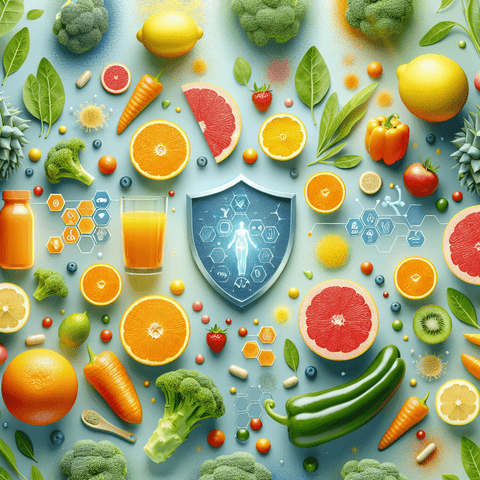
A varied, plant-rich diet is the most reliable way to obtain a wide spectrum of antioxidants. Whole foods provide antioxidants in combination with fiber, vitamins, and other beneficial compounds that work together synergistically.
- Fruits: Berries (blueberries, strawberries), citrus fruits, kiwi, and grapes are especially rich in vitamin C and polyphenols.
- Vegetables: Leafy greens, broccoli, carrots, and bell peppers provide carotenoids and various flavonoids.
- Nuts and seeds: Almonds, walnuts, and sunflower seeds offer vitamin E and selenium.
- Legumes and whole grains: Beans, lentils, and oats contain a range of antioxidant compounds.
- Herbs and spices: Turmeric, ginger, cinnamon, and oregano are concentrated sources of beneficial antioxidants.
Signs That Oxidative Stress May Be Elevated
While oxidative stress is an invisible process, certain symptoms and lifestyle factors may indicate an increased need for antioxidant support. These signals should be considered holistically, as they can also arise from other health conditions.
- Persistent fatigue or prolonged recovery from exercise
- Frequent infections or a sluggish immune response
- Noticeable signs of premature skin aging or dull complexion
- Difficulty concentrating or mental fog
- Increased muscle soreness or joint discomfort after physical activity
Remember that these signals are non-specific. Rather than self-diagnosing, use them as a prompt to review your diet, lifestyle, and overall health with a qualified professional.
Understanding Individual Variability
People respond to antioxidants differently. Several factors influence how well your body absorbs, utilizes, and benefits from these compounds.
- Genetics: Variations in genes controlling antioxidant enzymes can impact your natural defense capacity.
- Diet quality: The overall nutritional quality of your diet affects how well antioxidants are absorbed and metabolized.
- Gut health: Your microbiome plays a role in breaking down and activating certain antioxidant compounds.
- Lifestyle factors: Stress, smoking, alcohol intake, and exercise habits all influence oxidative burden.
- Age and life stage: Antioxidant needs may change with age, pregnancy, or during periods of high physical demand.
Antioxidant Supplements: What to Consider
While food should always be the foundation, supplements can play a useful role in specific situations—such as when dietary intake is inadequate, oxidative stress is high, or certain health conditions increase nutrient needs.
Common Supplement Forms
- Vitamin C: A water-soluble antioxidant that supports immune function and collagen production.
- Vitamin E: A fat-soluble antioxidant that protects cell membranes from oxidative damage.
- Selenium and Zinc: Trace minerals that serve as cofactors for antioxidant enzymes.
- CoQ10 and Alpha-Lipoic Acid: Compounds that support mitochondrial function and cellular energy production.
- Polyphenol Blends: Concentrated extracts from green tea, grape seed, turmeric, or other plants.
For those looking to build a broader nutrient foundation, a high-quality multivitamin or a curated mineral supplement guide may help cover baseline needs.
Evaluating Quality and Safety
Not all supplements are created equal. When selecting an antioxidant supplement, consider factors such as third-party testing, ingredient transparency, bioavailability, and the presence of unnecessary fillers. Always follow recommended dosages and be aware of potential interactions with medications or existing health conditions.
It's also important to recognize that more is not always better. Very high doses of certain antioxidants may cause adverse effects or interfere with the body's natural processes. A balanced approach is recommended.
Practical Guidance for Supplementation
Before starting any supplement regimen, it's wise to consult with a healthcare provider, especially if you have underlying health conditions or take medications. Nutrient testing can provide valuable insights into your individual status and help guide personalized decisions.
If you're interested in exploring antioxidant-focused products, vitamin C supplements and vitamin E supplements are common starting points for supporting antioxidant defenses.
Making Informed Choices
Ultimately, supporting your antioxidant status is about balance. Prioritize a nutrient-dense diet with a colorful variety of plant foods. Use supplements strategically to fill gaps rather than replace healthy eating. And remember that lifestyle factors—including sleep, stress management, and regular physical activity—also play a significant role in managing oxidative stress.
For further guidance, explore more in-depth articles and product resources on this topic to find the support that best aligns with your individual health goals.