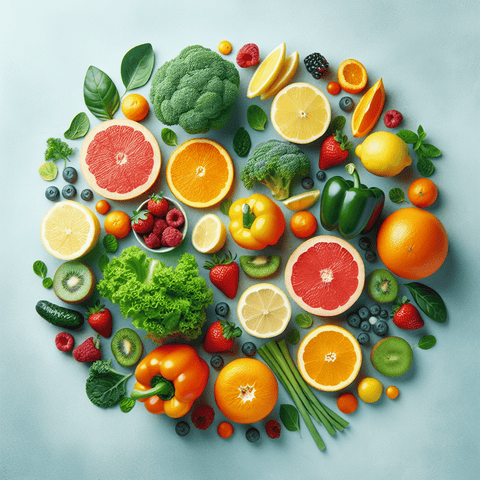
Antioxidant foods are foods that naturally contain compounds—such as vitamin C, vitamin E, selenium, zinc, carotenoids, and polyphenols—that help protect cells from oxidative damage. They matter because oxidative stress is linked to aging and many chronic health conditions, yet the strongest evidence still points to whole foods and overall dietary patterns rather than isolated pills. This guide explains what antioxidants do, which foods are worth prioritizing, how needs vary between people, and when supplementation may or may not be useful. It also covers safety, label reading, and practical ways to build a more antioxidant-rich diet without relying on guesswork.
What Are Antioxidant Foods and Why Do They Matter?
Antioxidant foods are not a single nutrient category. They are foods that supply a mixture of vitamins, minerals, carotenoids, polyphenols, flavonoids, and other bioactive compounds. These compounds interact with one another and with the food matrix, which is one reason nutrition research often distinguishes between antioxidant-rich foods and isolated antioxidant supplements.
What Are Free Radicals and Oxidative Stress?
Free radicals are unstable molecules that contain an unpaired electron. They are produced during normal metabolism, immune activity, and exercise, and they can also be generated by ultraviolet light, air pollution, smoking, and other environmental exposures. When free-radical production exceeds the body’s antioxidant defenses, the resulting imbalance is called oxidative stress. This is not automatically a disease state; oxidative signalling is part of normal physiology. The concern is chronic, excessive oxidative stress.
How Antioxidants Protect Your Cells
Antioxidants help neutralize free radicals or support the body’s own antioxidant enzymes. Some, such as vitamin C, can regenerate other antioxidants; others, such as vitamin E, are especially relevant in cell membranes. Minerals including selenium and zinc support antioxidant enzyme systems. Polyphenols from plant foods may also influence cell signalling and inflammation, although these effects are complex and not fully understood.
The Difference Between Antioxidants in Food vs. Supplements
Whole foods deliver antioxidants in combinations and doses that are difficult to replicate in a capsule. Fruits, vegetables, nuts, seeds, and whole grains also provide fibre, potassium, healthy fats, and other nutrients that contribute to health independently. Supplements can be useful when a specific nutrient gap exists, but isolated high-dose antioxidants have not consistently reproduced the health associations seen with antioxidant-rich diets.
Why Antioxidants Are Essential for Your Health
Antioxidants are essential in the sense that the body requires them for normal cellular function. The broader health benefits, however, are best supported by dietary patterns rich in plant foods rather than by the idea that “more antioxidants” is always better.
The Role of Antioxidants in Immune Support
Vitamin C, vitamin E, zinc, and selenium contribute to the normal functioning of the immune system. A varied diet that includes citrus fruit, peppers, nuts, seeds, whole grains, and legumes helps supply these nutrients. Severe deficiency can impair immune function, but taking large supplemental doses does not necessarily boost immunity beyond normal needs. For a closer look at vitamin C’s roles, see this guide to vitamin C benefits for immunity and antioxidant support.
How Antioxidants Support Skin Health and Aging
Skin is exposed to ultraviolet radiation and pollution, both of which can increase free-radical activity. Dietary antioxidants, including vitamin C, vitamin E, and carotenoids, contribute to normal skin maintenance and may help limit oxidative damage. They do not replace sunscreen, and supplement claims about reversing skin aging are generally stronger than the evidence. Food-based intake is the most reliable foundation.
The Connection Between Antioxidants and Chronic Disease Risk
Observational research has repeatedly associated higher intakes of fruits and vegetables with lower risks of several chronic diseases. That does not prove that antioxidant supplements prevent disease. Clinical trials of isolated antioxidants have produced mixed or disappointing results, and some high-dose supplements have caused harm in specific groups. The most defensible conclusion is that antioxidant-rich dietary patterns are beneficial, while isolated antioxidant supplementation is not a proven disease-prevention strategy.
Common Signs You May Not Be Getting Enough Antioxidants
There is no single “antioxidant deficiency” that produces a predictable set of symptoms. The body uses many different nutrients and enzyme systems, and tiredness, infections, or skin changes can have many causes. Symptoms alone cannot establish nutritional status.
Fatigue and Low Energy Levels
Fatigue is common and non-specific. It may occur with poor overall diet quality, low iron status, insufficient sleep, illness, stress, or many other factors. It should not be interpreted as proof of low antioxidant intake. A persistently low-energy pattern deserves a broader nutritional and medical review rather than automatic supplementation.
Frequent Illness or Slow Recovery
Recurrent infections can reflect stress, sleep debt, medical conditions, or nutrient shortfalls such as inadequate vitamin C, zinc, or vitamin D. Antioxidants support normal immune function, but frequent illness is not a reliable sign of “low antioxidants.” Persistent or unusual infections should be assessed by a healthcare professional.
Visible Signs of Oxidative Stress on Skin
Skin aging, dullness, and uneven tone are influenced by genetics, sun exposure, smoking, sleep, and hydration. Oxidative stress is one contributor, but visible skin changes are not a diagnostic test. A diet rich in colourful plant foods supports skin nutrition, yet it should complement sun protection and overall skincare rather than replace them.
When to Consider Testing or a Professional Assessment
Testing is more useful for specific nutrients than for “antioxidants” as a broad category. Blood tests can assess vitamin C, vitamin E, selenium, zinc, or vitamin D status when deficiency is suspected. A dietitian or clinician can review dietary intake, medical history, medications, and symptoms together. This is especially relevant before high-dose supplementation or when symptoms are persistent.
What Causes High Oxidative Stress?
Oxidative stress reflects the balance between free-radical exposure and antioxidant capacity. Several everyday factors can push that balance in the wrong direction.
The Impact of Diet and Ultra-Processed Foods
Diets low in fruits, vegetables, nuts, seeds, and whole grains tend to provide fewer antioxidant nutrients and polyphenols. High intakes of ultra-processed foods may crowd out these protective foods and contribute to poorer metabolic health. The practical issue is usually dietary pattern quality, not a single “bad” ingredient.
Lifestyle Factors That Increase Free Radical Production
Smoking, excessive alcohol intake, intense endurance exercise, poor sleep, and chronic psychological stress can increase oxidative burden or reduce antioxidant defenses. Regular moderate activity is beneficial, but very heavy training can temporarily increase oxidative stress and nutrient demands.
Environmental and Age-Related Contributors
Air pollution, ultraviolet radiation, occupational exposures, and some medications can increase free-radical activity. Aging is also associated with changes in antioxidant capacity and nutrient absorption. These factors do not mean that everyone needs a supplement; they mean that diet quality and protective lifestyle habits deserve attention.
How Your Antioxidant Needs Vary by Individual
There is no single antioxidant requirement that applies to everyone. Needs and responses vary with diet, health status, environment, and lifestyle.
Age, Activity Level, and Lifestyle Factors
Older adults may have lower intakes or reduced absorption of several nutrients. Athletes and highly active people may have higher energy and nutrient needs, although antioxidant supplements are not routinely required for performance. Smokers and people with high alcohol intake tend to have greater oxidative exposure and often poorer diet quality.
The Influence of Gut Health and Nutrient Absorption
Gastrointestinal conditions such as inflammatory bowel disease, coeliac disease, or previous bariatric surgery can impair nutrient absorption. Fat-soluble antioxidants such as vitamin E and carotenoids depend on normal fat digestion. Gut microbiota also influence polyphenol metabolism, which may partly explain individual differences in response.
Why Some People Have Higher Antioxidant Requirements
Pregnancy, illness, malabsorption, restrictive diets, and some medications can increase nutritional risk. Genetics may influence antioxidant enzyme activity and polyphenol metabolism. These factors are reasons to assess diet and specific nutrient status, not reasons to assume that a high-dose antioxidant supplement is appropriate.
The Best Dietary Sources of Antioxidants
Antioxidant foods are best chosen as part of an overall varied diet. Colour, freshness, and variety are practical guides, and no single “superfood” needs to dominate.
Top Fruits for Antioxidant Power
Berries, citrus fruit, pomegranate, grapes, apples, cherries, and plums provide vitamin C, polyphenols, and carotenoids. Frozen berries and fruit are nutritionally useful and often more affordable than fresh. Fruit juice is less favourable because it can lack fibre and be easy to overconsume.
Vegetables with the Highest Antioxidant Content
Leafy greens, broccoli, peppers, tomatoes, carrots, beetroot, onions, and cabbage family vegetables contribute vitamin C, carotenoids, and polyphenols. Darker and more colourful vegetables generally provide a broader mixture of plant compounds. Raw and cooked vegetables both have a place.
Nuts, Seeds, and Whole Grains Worth Including
Nuts and seeds supply vitamin E, selenium, zinc, and polyphenols. Whole grains, legumes, and oats contribute fibre and phytochemicals. Because nuts are energy-dense, portion awareness matters, but they are a valuable part of many dietary patterns. For broader examples, see this superfoods guide to nutrient-dense foods.
Beverages Rich in Antioxidants
Green tea, black tea, coffee, and cocoa contain polyphenols. Coffee and tea can contribute meaningfully to total polyphenol intake in some populations. The overall beverage matters: unsweetened tea and coffee are preferable to sugary drinks, and alcohol should not be recommended as an antioxidant source.
Herbs and Spices That Pack an Antioxidant Punch
Turmeric, ginger, cinnamon, oregano, rosemary, cloves, and other spices contain concentrated polyphenols. The amounts used in cooking are usually small, so spices complement rather than replace fruits and vegetables. Their culinary role is valuable even when their antioxidant effect is modest.
Practical Ways to Boost Antioxidant Intake Through Diet
Improving antioxidant intake does not require a complete diet overhaul. Small, repeatable changes are more sustainable than short-lived “detox” approaches.
The Importance of Color Variety on Your Plate
Different colours often reflect different plant compounds: red and purple foods may be rich in anthocyanins, orange foods in carotenoids, and green foods in chlorophyll and flavonoids. Aiming for several colours across the day is a simple way to broaden intake without counting individual compounds.
Simple Swaps to Increase Daily Antioxidant Intake
Add berries to breakfast cereal or yoghurt, snack on nuts instead of biscuits, include a portion of vegetables at lunch, and use herbs and spices in cooking. Choosing whole fruit over juice and unsweetened tea over sugary drinks are practical improvements. Frozen vegetables and fruit can reduce waste and cost.
Cooking Methods That Preserve Antioxidant Content
Overcooking and prolonged boiling can reduce water-soluble vitamins such as vitamin C. Steaming, stir-frying, roasting, and adding cooking water to soups can help retain nutrients. Lycopene from tomatoes and some carotenoids are better absorbed from cooked foods with a little fat, so both raw and cooked vegetables have advantages.
Antioxidant Supplements: What Research Actually Shows
Antioxidant supplements are popular, but the evidence is more cautious than marketing suggests. The body regulates antioxidant activity, and taking more of a single compound does not automatically improve health.
How Whole-Food Antioxidants Compare to Isolated Compounds
Whole foods provide mixtures of nutrients and bioactive compounds that may act synergistically. Isolated supplements deliver a specific dose of one compound, often far above typical dietary intake. Research on isolated antioxidants has not consistently matched the health associations seen with fruit- and vegetable-rich diets.
Which Antioxidant Supplements Have the Best Evidence?
Evidence is strongest for correcting specific deficiencies, such as vitamin C in scurvy or vitamin E in severe deficiency, rather than for general “antioxidant boosting.” Vitamin C and vitamin E are established nutrients with defined roles, while polyphenol supplements such as curcumin vary widely in formulation and absorption. For vitamin E’s role in cell protection, see this overview of vitamin E and antioxidant cell health. For many other antioxidant supplements, evidence remains limited or mixed.
The Potential Risks of High-Dose Antioxidant Supplements
High doses can cause problems. Beta-carotene supplements have been associated with increased lung cancer risk in smokers, and high-dose vitamin E has been linked to adverse outcomes in some trials. Selenium excess can cause toxicity, and large vitamin C doses can cause gastrointestinal upset. More is not better, especially without a clear reason.
When Might an Antioxidant Supplement Be Useful?
Supplements are most reasonable when they address a specific, identified nutritional gap rather than a vague desire to “fight free radicals.”
Situations Where Dietary Intake Often Falls Short
People with very low fruit and vegetable intake, restrictive diets, food insecurity, or limited food variety may benefit from a multivitamin or targeted supplement after assessment. Pregnancy, older age, and some medical conditions increase nutritional risk. A supplement should complement, not replace, efforts to improve diet quality.
Lifestyle Circumstances That Increase Antioxidant Demand
Smoking, heavy alcohol use, intense training, and high pollution exposure can increase oxidative burden. However, these circumstances do not automatically justify high-dose antioxidant supplements. Stopping smoking and reducing alcohol are far more important than adding an antioxidant pill.
How to Address Deficiencies Without Guessing
Deficiencies should be identified through diet assessment, medical history, and targeted testing when appropriate. A clinician or dietitian can confirm whether a specific nutrient gap exists and recommend a suitable dose. Blindly taking several antioxidant products increases the risk of duplication, excess, and interactions. If supplement options are being considered, this selection of antioxidant supplement products can be reviewed alongside professional advice.
How to Choose an Antioxidant Supplement That Fits Your Needs
If a supplement is appropriate, product quality and suitability matter more than bold antioxidant claims. Choose according to the specific nutrient or purpose identified.
Whole-Food Blends vs. Single Isolated Nutrients
Whole-food blends may provide a broader mix of compounds, but doses are often low and evidence for proprietary blends is limited. Single nutrients are easier to dose and verify but carry more risk of excess if used unnecessarily. Neither category is automatically superior.
Key Bioavailability Factors to Consider
Bioavailability depends on the nutrient form, food intake, digestive health, and interactions. Fat-soluble nutrients such as vitamin E are better absorbed with a meal containing some fat. Some polyphenol supplements use enhanced formulations to improve absorption, but clinical relevance may still be uncertain.
Ingredient Quality and Third-Party Testing
Look for clear ingredient lists, meaningful amounts per serving, and evidence of quality control. Third-party testing can support purity and label accuracy, though it does not prove health benefits. Reputable manufacturing and transparent sourcing are useful trust signals.
Capsules, Powders, or Liquids: Which Is Right for You?
Delivery format mainly affects convenience, dose flexibility, and tolerability. Capsules and tablets are simple and portable; powders can be mixed into foods or drinks; liquids may suit people who cannot swallow pills. Choose a format you will use consistently and that provides the dose you actually need.
How to Read an Antioxidant Supplement Label
Labels can be misleading if you only read front-of-pack claims. The supplement facts panel and ingredient list provide the useful details.
Understanding Nutrient Forms and Their Significance
Different forms can differ in absorption or tolerability. For example, vitamin E exists in natural and synthetic forms, and some mineral forms are better absorbed than others. The form is not the only issue; dose, evidence, and personal need still matter.
How to Evaluate Dosage and Concentration
Check the amount per serving rather than the total bottle size. Compare that amount with established dietary reference values and upper intake levels where available. Avoid products that blend many ingredients in small amounts simply to list them on the label, and be cautious with megadoses unless a professional has recommended them.
Spotting Added Ingredients, Fillers, and Allergens
Review excipients, sweeteners, flavourings, and allergens such as soy, gluten, or shellfish. Vegan and vegetarian suitability should be verified rather than assumed. If you take medications or have a medical condition, check the full label with a pharmacist or clinician.
Who May Benefit Most from Antioxidant Supplementation?
Supplementation is most defensible when diet or absorption is limited, and when the specific nutrient gap is understood.
Athletes and Active Individuals
Athletes often have higher energy and nutrient needs, but antioxidant supplements are not routinely necessary for performance. Heavy training can increase oxidative stress, yet high-dose antioxidant supplements may blunt some adaptive training responses. Food-first nutrition and adequate energy intake are priorities.
Older Adults and Those with Absorption Concerns
Older adults may have lower intakes of vitamin C, vitamin E, zinc, and selenium, and may absorb some nutrients less efficiently. Those with gastrointestinal disease or bariatric surgery may need targeted monitoring. A multivitamin or specific supplement may be appropriate after assessment.
People with Dietary Restrictions or Nutrient Gaps
Restrictive diets, allergies, food insecurity, and low overall food intake can increase the risk of nutrient shortfalls. In these situations, a tailored supplement plan is more sensible than a generic “antioxidant complex.” The goal is to close a demonstrated gap, not to chase an abstract antioxidant score.
Safety, Side Effects, and Interactions to Keep in Mind
Antioxidant supplements are not risk-free, particularly at high doses or when combined with medications.
The Problem with Excess Antioxidant Intake
Excessive intake of some nutrients can cause side effects or interfere with normal physiological processes. High-dose beta-carotene, vitamin E, and selenium have specific safety concerns. Upper intake levels exist for several nutrients and should not be exceeded without professional guidance. Food sources are generally much less likely to cause excess.
Potential Interactions with Medications
Antioxidant supplements can interact with chemotherapy, radiotherapy, anticoagulants, thyroid medication, and other treatments. Vitamin E and high-dose vitamin C may affect bleeding risk or medication absorption in some situations. Always disclose supplement use to your healthcare provider.
Special Considerations for Pregnancy and Medical Conditions
Pregnancy and breastfeeding increase nutrient needs, but high-dose antioxidant supplements should not be used without professional advice. Kidney disease, liver disease, cancer treatment, and autoimmune conditions may require extra caution. A prenatal supplement or targeted nutrient plan is usually more appropriate than a broad antioxidant product.
How to Decide Between Food and Supplements
The simplest decision rule is to improve diet first, then consider supplements only when a specific gap or increased need is plausible.
When Whole Foods Should Be Your Primary Strategy
For most healthy adults, a varied diet with fruits, vegetables, nuts, seeds, legumes, and whole grains provides an appropriate antioxidant foundation. Whole foods also support cardiovascular, metabolic, and gut health in ways that isolated supplements do not. Food should remain the primary strategy unless a clinician identifies a reason to supplement.
Signs That a Supplement May Be Reasonable
A supplement may be reasonable when dietary intake is consistently low, a restrictive diet limits nutrient variety, a medical condition impairs absorption, or a blood test confirms a specific deficiency. It may also be considered during pregnancy or older age if dietary intake is inadequate. These are situations for tailored advice, not universal recommendations.
Questions to Ask Before Adding a Supplement
Ask which specific nutrient or gap the product addresses, whether food could close that gap, what dose is supported by evidence, and whether the dose is safe alongside your medications. Check whether testing would give a clearer answer and whether the product has transparent quality information. If the answers are unclear, waiting and seeking advice is reasonable.
Final Takeaway: Building a Sustainable Antioxidant Strategy
Antioxidant foods support health through a combination of nutrients, fibre, and plant compounds that work together in the context of an overall diet. The strongest strategy is not a single “antioxidant booster” but a sustainable pattern rich in colourful fruits and vegetables, nuts, seeds, whole grains, legumes, tea, and herbs.
Prioritizing Food First, Then Supplements
Start with diet quality, then address specific gaps if they exist. Supplements can be useful for some people, but they are not a shortcut to disease prevention or a substitute for medical care. High-dose antioxidant supplements should be approached cautiously and preferably with professional guidance.
Key Factors for an Informed, Safe Choice
Consider your diet, lifestyle, health conditions, medications, and any relevant test results. Choose products with clear labels and credible quality control, and avoid unnecessary combinations or megadoses. The goal is adequate nutrition and a sensible safety margin, not maximum antioxidant intake.
Key Takeaways
- Antioxidant foods provide a mixture of vitamins, minerals, carotenoids, and polyphenols that support normal cellular protection.
- Oxidative stress reflects an imbalance between free-radical production and antioxidant defenses; it is not diagnosed from symptoms alone.
- Fruit- and vegetable-rich dietary patterns are consistently associated with better health outcomes than isolated antioxidant supplements.
- There is no single “antioxidant deficiency”; specific nutrient status such as vitamin C, vitamin E, or selenium can be assessed separately.
- Smoking, excessive alcohol, pollution, poor diet, and some medical conditions can increase oxidative burden.
- Whole foods are generally preferable because they supply antioxidants alongside fibre and other beneficial nutrients.
- High-dose antioxidant supplements can cause harm in some groups, including smokers and people with certain medical conditions.
- Supplements are most reasonable when a specific dietary gap, increased need, or deficiency has been identified.
- Checking labels for dose, nutrient form, allergens, and third-party testing supports safer product selection.
- A sustainable antioxidant strategy prioritizes diet, lifestyle, and professional assessment when needed.
Frequently Asked Questions
What are antioxidant foods?
Antioxidant foods are foods that contain compounds capable of helping protect cells from oxidative damage. Examples include berries, citrus fruit, leafy greens, nuts, seeds, whole grains, tea, and spices. They are most useful as part of a varied diet rather than as isolated “superfoods.”
What are free radicals and oxidative stress?
Free radicals are unstable molecules produced during normal metabolism and by exposures such as pollution, smoking, and ultraviolet light. Oxidative stress occurs when free-radical activity exceeds the body’s antioxidant defenses. Some oxidative signalling is normal, but chronic excess may contribute to cell damage.
Which foods are highest in antioxidants?
Colourful plant foods are generally the best sources, including berries, pomegranate, citrus fruit, leafy greens, broccoli, peppers, tomatoes, nuts, seeds, and whole grains. Herbs, spices, tea, and coffee also contribute polyphenols. Variety matters more than relying on one food.
Do antioxidant supplements work?
Evidence is mixed and often less impressive than the health associations seen with antioxidant-rich diets. Supplements can correct specific deficiencies, but isolated high-dose antioxidants have not consistently prevented disease. They are not a substitute for a varied diet or medical care.
Can you get too many antioxidants?
Yes, particularly from supplements. High-dose beta-carotene, vitamin E, and selenium have specific safety concerns, and excessive intake can cause side effects or interact with medications. Food sources are much less likely to cause problems.
Are antioxidant foods good for skin?
Dietary antioxidants such as vitamin C, vitamin E, and carotenoids contribute to normal skin maintenance and may help limit oxidative damage. They do not replace sunscreen or skincare, and supplement claims about reversing aging are generally not well supported.
Do antioxidant foods boost immunity?
Vitamin C, vitamin E, zinc, and selenium support normal immune function, and severe deficiency can impair immunity. However, taking large antioxidant doses does not necessarily enhance immunity beyond normal needs. A varied diet and adequate sleep remain foundational.
When should I consider an antioxidant supplement?
Consider a supplement only if a specific dietary gap, increased need, malabsorption problem, or confirmed deficiency exists. A clinician or dietitian can help decide whether testing is useful and which nutrient, dose, and form are appropriate.
Which antioxidant supplement is best?
There is no single best antioxidant supplement. The right choice depends on the identified need, such as vitamin C, vitamin E, selenium, or a broader multivitamin. Products with clear labels, appropriate doses, and credible quality testing are preferable to vague “antioxidant complexes.”
Do antioxidants interact with medications?
Some can. Vitamin E and high-dose vitamin C may affect bleeding risk or medication absorption in certain situations, and antioxidant supplements may interact with chemotherapy, radiotherapy, or thyroid medication. Always tell your healthcare provider about supplements you use.
How can I increase my antioxidant intake?
Add colourful fruits and vegetables to meals, snack on nuts or seeds, use herbs and spices, choose whole fruit over juice, and include unsweetened tea or coffee. Small daily swaps are more sustainable than short-term detoxes or extreme diets.
Is coffee or green tea a good antioxidant source?
Coffee and tea contain polyphenols and can contribute to total antioxidant intake. Unsweetened versions are preferable to sugary drinks. They should complement water and a varied diet, not replace food sources of vitamins and minerals.
Related Keywords
- antioxidant foods
- foods high in antioxidants
- antioxidant-rich fruits
- antioxidant vegetables
- natural antioxidants
- dietary antioxidants
- free radicals and antioxidants
- oxidative stress diet
- polyphenol foods
- vitamin C foods
- vitamin E foods
- antioxidant supplements
- whole food antioxidants
- best antioxidant foods for skin
- how to increase antioxidants