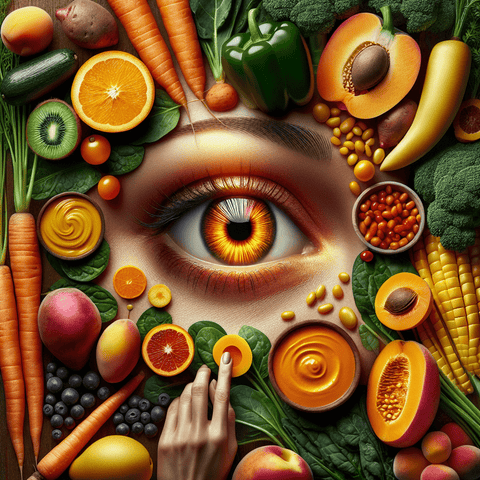
Antioxidant-rich foods are a cornerstone of a balanced diet, celebrated for their ability to help defend your cells against oxidative stress. This stress is caused by unstable molecules called free radicals, which are produced naturally during metabolism and through exposure to environmental factors like pollution. While your body has its own defense systems, the food you eat plays a critical role in maintaining that balance. This guide provides a comprehensive overview of antioxidants, the foods that contain them, and practical strategies for making them a regular part of your life.
What Are Antioxidants and How Do They Work?
Defining Antioxidants and Free Radicals
To understand why these foods matter, it's helpful to know the players involved. Free radicals are highly reactive molecules that can damage cellular structures like DNA and cell membranes in a process known as oxidative stress. Antioxidants act as a defense system, donating an electron to stabilize free radicals and prevent them from causing a chain reaction of damage. Your body naturally produces some antioxidants, but your diet is the primary source for many others.
Types of Antioxidants: Vitamins, Minerals, and Phytochemicals
Antioxidants are a diverse group of substances, each with unique functions. They can be broadly categorized into three groups:
- Vitamins: Such as vitamin C (found in citrus fruits and berries) and vitamin E (found in nuts and seeds), which directly neutralize free radicals.
- Minerals: Such as selenium, zinc, and copper, which act as cofactors for the body's own antioxidant enzyme systems.
- Phytochemicals: Plant-based compounds like flavonoids (in berries, tea, and dark chocolate), carotenoids (in carrots and leafy greens), and polyphenols (in spices and herbs).
Consuming a wide variety of these compounds through a colorful diet ensures you benefit from their different, synergistic effects.
Top Antioxidant-Rich Foods to Include in Your Diet
While all plant foods contain some antioxidants, certain sources are exceptionally concentrated. Incorporating a mix of these into your weekly meals is a powerful way to boost your intake.
Berries and Other Fruits
Berries like blueberries, strawberries, raspberries, and blackberries are renowned for their high antioxidant content, particularly anthocyanins—the pigments that give them their rich colors. Other fruits like goji berries, pomegranates, and prunes are also excellent choices. These are versatile and easy to add to breakfasts, snacks, or desserts.
Vegetables: Leafy Greens and More
Dark leafy greens like spinach and kale are rich in carotenoids like lutein and zeaxanthin, which are important for eye health. Other high-antioxidant vegetables include artichokes, beets, red cabbage, and broccoli. To maximize benefits, aim for a variety of colors on your plate, as each color often signals the presence of different antioxidant families.
Nuts, Seeds, and Legumes
Nuts and seeds, particularly walnuts and pecans, are packed with vitamin E and polyphenols. Legumes like kidney beans and black beans also provide significant antioxidant benefits, along with fiber and protein. A small handful of nuts makes for a great snack, while beans can be a hearty addition to soups and salads.
Spices, Herbs, and Beverages
Gram for gram, spices and herbs are the most concentrated source of antioxidants. Turmeric, cinnamon, oregano, and cloves are just a few examples. Everyday beverages like green tea and coffee are also major contributors to antioxidant intake in many diets. These are simple to incorporate into your daily cooking and routine. For a deeper dive into one of these key ingredients, you can explore the turmeric supplement collection.
Why Antioxidants Are Essential for Long-Term Health
The Link Between Oxidative Stress and Cellular Health
Oxidative stress is a fundamental process associated with cellular aging. Over time, accumulated damage from free radicals can contribute to the decline in function seen with age. Dietary antioxidants help buffer this process by neutralizing these harmful molecules, supporting the body's intrinsic defense systems and overall long-term health.
Supporting Heart, Brain, and Immune Function
The implications of oxidative stress are broad. For example, the oxidation of LDL cholesterol is a key step in the development of arterial plaque, making antioxidants important for heart health. The brain is also highly vulnerable to oxidative damage, and a diet rich in antioxidants has been linked in observational studies to slower cognitive decline. Furthermore, immune cells rely on antioxidants to function effectively and prevent self-inflicted damage during an immune response. Vitamin C is particularly relevant here, and you can explore more in the vitamin C collection.
Practical Ways to Increase Your Antioxidant Intake
Boosting your antioxidant intake doesn't require a radical diet overhaul. A few simple, daily habits can make a significant difference.
Dietary Strategies for Better Absorption
Many antioxidants are fat-soluble, meaning their absorption is significantly improved when consumed with healthy fats. For example, a salad with leafy greens and an olive-oil-based dressing will provide better absorption of carotenoids than the same salad without the dressing. Adding a source of fat like avocado, nuts, or a quality oil to your meals is a simple and effective strategy.
The Impact of Cooking Methods
How you prepare food can affect its antioxidant content. Boiling can cause water-soluble vitamins to leach into the water, while steaming tends to preserve them. Conversely, cooking can enhance the bioavailability of certain compounds, such as making the lycopene in tomatoes more accessible. As a general rule, gentle cooking methods like steaming or sautéing are preferable to prolonged high-heat processing.
The Power of Whole Foods and a Diverse Diet
The most effective strategy is to focus on a wide variety of whole foods. The complex mixture of antioxidants, fiber, and other nutrients found in whole foods works synergistically in ways that isolated compounds cannot replicate. This diversity is also important for your gut microbiome, which plays a significant role in metabolizing many antioxidants into their active forms. Including probiotic and prebiotic foods in your diet can further support this process.
Understanding Individual Needs and the Role of Supplements
Factors That Influence Your Antioxidant Requirements
There is no one-size-fits-all recommendation for antioxidant intake. Individual needs vary significantly based on a range of factors, including:
- Lifestyle: Smoking, high alcohol consumption, and chronic stress can increase oxidative load.
- Environment: Exposure to pollution, UV radiation, and other environmental toxins can deplete antioxidant reserves.
- Life Stage: Older adults may have reduced nutrient absorption, while pregnancy and breastfeeding increase demands for certain nutrients.
- Activity Level: High-intensity athletic training increases oxygen consumption and free radical production.
How to Assess a Potential Deficiency
While symptoms like persistent fatigue or slow healing might make you think of a deficiency, these can also be caused by many other factors. They should not be used for self-diagnosis. A true deficiency is typically diagnosed through laboratory blood tests conducted by a healthcare professional. If you are concerned about your nutrient levels, the best course of action is to consult with a doctor.
When Supplements May Be Worth Considering
For most people, a diverse and balanced diet is sufficient to meet their antioxidant needs. However, supplements may be a useful addition in specific situations, such as when dietary intake is restricted, digestive absorption is impaired, or demands are significantly elevated. It is important to view supplements as a complement to, not a replacement for, a healthy diet. For a broad range of options, you can review the antioxidants supplement collection.
Important Safety Considerations for Antioxidant Supplements
Understanding Dosage and Upper Intake Limits
When it comes to supplements, more is not always better. High doses of certain antioxidants, particularly fat-soluble vitamins like A and E, can accumulate in the body and become toxic. Even water-soluble vitamins like vitamin C can cause digestive discomfort at very high doses. It's essential to adhere to recommended dosages and be aware of upper intake limits to avoid potential adverse effects.
Potential Interactions and Contraindications
Antioxidant supplements can interact with certain medications. For example, high doses of vitamin E can enhance the effect of blood thinners, increasing bleeding risk. Some high-dose supplements may also interfere with certain treatments, such as chemotherapy. If you are taking medication, are pregnant or breastfeeding, or are managing a chronic condition, it is crucial to consult with a healthcare provider before starting any new supplement.
Key Takeaways
- Antioxidant-rich foods help protect your cells from the damage caused by free radicals and oxidative stress.
- Key antioxidants include vitamins C and E, minerals like selenium and zinc, and a vast array of plant-based phytochemicals.
- The best sources are whole, minimally processed plant foods: berries, leafy greens, nuts, seeds, colorful vegetables, and spices.
- Pairing antioxidant-rich foods with healthy fats improves the absorption of many beneficial nutrients.
- Individual antioxidant needs vary based on lifestyle, environment, life stage, and genetics.
- Whole foods are the gold standard for obtaining antioxidants due to their synergistic complexity.
- Supplements may be useful to fill specific gaps, but they are not a substitute for a healthy diet and should be used with caution.
- Large doses of certain antioxidant supplements can be counterproductive and potentially harmful.
- Consult a healthcare provider for personalized advice, especially before starting new supplements or if you suspect a deficiency.
Frequently Asked Questions
What are the best antioxidant-rich foods?
Some of the best sources include wild blueberries, dark chocolate, pecans, kidney beans, artichokes, and goji berries. These foods consistently score high on antioxidant capacity tests and provide a meaningful amount of beneficial polyphenols and flavonoids.
How many antioxidants do you need per day?
There is no established recommended dietary allowance (RDA) for total antioxidants. Instead, health experts recommend consuming a variety of fruits and vegetables—typically five to nine servings per day—to ensure an adequate intake of specific antioxidant nutrients like vitamins C and E.
Are antioxidant supplements as effective as food sources?
Research generally indicates that whole food sources are more effective than supplements. Foods provide a complex matrix of synergistic compounds, while supplements provide isolated components. This synergy is likely why a dietary pattern rich in fruits and vegetables is consistently linked with better health outcomes.
Can you take too many antioxidants?
Yes. Excessive intake of antioxidant supplements, particularly fat-soluble vitamins like A, D, E, and K, can be toxic. High doses may also interfere with the body's natural adaptive responses to exercise. It's best to stick to recommended doses and avoid megadosing without medical supervision.
Is it better to eat raw or cooked vegetables for antioxidant intake?
A mix of both is best. Raw vegetables preserve heat-sensitive antioxidants like vitamin C. Cooking can enhance the availability of others, such as the lycopene in tomatoes. Combining raw salads with lightly cooked vegetables is an effective strategy for maximizing your intake.