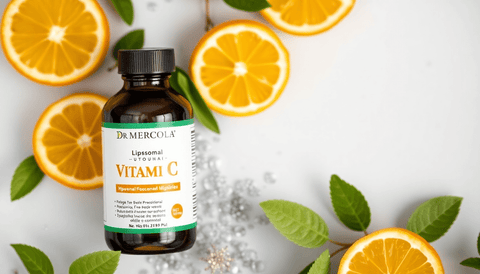
Antioxidant supplements are among the most discussed products in the wellness space, often linked with immunity, energy, and healthy aging. This page provides a broad overview of what antioxidants are, why they matter, the main types available, and key considerations for choosing a supplement. It serves as a starting point for understanding the topic and for navigating the more specific guides and articles found on this site.
What Are Antioxidants and Why Do They Matter?
Antioxidants are substances that help neutralize free radicals—unstable molecules produced naturally during metabolism and increased by factors like pollution, stress, and poor diet. When free radicals outnumber antioxidants, the body experiences oxidative stress, which can damage cells and is linked to aging and various health conditions. The body produces some antioxidants naturally, while others must come from the diet or supplements.
The Role of Oxidative Stress
Oxidative stress is a natural biological process, but chronic imbalances—often driven by lifestyle factors such as smoking, alcohol consumption, and inadequate nutrition—may contribute to a range of health concerns. Understanding this balance is fundamental to appreciating why antioxidants are often discussed in the context of long-term health.
Endogenous and Exogenous Antioxidants
Antioxidants come from two main sources: endogenous, which are produced by the body such as glutathione, and exogenous, which are obtained from the diet or supplements. Exogenous antioxidants include a wide range of vitamins, minerals, and plant compounds that support the body's natural defense system.
Key Types of Antioxidant Supplements
Antioxidant supplements contain various nutrients, each with unique properties and potential benefits. The following are among the most common categories found in dietary supplements.
- Vitamins and minerals: Vitamin C, Vitamin E, selenium, and zinc are foundational antioxidants often included in supplements and multivitamins.
- Plant-derived compounds: Polyphenols like quercetin and resveratrol, as well as carotenoids such as beta-carotene, are derived from colorful fruits and vegetables.
- Specialty compounds: N-acetylcysteine (NAC), Coenzyme Q10 (CoQ10), and glutathione precursors are examples of more specialized antioxidant supplements.
For those looking at foundational support, exploring a Vitamin C collection or Vitamin E options can be a useful first step. Additionally, a multivitamin guide can help provide a broader base of essential nutrients.
Potential Benefits and What the Evidence Says
Research suggests that adequate antioxidant levels are important for maintaining a resilient immune system, supporting cellular energy production, and promoting healthier aging. However, the scientific evidence for supplemental antioxidants is mixed, and benefits often depend on the specific nutrient, dosage, and individual health status.
For most people, obtaining antioxidants from a diet rich in fruits, vegetables, whole grains, and nuts is the most effective approach. Supplements can play a role in filling specific dietary gaps or addressing increased oxidative stress, but they are not a substitute for a healthy lifestyle.
Immunity and Energy
Certain antioxidants, like Vitamin C and zinc, are well-supported for their role in immune function. Others, such as CoQ10, are involved in mitochondrial energy production. Understanding these specific roles can help you align your supplement choices with your health goals.
Healthy Aging and Longevity
By helping to manage oxidative stress, antioxidants are often discussed in the context of healthy aging. While they may support cellular health, they are not a guarantee of longevity, and their effects can vary widely among individuals.
How to Choose a Quality Product
Selecting a high-quality antioxidant supplement requires careful attention to several factors. It's not just about the presence of an ingredient; it's about its form, dosage, and the overall quality of the product.
- Ingredient transparency: The label should clearly list the active ingredient and its form (e.g., ascorbic acid vs. sodium ascorbate for Vitamin C).
- Third-party testing: Look for seals from independent organizations that verify purity and potency.
- Dosage: Check the serving size and ensure it's within established safe limits. More is not always better.
- Sourcing: Consider brands that are transparent about ingredient sourcing and manufacturing practices.
Safety, Dosage, and Interactions
Antioxidant supplements are generally safe when taken in recommended amounts, but high doses can have side effects and may interact with certain medications. For example, high-dose Vitamin E can interfere with blood thinners, and excessive selenium can be toxic.
It's important to be aware that taking a single antioxidant in high doses may not be beneficial and, in some cases, could be harmful. Always follow label instructions and consult with a healthcare provider before starting a new supplement, particularly if you have underlying health conditions or are taking medication.
Diet First: Natural Sources of Antioxidants
Before reaching for a supplement, consider your diet. Whole foods contain a complex mix of antioxidants that work synergistically, and they are generally better absorbed than isolated compounds. Prioritizing a colorful and varied diet is the most reliable way to ensure a broad intake of these nutrients.
What is the best antioxidant supplement?
There is no single best antioxidant supplement. The optimal choice depends on your specific health goals, dietary gaps, and individual needs. A diet rich in antioxidant foods is generally considered the best foundation, and a supplement may be useful for addressing specific deficiencies.
Antioxidants in Context: Supplements and Lifestyle
Supplements should always be viewed as part of a broader strategy. Adequate sleep, regular exercise, stress management, and a nutrient-dense diet all play crucial roles in maintaining oxidative balance. A supplement alone cannot compensate for a poor lifestyle.
Can I take antioxidants every day?
For most people, taking a daily antioxidant supplement within recommended dosages is safe. However, it is not necessary for everyone, especially if your diet is already rich in fruits and vegetables. Long-term, high-dose use of certain antioxidants should be discussed with a healthcare provider.
What are antioxidant supplements good for?
Antioxidant supplements are used to support the body's defense against oxidative stress. They may help support immune function, energy production, and cellular health. They are not intended to treat or prevent specific diseases.
What is the best antioxidant drink?
Antioxidant drinks can include green tea, which is rich in catechins, or various fruit and vegetable juices. Like supplements, these should complement a balanced diet rather than replace whole food sources.
Summary and Key Considerations
In conclusion, antioxidant supplements are a diverse category of products that can support overall health when used appropriately. Understanding the role of oxidative stress, the different types of antioxidants, and how to evaluate product quality is essential for making informed decisions.
- Antioxidants help neutralize free radicals and manage oxidative stress.
- Key types include vitamins, minerals, plant polyphenols, and specialty compounds.
- A balanced diet is the preferred source of antioxidants; supplements can address gaps.
- Product quality, dosage, and potential interactions are critical factors to review.
- Supplements are part of a broader, lifestyle-based approach to health.
For more detailed information on specific nutrients, explore our guides on Vitamin C, Vitamin D, and multivitamins, or browse the product collections to find options that align with your needs.
Medical Disclaimer
This content is for educational purposes only and is not intended to be a substitute for professional medical advice, diagnosis, or treatment. Always seek the advice of your physician or another qualified health provider with any questions you may have regarding a medical condition or before starting any new supplement, especially if you are pregnant, nursing, or taking medication.