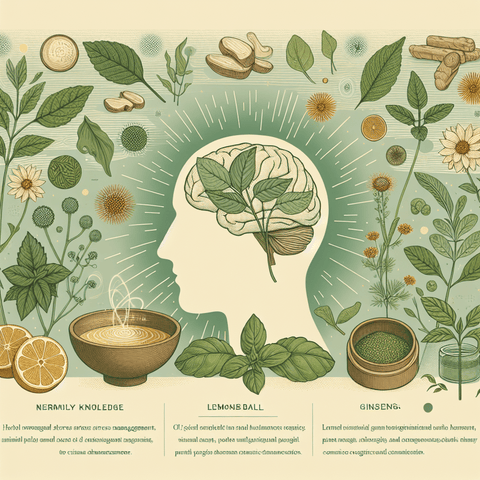
Understanding Anxiety Support Botanicals
Anxiety support botanicals are plant-based remedies that have been used for centuries in various wellness traditions to help the body manage stress, promote relaxation, and support emotional equilibrium. These natural calming agents include herbs, roots, and plant extracts that offer a more subtle approach to stress relief compared to synthetic options. This guide provides a high-level overview of the most common botanicals, how they differ, and what to consider when exploring them as part of a broader wellness strategy.
How Botanical Remedies Work
Unlike some conventional calming aids that target specific neurotransmitter pathways, botanicals typically work through multiple, synergistic pathways. Their effects often build gradually, supporting the body’s own regulatory systems rather than overriding them. This is why many individuals explore botanical options for ongoing stress management rather than for acute anxiety episodes. They are frequently integrated into a broader routine that includes dietary adjustments and lifestyle practices, contributing to a more balanced approach to mental wellbeing.
Popular Botanicals and Their Use
Several botanicals have gained recognition for their unique roles. Here is a brief overview of the most commonly discussed options:
- Ashwagandha: An adaptogen often used to support resilience and overall stress management.
- Lemon Balm: Known for its soothing properties and traditionally used to ease nervous tension.
- Chamomile: A gentle, well-known herb traditionally used to promote relaxation.
- Passionflower: Often used for its calming, sedative-like effects and to support restful sleep.
- Valerian Root: More frequently used to improve sleep quality rather than for daytime anxiety.
The choice of botanical often depends on whether the goal is to build long-term resilience or to address acute feelings of stress or restlessness.
How Botanicals Interact with the Body’s Stress Response
The Science of Calm: GABA, Serotonin, and the Nervous System
The feeling of calm is largely governed by the nervous system and specific chemical messengers. Gamma-aminobutyric acid (GABA) is the brain’s primary inhibitory neurotransmitter, responsible for reducing neuronal excitability and promoting relaxation. Serotonin contributes to mood balance and wellbeing. Many calming botanicals are believed to influence these systems, either by supporting GABA activity or aiding in serotonin regulation. While the science is complex, this interaction points to the potential of botanicals to help modulate an overactive stress response.
Key Difference: Adaptogens vs. Sedative Herbs
A fundamental concept in this area is the difference between adaptogens and sedative herbs.
Adaptogens, such as ashwagandha and rhodiola, are believed to increase the body’s resistance to stress. They work gradually, often requiring weeks of consistent use, to build resilience and help balance cortisol levels. They are for supporting long-term stamina against stress.
Sedative herbs, such as valerian root or passionflower, act more directly to calm the nervous system. They may promote drowsiness and are considered beneficial for acute stress or sleep support. They are for occasional, more immediate calming.
Understanding this distinction is key to selecting the right botanical approach.
The Role of Diet and Lifestyle in Stress Management
Before considering supplements, it is essential to establish a solid foundation through diet and lifestyle. The nervous system requires a variety of vitamins, minerals, and fatty acids to function correctly. A diet rich in whole foods provides the chemical building blocks for a healthy brain and balanced mood.
Whole-Food Support and Key Nutrients
Certain foods are especially good for the nervous system. Foods rich in magnesium, like leafy greens, nuts, and seeds, are often called nature’s relaxants. Foods high in B vitamins, like eggs and legumes, support neurotransmitter function. Fatty fish containing omega-3s are also considered crucial for brain health. These foods provide the foundation for a well-regulated stress response.
You can learn more about the role of specific nutrients like magnesium supplements in nervous system function.
Daily Habits for a Calm Nervous System
Daily habits play a pivotal role in maintaining a calm state. Prioritizing restorative sleep, staying hydrated, and incorporating mindful movement like yoga or walking all help to release physical tension. These habits are the anchor for mental wellness and should be in place before using supplements as an additional support.
Choosing a Quality Botanical Supplement
If you decide to explore anxiety support botanicals, product quality is paramount. Because these are regulated as dietary supplements, they aren’t held to the same pre-market safety standards as pharmaceuticals. It is crucial to choose products from brands that prioritize transparency and quality.
Form, Extraction, and Quality Indicators
The form of a supplement—capsule, tincture, powder, or tea—influences absorption and convenience. Capsules offer a standardized dose, while tinctures are absorbed quickly. When evaluating a product, look for third-party testing, which verifies content and purity. A label that lists the botanical’s scientific name, the extract type (e.g., standardized), and a clear serving size is a good sign. Also, be cautious of proprietary blends that hide individual ingredient doses.
For more in-depth information on what to look for, you can browse our guide to herbal supplements for guidance on sourcing and safety.
Safety, Side Effects, and Interactions
Safety is the most important consideration when using any botanical supplement.
When Supplements Can Interact with Medications
Botanicals can interact with prescription medications. For example, sedative herbs taken alongside anti-anxiety medications may intensify their effects, leading to excessive drowsiness. It is vital to discuss your supplement list with a pharmacist or physician to check for potential adverse interactions.
Important Considerations for Specific Groups
Many herbs that are safe for the general population are not recommended during pregnancy or while nursing due to a lack of safety data. Herbs can also influence hormonal balance or blood pressure, so those with endocrine or cardiovascular issues should be especially cautious.
A Clear Statement on Wellness vs. Treatment
It is important to clarify that botanicals are for wellness and support, not for curing or treating disease. They should not be used to manage symptoms in place of seeing a medical professional. For ongoing wellness, they can act as a nutritional safety net, but they are not a substitute for professional medical care or a healthy lifestyle.
Exploring the Topic Further
This guide serves as an overview of anxiety support botanicals. For more detailed information on specific herbs, their uses, and the research behind them, we invite you to explore the related articles. Each article provides a deeper dive into a specific botanical or aspect of natural stress management, allowing you to make a more informed choice. You can also explore our ashwagandha supplements for more product-specific information.