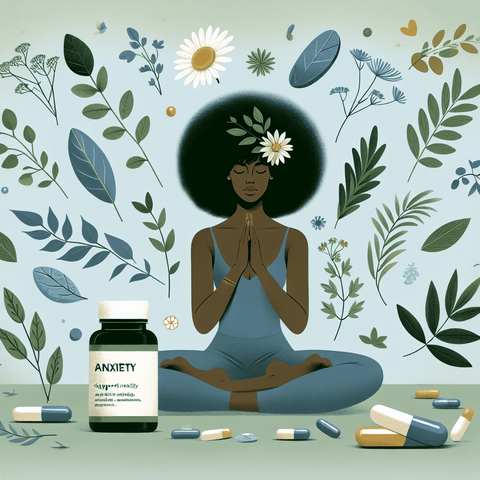
Anxiety Support Nutrients: Essential Vitamins & Minerals for Calm


Understanding Anxiety Support Nutrients

Anxiety can significantly impact daily life, affecting sleep, focus, and overall well-being. One effective way to manage symptoms is through anxiety support nutrients, which include essential vitamins and minerals known to influence mood and stress response. This guide will explore key nutrients, such as magnesium, B vitamins, and vitamin D, and their roles in supporting mental health.

The Role of Key Nutrients

Magnesium is vital for regulating stress and relaxing the nervous system; it can be sourced from foods like leafy greens and nuts. B vitamins, including B6, B9, and B12, are crucial for neurotransmitter synthesis, linking them directly to mood regulation. Vitamin D, often associated with bone health, also plays a significant role in emotional well-being, especially for those with deficiencies.

Supplementation Considerations

While dietary sources are best, supplements may fill nutritional gaps, particularly in stressful times or for individuals on restrictive diets. You can explore options for multivitamins and magnesium to complement your routine and better manage anxiety.

Conclusion

Incorporating anxiety support nutrients into your daily diet can promote emotional resilience. By understanding the interplay of these nutrients and seeking appropriate supplementation, you pave the way for improved mental health outcomes.


What supplements are good for anxiety? - Topvitamine
Sep 20, 2025
Discover effective supplements that may help reduce anxiety naturally. Learn which options are backed by research and how they can support your mental well-being today.

Understanding anxiety and finding effective management strategies can be daunting. One promising avenue is the exploration of anxiety support nutrients—essential vitamins and minerals that may influence calm, mood, and the body's response to stress. In this article, you will learn about various nutrients associated with anxiety management, how to identify potential gaps in your diet, and the role of supplements as part of a broader health plan. Discover science-backed insights that can help you feel more balanced and informed about the dietary strategies that may support your mental well-being.

Anxiety support nutrients and the path from information to action

Opening framing

Anxiety can manifest in various forms, disrupting sleep, focus, and energy levels. A growing body of research suggests that certain vitamins and minerals—collectively referred to as anxiety support nutrients—can play a pivotal role in regulating these symptoms. By understanding how these nutrients influence our body's responses, you can take actionable steps to improve your overall mental health through dietary modifications and, if necessary, supplementation.

Core keyword inclusion

This guide will highlight the anxiety support nutrients that contribute to emotional well-being and how incorporating them into your daily routine can foster resilience against stress. The relationship between nutrient intake, mood, and anxiety symptoms is complex, but improving your nutritional status can be a pathway toward a calmer state of mind.

What this guide will cover

  • An overview of the vitamins and minerals most relevant to anxiety and mood.
  • Guidance on how to interpret your symptoms and dietary variability.
  • When supplementation might be appropriate and important considerations in those contexts.
  • How to navigate Topvitamine.com for quality supplements tailored to your needs.

What you should expect to walk away with

  • A framework for assessing any dietary gaps versus supplementation needs.
  • Key decision points for whether to consider supplementation.
  • Practical cautions against over-interpreting symptoms and self-diagnosis.

Core explanation: Vitamins & minerals that may influence calm and anxiety support

Magnesium and mood regulation

Magnesium plays a crucial role in managing stress by modulating the nervous system. It can help relax neural and muscular tension, influencing NMDA receptor activity and enhancing GABA (gamma-aminobutyric acid) function, which is a neurotransmitter associated with relaxation. Common dietary sources include leafy greens, nuts, seeds, and whole grains; however, many individuals do not meet the recommended intake levels.

Research indicates mixed evidence regarding magnesium's efficacy in alleviating anxiety symptoms; some studies report significant benefits, while others show limited impacts. Due to the various forms available (e.g., magnesium glycinate, magnesium oxide), it’s essential to select a product that balances tolerability and efficacy.

B vitamins and neural function

The B vitamins, particularly B6, B9 (folate), and B12, are linked to neurotransmitter synthesis, including serotonin and dopamine. These vitamins play a role in mood regulation and overall energy metabolism, making them crucial for mental health. Signs of deficiency can parallel anxiety symptoms, such as fatigue and cognitive impairment. Evidence suggests population-wide associations with anxiety, although randomized trials yield variable results, highlighting the complexities of nutrient interaction.

Vitamin D and mood regulation

Vitamin D's role extends beyond bone health; it is implicated in mood regulation and inflammation pathways. Seasonal affective disorder and lack of sunlight can lead to widespread deficiencies. While some research indicates potential benefits in anxiety reduction among those who are deficient, the results vary, with studies showing mixed outcomes in anxiety-specific populations.

Zinc and neurotransmission

Zinc is critical in neurotransmitter synthesis and receptor signaling, with its levels being closely linked to stress responses and sleep quality. Dietary sources include meat, shellfish, legumes, and seeds. Some studies have demonstrated associations between low zinc levels and anxiety symptoms; however, it is essential to understand these findings are not universally applicable.

Vitamin C and stress resilience

Vitamin C serves as a powerful antioxidant, modulating stress hormone responses (like cortisol) and potentially aiding in fatigue management. Citrus fruits, berries, and green vegetables provide ample dietary sources of this essential vitamin. While vitamin C may play a role in managing stress, it should not overshadow other foundational aspects of nutrition.

Calcium and bone-mood link (and interaction with Magnesium)

Calcium contributes to neural excitability and neurotransmission. Its relationship with magnesium, where both minerals work synergistically, is noteworthy. Deficiencies in calcium can lead to muscle spasms and mood disturbances, but excessive supplementing is not advisable due to potential health risks.

Iron and cognitive energy

Iron is vital for energy metabolism, and low levels can result in fatigue, which often mimics anxiety symptoms. Groups at higher risk for deficiency include menstruating individuals and pregnant women. It's important to use caution with iron supplements due to the risk of overload, which can be harmful.

Putting the nutrient pieces together

These vitamins and minerals do not work independently; they often rely on one another for optimal performance in physiological processes. A diet rich in a variety of nutrient-dense foods will provide a balanced profile that supports mental health and anxiety management.

Why this topic matters: the intersection of stress, nutrition, and mental state

Public health relevance

Anxiety is increasingly prevalent in various populations, including students, caregivers, and those in demanding work environments. Exploring nutritional strategies like anxiety support nutrients can provide accessible and cost-effective methods to enhance mental wellness and resilience against daily stresses.

Diet quality as a modulator of anxiety signals

Research shows that dietary patterns significantly influence mood; diets high in processed foods may correlate with an increased prevalence of anxiety signals. The gut-brain connection emphasizes how nutrient-rich diets can assist in reducing stress levels, but care must be taken to present these connections without over-claiming their benefits.

Practical implications for daily life

Certain meal habits and hydration practices intersect critically with nutrient status. Recognizing the importance of consuming a variety of foods can particularly benefit individuals on restrictive diets or those with limited access to diverse dietary options.

Related symptoms, signals, or health implications

Physical and autonomic signs that may overlap with nutritional status

Symptoms like sleep disturbances, muscle tension, headaches, and fatigue may indicate nutritional deficiencies. These overlapping signs can complicate the process of identifying the root cause of anxiety.

Cognitive and emotional signals to watch

Anxiety can also manifest through cognitive patterns, including persistent worry, emotional reactivity, and memory issues, particularly when under stress. Addressing these signals holistically involves an understanding of both dietary and lifestyle aspects.

When symptoms may signal something beyond nutrition

Certain warning signs necessitate professional assessment, including severe anxiety that impacts daily functioning, chest pain, rapid weight change, or fatigue that persists despite nutritional interventions. Recognizing these signs is crucial for maintaining overall health.

Distinguishing symptoms from root causes

Multiple factors, such as sleep quality, caffeine consumption, and substance use (both legal and illegal), can exacerbate anxiety symptoms. A comprehensive approach to investigation is necessary to avoid misattributing symptoms solely to nutritional deficiencies.

Individual variability and uncertainty

Biological and genetic variability

Individual differences in nutrient absorption, metabolism, and utilization can greatly impact how vitamins and minerals affect anxiety symptoms. Certain populations, including pregnant individuals, older adults, and those following restricted diets, may require specialized attention and nutrient assessments.

Life stage and hormonal influences

Conditions such as pregnancy, menopause, and thyroid disorders can modify nutrient needs and the way the body responds to stress, making it essential to tailor approaches accordingly.

Medication interactions and safety

Some commonly prescribed medications for anxiety can interact with specific vitamins and minerals. For example, certain antidepressants may have effects on mineral absorption, underscoring the importance of professional guidance when considering supplementation.

How variability shapes expectations

It's important to recognize that not every individual will respond similarly to nutrient supplementation; some may experience significant benefits while others may see little to no effect. This variability makes it crucial to approach supplementation with a personalized perspective.

Why symptoms alone do not reveal root cause

Limitations of self-reported symptoms

Relying solely on self-reported symptoms can lead to misinterpretation, as many signs can overlap with other health conditions such as fatigue, sleep issues, or thyroid dysfunction.

The need for a broader assessment

A holistic evaluation of dietary history, medical background, and lifestyle factors can help clarify the relationship between symptoms and nutrient intake. In some cases, blood tests may be warranted for accurate assessment.

The risk of over-attributing symptoms to a single nutrient

Overemphasizing the role of a single nutrient can lead to ineffective self-treatment. Comprehensive evaluations by healthcare professionals can guide individuals toward a more precise understanding of their health needs.

The role of nutritional supplements in this topic

Clarifying the scope

Nutritional supplements can serve as supportive elements in managing anxiety but should not be viewed as standalone solutions for complex medical conditions. A multifaceted approach, including diet, sleep, physical activity, and mental health interventions, is crucial.

Evidence landscape and uncertainty

While some nutrients present potential benefits for anxiety-related symptoms, not all individuals will experience the same outcomes. Consulting with a healthcare professional is essential for personalized assessments.

Safety, quality, and responsible use

The risks associated with excessive intake and interactions with medications highlight the importance of careful consideration. Choosing supplements that have undergone third-party testing and meet quality standards is advisable.

How to integrate supplements wisely

The best practice begins with dietary improvements before progressing to supplements. If dietary gaps are identified, targeted supplementation can be beneficial, ideally with professional guidance.

Formulation and dosing considerations

Selecting well-formulated products, including bioavailable forms of nutrients and appropriate dosages, is key for effectiveness. Individualized dosing strategies should be monitored to assess consistency and response.

How nutritional supplements could support: practical pathways and examples

Targeted scenarios where supplements may be sensible

  • Individuals with limited fruit and vegetable intake or restrictive dietary patterns (such as strict veganism).
  • Periods of acute stress or disrupted sleep.
  • Age-related requirements (elderly, pregnancy, lactation).

Specific nutrient strategies (examples, not medical advice)

  • Magnesium: consider well-tolerated forms like magnesium glycinate within recommended ranges.
  • B vitamins: evaluating if a B-complex might be needed, particularly for populations at risk of deficiencies.
  • Vitamin D: monitoring levels and considering safe supplementation practices if deficient.
  • Zinc: mindful dosing to avoid excess while addressing potential deficiencies.
  • Iron: early indicators of deficiency include fatigue; ferritin levels can offer insights.
  • Calcium and vitamin K2: consider interactions with bone health and nervous system support.

Combination approaches

Using multi-nutrient formulas can provide a comprehensive approach when combined with lifestyle modifications, such as improved sleep hygiene practices and mindfulness techniques.

Practical usage tips

Effective timing of supplementation, such as with meals, can enhance absorption and reduce potential interactions. Keeping a symptom journal can assist in monitoring and assessing the benefits of supplementation.

Cautions and red flags

If supplementation does not produce desired effects or leads to negative side effects, it's advisable to discontinue use and consult with a healthcare professional for further evaluation.

Decision-support section: when nutritional supplements make sense, and how to decide

Clear criteria for considering supplements

  • Establishing persistent dietary gaps or recognizing deficiency symptoms.
  • Identifying lifestyle factors that may heighten stress and affect nutrient availability.
  • Notable lack of response to non-supplement strategies, such as improved sleep habits or stress management.

Step-by-step decision guide

  1. Assess your diet and lifestyle for potential gaps.
  2. Discuss with a healthcare provider regarding your symptoms and seek professional advice.
  3. Consider targeted testing if necessary to evaluate nutrient levels.
  4. Select a reputable product on Topvitamine.com that matches your needs and appropriate dosages.
  5. Implement a monitoring plan, reassessing response over 6–12 weeks.

When to pursue medical evaluation alongside supplements

Seek immediate medical attention for red flag symptoms or persistent anxiety that interferes substantially with daily functioning. Professional evaluation may help identify potential medical or mental health interventions alongside nutritional support.

Practical safeguards for decision-making

  • Avoid excessively high dosing; prioritize evidence-based recommendations.
  • Refrain from combining multiple products with the same active ingredients to minimize risks.
  • Ensure supplements align with prescription medications and pre-existing health conditions.

Concluding section: Connecting the topic to buying nutritional supplements on Topvitamine.com

Synthesis and takeaway

Anxiety support nutrients can provide valuable support within your overall wellness framework. It’s important to approach supplementation mindfully, with a focus on personalized assessments and professional guidance.

How Topvitamine.com can help

When selecting products, pay attention to ingredient transparency, quality guarantees, and third-party testing, ensuring you choose options that align with your health needs. Categories such as magnesium, B-complex vitamins, vitamin D, zinc, and tailored multi-nutrient blends are available to support your journey toward greater mental well-being.

How to shop on Topvitamine.com for anxiety-support nutrients

To find anxiety-support supplements, navigate to “Vitamins & Minerals” > select a relevant nutrient > review product details (serving size, form, dosage, certifications) > check user reviews and any available lab-test information.

Responsible closing notes

Before making significant changes to your supplementation regimen, particularly during pregnancy or while managing diagnosed conditions, consult a healthcare professional. Use this article as a foundational guide toward understanding potential nutrient benefits.

Key Takeaways

  • Vitamins and minerals play essential roles in supporting anxiety management and mood regulation.
  • While dietary sources are ideal, supplementation may be useful in specific scenarios, especially for dietary gaps.
  • Recognizing the individual variability in response to nutrients is key; not everyone will experience the same benefits.
  • Consulting with healthcare professionals is critical when considering supplements and addressing anxiety symptoms.
  • Quality and formulation of supplements matter; choose products that have been thoroughly tested for safety and effectiveness.
  • A comprehensive approach—including diet, supplementation, sleep, and mental health strategies—yields the best results.

Q&A Section

Do anxiety symptoms always mean a nutrient deficiency?

No, anxiety symptoms can stem from a variety of underlying causes, including psychological factors, lifestyle choices, or medical conditions. Nutritional deficiencies are one of many possible contributors.

How long before I see results after starting a nutrient supplement?

Results may vary based on individual factors, including the nutrient in question and the severity of any deficiencies. Some may notice changes within a few weeks, while for others, it may take longer to see noticeable effects.

Can I take magnesium and zinc together?

Generally, magnesium and zinc can be taken together, but high doses of one can potentially interfere with the absorption of the other. It's wise to check specific dosing recommendations or consult with a healthcare provider.

What lab tests can indicate nutrient status relevant to anxiety?

Common lab tests include serum vitamin D levels, ferritin levels for iron status, and homocysteine levels for B vitamins. These tests can provide insight into potential deficiencies impacting mood and anxiety.

What foods should I include to support anxiety management?

Foods rich in omega-3 fatty acids (like fatty fish), whole grains, nuts, seeds, and a variety of fruits and vegetables can help provide essential nutrients that support mental health and resilience.

What is the best form of magnesium for anxiety?

Magnesium glycinate is often recommended for its bioavailability and lower likelihood of causing digestive upset compared to other forms. However, the “best” form may vary between individuals based on their needs.

How can I tell if I'm deficient in vitamin D?

Symptoms of vitamin D deficiency may include fatigue, mood changes, and pain. A blood test measuring 25-hydroxyvitamin D levels can provide a clear picture of your status; consult your healthcare provider for recommendation.

What role does gut health have in anxiety symptoms?

The gut-brain connection emphasizes the importance of a healthy microbiome in regulating neurotransmitters and inflammatory responses related to stress and anxiety, making gut health an essential element of overall well-being.

How should I approach supplementation if I’m already on medications?

Consulting with a healthcare provider is critical before starting any supplements if you’re on medication, as some nutrients may interact with medications, potentially affecting their efficacy or safety.

Are there any risks associated with high-dose supplements?

Yes, high doses of vitamins and minerals can lead to toxicity or adverse effects, especially if exceeding established tolerable upper intake levels. Always follow dosing guidelines and seek professional advice when uncertain.

Keywords

  • anxiety support nutrients
  • nutrients for anxiety
  • vitamins for calm
  • magnesium for anxiety
  • vitamin D and mood
  • B vitamins and mood
  • zinc and anxiety
  • dietary sources of mood-support nutrients
  • supplementation for mood and stress
  • anxiety symptoms and nutritional gaps
  • evidence on nutrition and anxiety
  • how to choose supplements for mood support