Ascorbic acid is the scientific name for vitamin C, a nutrient that appears naturally in many foods and is sometimes added to fortified products. This page is a topical hub for understanding ascorbic acid sources: what the term means, how vitamin C content is measured, which food categories are commonly discussed, and what factors influence the numbers you may see in nutrition references. The goal is to help you navigate the broader topic and make sense of more specific articles and data without making health claims.
Ascorbic Acid vs. Vitamin C: Understanding the Terminology
In everyday nutrition writing, "ascorbic acid" and "vitamin C" are often used interchangeably, but they are not always identical in every context. Vitamin C is the broader nutritional term, while ascorbic acid is the specific chemical form that has vitamin C activity. Some fortified foods and supplements may use ascorbic acid or other forms such as sodium ascorbate. When reading about ascorbic acid sources, it helps to know whether the source is naturally occurring or added during processing, because this can affect how the food is categorised in nutrition databases.
How Vitamin C Content Is Measured in Foods
Nutrition references typically report vitamin C content in milligrams per 100 grams or per a specific serving size. These figures come from laboratory analyses, and the exact numbers can vary depending on the method used, the year the data were collected, and the source of the food sample. For example, a fruit grown in one region or harvested at a different stage of ripeness may have a different ascorbic acid level than the same type of fruit grown elsewhere.
Because of this variability, rankings of ascorbic acid sources are not absolute. A food that appears high in one database may appear slightly lower in another. The key is to look at the context: which reference is being used, what serving size is specified, and whether the food was measured raw, cooked, frozen, or processed.
Main Categories of Ascorbic Acid Sources
Ascorbic acid sources are generally divided into a few broad groups. Each category contains foods with a range of vitamin C concentrations, and the specific values depend on the factors mentioned above.
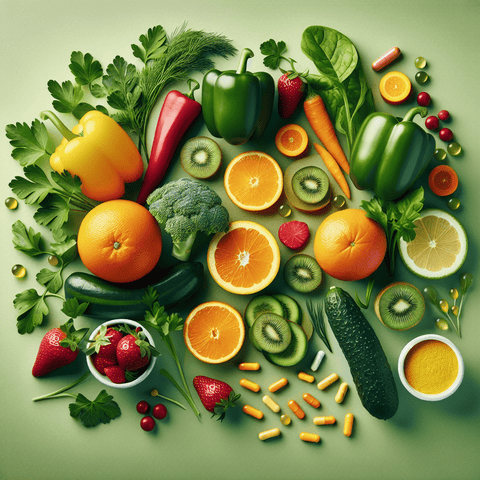
- Fresh fruits: citrus fruits, berries, kiwi, mango, papaya, and others are commonly discussed as natural sources.
- Vegetables: peppers, broccoli, Brussels sprouts, tomatoes, and leafy greens are often included in comparisons.
- Fortified foods and beverages: some juices, cereals, and other products have vitamin C added during manufacturing.
Within each category, the actual amounts can overlap. For instance, some vegetables may contain more vitamin C per serving than certain fruits, depending on how they are prepared and measured. This is why broad categories are useful for orientation, but individual food data should be checked against a reliable nutrition reference.
Factors That Affect Vitamin C Levels in Foods
Several factors can influence how much ascorbic acid is present in a food at the time it is eaten. These include:
- Variety and growing conditions: different cultivars and climates can lead to different nutrient levels.
- Maturity at harvest: ripeness can affect vitamin C concentration.
- Storage time and conditions: vitamin C can degrade over time, especially with exposure to heat, light, and oxygen.
- Processing and cooking: boiling, steaming, canning, and freezing can all alter the final vitamin C content.
Because of these variables, two samples of the same food may not provide identical amounts of ascorbic acid. This is a normal part of nutrition data and explains why ranges are often given rather than single fixed numbers.
Practical Considerations When Comparing Sources
If you are comparing ascorbic acid sources, it helps to focus on a few practical points:
- Check the serving size: values per 100 grams may differ from values per typical serving.
- Note the food state: raw, cooked, frozen, or canned can all have different vitamin C levels.
- Consider the source of the data: different nutrition databases may report slightly different figures.
- Look for context: a food that is high in one ranking may not be high in another if the measurement conditions differ.
These points do not provide medical or dietary advice, but they can help you interpret vitamin C information more accurately.
Exploring Vitamin C and Related Topics Further
Ascorbic acid sources are part of a larger conversation about vitamin C and nutrition. If you want to understand the broader context, you can explore our vitamin C collection, which covers general information about vitamin C benefits, immune function, antioxidant activity, and energy. For a wider look at essential nutrients, you may also browse our natural supplements category. These pages can help you place ascorbic acid sources within the broader landscape of nutritional supplements and dietary ingredients.
This tag page is intended as a broad overview. More specific questions—such as how to get 1000 mg of vitamin C naturally or what depletes vitamin C absorption—are better addressed in dedicated articles. Always consult a qualified healthcare professional for personal dietary advice.