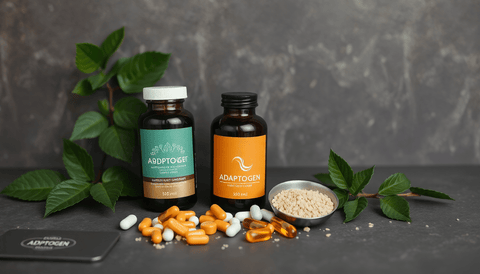
Ashwagandha, a cornerstone of Ayurvedic medicine, is increasingly recognized as a powerful adaptogen for navigating modern life's demands. With its scientific name Withania somnifera, this herb is traditionally linked to a range of benefits, from alleviating stress and improving sleep quality to enhancing cognitive focus. This guide serves as a comprehensive introduction to ashwagandha, exploring what it is, the science behind its potential benefits, key safety considerations, and how to choose a high-quality supplement.
What is Ashwagandha (Withania somnifera)?
Ashwagandha is a small shrub with a rich history in traditional medicine systems, particularly in India and other parts of Asia. The name translates to "smell of horse," referring to its distinctive scent and traditionally believed ability to impart strength and vitality. The root and leaves are the primary parts used in supplements. Its active ingredients, a group of compounds called withanolides, are thought to be responsible for many of its effects, acting as adaptogens to help the body maintain balance and respond to stress.
How Ashwagandha Works: Mechanisms in the Body
Cortisol Modulation and the Stress Response
One of the primary mechanisms scientists have investigated is ashwagandha's ability to modulate cortisol, a hormone released in response to stress. By helping to regulate cortisol levels, it may reduce the body's physiological stress load and promote a state of calm. This effect is central to its classification as an adaptogen and underlies many of its reported benefits for mood and relaxation.
Supporting Brain and Cognitive Function
Emerging research suggests that ashwagandha may offer neuroprotective benefits. Its antioxidant and anti-inflammatory properties are thought to protect brain cells from damage caused by oxidative stress. This action, in turn, may support cognitive functions such as memory, attention, and information processing speed, particularly in times of mental fatigue or for those experiencing age-related cognitive decline.
Potential Benefits of Ashwagandha
Stress and Anxiety Relief
The most well-supported benefit of ashwagandha is its role in managing stress and anxiety. Several clinical studies have demonstrated that daily supplementation can significantly reduce symptoms of stress and chronic anxiety in adults, as measured by validated questionnaires and physiological markers. This effect is often linked to its ability to lower cortisol levels, helping individuals feel more grounded and less overwhelmed by daily pressures.
Improving Sleep Onset and Quality
Many people turn to ashwagandha for its potential to improve sleep. By reducing mental stress and promoting a state of physical relaxation, it can help users fall asleep faster and enjoy deeper, more restful sleep. While research is ongoing, some studies have shown that ashwagandha may be particularly beneficial for individuals who experience sleep disturbances associated with anxiety or high stress, such as difficulty quieting a racing mind at night.
Enhancing Focus, Memory, and Performance
Ashwagandha's calming properties do not necessarily come at the expense of cognitive clarity. In fact, research suggests it may simultaneously enhance executive functions. Studies have noted improvements in attention, memory, and reaction time in participants taking ashwagandha. This dual action of calming the nervous system while supporting mental function makes it a popular choice for students, professionals, and athletes seeking to maintain peak performance without the jitters associated with stimulants.
Physical Strength and Athletic Performance
A traditional use of ashwagandha is as a strength and vitality tonic, and modern research is beginning to support this. Some studies have shown that supplementation can lead to significant improvements in muscle strength, size, and recovery in healthy adults undergoing resistance training. This can be attributed to its ability to support hormonal balance, reduce exercise-induced muscle damage, and enhance overall physical stamina.
Understanding Different Forms and Qualities
Root Extract vs. Whole Root Powder
Ashwagandha supplements come in various forms, including capsules, powders, and tinctures. A key difference lies in whether a product uses whole root powder or a concentrated root extract. Whole powder contains the natural proportion of compounds but may require a larger dose. Extracts, on the other hand, are standardized to contain a specific level of withanolides and are often considered more potent and precise.
Key Quality Metrics: Withanolides, Sourcing, and Testing
The quality of ashwagandha products can vary significantly. To ensure you're getting an effective and safe supplement, prioritize products that clearly disclose the withanolide content, typically in the form of a percentage (e.g., 5-10%). Look for brands that use good manufacturing practices (GMP) and verify purity via third-party testing sites like USP or NSF. Sourcing from reputable manufacturers that provide transparent ingredient information is also a good signal of quality.
How to Use Ashwagandha: Dosage, Timing, and What to Expect
Standard Dosage Ranges and Best Practices
While research studies have used a variety of doses, the most common and effective range for adults is between 250 mg and 600 mg of a standardized extract taken once or twice daily. It is often recommended to start with a lower dose to assess your individual tolerance before increasing. Consistency is key; taking it at the same time each day helps you establish a routine and monitor its effects. Some users find taking it with food improves absorption, while others prefer taking it in the evening to support sleep.
Realistic Timelines for Noticing Effects
Individual responses to ashwagandha vary. While some people may notice an improvement in their stress levels or sleep within the first week, many clinical trials show that significant benefits become apparent after two to four weeks of consistent use. It's important to approach a trial with patience, allowing at least six to eight weeks to properly evaluate whether ashwagandha is effective for you.
Safety, Side Effects, and Contraindications
Potential Side Effects and Drug Interactions
Ashwagandha is generally well-tolerated, but some individuals may experience side effects such as stomach upset, diarrhea, or drowsiness. It can also interact with certain medications, including sedatives for anxiety and sleep, and drugs for thyroid conditions or diabetes. Furthermore, it may affect blood pressure, so anyone on antihypertensive medication should exercise caution and seek medical advice. Because of its effects on the immune system, individuals with autoimmune diseases should also consult their doctor before using it.
Who Should Exercise Caution? Pregnancy, Thyroid, and More
Ashwagandha is not recommended for pregnant or nursing women, as it has been traditionally used as a uterine tonic. It can also stimulate thyroid function, so individuals with hyperthyroidism should avoid it without medical supervision. Due to its potential to lower blood sugar and blood pressure, those with relevant conditions or taking medication for them need to consult a healthcare provider to prevent complications.
Integrating Ashwagandha into a Broader Wellness Strategy
Ashwagandha is a valuable tool, but it works best when integrated into a holistic wellness plan that includes a balanced diet, regular physical activity, and good sleep hygiene. It is not a quick fix, but a support system for your body's own restorative mechanisms. For example, focusing on a nutrient-rich diet that includes minerals like magnesium can further support relaxation and recovery. Combining adaptogens with foundational lifestyle habits offers the most robust path toward sustained well-being.
Exploring Related Topics and Finding the Right Supplement
Ashwagandha is just one of many botanicals used for supporting health. For a broader perspective on plant-based options, explore our guide to herbal supplements. When you are ready to consider a supplement, you can browse a wide selection of ashwagandha supplements at Topvitamine. Our collection is curated to help you compare products based on quality, ingredients, and customer reviews, making it easier to find a product that meets your needs.
Conclusion: Key Takeaways for Your Wellness Journey
Ashwagandha is a versatile adaptogenic herb that offers a multi-faceted approach to supporting stress resilience, sleep quality, and cognitive function. When considering it, remember these key points: prioritize high-quality, standardized extracts; follow recommended dosages; and be aware of potential interactions and contraindications. As part of a holistic lifestyle, high-quality supplements like ashwagandha can play a supportive role in your overall health journey. Always consult a qualified healthcare professional before introducing a new supplement, especially if you have pre-existing health conditions.
Key Facts About Ashwagandha at a Glance
- Ashwagandha is an adaptogen, traditionally used in Ayurvedic medicine to help the body manage stress.
- Research suggests it may help reduce symptoms of stress and anxiety, and improve sleep quality.
- It may also support cognitive functions like memory, attention, and focus.
- The primary active compounds are withanolides, and standardizing for these is a key marker of quality.
- It is crucial to consult with a healthcare provider before use if you are pregnant, have a thyroid condition, or take medications for diabetes, blood pressure, or auto-immune disorders.