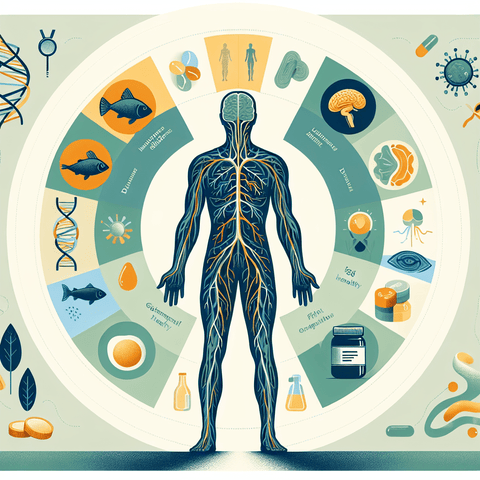
Autoimmune disorders are a group of conditions in which the immune system, which normally defends the body against infections, mistakenly reacts against the body's own healthy tissue. There are many different types, and they can affect the joints, skin, thyroid, digestive tract, nervous system and other organs. Because early signs are often vague and overlap with other health issues, understanding the basics — what these conditions are, how they differ, and which symptoms commonly appear — is a useful starting point before speaking with a healthcare professional.
This page provides a broad overview of autoimmune disorders: the most frequently referenced types, common symptom themes, possible causes and triggers, and how diagnosis and day-to-day management are generally approached. More specific questions are explored in the individual articles collected under this tag.
What Are Autoimmune Disorders?
In a typical immune response, the body recognises and attacks foreign invaders such as viruses and bacteria. In autoimmune conditions, this system mistakes parts of the body — such as joints, skin, glands or organs — for threats and directs an immune response against them. The resulting inflammation can cause pain, swelling and other symptoms, and over time it may damage the affected tissue. Most autoimmune conditions are long-term and tend to follow a pattern of flares, when symptoms intensify, and remission, when they ease.
Researchers have identified dozens of separate autoimmune conditions, often counted at more than 80. Each has its own target tissue and symptom pattern, and they range from relatively well known to rare. Many autoimmune conditions are diagnosed more often in women than in men, and they can appear at any stage of life.
Common Types of Autoimmune Disorders
Lists of the most common autoimmune disorders vary between countries and data sources, but several conditions are referenced most often. The examples below illustrate how different these conditions can be — each targets different tissue and produces a different pattern of symptoms:
- Rheumatoid arthritis — the immune system targets the lining of the joints, causing pain, stiffness and swelling.
- Lupus (systemic lupus erythematosus) — a condition that can affect the skin, joints, kidneys and other organs.
- Psoriasis — an immune-driven skin condition that speeds up skin cell turnover, leading to scaly patches.
- Type 1 diabetes — the immune system attacks the insulin-producing cells of the pancreas.
- Multiple sclerosis — the immune system targets the protective covering of nerve fibres.
- Hashimoto's thyroiditis — an immune attack on the thyroid gland, which may affect how the body uses energy.
- Celiac disease — an immune reaction to gluten that damages the lining of the small intestine.
- Inflammatory bowel disease, including Crohn's disease and ulcerative colitis — chronic inflammation of the digestive tract.
- Sjögren's syndrome — targets the glands that produce moisture, most often causing dry eyes and dry mouth.
This list is illustrative rather than exhaustive. How often each condition occurs depends on the population studied, so different overviews may name different conditions. Severity varies just as widely: the impact of an autoimmune disorder depends on which tissues are involved, how active the condition is, and individual circumstances — factors a clinician is best placed to interpret. No single ranking of the 'most severe' conditions applies to everyone.
Common Symptoms of Autoimmune Disorders
Although every condition has its own pattern, several symptom themes recur across many autoimmune disorders. Commonly reported examples include:
- Persistent fatigue that rest does not fully relieve
- Joint pain, stiffness or muscle aches
- Skin changes, such as rashes or unusual sensitivity
- Recurring low-grade fevers
- Digestive discomfort or irregularities
- Difficulty concentrating, sometimes described as brain fog
Symptoms may appear in waves, worsening during flares and easing during quieter periods, or they may persist over time. Because many of these symptoms are non-specific and overlap with other conditions, experiencing one or more of them does not mean an autoimmune disorder is present. A careful clinical assessment — including medical history, physical examination and, where appropriate, laboratory tests — is the only reliable way to investigate persistent symptoms.
Possible Causes and Triggers
The exact causes of autoimmune disorders are not fully understood. Current research suggests they arise from a combination of influences rather than a single trigger. Factors that researchers have linked to how these conditions may develop or flare include:
- A genetic predisposition, which can run in families
- Infections that may act as triggers in susceptible people
- Hormonal changes, which may partly explain why many conditions are more common in women
- Persistent stress
- Environmental exposures
Having one or more of these factors does not mean a person will develop an autoimmune disorder, and many people who develop one have no clear risk factors. Researchers continue to study why immune tolerance is lost in some people and not others.
How Autoimmune Disorders Are Diagnosed
There is no single test that confirms every autoimmune condition. Clinicians typically begin with a detailed medical history and physical examination, followed by blood tests that may check for markers of inflammation or specific autoantibodies. Depending on the suspected condition, a general practitioner may refer the person to a specialist — for example a rheumatologist, dermatologist, endocrinologist or gastroenterologist.
Diagnosis can take time, particularly when symptoms are mild or come and go. Keeping a simple record of symptoms — when they occur, how long they last and what may have preceded them — can make appointments more productive and help the care team identify patterns.
Managing Autoimmune Disorders
Because autoimmune conditions differ so widely, management is highly individual. Clinicians generally aim to reduce symptoms, limit inflammation and tissue damage, and preserve quality of life. Evidence-based treatment options are discussed with the care team and adjusted over time as the condition and a person's circumstances change.
Alongside medical care, many people find that practical habits support their day-to-day wellbeing:
- Keeping a symptom and trigger journal to spot patterns
- Maintaining a regular sleep routine and pacing activities
- Using stress-management strategies that suit their situation
- Preparing questions in advance for appointments
- Coordinating care across the specialists involved
Nutrition and Supplement Considerations
Diet and lifestyle are frequent topics of conversation for people living with autoimmune conditions. While no supplement can treat, cure or prevent an autoimmune disorder, some people choose to pay closer attention to their overall nutrient intake, gut health and general wellness. The evidence for individual nutrients varies, and supplements can interact with prescription medication, so any use should be discussed with a doctor, pharmacist or registered dietitian first.
Among the areas readers often explore are vitamin D, which contributes to the normal function of the immune system; omega-3 (DHA and EPA) supplements, commonly used as part of a balanced intake of fatty acids; and probiotic and prebiotic supplements, which relate to the balance of bacteria in the gut. These are general wellness categories rather than treatments, and they are not appropriate or necessary for everyone.
Whether any particular nutrient is useful in an individual situation depends on overall diet, health status and medication use. This is best decided together with a healthcare professional rather than based on general information alone.
Exploring Autoimmune Disorders Further
The articles collected under this tag examine specific aspects of autoimmune disorders in greater depth — from individual conditions and symptom patterns to nutrition and lifestyle topics. Use this overview as a map of the topic and the individual articles listed on this page as starting points for more focused questions. The information here is general education, not personal medical advice, and it does not replace consultation with a qualified healthcare provider.