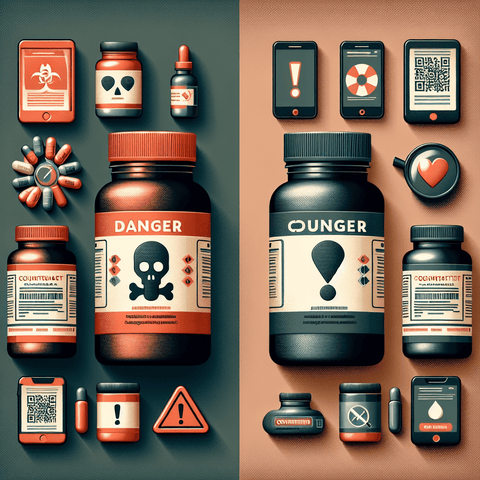
Learning how to avoid supplement fraud can protect both your health and your wallet. The supplement market is large and largely self-regulated, which means mislabeled, adulterated, and counterfeit products do reach consumers. This article explains what supplement fraud actually looks like, the seven most important red flags to watch for before you buy, how to read a supplement label like an expert, and how to decide whether you need a supplement at all — so you can make informed, evidence-based choices.
Introduction: How to Avoid Supplement Fraud in a Crowded Market
Dietary supplements include vitamins, minerals, herbal extracts, amino acids, and many other compounds sold in capsules, tablets, powders, and liquids. Unlike medicines, supplements generally do not require pre-market approval, so the responsibility for verifying quality falls largely on the buyer. That gap creates room for fraud: products containing less of an active ingredient than stated, none at all, or even undeclared substances.
This does not mean all supplements are untrustworthy. Reputable manufacturers invest in quality control, transparent labeling, and third-party testing. The goal of this guide is to help you tell the difference — to recognize fraudulent or low-quality products, understand why they exist, and choose supplements safely when they are genuinely appropriate for you.
What Is Supplement Fraud? Key Terms and Common Types
Mislabeling, adulteration, and counterfeit supplements explained
Supplement fraud generally falls into three categories. Mislabeling means the label does not accurately reflect the contents — for example, listing 500 mg of an ingredient when the product contains far less. Adulteration means an undeclared substance has been added, sometimes a cheap filler, and in serious cases a pharmaceutical drug (a known issue with some products marketed for weight loss or sexual performance). Counterfeiting involves fake versions of legitimate brands, often sold through unofficial online channels.
Proprietary blends vs. transparent labeling
A proprietary blend lists a group of ingredients under one total amount, without disclosing how much of each ingredient it contains. This is not automatically fraudulent, but it makes it impossible to verify whether meaningful doses are included. Fraudulent products often hide behind blends because individual ingredients may be present in trace, ineffective amounts. Transparent labels that state the exact amount of every active ingredient make it easier to assess a product's quality.
"Clinically proven," "miracle," and other claims to question
In most jurisdictions, supplements cannot legally claim to cure, treat, or prevent disease. Phrases like "miracle cure," "works better than prescription drugs," or "clinically proven to reverse [a disease]" are warning signs. Legitimate claims are typically modest and structure/function-based, such as "vitamin D contributes to the normal function of the immune system," and are backed by recognized scientific assessments rather than marketing hype.
Why Supplement Fraud Matters for Your Health and Your Wallet
Health risks of adulterated or contaminated supplements
The most serious consequence of supplement fraud is direct harm. Adulterated products may contain undeclared pharmaceuticals, heavy metals such as lead or mercury, or bacterial contamination. Even without contamination, an underdosed product can cause problems indirectly: someone relying on a supplement to correct a low nutrient level may unknowingly continue taking an ineffective dose.
Why ineffective products can delay proper nutritional care
If a fraudulent product fails and a person concludes that "supplements don't work," they may abandon a genuinely helpful approach. More importantly, persistent symptoms that could reflect a real nutritional gap or an underlying medical condition may go unaddressed. Supplements support nutritional status; they are not a substitute for medical evaluation when something is wrong.
Red Flags That Signal a Supplement May Be Fraudulent
Unrealistic promises and cure-all claims
Be skeptical of products claiming rapid weight loss, dramatic energy boosts, muscle gain without exercise, or reversal of chronic disease. Nutrients have defined physiological roles. No vitamin, mineral, or herb delivers miraculous, multi-system results — and credible manufacturers do not claim otherwise.
Missing or vague label information (ingredients, amounts, serving sizes)
Every legitimate supplement should include a supplement facts panel with the serving size, the amount of each active ingredient, and a full list of other ingredients (fillers, capsules, coatings). Missing contact information for the manufacturer, no batch number or expiry date, or ingredients listed without quantities are clear warning signs.
No third-party testing, certifications, or manufacturer information
Quality-focused brands voluntarily verify their products through independent laboratories and display certification marks or provide certificates of analysis. These programs test for identity, potency, and contaminants. If a brand offers no evidence of independent testing and no verifiable manufacturer details, you have no way to confirm what is actually in the bottle.
Suspiciously low prices, scarcity tactics, and "risk-free" trial traps
Deep discounts on premium products, countdown timers, "only 3 left" pressure, and free-trial offers that quietly enroll you in expensive auto-ship subscriptions are classic fraud patterns. Quality raw materials, testing, and compliant manufacturing cost money — a price dramatically below market is usually a signal that corners have been cut.
Fake reviews, celebrity endorsements, and social media pressure
Clusters of similar five-star reviews posted within days, endorsements from influencers with no relevant expertise, and before-and-after images are marketing tactics, not evidence. Fraudulent sellers often fabricate urgency ("doctors hate this!") to push impulse purchases. Take time to look for balanced reviews and independent information before buying.
Common Causes and Contributing Factors Behind Supplement Fraud
Regulatory gaps: why supplements are regulated differently than drugs
In many regions, supplements are regulated as a category between food and medicine. Manufacturers are generally responsible for their own safety and labeling, and products can reach the market without pre-approval. Regulators act largely after problems are reported. This framework allows legitimate innovation but also leaves space for bad actors.
How online marketplaces enable counterfeit supplements
Large open marketplaces mix authorized sellers with third-party vendors, making it possible for counterfeit or expired stock to appear alongside genuine products. Buying directly from a brand or an authorized retailer reduces this risk, because the supply chain is shorter and accountability is clearer.
Why Your Supplement Needs Are Individual — and Why That Matters for Fraud
How diet, age, health status, and absorption affect what you actually need
Nutritional requirements vary with age, sex, diet, pregnancy, medication use, gastrointestinal health, sun exposure, smoking, alcohol intake, and physical activity. Absorption also varies: some nutrients depend on stomach acid or dietary fat, and certain conditions or medications reduce uptake. A product marketed as essential "for everyone" ignores this variability — which is itself a subtle red flag.
Why "one-size-fits-all" marketing is itself a red flag
Fraudulent and low-quality brands thrive on the idea that everyone needs their product. In reality, someone eating a varied, nutrient-rich diet may need little or no supplementation, while another person may have a specific, documented gap. Honest companies describe who a product is and is not for.
Start With Diet and Lifestyle Before Buying Anything
Can food alone meet your nutrient needs?
For most healthy people eating a varied diet, food can cover the majority of nutrient needs. Oily fish provides omega-3 fats (DHA and EPA); leafy greens supply folate, vitamin K, and magnesium; dairy and fortified plant milks contribute calcium; eggs, meat, and legumes offer B vitamins, iron, and zinc; and colorful fruit and vegetables provide vitamin C and carotenoids. Food also delivers fiber and phytochemicals in combinations supplements cannot replicate. If you want to strengthen your dietary base first, a guide to natural supplements and whole-food nutrition can help you understand where food ends and supplementation begins.
Lifestyle habits that influence nutrient status
Sun exposure strongly affects vitamin D status; alcohol interferes with the absorption and metabolism of several B vitamins; smoking depletes vitamin C; and restrictive diets can leave gaps in iron, B12, calcium, or iodine depending on what is excluded. Addressing these habits may do more for your nutritional status than any capsule.
When Supplementation May Be Relevant
Situations where dietary intake may fall short
Supplementation may be worth considering in specific circumstances: pregnancy (folate and, in many countries, vitamin D are commonly advised), older adults (reduced B12 absorption and lower vitamin D synthesis), vegans and vegetarians (B12, and sometimes iron, zinc, iodine, and omega-3s), people with limited sun exposure, and those with malabsorptive conditions or on certain long-term medications.
Testing and professional guidance before supplementing
Symptoms such as fatigue, muscle cramps, or low mood are nonspecific and can have many causes. For nutrients like vitamin D, B12, iron, and folate, blood testing can establish actual status far more reliably than guessing. A healthcare professional can interpret results in context and recommend an appropriate dose — which also protects you from overdosing on products marketed at unnecessarily high strengths.
How to Choose a Legitimate, High-Quality Supplement
Third-party certifications and lab testing to look for
Look for recognized independent certification marks, batch-specific certificates of analysis, and clear manufacturer contact details. Reputable retailers also vet their suppliers. Buying from an established, transparent source — for example, a store that curates brands with documented quality standards, such as its quality-focused supplement brands — significantly reduces counterfeit risk compared with anonymous marketplace sellers.
Ingredient forms, dosage, and bioavailability: what labels won't always tell you
Nutrients come in different chemical forms with different properties. Magnesium, for example, exists as oxide, citrate, glycinate, and other salts, which differ in absorption and digestive tolerability; vitamin D3 is generally preferred over D2 for maintaining blood levels. Bioavailability also depends on context — fat-soluble vitamins (A, D, E, K) are better absorbed with a meal containing fat. Evidence comparing some forms is limited or mixed, so be cautious of brands claiming their form is always "superior."
Single ingredients vs. combination products
Single-ingredient products make it easy to control dose and avoid interactions. Combination formulas can be convenient but make it harder to adjust individual amounts and increase the chance of redundant or excessive intake — check whether a multivitamin already covers what you would otherwise take separately, using a multivitamin ingredient and usage guide as a reference.
Capsules, tablets, powders, and liquids: does form matter?
Delivery form affects convenience, stability, and sometimes absorption. Powders and liquids may suit people who have difficulty swallowing tablets; delayed-release or enteric-coated forms can improve tolerability for certain ingredients. For most well-established nutrients, however, the dose and chemical form matter more than the delivery format.
Allergens, added ingredients, and dietary preferences
Check for allergens such as gluten, soy, dairy, shellfish, and gelatin if they matter to you. Excessive artificial colors, sweeteners, or proprietary "blends" of herbal extracts add cost without clear benefit and can hide ineffective doses.
How to Read a Supplement Label Like an Expert
Supplement Facts panel: serving size, amounts, and daily values
Start with the serving size — sometimes two or more capsules — and calculate what you actually consume. Compare each ingredient's amount against its daily value or the recommended intake for your age and sex. Amounts far above the upper intake level for a nutrient deserve caution, particularly for fat-soluble vitamins and minerals such as iron and selenium that accumulate in the body.
Ingredient list red flags and what "other ingredients" really means
"Other ingredients" lists excipients — fillers, flow agents, coatings, and capsule materials. Most are harmless at typical amounts, but a long list of cosmetics-grade additives, or active ingredients appearing after the fillers (suggesting very small amounts), should prompt scrutiny. Also verify the expiry date and batch number; genuine products always have both.
Who May Benefit Most From Carefully Chosen Supplements
Groups with documented or likely gaps include pregnant women (folate, vitamin D, sometimes iodine), infants and young children on restricted diets (vitamin D per national guidance), older adults (vitamin D, B12, calcium depending on intake), people with dark skin or minimal sun exposure (vitamin D), vegans (B12, and often omega-3, iodine, and zinc), individuals with celiac disease, inflammatory bowel disease, or bariatric surgery history, and people on medications such as metformin or proton-pump inhibitors that affect B12 status. For these groups, quality matters even more — a counterfeit or underdosed product provides false reassurance. Those with identified needs may find relevant options among, for example, vitamin D products and information.
Safety First: Interactions, Upper Limits, and When to Talk to a Professional
Medication interactions and supplement safety considerations
Supplements can interact with medicines. Vitamin K can reduce the effect of warfarin; St. John's wort interacts with many drugs; high-dose omega-3s and ginkgo may affect bleeding risk; and minerals can reduce absorption of certain antibiotics and thyroid medication when taken together. If you take prescription medication, check with a pharmacist or doctor before adding anything new.
Special considerations for pregnancy, children, and chronic conditions
Pregnant and breastfeeding women, infants, children, and people with kidney or liver disease have distinct safety thresholds. More is not better: excessive vitamin A in pregnancy is associated with fetal harm, and chronic high-dose supplementation of several minerals can reach toxic levels. Keep doses within recommended limits and involve a healthcare professional in any long-term regimen.
Decision Checklist: Is This Supplement Legitimate — and Do You Need It?
- Need: Have you reviewed your diet first, and is there a specific, identified reason to supplement?
- Testing: Could a blood test or professional assessment confirm a gap rather than guessing?
- Label: Does the product show a full supplement facts panel, exact ingredient amounts, serving size, batch number, and expiry date?
- Transparency: Is the manufacturer identifiable, with contact details and a real address?
- Verification: Is there third-party testing or certification?
- Claims: Are the health claims modest and realistic, or do they promise cures and miracles?
- Price and pressure: Is the pricing normal, with no fake scarcity or "risk-free" trial traps?
- Safety: Have you checked the dose against upper limits and reviewed possible medication interactions?
Key Takeaways
- Supplement fraud includes mislabeling, adulteration, and counterfeiting — and it exists because supplements generally reach the market without pre-approval.
- Cure-all promises, proprietary blends with undisclosed doses, and "better than prescription drugs" claims are classic red flags.
- Legitimate products always show a complete supplement facts panel, manufacturer details, batch number, and expiry date.
- Third-party testing and certification are among the strongest indicators of a trustworthy product.
- Suspiciously low prices, fake urgency, and free-trial subscription traps usually signal fraud.
- Start with diet and lifestyle: varied eating patterns cover most nutrient needs for healthy adults.
- Supplementation is most relevant for specific groups and situations — pregnancy, older age, vegan diets, malabsorption, or documented low intake.
- Symptoms alone cannot confirm a deficiency; testing and professional guidance are more reliable.
- Always check doses against upper intake levels and consider medication interactions before starting any supplement.
Frequently Asked Questions
What is supplement fraud?
Supplement fraud is the deliberate misrepresentation of a dietary supplement's contents or effects. It includes mislabeling (wrong ingredient amounts), adulteration (undeclared or banned substances added), and counterfeiting (fake copies of legitimate brands). The result can be an ineffective, contaminated, or even harmful product.
How can I tell if a supplement is fake?
Look for missing or vague label information, no manufacturer contact details, absent batch numbers or expiry dates, unrealistic health claims, prices far below market, and no evidence of third-party testing. Fake products often rely on urgency tactics and fabricated reviews as well.
Are proprietary blends always a scam?
Not necessarily, but they prevent you from verifying whether any ingredient is present in an effective dose. Many low-quality products use blends to hide trace amounts. Transparent labeling with exact amounts per ingredient is a stronger indicator of quality.
What does third-party testing actually verify?
Independent laboratories test products for ingredient identity, potency (does it contain what the label says), and contaminants such as heavy metals, pesticides, and microbes. Certification marks or batch certificates of analysis provide objective evidence that goes beyond the manufacturer's own claims.
Why are supplements not regulated like medicines?
In most jurisdictions, supplements are legally classified closer to food than to drugs. Manufacturers are responsible for safety and label accuracy, but products generally do not require pre-market approval or proof of efficacy for the conditions they imply. Regulators typically intervene only after problems are reported.
Is it dangerous to take a supplement with an inaccurate label?
It can be. An underdosed product may leave a genuine deficiency uncorrected, while an adulterated product may contain undeclared drugs or contaminants. Inaccurate dosing also raises the risk of exceeding safe upper limits for nutrients like vitamin A, iron, or selenium.
Can I get all the nutrients I need from food?
Many healthy adults can meet most nutrient needs through a varied, balanced diet. However, certain nutrients — vitamin D with limited sun exposure, B12 on vegan diets, folate and iron in pregnancy — are harder to obtain adequately from food alone, which is why supplementation is sometimes specifically recommended for those situations.
How do I check whether a supplement dose is safe?
Compare the amount per serving against the recognized daily value and the tolerable upper intake level for your age and sex. Nutrients have very different safety margins: vitamin C has a wide range, while iron and selenium have relatively low upper limits. When in doubt, consult a healthcare professional.
Do supplements interact with medications?
Yes, several do. Vitamin K can counteract warfarin, St. John's wort affects numerous drugs, high-dose omega-3s may increase bleeding risk, and minerals can interfere with antibiotic absorption. Always tell your doctor or pharmacist about any supplements you take.
Which supplement form is best: capsules, tablets, powders, or liquids?
The chemical form and dose of the nutrient usually matter more than the delivery format. Powders and liquids can help people who cannot swallow tablets, and certain coated forms improve tolerability. Claims that one format is universally superior are not well supported by evidence.
Are cheap supplements on large online marketplaces safe?
They carry elevated counterfeit risk because third-party sellers can mix fake or expired stock with genuine listings. Buying directly from the manufacturer or an authorized retailer with a transparent supply chain meaningfully reduces this risk.
How long does it take to notice an effect from a supplement?
It depends on the nutrient and the starting status. Correcting a true deficiency, such as low vitamin D or B12, typically takes weeks to months of appropriate intake. Products promising effects within days are usually overstating the science — and that overstatement is itself a red flag.
Conclusion: Shop Smart, Stay Informed, and Avoid Supplement Fraud
Supplement fraud thrives where hope outpaces information. The strongest protection is a systematic approach: start with diet and lifestyle, use testing and professional guidance rather than symptoms to identify genuine needs, and evaluate every product against the red flags outlined here — vague labels, miracle claims, missing third-party verification, and pressure tactics. Remember that nutritional needs are individual: a supplement that genuinely helps one person may be unnecessary, or even excessive, for another. When supplementation is appropriate, choose transparent, independently tested products from accountable sources. Informed, cautious decisions are the most reliable way to avoid supplement fraud and get real value from whatever you choose to take.
Related Keywords
- avoid supplement fraud
- counterfeit supplements
- supplement mislabeling and adulteration
- supplement red flags
- how to read a supplement label
- third-party tested supplements
- proprietary blend warning
- supplement safety and interactions
- vitamin and mineral deficiency testing
- supplement bioavailability and forms
- how to choose quality supplements
- fake supplement reviews
- supplement upper intake levels