Vitamin B12 is a water-soluble nutrient that supports a healthy nervous system, contributes to normal energy metabolism, and is needed for red blood cell formation. However, the body can only use B12 after it has been absorbed from food or supplements. Your body's ability to absorb B12 is a complex process influenced by digestion, age, and specific health factors. This guide explains what B12 absorption is, why it matters, how to support it through diet and supplements, and when to consider testing your B12 status.
What Is B12 Absorption and Why Is It Important?
B12 absorption is the process by which the body takes up vitamin B12 from food or supplements and moves it into the bloodstream. This is a critical step: from producing red blood cells, you could eat a diet rich in B12 and still not have adequate levels. Efficient absorption is essential for maintaining healthy B12 status and supporting the body's fundamental functions.
The Journey of Vitamin B12 Through the Body
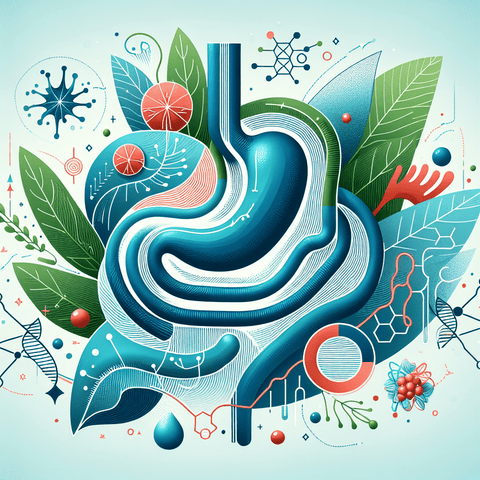
When consumed, vitamin B12 is usually attached to protein in food. In the stomach, natural hydrochloric acid and an enzyme called pepsin help release the B12 so it can be used. This free B12 then binds to a protein called haptocorrin, and later, in the small intestine, it combines with a critical protein called intrinsic factor. This B12-intrinsic factor complex is then absorbed in the ileum, the final part of the small intestine, and can enter the bloodstream. Any disruption at these stages can impact how well you absorb B12.
The Role of Intrinsic Factor in B12 Absorption
Intrinsic factor is a protein produced by parietal cells in the stomach. Without it, B12 cannot be efficiently efficiently absorbed into the bloodstream. This is why conditions or surgeries that reduce intrinsic factor production, such as pernicious anemia or gastric bypass, can lead to deficiency even with adequate dietary intake.
B12 Absorption vs. B12 Intake: Understanding the Difference
It is a common misconception that eating a diet rich in B12 guarantees a healthy B12 status. However, intake is only the first step. Absorption is the factor that determines how much of what you consume actually reaches your bloodstream. Two people with identical diets can have very different B12 status if one has poor absorption due to age, condition, or medication use.
Key Factors That Influence B12 Absorption
Several factors can influence how well your body absorbs vitamin B12. Understanding these factors can help you identify potential obstacles and take steps to improve your B12 status.
Why Stomach Acid Levels Matter
Stomach acid plays a vital role in releasing B12 from food proteins. Low stomach acid is a common issue, especially as we age or when taking acid-reducing medications such as proton pump inhibitors (PPIs). This can make it harder to extract B12 from whole foods, which is why many older adults are advised to consume fortified foods or supplements that do not require this initial breakdown.
How Digestive Health and the Gut Microbiome Impairs Uptake
A healthy digestive system is essential for proper B12 absorption. Conditions that damage the stomach lining or the ileum—such as Crohn's disease, celiac disease, or bacterial overgrowth—can have a substantial impact. These conditions can reduce stomach acid production, impair the intestine's ability to absorb B12, or even compete with your body for uptake, leading to suboptimal status even with a balanced diet.
Younger Adults and Age-Related Absorption Challenges
As we grow older, the stomach naturally produces less acid, and the risk of gastritis increases. This can make it difficult to absorb B12 from food. This is why the recommended dietary allowance for B12 is often higher for adults over 50, with a recommendation that most of this age group get their B12 from fortified foods or supplements rather than relying on animal products alone.
How Medications and Alcohol Can Interfere with B12 Levels
Certain medications can interfere with the B12 absorption process. Long-term use of metformin for diabetes and acid-suppressing drugs can reduce B12 status. Chronic alcohol consumption can also impact absorption by damaging the stomach lining and liver, which are both important for B12 storage and processing. It is always important to be aware of how medications and lifestyle factors can affect overall nutritional status.
Spotting a Potential B12 Extraction Problem
Poor B12 absorption can lead to a deficiency, which may cause a wide range of symptoms. Because these symptoms can be subtle and overlap with other conditions, recognizing them is key, but it's equally important to get a proper diagnosis.
Neurological Symptoms and Low B12 Status
One of the first effects of a B12 deficiency is often a neurological symptom. These can include tingling or numbness in the hands and feet, balance problems, difficulty walking, and cognitive changes like memory issues or 'brain fog'. This is because B12 is crucial for the maintenance of the myelin sheath that surrounds and protects nerves.
Common Physical Symptoms of B12 Deficiency
These can include unusual fatigue, weakness, a pale or jaundiced complexion, shortness of breath when active, and dizziness. These are often related to anemia, which can develop when B12 levels are too low to support healthy red blood cell formation.
Why Symptoms Should Prompt You to Talk to a Professional
Other neurological symptoms can be caused by other conditions, such as a thyroid disorder, iron deficiency or depression. For this reason, relying on your symptoms alone is not reliable. A blood test can measure markers of B12 status and reveal a deficiency, this is the most accurate way to confirm the root of the problem.
Improving B12 Absorption Through Diet and Supplements
Once you understand the factors that affect your B12 absorption, you can take steps to support it. This often involves a two-part approach: ensuring adequate intake through diet and, when necessary, using supplements.
B12-Rich Foods and Fortified Foods to Include
Natural B12 is found almost exclusively in animal products, including meat, fish, eggs, and dairy. For vegans and strict vegetarians, drinks, breakfast cereals, and nutritional yeast are key sources. However, for individuals with poor absorption from food, maximizing dietary intake may not be enough, which is when supplements become valuable.
An Overview of B12 Supplement Forms
B12 supplements are available in several forms. Cyanocobalamin is a stable, synthetic form that is converted to the active coenzyme in the body. Methylcobalamin is already in a biologically active form. Hydroxocobalamin is often used in injections. For most people, cyanocobalamin is a well-researched and efficient option, while methylcobalamin may be a choice for those looking for a pre-formed active form.
Choosing the Right Delivery: Sublingual, Oral, and High-Dose Options
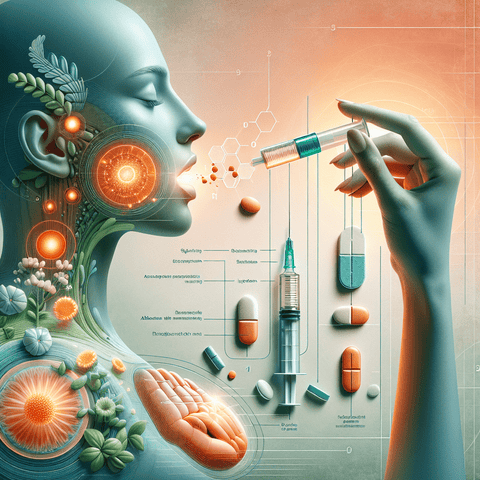
Supplements are available as standard oral tablets, capsules, gummies, and sublingual preparations that dissolve under the tongue. For many, people with healthy digestive systems, a standard tablet is sufficient. Sublingual methods are designed to bypass digestion and absorb directly through the mouth, which can be beneficial for those with significant malabsorption. High-dose oral supplements (1,000 to 5,000 micrograms) leverage passive diffusion, allowing a small amount of B12 to be absorbed even without intrinsic factor.
Who Should Consider B12 Supplementation?
Certain groups have higher needs for B12 from supplements or are at increased risk of poor absorption. These groups often may benefit most from B12 supplementation.
- Vegans and strict vegetarians are at risk of low intake because B12 is almost exclusively found in animal foods.
- Older adults with reduced stomach acid due to atrophic gastritis or low gastric acid.
- Individuals with digestive disorders like Crohn's disease, celiac disease, or small intestine bacterial overgrowth.
- People who have had weight loss surgery or stomach/intestinal surgeries that restrict absorption.
Supplementation for Vegetarians and Vegans
For individuals following a completely plant-based diet, routine B12 supplementation is a widely recommended safety strategy. Fortified foods can be a source, but relying on them sporadically is risky. High-quality supplements offer a practical and dependable way to ensure adequate levels.
When Should You Get Your B12 Levels Tested?
If you are in a high-risk group or are experiencing symptoms that could be related to B12 deficiency, a blood test can provide a clear picture. Testing for just B12 in the blood can be a great first step. Your doctor might also test for methylmalonic acid (MMA), which can be more sensitive to a functional deficiency of B12.
B12 Supplementation: Safety and Practical Choices
General Safety of B12 Supplements
Vitamin B12 is a water-soluble vitamin, and the body's ability to excrete the excess is efficient. No upper limit has been established because of its low toxicity. Doses far above the recommended dietary allowance are generally considered safe, but taking more does not necessarily mean better absorption. Consistent, moderate intake is often the best approach.
How to Read a B12 Supplement Label
When choosing a B12 supplement, look at the form of the nutrient and the dosage. A laboratory-tested product from a reputable brand is a good start. The % Daily Value (%DV) is based on 2.4 mcg for most adults, but supplements often intentionally exceed this. It's important to know that B12 absorption is typically less than 100% for regular, small doses. Therefore, even a supplement with 500mcg is often considered a suitable dose for maintenance for someone with a minor concern.
Considering a Broader Nutrient Approach: B-Complex and Multivitamin Benefits
B vitamins work together in the body's energy and metabolic pathways. If you are looking for overall support, considering our [B-complex vitamin collection](https://www.topvitamine.com/collections/vitamin-b-benefits-sources-safety) may be a practical way to cover multiple bases at once. Also, a well-designed [multivitamin guide](https://www.topvitamine.com/collections/multivitamins-guide-ingredients-usage-safety) can show you how B12 fits into a balanced nutritional routine.
Exploring the Full B12 Topic
B12 absorption is a topic with many layers. From the role of food and gut health to genetic and medical considerations, there is a great deal to explore. Below are some of the important sub-topics within the B12 absorption topic that are commonly asked about.
- The role of [cyanocobalamin vs. methylcobalamin]. (This would be a complete article.)
- Can I take B12 on an empty stomach?
- Are sublingual drops more effective than swallowable tablets?
- What is pernicious anemia and how does it relate to B12 absorption?
- How does long-term use of PPI's (acid reducers) affect B12?
Frequently Asked Questions About B12 Absorption
You'll find quick answers to the most common questions people have about B12 absorption. For deeper dives, we hope our related articles will be a great resource. As always, this information is for educational purposes and should not be used as medical advice. For a proper diagnosis and any treatment plan, please contact a healthcare professional.
What helps absorption of vitamin B12?
Several healthy factors can improve B12 absorption. A well-functioning digestive system is key, in addition to adequate stomach acid production. Ensuring the stomach is acidic enough to release the B12 from food, and having a healthy intestinal lining for absorption in the ileum are helpful. For those with problematic food absorption, taking a supplement, especially sublingual or in high enough doses, activates the diffusion pathway, which allows absorption even when intrinsic factor is insufficient.
How can you tell if your body is not absorbing B12?
Common signs of poor B12 absorption include fat fatigue, and neurological problems, like tingling in the hands and feet. Because these symptoms can also be caused by other conditions, the only way to truly diagnose poor absorption is with a blood test. It can directly assess levels of B12 and other markers, helping to clarify whether it's the diet that's the issue.
What blocks vitamin B12 absorption?
Several things can block absorption. Prolonged use of PPI and H2 blockers reduces stomach acid, which is needed to or release B12 from food. Additionally, certain medications or digestive conditions (like celiac disease or Crohn's) can interfere with the function of the ileum. Bacteria from small intestine overgrowth can also consume B12. And severe damage or iron deficiency can prevent the stomach cells from producing stomach acid in the first place.
When should I take B12 for best absorption?
B12 is a water-soluble vitamin, and taking it on an empty stomach is often the most efficient way to absorb it, especially for a supplement. However, some people find that taking the supplement with food is more comfortable. The intestinal absorption process requires binding to intrinsic factor for the most efficient and it works for the body, regardless of taking with food.
B12 Absorption Management to Support You
We have the best B12 absorption process is a critical foundation for healthy B12. It directly affects your health, energy, and nervous system performance. To manage these factors, there's your individual health profile, and getting a blood test if you have concerns is the best first step. Whether you get your B12 from food or supplements, understanding your gut health and finding the right approach is an investment in your well-being.
Key Takeaways for a Healthy B12 Status
- B12 absorption can be a complex process, requiring stomach acid, intrinsic factor, and a functioning small intestine.
- Free running factors like age, stomach acids, digestive issues, and long-term medication use can all impact B12 absorption.
- A variety of foods contain B12, but absorption is not guaranteed, making fortified foods and secondary sources correct for some individuals.
- Active B12 is essential for your nerves, red blood cells, and energy, so correcting poor absorption has amazing health benefits.
Where to Go Next
Here at Top-Vitamine, we offer a variety of educational resources to help you make an informed decision about your health. For more on why these essential vitamins are so important, explore our [mineral supplements guide](https://www.topvitamine.com/collections/mineral-supplements-guide-iron-zinc-selenium-iodine-copper-manganese-chromium) or delve into [sports supplements guide](https://www.topvitamine.com/collections/sports-supplements-guide) for long-term women's wellness. You can also browse our selection of high-quality [Natures Plus Supplements](https://www.topvitamine.com/collections/natures-plus-supplements) for trusted formulations.