What Are B12 Absorption Aids and Why Do They Matter?
Defining B12 Absorption Aids: More Than Just the Vitamin Itself
When we talk about b12 absorption aids, we are referring to a combination of nutrients, lifestyle habits, and supplement formats that help your body utilize vitamin B12 more effectively. It's not just about how much B12 you consume; it's about how much of it your body can actually extract and put to use. This is a critical distinction because B12 has a complex and delicate journey through your digestive system, and several barriers can prevent even a well-balanced diet from delivering the benefits you expect.
The Digestive Journey of Vitamin B12: From Food to Cells
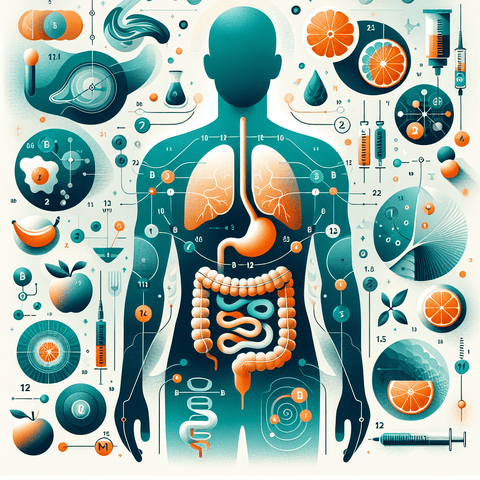
Understanding B12 absorption begins in the stomach. Here, stomach acid releases the vitamin from the proteins in food. It then binds to a protein called haptocorrin, which protects it as it travels to the small intestine. In the duodenum, enzymes free the B12, allowing it to bind to something called intrinsic factor—a protein produced by stomach cells. This B12-intrinsic factor complex is what your ileum (the last section of the small intestine) can absorb into the bloodstream. Any disruption to this chain—from low stomach acid to gut inflammation—can severely impair how well you absorb this vital nutrient.
What Will This Guide Help You Understand?
This guide is designed to walk you through every factor that influences B12 uptake. You will learn why B12 is essential, how to spot early signs of low status, and what dietary and lifestyle choices can improve your natural absorption. We will also explore how specific supplement forms and supporting nutrients can make a meaningful difference, helping you make an informed choice based on your personal health profile rather than guesswork.
Why Vitamin B12 Absorption Is Crucial for Your Health
The Physiological Role of B12: Energy, Nerves, and Red Blood Cells
Vitamin B12 is a powerhouse nutrient. It plays a non-negotiable role in DNA synthesis, red blood cell formation, and the maintenance of the myelin sheath that insulates your nerves. Without adequate B12, your body struggles to produce healthy red blood cells, which can lead to a specific type of anemia characterized by fatigue and weakness. For your nervous system, B12 is essential for nerve signaling, and even a mild insufficiency may impact cognitive function and mood.
The Difference Between Dietary Intake and Actual Bioavailability
Bioavailability is the measure of how much of a nutrient you consume that actually reaches your bloodstream. With B12, bioavailability is notoriously variable. For example, a healthy adult may only absorb about 50% of the B12 from a standard oral supplement, and even less from food if digestive issues are present. This is why simply "eating enough" on paper doesn't always translate to adequate cellular levels. The efficiency of your gut, the presence of intrinsic factor, and the form of B12 you consume all dictate your final bioavailability.
How Poor Absorption Impacts Daily Wellbeing
When absorption is suboptimal, you may experience a slow, insidious decline in energy. This isn't just about feeling tired; it's a systemic issue. Poor B12 status can manifest as brain fog, difficulty concentrating, and even changes in mood. Over time, chronic low absorption can lead to neurological symptoms like tingling in the hands and feet—a sign that nerve health is being compromised. Optimizing absorption is therefore not just about hitting a daily target; it's about protecting your long-term neurological and metabolic health.
Recognizing the Signs of Low B12 Status
Common Symptoms Associated with B12 Insufficiency
Symptoms of low B12 can be subtle at first. You might notice persistent fatigue that rest doesn't fix, shortness of breath with mild exertion, or a pale complexion. Neurological signs are also common and can include a "pins and needles" sensation in the extremities, balance issues, and memory lapses. Digestively, some people experience a sore tongue or changes in bowel habits. These signs are signals from your body that it isn't getting the raw materials it needs to function optimally.
Why Symptoms Alone Are Not a Diagnosis
It is crucial to understand that these symptoms are not exclusive to B12 deficiency. Fatigue, brain fog, and mood changes can also stem from iron deficiency, thyroid dysfunction, or even chronic stress. While recognizing symptoms is a great first step, self-diagnosing is often inaccurate. If you suspect a problem, track your symptoms but don't stop there—seek professional testing to verify what's actually going on internally.
When to Consider a Blood Test for B12 Levels
A blood test is the most reliable way to assess your B12 status. If you are experiencing persistent symptoms, follow a plant-based diet, or have a digestive condition, asking your healthcare provider for a serum B12 test is a wise move. More advanced tests, such as methylmalonic acid (MMA) and homocysteine levels, can detect a functional deficiency even when serum B12 appears normal. These tests look at whether B12 is actually working at the cellular level, which provides a more accurate picture of your true status.
Common Causes and Risk Factors for Poor B12 Absorption
Age-Related Decline in Stomach Acid and Intrinsic Factor
As we age, our stomach naturally produces less acid. This is a condition known as hypochlorhydria. Because stomach acid is required to release B12 from food, older adults often struggle to absorb the vitamin from dietary sources. Furthermore, some older individuals develop atrophic gastritis, a condition that reduces the production of intrinsic factor—the protein essential for B12 uptake in the intestines. This is why the recommendation for B12 intake often increases for those over 50.
Dietary Patterns: Vegan and Vegetarian Diets
B12 is naturally found almost exclusively in animal products. For vegans and strict vegetarians, dietary intake is often minimal. While some plant-based foods are fortified, relying on them exclusively can be risky. Since plant foods do not contain active B12, individuals on these diets face a high risk of deficiency unless they consistently consume fortified foods or turn to supplements to bridge the gap.
Gastrointestinal Conditions and Surgical History
Your gut is the gateway for absorption. Conditions like Crohn's disease, celiac disease, and inflammatory bowel disease (IBD) damage the intestinal lining and impair absorption. Similarly, surgeries such as gastric bypass or bowel resection physically alter the digestive tract, bypassing or removing the areas where B12 is absorbed. In these cases, dietary intervention is often insufficient, and more aggressive supplementation strategies are usually required to maintain healthy B12 levels.
The Impact of Long-Term Medication Use (e.g., Proton Pump Inhibitors, Metformin)
Certain medications are well-documented to interfere with B12 absorption. Proton pump inhibitors (PPIs) used for acid reflux reduce stomach acid production, which is necessary for extracting B12 from food. Similarly, Metformin, a common diabetes medication, has been shown to reduce B12 absorption over time. If you take these medications long-term, it's important to discuss B12 monitoring with your doctor, as you may need a supplement that bypasses the need for stomach acid.
Lifestyle Factors and Alcohol Consumption
Heavy alcohol consumption directly interferes with B12 absorption and liver storage. Alcohol irritates the stomach lining, reducing acid secretion and damaging the cells that produce intrinsic factor. Chronic alcohol use also impairs the liver's ability to store B12, leading to depletion over time. Moderating alcohol intake is a practical lifestyle change that can significantly improve your body's ability to retain this nutrient.
Why B12 Needs Vary From Person to Person
Genetic Variations (MTHFR and Others) and B12 Metabolism
Your genetic makeup influences how well you convert dietary B12 into its active forms. While B12 is absorbed as either cyanocobalamin or methylcobalamin, it must be converted into methylcobalamin and adenosylcobalamin to be used by your body. Variations in genes like MTHFR can impair the methylation cycle, meaning some individuals benefit more from taking pre-methylated forms like methylcobalamin directly, rather than relying on synthetic forms that require extra conversion steps.
Individual Gut Health and Microbiome Differences
Emerging research suggests that the gut microbiome plays a supportive role in B12 synthesis, though the exact extent in humans is still being studied. A healthy, diverse microbiome supports overall gut integrity, which improves absorption efficiency. Conversely, an imbalanced gut, often caused by poor diet or antibiotic use, can create inflammation that reduces the intestine's ability to absorb nutrients, including B12.
How Existing Nutrient Levels (Folate, Iron) Affect B12 Utilization
B12 does not work in isolation. It is part of a complex network of nutrients. Folate (Vitamin B9) and B12 work together in the methylation cycle to produce red blood cells and manage homocysteine levels. If you are low in folate, B12 utilization can be impaired, and vice versa. Iron is also critical, as it works alongside B12 and folate to build healthy red blood cells. Optimizing your intake of these supporting nutrients is a key b12 absorption aid that is often overlooked.
Diet First: Natural Food Sources and Lifestyle Strategies
Animal-Based Sources: Clams, Liver, Fish, and Eggs
For those who consume animal products, obtaining B12 is straightforward. Clams top the list, providing over 1,400% of the daily value in a single serving. Beef liver, salmon, and tuna are excellent sources, as well. Eggs and dairy products—like milk and yogurt—also contain B12, though in lower amounts. Simply prioritizing these foods regularly can help maintain healthy levels in individuals without underlying absorption issues.
Fortified Foods: A Practical Option for Plant-Based Diets
Fortified foods are a lifesaver for vegans and vegetarians. Nutritional yeast, plant-based milks (soy, almond, oat), and certain breakfast cereals are often enriched with cyanocobalamin, the stable synthetic form of B12. However, it's crucial to read labels carefully. B12 fortification is not universal, and relying on a single "healthy" product may not provide enough. You need to ensure you are consistently consuming fortified foods multiple times a day to meet the requirement.
Lifestyle Habits to Support Stomach Acid and Gut Health
Optimizing your digestive environment aids natural B12 absorption. Simple habits like chewing food thoroughly and avoiding drinking large amounts of water with meals can improve stomach acid efficiency. Some experts suggest consuming bitter foods or apple cider vinegar before meals to stimulate acid production, though this is not a cure-all. The goal is to create the most acidic and efficient digestive environment possible to release B12 from the protein matrix of food.
The Importance of Chewing and Meal Timing
Digestion begins in the mouth. Chewing breaks food into smaller particles, increasing the surface area for stomach acid to work on. Additionally, spacing out large protein meals can prevent overloading the digestive system. For older adults or those with low stomach acid, splitting protein intake across smaller meals allows for more thorough digestion and better B12 extraction from food.
The Role of Nutritional Supplements in B12 Absorption
Understanding the Different Forms: Cyanocobalamin vs. Methylcobalamin
When dietary intake is insufficient, supplements are the most reliable b12 absorption aid. There are two primary forms found in supplements. Cyanocobalamin is a synthetic, stable, and cost-effective form that the body must convert to active coenzymes. Methylcobalamin is the naturally occurring, active form, which is already methylated and can be used immediately by the body. For those with methylation issues or who prefer a directly active form, methylcobalamin is often the preferred choice, though cyanocobalamin remains highly effective for the general population.
Why Sublingual, Liquid, and Spray Formats Bypass Digestive Barriers
For individuals with gut issues, stomach acid deficiency, or intrinsic factor problems, oral tablets may not be enough. This is where sublingual drops, lozenges, and sprays become valuable. These delivery methods allow B12 to be absorbed directly through the mucous membranes under the tongue or lining of the cheeks, entering the bloodstream directly and bypassing the stomach and intestine entirely. This is a powerful strategy for older adults or those with GI conditions who cannot rely on traditional digestive absorption.
The Role of Intrinsic Factor in Supplement Formulas
Some specialized supplement formulas include intrinsic factor (IF) itself. For individuals with pernicious anemia—an autoimmune condition that destroys intrinsic factor production—oral IF-containing lozenges can help facilitate absorption in the ileum. While injections are the traditional treatment for this condition, research has shown that high-dose oral or sublingual B12 with IF can successfully maintain B12 levels in many patients without the need for painful injections.
Supporting Nutrients: Folate (B9), Vitamin B6, and Calcium
As mentioned, B12 works in a synergistic network. Folate and Vitamin B6 are essential partners in the methylation cycle, helping to convert homocysteine to methionine and supporting DNA repair. Calcium is also critical because it is required for the release of B12 from intrinsic factor in the ileum, allowing it to be absorbed into the bloodstream. A B-complex supplement that includes these nutrients can enhance B12 utilization and overall cellular health.
What About Probiotics and Gut Health Supplements?
Healthy digestion is the foundation of B12 absorption. Probiotics and prebiotics help maintain a healthy gut lining and a balanced microbiome. By reducing intestinal inflammation and improving gut barrier integrity, probiotics create a more favorable environment in the ileum, which may indirectly support B12 absorption. For individuals recovering from antibiotic use or with stress-related gut issues, adding a quality probiotic supplement is a sensible adjunct to improve overall nutrient uptake.
When Supplementation Becomes a Reasonable Option
Bridging the Gap for Vegans and Strict Vegetarians
Supplementation for vegans is not just a recommendation; it is a necessity to prevent deficiency. Since natural dietary sources are virtually absent in a strict plant-based diet, a reliable supplement ensures you meet your physiological needs. Sublingual or spray formats are effective for this group because they bypass the digestive variability of gut health, guaranteeing a steady influx of active B12 into the bloodstream.
Supporting Absorption for Adults Over 50
As we age, the physiological changes in stomach acid production make it harder to absorb B12 from food. Public health guidelines often recommend that individuals over 50 get their primary B12 intake from supplements or fortified foods rather than natural food sources alone. High-dose sublingual formulations are an excellent option here, as they bypass the need for adequate stomach acid entirely, providing a direct route to the bloodstream.
Addressing Chronic Digestive Conditions
If you have celiac disease, Crohn's disease, or have undergone gastric surgery, your intestine's ability to absorb B12 is compromised. In these cases, oral tablets often fail to raise B12 levels. Switching to a sublingual or liquid form is a logical and effective step. These methods deliver the nutrient directly into the bloodstream, reducing the workload on a damaged or altered digestive tract and helping to circumvent the intestinal barriers to absorption.
General Support vs. Treating a Clinically Diagnosed Deficiency
it is vital to distinguish between taking a supplement for general wellness and treating a diagnosed deficiency. For general support, a moderate dose B-complex or B12 spray is sufficient. However, if a blood test has confirmed a clinical deficiency, higher therapeutic doses (often 1,000 mcg or more) may be necessary. These high doses are designed to drive B12 into the bloodstream via passive diffusion—a process that doesn't require intrinsic factor—allowing roughly 1-2% of the huge dose to be absorbed, which is enough to correct a deficiency.
How to Choose the Right B12 Supplement
Evaluating Dosage: High-Dose vs. Low-Dose Strategies
Dosage should match your specific needs. For a healthy adult eating a balanced diet, a low-dose multivitamin (usually 2.4 - 10 mcg) is often enough to cover the "gap." However, for those with absorption issues or strict vegans, a high-dose supplement (500 – 1,000 mcg) is typically used to overcome absorption inefficiencies. High doses ensure that even with poor gut absorption, a sufficient amount of B12 will diffuse passively into the bloodstream.Always consider your diet and health status before selecting a dosage.
Comparing Delivery Methods: Tablets, Capsules, Sublingual Drops, and Injections
Tablets and capsules are convenient but rely on stomach acid and intrinsic factor for absorption. Sublingual drops and sprays bypass the gut, delivering B12 directly into the bloodstream via the oral mucosa, making them the most efficient oral method. Injections, usually administered by a healthcare provider, provide the fastest and most reliable correction of a severe deficiency. For daily and preventive use, sublingual drops or sprays are often the most effective and user-friendly choice.
Single-Ingredient Formulas vs. Combination B-Complex Products
A B-complex supplement includes all eight B vitamins, which work together to support energy metabolism. If you are generally healthy but looking for an energy boost, a B-complex might be a good choice. However, if you have a specific B12 deficiency or a high risk of one, a single-ingredient B12 supplement in a high dose may be more appropriate. This allows you to target the deficiency precisely without high levels of other B vitamins that might tip the balance of your metabolism.
Matching the B12 Form to Your Health Needs
Choose the form that matches you. Cyanocobalamin is the most stable and cheapest, making it ideal for budget-friendly general supplementation. Methylcobalamin is beneficial for those who prefer the active form or have genetic mutations in the MTHFR gene that impair conversion. Hydroxocobalamin is another natural form found in food and often used in injections, known for its good tissue retention. Research does not definitively show that one form is "better" for everyone, but choosing methylcobalamin eliminates the burden of conversion, which can be beneficial.
Identifying Purity, Allergens, and Dietary Preferences (Vegan, Gluten-Free)
Always check the label for allergens. Ensure the product is free from gluten, soy, and dairy if you have sensitivities. For vegans, verify that the capsules are plant-based (cellulose, not gelatin). Look for products with minimal ingredients, avoiding artificial colors, flavors, and unnecessary fillers. A clean supplement profile reduces the risk of unwanted reactions and ensures you are getting the nutrient without chemical additives that can stress your liver.
What to Look for on the Label: A Practical Checklist
Decoding "Active" vs. "Inactive" Forms of B12
Look for the specific chemical name, not just "B12." "Methylcobalamin" and "Hydroxocobalamin" are active or naturally occurring forms. "Cyanocobalamin" is inactive until your body converts it. While the cyanide molecule in cyanocobalamin is bound and non-toxic, some people prefer to avoid it. Knowing this distinction helps you choose a product that aligns with your body's ability to process it and your personal philosophy on supplementation.
Understanding Serving Size vs. Total Methylcobalamin Content
Check the "Supplement Facts" box carefully. Sometimes a product will list a serving size of two capsules, but each capsule contains only half of the labeled dose. Ensure you understand how much B12 you are getting per actual serving. Also, note whether the amount listed includes the base B12 compound or only the active B12 within it. This clarity ensures you aren't inadvertently under- or over-dosing.
Quality Indicators: Third-Party Testing and Certifications
Look for brands that undergo third-party testing via organizations like USP, NSF, or ConsumerLab. These certifications indicate that the product contains what it claims on the label and is free from heavy metals and contaminants. While these certifications are not required, they signal a higher level of quality control and trustworthiness from the manufacturer.
Avoiding Unnecessary Additives and Artificial Fillers
High-quality supplements are often simple. Avoid products with long lists of ingredients, particularly those with titanium dioxide, magnesium stearate, or synthetic dyes. These fillers add unnecessary chemical load to your body. Opt for products that list just the B12 (in its chosen form) and a base of cellulose or vegetable glycerin for liquid versions. Purity is paramount when you are looking to optimize your body's nutrient absorption.
Who Should Consider Adding a B12 Absorption Aid?
Older Adults and Individuals with Atrophic Gastritis
Adults over 50 with reduced stomach acid or a diagnosis of atrophic gastritis should strongly consider an absorption aid. Sublingual drops or a vitamin supplement containing intrinsic factor are the most effective options for this group. These formats bypass the compromised gastric environment, ensuring that the B12 reaches the bloodstream without requiring the digestive processes that have declined with age.
People Following Plant-Based Diets
Anyone on a strict vegan or vegetarian diet should incorporate a B12 supplement as a daily absorbable aid. Sublingual sprays are particularly effective here because they ensure the nutrient is absorbed before it can be affected by dietary inhibitors present in plant foods, such as phytates. This guarantees that your B12 needs are met consistently, regardless of how much fortified food you manage to consume.
Those Taking Acid-Reducing Medications Long Term
If you take PPIs or H2 blockers for acid reflux, your natural B12 absorption is impaired. You do not need to stop your medication, but you should add a sublingual B12 supplement. This provides an absorption pathway that does not require stomach acid, protecting you from the deficiency risks associated with long-term acid suppression.
Individuals with Inflammatory Bowel Disease or Celiac Disease
If you have IBD, Crohn's, or Celiac disease, the health of your small intestine is compromised. The ileum—the B12 absorption site—is often the most inflamed area. A sublingual spray or liquid allows B12 to enter the bloodstream directly, bypassing the inflamed gut entirely. This "bypass" method is the most reliable way to maintain B12 status when dealing with chronic gut inflammation.
The Importance of Professional Guidance for Blood Testing
While understanding these strategies is helpful, it is always best to consult a healthcare provider for a blood test before starting high-dose supplements. A simple test can tell you if you are truly deficient or just borderline. Your doctor can also help you determine the underlying cause and monitor the effectiveness of your chosen supplement strategy, adjusting the form and dose as needed.
Safety, Interactions, and Professional Advice
Understanding the Upper Intake Limits and Toxicity Potential
B12 is a water-soluble vitamin, meaning your body excretes any excess in urine. It is considered generally safe with a very low risk of toxicity. No tolerable upper intake level (UL) has been established for natural B12. However, it is still advisable to adhere to recommended dosages to avoid wasting money and to prevent masking underlying conditions, such as pernicious anemia or spinal cord issues, if high doses are taken without proper diagnosis.
Potential Interactions with Medications and Other Supplements
B12 supplements can interact with certain medications. For example, they can reduce the effectiveness of chloramphenicol, an antibiotic. Conversely, drugs like colchicine for gout and certain seizure medications can interfere with B12 absorption. If you are taking any medication, reviewing the supplement label with your pharmacist is necessary to prevent unintended interactions and ensure the supplement is not disrupting your medical treatment.
Safety Considerations During Pregnancy and Lactation
Adequate B12 is crucial during pregnancy for fetal brain and spinal cord development. Deficiency in mothers has been linked to neural tube defects. Pregnant women—especially those on plant-based diets—should ensure they are supplementing with at least the recommended daily allowance. Always consult with an obstetrician to determine the exact dosage needed to support both maternal health and fetal development without risking over-supplementation.
When to Consult a Healthcare Provider Before Starting
If you have a pre-existing medical condition like kidney disease, or if you are on immunosuppressants, consult your doctor before taking high-dose B12. While B12 is safe for most, underlying metabolic conditions can alter how you process the vitamin. Professional guidance is vital to navigating these complexities and ensuring your supplementation strategy is both safe and effective for your unique medical situation.
Making an Informed Decision: Diet, Supplements, or Both?
Assessing Your Personal Risk Factors and Dietary Intake
Take a moment to evaluate your lifestyle. Are you over 50? Do you take PPIs? Are you strictly vegan? Do you have digestive issues? If you answer yes to any of these, your dietary intake alone is likely not sufficient to maintain optimal levels. The first step is to honestly assess your risk factors and then decide whether dietary changes can realistically bridge the gap, or whether a supplement is necessary to fill in the blind spots.
How to Test Whether Dietary Changes Alone Are Sufficient
The only way to know if diet is enough is to track your intake and monitor your blood work. If you eat foods like clams, liver, and salmon regularly, you might be fine. However, if you notice symptoms of fatigue or cognitive decline, a blood test is the only way to confirm whether your dietary efforts are paying off. Don't guess—verify. This is the most scientific and responsible way to approach your health.
A Practical Framework for Integrating B12 Absorption Aids
Start with a sublingual spray or drops containing methylcobalamin. Begin with a low-to-moderate dose (around 250-500 mcg) daily. After 8-12 weeks, get a follow-up blood test to see if your levels have stabilized or increased. If they have, maintain the protocol. If not, you may need to increase the dose or switch to a form containing intrinsic factor. This "test, treat, retest" framework ensures you are not over-supplementing while effectively correcting any imbalances.
The Bottom Line on Monitoring Your B12 Status
Optimizing B12 is a balance between intake and absorption. Whether you choose diet, supplements, or a mix of both, your goal should be stable, healthy blood levels. Regular monitoring is the only way to ensure you are on the right track. As always, for a complete guide on how B12 fits into the broader spectrum of B vitamins for energy metabolism, check out our dedicated vitamin B collection.
Final Thoughts on Optimizing Your B12 Absorption
Recap: Prioritize Food, Then Smart Supplementation
Your journey to optimal B12 should always start with a diet rich in nutrient-dense foods. However, be pragmatic about the limitations of your individual gut health and age-related changes. Where food falls short, a high-quality, bioavailable supplement acts as a reliable safety net. Pairing a natural diet with strategic supplementation using sublingual or methylated forms is the most robust approach to boosting your B12 absorption.
The Path to Sustainable Energy and Long-Term Health
Sustainable energy is not just about caffeine; it's about cellular health. By ensuring your body can efficiently absorb and utilize B12, you are supporting your nervous system, red blood cell production, and DNA synthesis. This translates into better energy, clearer thinking, and a stronger foundation for long-term health. You can explore more targeted health requirements by visiting our mineral supplement guide to ensure you have a full spectrum of supporting nutrients.
Taking the Next Step Toward an Informed Choice
Don't leave your health to chance. Take the information you've learned here and apply it to your daily routine. Whether that means adding more clams to your diet, switching to a sublingual spray, or finally asking your doctor for a blood test, taking action is the first step. For those looking to support their overall vitamin intake, reviewing a high-quality multivitamin guide can provide a solid base for your nutritional pyramid.
Key Takeaways
- B12 absorption is a complex process that requires adequate stomach acid, intrinsic factor, and a healthy ileum; a disruption in any step can lead to deficiency.
- Dietary intake and bioavailability are different; you can eat plenty of B12 but still be deficient if your gut cannot absorb it.
- Age over 50, chronic use of acid reducers, vegan diets, and gut conditions are major risk factors for low B12 status.
- Food sources like clams, liver, and fish are excellent, but plant-based diets typically require supplementation to meet B12 needs.
- Sublingual drops and sprays bypass the digestive tract, making them effective absorption aids for those with gut issues or low stomach acid.
- Methylcobalamin is a pre-activated form, which may be more suitable for individuals with genetic variations like MTHFR.
- B12 works with folate and iron; ensure adequate intake of these co-factors to optimize metabolic utilization and prevent anemia.
- Always seek a blood test for diagnosis; symptoms alone are not reliable indicators of a B12 deficiency.
Frequently Asked Questions
What are B12 absorption aids?
B12 absorption aids are methods or ingredients that improve the uptake of vitamin B12 in the body. This can include sublingual delivery methods that bypass the gut, intrinsic factor supplements, or co-factors like folate and calcium that support B12 metabolism. Essentially, they ensure that more of the vitamin you consume actually reaches your cells.
What is the best form of B12 supplement for poor absorption?
Sublingual drops, lozenges, or sprays are considered the most effective oral forms for poor absorption. They allow B12 to be absorbed directly into the bloodstream through the lining of the mouth, bypassing the stomach and intestines entirely. This is the preferred method for older adults or those with gastric issues.
How long does it take to improve B12 levels with supplements?
With high-dose sublingual or injected B12, improvements in symptoms can often be noticed within a few weeks. However, it may take up to three months to fully replenish your body's stores and normalize blood levels. Regular monitoring and follow-up blood tests are essential to ensure the supplement is working.
Can taking calcium help with B12 absorption?
Yes. Calcium plays a crucial role in the release of B12 from intrinsic factor in the ileum. This release is necessary for B12 to cross the intestinal wall and enter the bloodstream. Having adequate calcium levels is an essential, though often overlooked, component of B12 absorption.
Is cyanocobalamin or methylcobalamin better?
Methylcobalamin is the active coenzyme form, usable immediately by the body, while cyanocobalamin is synthetic and must be converted. For general supplementation, both work well. However, people with MTHFR gene mutations or those who prefer a directly active form may benefit more from methylcobalamin.
Can you take B12 supplements on an empty stomach?
Yes, B12 supplements are generally best absorbed on an empty stomach, usually in the morning. Since they don't rely on food for absorption, taking them with water on an empty stomach maximizes uptake. Unlike fat-soluble vitamins, B12 doesn't require dietary fat for absorption.
Does coffee affect B12 absorption?
Caffeine is a mild diuretic and can increase urination, potentially flushing out water-soluble vitamins. Additionally, some studies suggest that coffee can reduce intestinal absorption of B12 over time. It is advisable to wait at least an hour between drinking coffee and taking your B12 supplement.
What is pernicious anemia and how is it treated?
Pernicious anemia is an autoimmune condition where the body attacks the cells in the stomach that produce intrinsic factor, making it impossible to absorb B12 naturally. It is typically treated with high-dose B12 injections or very high-dose oral supplements with intrinsic factor. This treatment bypasses the need for the body's own intrinsic factor.
Can alcohol consumption lead to B12 deficiency?
Yes. Chronic alcohol consumption damages the stomach lining, leading to reduced stomach acid and intrinsic factor production. It also impairs the liver's ability to store B12. Reducing or eliminating alcohol intake is a crucial step in improving B12 status and overall digestive health.
Are there any side effects of taking high-dose B12 supplements?
B12 is considered very safe due to its water-soluble nature and no established upper limit. High doses are generally excreted in the urine. In rare cases, people may experience mild acne or diarrhea, but these effects are uncommon. Most people tolerate high doses without any adverse effects.
Should vegans take B12 supplements?
Absolutely. A strict vegan diet contains virtually no natural B12. Therefore, supplementation is not just recommended—it is necessary to prevent deficiency. Fortified foods can help, but they are often insufficient to meet daily needs, making a reliable sublingual B12 supplement a critical part of a healthy vegan diet.
What happens if B12 deficiency is left untreated?
If left untreated, B12 deficiency can lead to severe, irreversible neurological damage. This can manifest as peripheral neuropathy (tingling and numbness), balance problems, memory loss, and even cognitive decline. It can also lead to severe megaloblastic anemia, which puts significant strain on the heart. Early intervention is key to preventing long-term complications.
Related Keywords
- b12 absorption aids
- vitamin b12 bioavailability
- methylcobalamin benefits
- sublingual b12 supplement
- intrinsic factor for b12
- b12 deficiency symptoms
- causes of poor b12 absorption
- b12 for vegans and vegetarians
- best form of vitamin b12
- b12 and stomach acid
- high dose b12 supplement
- b12 with folate and iron