
Discover how to navigate b12 dietary sources with an approach that centers on practical planning. This guide highlights meat, dairy, eggs, and fortified options as everyday categories you can reference when building meals. Focusing on b12 dietary sources helps you think about variety and balance across the week, without getting overwhelmed by details. Use these ideas to frame simple, repeatable meal ideas that fit into a busy schedule. Tips for shopping and prep center on recognizing fortification, reading labels, and noting serving sizes. When you’re at the store, compare options within each category and think about how they pair with other ingredients you already buy. Keep a running list of go-to b12 dietary sources and rotate through several items so your meals stay varied. Store perishable items properly and keep quick-access fortified options on hand for fast additions. Easy meal ideas that incorporate b12 dietary sources can be straightforward to assemble. For breakfast, you could pair a protein-containing item with a fortified grain product or dairy item. For lunch, a simple yogurt-based dish or a combination bowl can work, while dinner might feature a main protein with a side that includes a fortified component. These ideas keep the focus on practical, everyday meals that feature b12 dietary sources in a simple way. Different dietary patterns can shape how you use b12 dietary sources. If you follow vegetarian or vegan preferences, consider fortified products to expand your options and keep planning flexible. For those who prefer quick meals, a small rotation of core b12 dietary sources can support speedy planning. The emphasis remains on recognizing and incorporating b12 dietary sources for easy, repeatable meal ideas.
Vitamin B12 Dietary Sources: Discover the Best Foods to Boost Your B12 Levels
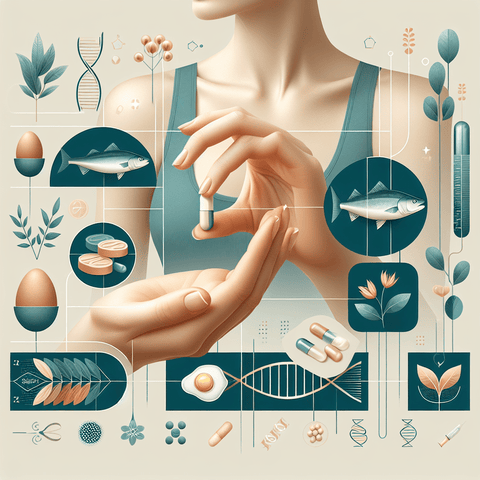
How to meet your B12 requirements through diet and supplementsVitamin B12 is an essential nutrient that supports red blood cell formation, nerve function, and DNA synthesis. Since your body cannot produce B12, you must obtain it from food or supplements. Animal-based foods like shellfish, organ meats, fish, eggs, and dairy are natural sources, while fortified plant milks, cereals, and nutritional yeast provide vegan-friendly options. For many people, supplements offer a reliable way to meet daily needs, especially when dietary intake is limited.B12 absorption tips to maximize the B12 you take inEven if you consume enough B12, your body must absorb it effectively. Absorption begins in the stomach, where acid releases B12 from food, then it binds to intrinsic factor for uptake in the small intestine. Factors like age, acid-reducing medications, gut conditions, and digestive surgeries can impair absorption. Strategies to improve absorption include taking supplements with food, considering sublingual forms, and addressing any underlying digestive issues. In cases of severe deficiency, injections may be necessary under medical supervision.Daily B12 intake: who needs it and how muchDaily B12 needs vary by age and life stage, from 0.4 micrograms for infants to 2.8 micrograms for lactating women. People at higher risk of deficiency include vegans, vegetarians, older adults, pregnant women, and those with gastrointestinal disorders. Regular monitoring through blood tests helps ensure adequate levels. If you are considering supplements, choose reputable products and consult a healthcare provider to determine the right dosage for your situation.