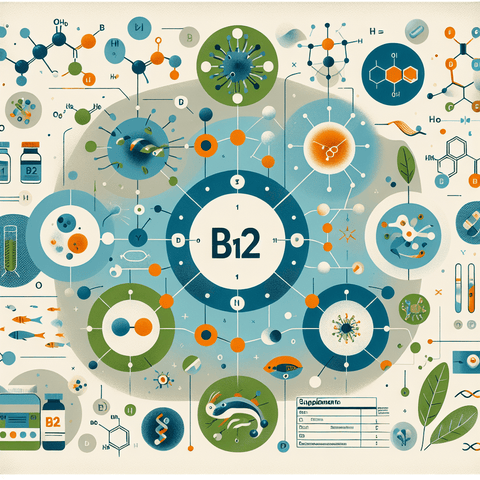
Vitamin B12 is an essential nutrient that plays a vital role in nerve function, red blood cell formation, and DNA synthesis. For individuals following a vegan or plant-based diet, ensuring adequate B12 intake is a critical consideration, as this vitamin is naturally found in significant amounts almost exclusively in animal products. This guide provides a broad, practical overview of vitamin B12 for vegans, exploring why it matters, where to get it from plant-based sources, the different forms of supplements, and general guidance on dosing and monitoring.
Whether you are new to veganism or are seeking a refresher on best practices, this page is designed to be your starting point. It explains the core concepts, introduces the major subtopics, and helps you understand the landscape of B12 nutrition for a plant-based lifestyle. For more detailed questions about specific symptoms, dosage protocols, or in-depth comparisons, please explore the related articles listed on this page.
What Is Vitamin B12 and Why Is It Important for Vegans?
Vitamin B12, also known as cobalamin, is a water-soluble vitamin that is unique in that it contains the mineral cobalt. It is involved in several crucial bodily processes, including maintaining the health of nerve cells, aiding in the production of red blood cells, and helping to make DNA. A deficiency in B12 can lead to a range of health issues, which underscores why it's so important for those on a plant-based diet to pay special attention to this nutrient.
Unlike many other vitamins, B12 is not made by plants or animals; it is produced by bacteria and archaea. Animals obtain B12 by consuming these microorganisms or through their digestive processes, and the vitamin becomes concentrated in their tissues. Since a vegan diet excludes these animal products, it cannot rely on natural food sources for B12. This makes intentional, informed planning essential to ensure adequate intake.
How Do Vegans Get Sufficient B12?
For vegans, there are only two practical ways to obtain B12: consuming fortified foods and taking supplements. Understanding how to use these approaches effectively is key to meeting your nutritional needs.
Fortified Foods as a B12 Source
Many food products are fortified with B12. Common examples for vegans include plant-based milk alternatives, breakfast cereals, meat substitutes, and nutritional yeast. These products can contribute to your daily B12 intake and are a convenient part of a balanced plant-based diet. However, the amount of B12 in fortified foods can vary from product to product, and relying solely on them can be unreliable if your consumption is inconsistent.
Dietary Supplements for a Reliable Intake
Because it can be challenging to get enough B12 from fortified foods alone, dietary supplements are widely recommended for vegans. Supplements provide a consistent, measurable dose of B12, ensuring your body has what it needs. When selecting a supplement, it's important to understand the different forms available and choose one that aligns with your preferences and needs.
What Are the Different Forms of B12 Supplements?
When you look at B12 supplements, you will typically encounter two main forms: cyanocobalamin and methylcobalamin. Understanding the difference between them can help you make an informed choice.
Cyanocobalamin is a synthetic form of B12 that is not found in nature. It is stable and cost-effective, making it the most common form found in supplements and fortified foods. Your body converts cyanocobalamin into the active forms it can use. Methylcobalamin is a naturally occurring, active form of B12 that your body can use directly. It is often preferred by those seeking a more natural form of the vitamin and is a popular choice in vegan supplements.
Both forms are considered effective for maintaining B12 status. The choice often comes down to personal preference, availability, and cost. It's always a good idea to research the forms and choose a high-quality supplement from a reputable brand. For a look at various supplement categories, you might explore our vitamin B supplement collection to see available options.
Practical Dosing and Supplementation Guidance
Dosing guidance for B12 can vary. It is often provided on product labels or recommended by healthcare professionals, and it may be offered in daily, weekly, or other regimens depending on the delivery form. For example, high-dose supplements might be taken weekly, while lower doses might be part of a daily routine. The right approach depends on your individual circumstances.
When selecting a method, it's important to rely on reputable products and to seek professional input to determine what approach aligns with your health needs and monitoring plan. A healthcare provider can offer personalized guidance on the most appropriate dosage and form for you, helping you navigate the options with confidence.
The Role of Testing in Monitoring B12 Status
Monitoring your B12 levels is a proactive way to ensure your supplementation strategy is working. Testing can help confirm that your intake is sufficient and that your body is absorbing the nutrient effectively.
Common assessments can include different measures used to gauge B12 status. A clinician can guide which tests are appropriate, how to interpret the results, and when to reassess your levels. Clear communication with a healthcare professional about your testing intervals, any changes in your regimen, and any new symptoms can help you maintain an informed approach to your health.
Exploring the Broader Context of Vegan Nutrition
B12 is a crucial piece of the vegan nutrition puzzle, but it is not the only one. A well-planned vegan diet can be nutritionally complete, but it often requires attention to several key nutrients, including iron, calcium, omega-3 fatty acids, and vitamin D. Understanding how these nutrients work together can help you build a more robust and balanced plant-based lifestyle.
While this page focuses on B12, the information provided here is part of a larger conversation about holistic nutrition on a vegan diet. For general guidance on a wide array of dietary supplements, you can also see our natural supplements collection or explore a guide to multivitamins to understand how different vitamins and minerals fit into a broader health strategy.
Key Considerations for a Plant-Based Lifestyle
Successfully managing B12 on a vegan diet is an ongoing process that involves more than just taking a pill. It's about being informed, consistent, and proactive. Key considerations include:
- Regularly including B12-fortified foods in your diet.
- Choosing a high-quality supplement from a reputable source.
- Being consistent with your supplementation schedule.
- Getting B12 levels tested periodically, as recommended by a healthcare provider.
- Following professional guidance to adjust your intake based on your specific health needs.
By staying informed and working with healthcare professionals, individuals on a vegan diet can effectively maintain healthy B12 levels and support their overall well-being.