
Welcome to a guide on b12 rich foods. Here we focus on the idea of Vitamin B12 sources and what makes certain items qualify as b12 rich foods. The page outlines what to look for when evaluating options and how to think about quick, tasty options that fit into busy days. The emphasis is on clarity about b12 rich foods and on presenting information in a practical, neutral way. In this section, b12 rich foods are described as items with higher concentrations of Vitamin B12 per standard serving. The discussion covers how to identify these options on product labels and in nutrition information. We consider different source categories and how fortification or processing can influence the presence of B12, all in terms of recognizing b12 rich foods rather than promoting any health claims. How much you need is treated as a general consideration, not a hands-on prescription. The page explores the idea of intake levels in a broad sense and notes that individual needs can vary. Readers are encouraged to seek personalized guidance from professionals for specifics, while the content remains focused on the concept of b12 rich foods and the factors that can influence intake decisions. For quick, tasty options, the guide offers practical ideas that revolve around b12 rich foods without naming particular recipes. The suggestions emphasize convenience, versatility, and how to assemble simple choices from widely available items. The aim is to provide approachable ways to think about including b12 rich foods in daily routines, keeping the focus on the keyword throughout.
Top B12-Rich Foods: Best Vitamin B12 Sources for Energy

Fast-Acting Ways to Increase Vitamin B12 LevelsTo increase vitamin B12 levels quickly, prioritizing highly bioavailable supplements such as methylcobalamin or adenosylcobalamin is essential. Sublingual forms, which dissolve under the tongue, and B12 injections (when prescribed) allow the vitamin to enter the bloodstream directly, bypassing potential digestive absorption issues. These methods can start raising levels within days to weeks depending on the severity of deficiency. For natural support, incorporating B12-rich foods like clams, liver, salmon, beef, eggs, and fortified cereals into your daily meals helps maintain levels after correction.Choosing and Timing B12 Supplements for Faster ResultsWhen selecting a B12 supplement, look for bioactive coenzyme forms such as methylcobalamin or adenosylcobalamin rather than cyanocobalamin, which requires conversion in the body. Taking B12 on an empty stomach in the morning can enhance absorption. It is also wise to combine B12 with synergistic nutrients like folate, iron, and vitamin B6 to support red blood cell production and metabolic function. For those with reduced stomach acid, older adults, or individuals with gastrointestinal conditions, sublingual or injectable B12 is particularly effective because it does not rely on intrinsic factor for absorption.Timeline, Testing, and Recognizing DeficiencyYou may notice improvements in energy and cognition within a few days, but significant correction often takes 4–6 weeks. Blood tests, including serum B12 and methylmalonic acid (MMA), confirm deficiency and monitor progress. Deficiency is commonly defined as serum B12 below 200 pg/mL, though symptoms can occur at higher levels. Common signs include fatigue, pale skin, tingling in hands and feet, memory issues, and mood changes. If you experience neurological symptoms or suspect malabsorption, consult a healthcare professional for proper evaluation and tailored treatment.
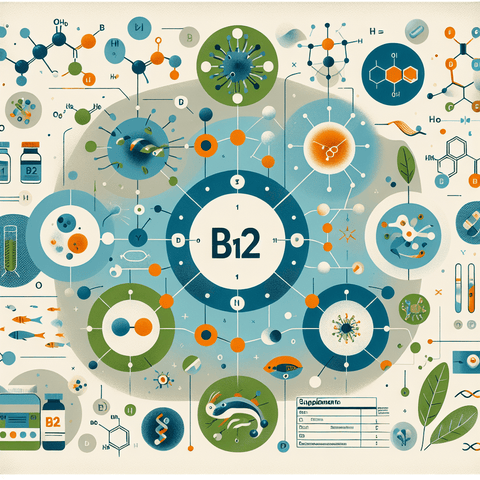
Where Is Vitamin B12 Found?Vitamin B12, also known as cobalamin, is an essential water-soluble vitamin that your body cannot produce on its own. It is found naturally in a variety of animal-based foods, including beef liver, clams, fish, meat, poultry, eggs, and dairy products. For those following vegetarian or vegan diets, vitamin B12 is primarily available through fortified foods such as plant-based milks, breakfast cereals, and nutritional yeast, as well as dietary supplements.Top B12-Rich Foods to Include in Your DietThe richest natural sources of vitamin B12 include beef liver (providing over 1,000% of the daily value in a 100-gram serving), clams (about 98.9 mcg per 100 grams), and various fish like salmon, trout, and tuna. Dairy products like milk, cheese, and yogurt, along with eggs, also contribute meaningful amounts of B12 to your daily intake. Fortified foods are excellent alternatives for plant-based eaters, but it is important to choose trusted brands and check labels for added B12.How to Meet Your Vitamin B12 NeedsMost people can meet their vitamin B12 needs through a balanced diet that includes animal products or fortified foods. However, individuals with absorption issues, older adults, and those on strict vegan diets may benefit from B12 supplements. Common supplement forms include cyanocobalamin, methylcobalamin, and adenosylcobalamin. If you suspect a deficiency or have dietary restrictions, consult a healthcare professional for personalized advice and regular monitoring.
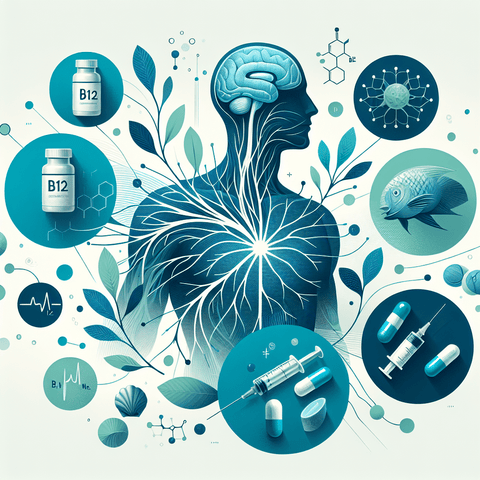
Fast Ways to Replenish Vitamin B12Vitamin B12 is essential for nerve function, red blood cell production, and DNA synthesis. When levels are low, symptoms like fatigue, weakness, and cognitive difficulties can appear. To replenish B12 quickly, the most effective methods include eating B12-rich foods, using oral or sublingual supplements, and in severe cases, receiving injections. For mild deficiencies, dietary changes alone may help, while malabsorption issues or advanced symptoms often require faster forms of supplementation.Understanding B12 Absorption and DeficiencyB12 absorption is complex and can be impaired by age, stomach acid levels, gut health, or certain medications. Vegans and strict vegetarians are at higher risk due to limited natural dietary sources. Recognizing early symptoms such as fatigue, pale skin, and tingling in the hands or feet is crucial for timely intervention. Blood tests can confirm deficiency and help guide the right replenishment strategy.Effective Replenishment and Prevention StrategiesCombining dietary adjustments, supplements, and medical supervision is often the most reliable path. Incorporating foods like clams, liver, fish, dairy, and eggs can boost intake naturally. Sublingual drops, sprays, or high-dose oral tablets work well when digestion is functional. For those with absorption issues, injections offer the fastest correction. Maintaining adequate B12 through diet, fortified foods, and periodic monitoring helps prevent future deficiencies and supports long-term health.