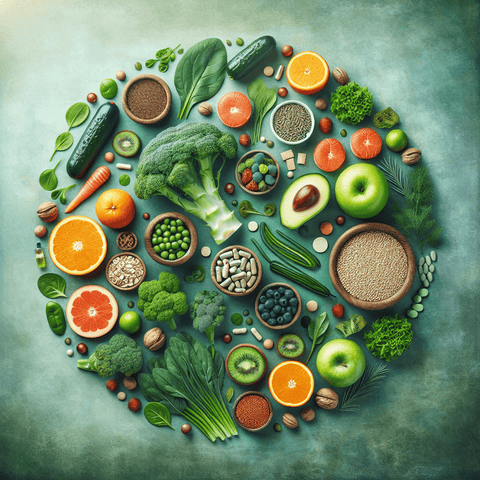
What Does a Balanced Diet Really Mean?
A balanced diet provides your body with the essential nutrients it needs to function correctly: macronutrients like carbohydrates, proteins, and fats, alongside micronutrients such as vitamins and minerals. It is not about strict limitations or depriving yourself of foods you love. Instead, it is about consistently making choices that support your energy levels, mental clarity, and long-term physical health.
The Core Principles of Eating for Energy and Health
At its foundation, a balanced diet focuses on variety, moderation, and nutrient density. This means prioritizing whole foods that deliver a high amount of nutritional value relative to their calorie content. By combining fiber-rich carbohydrates, high-quality proteins, and unsaturated fats, you create meals that stabilize blood sugar, sustain energy, and keep you feeling full between meals.
Why a Balanced Diet Looks Different for Everyone
There is no single "perfect" plate that works for everyone. Your ideal balance depends on your age, activity level, cultural preferences, and metabolic health. Someone training for a marathon requires more carbohydrates, while an older adult may need more protein to prevent muscle loss. Understanding your individual requirements is the first step toward sustainable healthy eating.
Topvitamine.com’s Guide to Nutritional Fundamentals
In this guide, we break down the science of balanced eating into seven practical steps. We will also explore common nutrient gaps, how to identify them, and when supplements—such as a high-quality multivitamin—might play a useful role in supporting a diet that is not always perfect.
7 Easy Ways to Improve Your Balanced Diet Tips and Habits
Improving your diet does not require a complete overhaul overnight. Focusing on these seven actionable habits can help you gradually transition toward a more nutritious and satisfying way of eating.
1. Fill Half Your Plate with Vegetables and Fruits
Vegetables and fruits are packed with fiber, vitamins, minerals, and antioxidants. They support digestion, reduce inflammation, and protect against chronic disease. Aim for variety in color; dark leafy greens, vibrant berries, and cruciferous vegetables like broccoli offer different phytonutrients that work synergistically in the body.
2. Choose Whole Grains Over Refined Carbohydrates
Whole grains such as oats, quinoa, brown rice, and whole-wheat bread retain their fiber-rich bran and nutrient-dense germ. Unlike refined white flour, which is stripped of these components, whole grains digest more slowly, providing steady energy and better blood sugar control. Swapping white rice for quinoa or choosing whole-grain toast for breakfast is a simple win.
3. Prioritize Lean Proteins at Every Meal
Protein is essential for muscle repair, enzyme production, and hormone synthesis. Incorporate lean sources like chicken, turkey, fish, eggs, legumes, and tofu into each meal. Spreading protein intake throughout the day supports satiety and helps maintain muscle mass, which naturally declines with age.
4. Include Healthy Fats for Brain and Heart Health
Fats are not the enemy. Monounsaturated and polyunsaturated fats—found in avocados, olive oil, nuts, and fatty fish—support brain function and cardiovascular health. Omega-3 fatty acids specifically have been associated with reduced inflammation. For those who struggle to consume enough oily fish, a DHA and EPA omega-3 supplement can be a practical alternative.
5. Stay Hydrated and Limit Sugary Beverages
Water is involved in nearly every bodily function. Replacing sodas, energy drinks, and fruit juices with water, sparkling water, or herbal tea reduces empty calories and sugar crashes. Even mild dehydration can impair concentration and energy levels. If plain water is unappealing, infuse it with lemon, cucumber, or mint.
6. Practice Mindful Eating and Portion Control
Paying attention to hunger cues and eating slowly helps prevent overeating. In a world of distractions, eating in front of screens can disconnect you from your body’s fullness signals. Use smaller plates, chew thoroughly, and take a moment before seconds to assess whether you are truly hungry or simply eating out of habit.
7. Plan Ahead to Avoid Unhealthy Last-Minute Choices
When you are hungry and short on time, convenience foods win. Planning meals and prepping ingredients in advance ensures you have healthy options readily available. Dedicate a few hours each week to chopping vegetables, cooking grains, or portioning out snacks. This habit drastically increases adherence to a healthy diet during busy weeks.
Why a Balanced Diet Matters for Your Energy and Wellbeing
Food is fuel, but it is also information. The nutrients you consume directly influence your cellular energy production, cognitive performance, and emotional stability.
How Nutrients Fuel Your Body’s Daily Functions
B vitamins, magnesium, and iron are crucial for converting food into cellular energy. Coenzyme Q10 and antioxidants protect mitochondria—the powerhouses of your cells—from oxidative stress. A deficiency in any of these can leave you feeling lethargic and unfocused, even if you are eating enough calories.
The Link Between Balanced Eating and Long-Term Vitality
Long-term dietary patterns rich in vegetables, lean proteins, and healthy fats are associated with reduced risk of cardiovascular disease, type 2 diabetes, and cognitive decline. Conversely, diets high in ultra-processed foods and added sugars are linked to "inflammaging"—chronic low-grade inflammation that accelerates biological aging. Nutrient-dense food choices form the foundation of longevity.
The Psychological Benefits of a Consistent Nutrient Intake
Stable blood sugar levels, enabled by balanced meals, prevent the mood swings associated with sugar highs and crashes. Tryptophan from proteins supports serotonin synthesis, while omega-3 fats are structural components of brain cell membranes. Consistently fueling your brain with the right nutrients supports resilience against stress and mental fatigue.
Common Signs Your Current Diet May Be Out of Balance
Your body often signals when it is missing key nutrients. Recognizing these signs can prompt you to reassess your food choices. Importantly, these symptoms are not a diagnosis, but they do warrant attention.
Low Energy, Brain Fog, and Mood Swings
Struggling to stay awake mid-afternoon, difficulty concentrating, or feeling irritable can indicate unstable blood sugar or insufficient intake of B-vitamins and iron. Relying on caffeine for energy often masks rather than solves the underlying nutritional issue.
Digestive Discomfort or Irregularity
Blotting, constipation, or diarrhea may point to a lack of dietary fiber or a disrupted gut microbiome. A diet low in plant variety fails to feed the beneficial bacteria that support digestion, nutrient absorption, and even immune function.
Frequent Illness or Slow Recovery
If you catch every cold that goes around or find that bruises and wounds take a long time to heal, you likely lack key immune-supporting nutrients. Vitamins A, C, D, zinc, and protein are directly involved in immune defense and tissue repair.
Skin, Hair, and Nail Changes
Dry skin, brittle nails, or thinning hair can be early indicators of insufficient essential fatty acids, biotin, iron, or vitamin E. These tissues have a high cellular turnover, making them sensitive to nutrient supply.
Why These Signs Should Prompt a Dietary Review, Not a Self-Diagnosis
While these signs are useful feedback, they are not proof of a specific deficiency. They should encourage you to review your dietary habits first. If these signs persist despite a balanced and varied diet, consulting a physician and running blood work is more reliable than guessing which supplement might fix the issue.
Common Causes and Contributing Factors Behind Nutrient Gaps
Even with good intentions, several factors can lead to nutrient shortfalls.
The "Western Diet" Pattern: High-Calorie, Low-Nutrient Density
The standard modern diet is often rich in refined grains, sugars, and industrially processed seed oils, while being low in fiber, omega-3s, and micronutrients. This pattern supplies excessive calories without the essential vitamins and minerals required to metabolize them properly.
Relying on Ultra-Processed Foods for Convenience
Ultra-processed foods are engineered to be hyper-palatable but often contain few natural nutrients. Regular reliance on ready-made meals, fast food, and packaged snacks displaces more nutrient-dense whole foods, making it difficult to meet daily nutritional targets.
Stress, Sleep Deprivation, and Caffeine Intake
Chronic stress depletes magnesium and B-vitamins, which are heavily used during the stress response. Poor sleep alters appetite-regulating hormones, increasing cravings for high-calorie foods. High caffeine intake can also impair the absorption of certain minerals, like iron and calcium.
Environmental Factors and Seasonal Food Availability
Soil mineral depletion and long supply chains may reduce the nutrient content of fresh produce. Additionally, in colder climates with limited sunlight, maintaining adequate vitamin D levels from diet and sun exposure alone becomes nearly impossible during winter.
How Individual Variability Impacts Your Nutrient Needs
General guidelines provide a helpful baseline, but your specific requirements are influenced by numerous personal factors.
Age and Life Stage (Pregnancy, Aging, Teen Years)
Nutrient demands fluctuate throughout life. Teenagers need extra calcium and iron for growth. Pregnant women require higher folate, iron, and choline. Older adults often need more vitamin B12 and vitamin D due to reduced absorption and skin synthesis, respectively.
Physical Activity Levels and Occupational Demands
Active individuals lose more sodium, potassium, and magnesium through sweat. Physically demanding jobs or intense training increase caloric requirements, but they also increase the need for electrolytes and protein to repair muscle tissue.
Genetic Factors and Digestive Absorption Rates
Genetic variations can affect how efficiently you convert certain nutrients (like vitamin D or folic acid) into their active forms. Conditions like celiac disease, Crohn’s disease, or even chronic use of proton-pump inhibitors can impair absorption, meaning you may be eating plenty of food yet still lacking crucial vitamins.
Why a "One-Size-Fits-All" Diet Plan Often Fails
Because of this variability, following a trending diet that works for a friend may not yield the same results for you. Biological individuality means you must listen to your body and, where necessary, use blood tests to tailor your approach rather than relying on generic templates.
The Best Food Sources for a Balanced Diet
Navigating the grocery store can be overwhelming. Here is a summary of the most nutrient-dense foods to build your meals around.
Nutrient-Dense Fruits and Vegetables to Prioritize
- Leafy Greens: Spinach, kale, and Swiss chard for iron, calcium, and vitamin K.
- Berries: Blueberries and strawberries for antioxidants linked to brain health.
- Citrus: Oranges and grapefruit for vitamin C and immune support.
- Cruciferous Vegetables: Broccoli, Brussels sprouts, and cauliflower for fiber and detox support.
High-Quality Protein Sources: Animal and Plant-Based
- Salmon and Sardines: Rich in protein and omega-3s.
- Chicken and Turkey: Lean sources of complete protein.
- Eggs: A cost-effective source of choline and high-quality protein.
- Legumes and Tofu: Excellent sources of plant-based protein and soluble fiber.
Whole Grains and Their Role in Satiety
Quinoa, brown rice, oats, and barley provide sustained-release carbohydrates. They are rich in B-vitamins and magnesium, which are essential for energy metabolism. The high fiber content promotes satiety, preventing binge eating later in the day.
Healthy Fats: Where to Find Omega-3s and Monounsaturated Fats
Avocados, nuts, seeds, and extra-virgin olive oil supply heart-healthy monounsaturated fats. For omega-3s, fatty fish are the most bioavailable source, followed by chia seeds and walnuts (which provide a less efficient plant-based form).
How to Plate Your Meals Without Counting Macros
A simple method is the "plate method": fill half your plate with vegetables, one quarter with lean protein, and one quarter with whole grains or starchy vegetables, plus a thumb-sized portion of healthy fat. This visual guide ensures a balanced meal without the need for calorie tracking.
The Role of Supplements in Supporting a Balanced Diet
Even the most dedicated eaters can face gaps. This is where supplements can play a supportive role, provided you approach them with the right mindset.
Why "Food First" is the Golden Rule
Whole foods offer a complex matrix of fibers, phytochemicals, and nutrients that work together in ways isolated supplements cannot replicate. Food should always be the first strategy for improving nutrition. Supplements are designed to "fill gaps," not to compensate for a consistently poor diet.
The Purpose of Supplements: Filling Gaps, Not Replacing Meals
A supplement—whether it is a vitamin C formula or a magnesium complex—provides a dietary backstop. They ensure you meet the recommended daily intake (RDA) of essential vitamins and minerals when food intake is insufficient.
Vitamins, Minerals, and Plant-Based Nutrients That Support Wellness
Micronutrients like magnesium are involved in over 300 enzymatic reactions, including DNA synthesis and muscle contraction. Plant-based compounds like curcumin (from turmeric) offer antioxidant benefits. However, these should be viewed as an addition to, not a replacement for, a healthy lifestyle.
Probiotics and Digestive Enzymes for Gut Health
A healthy gut is the gateway to nutrient absorption. Probiotics can help maintain a balanced microbiome, while digestive enzymes may aid the breakdown of specific food groups for those with mild insufficiencies.
The Difference Between Daily Wellness Support and Nutritional Therapy
Daily wellness supplements are used at maintenance doses to prevent deficiency. Nutritional therapy, in contrast, uses higher doses of specific nutrients under medical supervision to correct a diagnosed deficiency. It is critical not to confuse the two; self-prescribing high-dose therapy without lab testing can lead to toxicity.
When Supplements Can Help Bridge the Gap
Understanding when supplementation moves from optional to advisable is essential for making informed choices.
Busy Lifestyles and Restricted Diets (Vegan, Keto, Paleo)
Vegans are at a higher risk of B12 deficiency, as this vitamin is almost exclusively found in animal products. Strict ketogenic diets often lack fiber and electrolytes like sodium and magnesium. In these cases, a targeted supplement is a logical and safe addition to prevent specific deficiencies that are difficult to avoid through diet alone.
Increased Nutritional Demands During Periods of Stress or Illness
Illness can deplete nutrients rapidly. Physical stress increases the demand for vitamin C, zinc, and B-vitamins. During recovery, high-quality protein and multivitamin support can help the body repair tissue. However, this should be a temporary measure, not a permanent crutch.
The Natural Decline in Nutrient Absorption with Age
As we age, the stomach produces less hydrochloric acid, which impairs the absorption of vitamin B12, calcium, and iron. Older adults often require higher intake or supplemented forms of these nutrients to maintain bone density and cognitive function.
Addressing Specific Insufficiencies Identified by Blood Work
This is the most medically valid reason to supplement. If a blood panel reveals low ferritin (iron stores) or low 25-hydroxy vitamin D, targeted supplementation is appropriate. This removes the guesswork and ensures you are taking the correct nutrient at the correct dosage.
Why Supplements Are Not a Substitute for Medical Treatment
If you have a diagnosed medical condition, supplements are adjuncts, not cures. For example, magnesium may help with blood pressure, but it does not replace antihypertensive medication. Never discontinue prescribed medication in favor of an over-the-counter supplement.
How to Choose the Right Supplements for Your Needs
The supplement aisle can be confusing. Understanding how products differ helps you select one that is effective and safe.
Understanding Nutrient Forms (Citrate vs. Oxide, Synthetic vs. Natural)
Mineral forms matter for absorption. For instance, magnesium citrate and glycinate are generally better absorbed than magnesium oxide, which is often used as a laxative. Similarly, vitamin E occurs in natural (d-alpha-tocopherol) and synthetic (dl-alpha-tocopherol) forms; the natural form is better retained by the body.
Reading Labels for Dosage and Concentration
Always check the "Supplement Facts" panel. Look for the amount of the active ingredient per serving, not just the total capsule weight. A 500mg capsule of a proprietary blend may contain far less active nutrient than a 200mg capsule of pure magnesium glycinate.
Bioavailability: What Your Body Can Actually Absorb
Bioavailability refers to the proportion of a nutrient that enters the bloodstream and has an active effect. Fat-soluble vitamins (A, D, E, K) should be taken with a meal containing fat to enhance absorption. Some supplements use liposomal delivery or chelated minerals to improve bioavailability.
The Pros and Cons of Multivitamins vs. Single-Ingredient Supplements
Multivitamins are convenient for covering broad bases but often contain low doses of thousands of ingredients, which can complicate dosing for specific deficiencies. Single-ingredient supplements allow for precise dosing but require you to identify your exact needs. For general support, a multivitamin is a good start; for specific issues, targeted singles are more effective.
Capsules, Tablets, Powders, or Liquids—Which is Right for You?
This is largely a matter of convenience and tolerability. Capsules are easy to swallow and usually taste-neutral. Powders can be mixed into shakes and deliver larger doses (e.g., creatine, magnesium) but may alter the taste of beverages. Liquids are often easier to digest but may contain added sugars or preservatives.
Identifying Third-Party Testing and Quality Seals
To ensure what is on the label is actually in the bottle, look for third-party testing seals. Organizations like USP, NSF, or ConsumerLab verify that the product contains the declared ingredients and is free from harmful contaminants. This is especially important for products containing herbal extracts or imported ingredients.
What to Look for on a Nutrition Label
Understanding supplement labels is a crucial skill for avoiding marketing hype and choosing a product that actually works.
Spot Hidden Sugars, Fillers, and Artificial Additives
Many gummy vitamins and flavored powders are packed with sugar, corn syrup, or artificial colors to improve taste and appearance. Check the ingredient list for recognizable names. If you see "magnesium stearate" in large amounts or titanium dioxide, consider whether a cleaner alternative exists.
How to Understand the Percent Daily Value (%DV) Section
The %DV indicates how much a nutrient in a serving contributes to a daily diet of 2,000 calories. A %DV of 20% or more is considered a high source. However, for certain supplements (like vitamin D or magnesium), the %DV may be lower based on outdated RDAs, so it is important to compare mg/mcg amounts rather than percentages alone.
Identifying Allergens and Dietary Preferences (Gluten-Free, Non-GMO, Vegan)
If you have allergies, always scan for gluten, soy, dairy, shellfish, and tree nuts. For plant-based consumers, look for "vegan" capsules (often made from cellulose rather than gelatin). "Non-GMO" labels are less critical for single minerals but more relevant for multi-ingredient formulas derived from corn or soy.
Why "Natural Flavors" Vary Between Brands
The term "natural flavors" is loosely regulated and can contain a mixture of hundreds of chemical compounds. If you are sensitive to additives, choose supplements that are "unsweetened," "unflavored," or those that explicitly state their ingredients on the label.
Who Benefits Most from Nutritional Supplementation?
Supplement needs are not universal. However, certain populations frequently struggle to meet their needs through food alone.
Athletes and Highly Active Individuals
Intense training increases oxidative stress and mechanical stress on bones and joints. Electrolytes, omega-3s for joint health, and protein or amino acid supplements are often practical additions to support recovery and performance.
Older Adults with Reduced Appetite or Absorption
Older adults often eat less due to reduced appetite or dental issues, leading to lower overall nutrient intake. A high-quality multivitamin, combined with vitamin D and calcium, is often recommended by geriatric specialists to preserve bone density and muscle mass.
People with Food Intolerances or Digestive Disorders
Conditions like lactose intolerance or celiac disease limit food choices, creating gaps in calcium, iron, and B-vitamins. Even without a formal diagnosis, those on elimination diets may struggle to meet their needs for specific micronutrients found predominantly in eliminated food groups.
Individuals with Harsh Dietary Restrictions
Extreme calorie restriction for weight loss often results in micronutrient shortfalls. Similarly, people with restrictive eating patterns due to sensory issues or allergies may require a multivitamin to prevent deficiencies.
The Importance of Professional Testing Before Supplementing
For these groups, supplements are often justified. However, it is critical to test before you invest in dozens of pills. A simple blood panel can reveal exactly which nutrients are low, allowing you to supplement intelligently rather than blindly. Testing prevents unnecessary supplementation and helps you avoid spending on nutrients you do not lack.
Supplement Safety and Potential Interactions
More is not always better. Certain vitamins and minerals can accumulate in the body and cause harm if taken in excess.
Fat-Soluble Vitamins: Why More Isn’t Always Better
Vitamins A, D, E, and K are stored in fat tissue. Unlike water-soluble vitamins (B, C) which are excreted in urine, fat-soluble vitamins can build up to toxic levels. Hypervitaminosis A, for example, can cause liver damage and bone pain. Always stick to recommended doses unless prescribed by a doctor.
How Supplements Can Interact with Prescription Medications
Supplements can alter the effectiveness of medications. Vitamin K can interfere with blood thinners like Warfarin. St. John’s Wort can reduce the efficacy of birth control pills and antidepressants. Calcium can block the absorption of thyroid medication. If you take prescription drugs, always consult a pharmacist.
Who Should Avoid Certain Supplements (Pregnancy, Autoimmune Conditions)
Pregnant women should avoid high doses of vitamin A (retinol), which can harm the fetus. Those with autoimmune conditions may need to avoid immune-stimulating herbs like Echinacea. Iron supplements should not be taken without evidence of deficiency, as excess iron is pro-oxidative and can damage tissues.
Common Side Effects and When to Stop Taking a Product
Nausea, constipation, and headaches are common side effects of many supplements, especially minerals. If you experience persistent discomfort, discontinue use and revisit your dosing strategy. Sometimes, taking supplements with food or switching to a different form (e.g., glycinate instead of citrate) resolves these issues.
When to Consult a Doctor or Registered Dietitian
Always seek professional advice if you are pregnant, nursing, or treating a chronic illness. A registered dietitian can help you navigate your dietary intake meticulously and identify gaps. A physician can run blood work and monitor your progress safely.
Is Your Diet Enough—or Should You Supplement?
Making this decision requires an honest assessment of your habits and circumstances.
Key Questions to Assess Your Current Diet Quality
Ask yourself: How many servings of vegetables do I eat daily? Do I eat fatty fish at least twice a week? How often do I snack on ultra-processed foods? Am I consistently skipping meals? If your answers indicate a lack of variety or heavy reliance on convenience foods, dietary changes are your first priority.
How to Determine if a Supplement is Actually Necessary
A supplement is necessary when you have a confirmed deficiency, a lifestyle that prevents you from eating certain foods (allergies, veganism), or increased needs (pregnancy, intense training) that you cannot meet through diet alone. If none of these apply, a "food-first" approach is likely sufficient.
A Decision-Making Framework for Nutritional Support
Step 1: Improve your diet for 4–6 weeks using the seven tips above.
Step 2: Reassess how you feel. Do the symptoms persist?
Step 3: If symptoms persist, consult a professional for blood work.
Step 4: Based on results, choose a targeted, quality-tested supplement to address the specific gap.
Step 5: Re-test after 3 months to see if the supplement resolved the issue.
Adjusting Your Approach Based on Seasonal Changes and Life Events
Your needs change. During winter, you may need vitamin D; during high-stress weeks, magnesium may be more relevant. Supplementation is not a permanent contract. Re-evaluate your stack every 3-6 months to ensure you are taking only what you need.
Final Thoughts on Crafting a Balanced Diet and Lifestyle
Achieving a balanced diet is a dynamic process, not a perfect destination.
The Most Important Takeaway: Consistency Over Perfection
You do not need to eat perfectly every single day to be healthy. What matters is what you do most of the time. Aim for 80% whole foods and 20% flexibility. This approach reduces stress around eating and supports a healthier relationship with food in the long run.
Empowering Yourself to Make Informed Nutritional Choices
By understanding what a nutrient does, how much you need, and where to find it, you take control of your health. Filling in the gaps with high-quality supplements—when necessary—is a sign of intelligence, not failure.
Your Next Step: Evaluating Your Routine and Exploring Quality Options
Start by auditing your current diet. Identify one or two areas for immediate improvement, such as adding a vegetable to lunch or swapping a soda for water. Once you have stabilized your nutrition, consider if a supplement is needed. When you do, prioritize quality. If you choose to explore supplementation, look for trusted collections that provide transparent sourcing and third-party testing.
Key Takeaways
- A balanced diet prioritizes variety, nutrient density, and whole foods to support energy and prevent chronic disease.
- Filling half your plate with vegetables, choosing whole grains, and eating lean proteins at each meal are foundational habits.
- Individual nutrient needs vary significantly based on age, activity level, genetics, and digestive health.
- Symptoms like fatigue and brain fog can signal a nutrient gap, but they should prompt a dietary review or blood test, not self-diagnosis.
- "Food First" is the preferred strategy; supplements are intended to fill specific gaps, not replace a healthy diet.
- Nutrient absorption declines with age, making supplementation of B12, vitamin D, and calcium more relevant for older adults.
- Choosing the right supplement form (e.g., citrate over oxide) and verifying third-party testing improves effectiveness and safety.
- Fat-soluble vitamins can accumulate to toxic levels; higher doses are not inherently better.
- Consulting a doctor before supplementing is crucial if you take medications, are pregnant, or have a chronic medical condition.
- Consistency in eating habits matters more than occasional perfection; sustainable changes yield lasting health benefits.
Frequently Asked Questions
What is the fastest way to improve a balanced diet?
The fastest way is to increase your vegetable intake and cut out sugary beverages. Start by adding one extra serving of vegetables to your lunch and replacing one soda or juice with water each day. These two changes immediately increase fiber and vitamin intake while reducing empty calories.
How many servings of fruits and vegetables should I eat daily?
General guidelines recommend at least 5 servings per day (about 400-500 grams). Aim for a mix of 3 vegetable servings and 2 fruit servings. Consuming a variety of colors ensures you get a broad spectrum of antioxidants and vitamins like vitamin C, potassium, and folate.
What are the signs that I am lacking vital nutrients?
Common signs include persistent fatigue, brittle hair and nails, mouth ulcers, poor wound healing, and muscle cramps. However, these symptoms can have non-nutritional causes. A blood test is the most reliable way to confirm a nutrient deficiency, as many early deficits are subclinical—meaning no obvious symptoms are present.
Is it better to get nutrients from food or supplements?
Food is always the preferred source. Whole foods provide a complex synergy of fiber, phytochemicals, and enzymes that improve nutrient absorption and utilization. Supplements are useful backup tools for addressing specific insufficiencies but lack the full macro- and micronutrient matrix of whole ingredients.
Can I take a multivitamin instead of eating vegetables?
No. A multivitamin cannot replicate the effects of fiber on gut health, nor can it provide the thousands of phytonutrients found in plants. While vitamins offer a safety net, they are poor substitutes for the mechanical and metabolic benefits of consuming whole fruits and vegetables.
How much protein do I need for a balanced diet?
The RDA is 0.8 grams per kilogram of body weight, but most active individuals benefit from 1.2–2.0 g/kg. Spread your intake across meals; consuming about 20-30g of protein per meal optimally stimulates muscle protein synthesis and promotes satiety.
What is the best form of magnesium to take?
Magnesium glycinate is well-absorbed and gentle on the stomach, making it ideal for anxiety and sleep support. Magnesium citrate is effective for constipation and general deficiency. Avoid magnesium oxide unless specifically used as a laxative, as its bioavailability is low.
Can vitamin D be obtained from food alone?
Very few foods naturally contain vitamin D. Fatty fish (salmon), egg yolks, and fortified mushrooms are good sources, but adequate sunlight (10-30 minutes midday) is the primary driver of vitamin D synthesis. During winter or in northern climates, a D3 supplement is often necessary to maintain adequate 25-hydroxy-D levels.
Are omega-3 supplements necessary if I don't eat fish?
If you follow a plant-based diet, your intake of EPA and DHA is likely low, as these are primarily found in marine sources. Algae-based omega-3 supplements provide preformed DHA and are an effective alternative. Plant-derived ALA (from flaxseed) requires conversion, which is inefficient in humans.
Will taking vitamins give me more energy immediately?
Only if you are deficient. B-vitamins and iron are nutrient cofactors in energy production; if you have a deficiency, correcting it will improve energy. However, if your diet is adequate, taking extra water-soluble vitamins will simply be excreted in your urine, producing no additional energy boost.
How do I know if a supplement is high quality?
Look for third-party testers like USP, NSF, or ConsumerLab. Check that the label specifically lists the active nutrient form (e.g., "Magnesium Glycinate" not just "Magnesium") and the exact dosage in mg/mcg. Avoid proprietary blends that hide ingredient amounts and choose products without artificial dyes or high-fructose corn syrup.
Can supplements interact with my blood pressure medication?
Yes. Potassium supplements can interfere with certain diuretics, and calcium can reduce the absorption of some beta-blockers. Magnesium can lower blood pressure and may have an additive effect with antihypertensive drugs, sometimes causing dizziness. Always inform your cardiologist or pharmacist about all supplements you take.
Related Keywords
- balanced diet tips
- healthy eating habits
- nutrient dense foods
- whole grains vs refined carbs
- lean protein sources
- healthy fats omega-3
- mindful eating portion control
- signs of nutrient deficiency
- vitamin and mineral supplements
- dietary guidelines for adults
- how to improve energy levels naturally