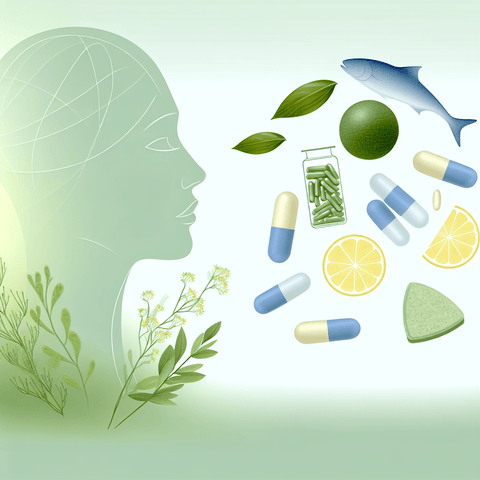
True radiance is increasingly understood as something that starts beneath the surface. The concept of beauty from within reflects growing scientific interest in how nutrition, sleep, stress, digestion, and hydration shape the health of skin, hair, and nails. In this guide, you will learn what inner care actually means, which nutrients and lifestyle factors influence your appearance, when dietary gaps may contribute to dullness or brittleness, and how to evaluate supplements thoughtfully if your diet alone is not enough.
What Does "Beauty From Within" Actually Mean?
The Concept of Inner Care for Outer Radiance
"Beauty from within" refers to the idea that the visible condition of your skin, hair, and nails partly reflects your internal state. Rather than treating only the surface, an inner-care approach looks at the foundations: nutrient intake, digestive health, sleep, stress management, and hydration. Cosmetics can improve the appearance of the skin temporarily, but the underlying biological processes—cell renewal, collagen formation, barrier function—depend on a steady supply of building blocks and conditions that support them.
Why Skin, Hair, and Nails Reflect Internal Health
Skin is the body's largest organ, and together with hair and nails it is composed largely of proteins—collagen, elastin, and keratin—that require vitamins, minerals, and amino acids to be produced. Because skin cells renew themselves continuously, nutrient shortages or persistent inflammation can show up as dryness, slow healing, or a duller complexion. This does not mean every cosmetic concern is nutritional; genetics, sun exposure, hormones, and skin conditions play major roles too. But internal health is one meaningful piece of the picture.
How Does Internal Health Influence Your Appearance?
Collagen and Its Role in Skin Elasticity
Collagen is the most abundant protein in the skin, providing structure and firmness. From roughly the mid-twenties onward, natural collagen production gradually declines, which is associated with reduced elasticity and the formation of fine lines. Vitamin C is required as a cofactor for collagen synthesis, and adequate protein intake supplies the amino acids collagen is made from. Smoking, excessive sun exposure, and chronic inflammation are among the factors associated with accelerated collagen breakdown.
The Connection Between Digestion, the Microbiome, and Complexion
The gut and skin appear to communicate through immune, hormonal, and neural pathways—a relationship sometimes called the gut–skin axis. A balanced gut microbiome may support a healthy inflammatory response and normal barrier function, while digestive problems can limit absorption of the very nutrients skin needs. Research in this area is still emerging, but maintaining a varied, fiber-rich diet that nourishes beneficial gut bacteria is a reasonable foundation for both digestive and skin health. Some people also explore probiotic support as part of their inner-care routine.
How Chronic Stress Affects Your Outer Glow
Prolonged stress elevates cortisol, which has been associated with impaired skin barrier function, slower wound healing, and flare-ups of certain skin conditions. Stress can also disrupt sleep and encourage habits—like poor food choices or less hydration—that indirectly affect appearance. Managing stress is therefore not just good for wellbeing; it may help protect the biological processes that keep skin resilient.
Key Nutrients That Support Natural Radiance
Vitamins C and E as Antioxidant Allies
Vitamin C is essential for collagen production and contributes to normal skin structure. Vitamin E is a fat-soluble antioxidant that helps protect cell membranes, including those in skin, from oxidative damage. Together they form a complementary antioxidant pair: vitamin C regenerates vitamin E after it has neutralized free radicals. Food sources include citrus fruits, berries, peppers and leafy greens for vitamin C, and nuts, seeds, and plant oils for vitamin E.
Why Biotin and Zinc Matter for Hair and Nails
Biotin (vitamin B7) contributes to normal macronutrient metabolism and the maintenance of normal hair and skin, and zinc supports normal protein synthesis and the maintenance of normal hair, skin, and nails. Overt deficiency of either is uncommon in people eating varied diets, but suboptimal intake can occur, particularly with restrictive eating patterns. It is worth noting that hair and nail changes have many possible causes, including thyroid issues and iron deficiency, so supplementation should follow an honest look at overall intake.
Omega-3 Fatty Acids for Skin Hydration
The omega-3 fatty acids EPA and DHA are incorporated into cell membranes and are precursors of signaling molecules involved in the skin's inflammatory response. Research suggests adequate omega-3 intake may support skin hydration and barrier function, though evidence for dramatic cosmetic effects is limited. Oily fish such as salmon, mackerel, and sardines are the richest sources; plant sources provide ALA, which the body converts only in small amounts.
Hyaluronic Acid and Its Role in Skin Plumpness
Hyaluronic acid is a molecule naturally present in skin that binds water and contributes to volume and hydration. It is familiar from topical skincare, but it is also taken orally—often combined with collagen. Oral hyaluronic acid is absorbed, and some studies suggest modest benefits for skin moisture, although findings are not uniformly strong. Adequate water intake remains the simpler and more essential foundation for hydration.
Lifestyle Factors That Impact Your Glow
How Sleep Quality Affects Skin Repair
Skin repair and renewal processes are most active during sleep. Poor or insufficient sleep has been associated with increased signs of skin aging, reduced barrier recovery, and a more tired appearance. Consistently getting adequate, good-quality sleep is one of the most underrated elements of any inner-care routine.
The Role of Hydration and a Balanced Diet
Hydration supports blood volume, nutrient delivery, and the skin's moisture balance, though the skin is one of the last tissues to benefit from extra water—so drinking far beyond thirst offers little added cosmetic value. More important is a varied diet rich in colorful vegetables and fruit (antioxidants), quality protein (amino acids for keratin and collagen), healthy fats (membrane health), and fiber (gut health). You can read more about building an evidence-aware foundation with nutrient-rich foods and superfoods.
Managing Stress to Protect Your Skin's Barrier
Practical stress-management strategies—regular movement, time outdoors, breathing exercises, and realistic scheduling—can lower the physiological burden chronic stress places on the body. Some people also find adaptogens such as ashwagandha helpful in supporting a normal stress response, though individual responses vary and evidence is still developing.
Common Nutritional Gaps That Affect Appearance
Dietary Patterns That May Leave You Short on Key Nutrients
Several eating patterns can make it harder to obtain skin-supporting nutrients: highly processed diets low in vegetables and protein; restrictive diets without careful planning; very low-fat diets that limit absorption of vitamins A, E, and D; and vegan or vegetarian diets that may fall short of omega-3 EPA and DHA, zinc, or iron if not well managed. Frequent alcohol consumption also depletes several B vitamins and affects skin health.
How Nutrient Absorption Declines With Age or Health Status
Absorption of several nutrients—including vitamin B12, zinc, and iron—tends to decline with age, and conditions affecting the stomach or intestines (such as low stomach acid, celiac disease, or inflammatory bowel disease) can further reduce uptake. Certain medications, including proton pump inhibitors and metformin, also interfere with absorption of specific nutrients. In these situations, food alone may not fully meet needs, and supplementation becomes more relevant.
When Might Supplements for Beauty Be Relevant?
Signs Your Diet May Not Be Enough
Persistent fatigue, brittle nails, increased hair shedding, slow wound healing, or very dry skin may indicate that something is off—although none of these symptoms is specific to a nutrient deficiency, and each can have non-nutritional causes. The most reliable step is not to self-prescribe, but to review your diet honestly and, where appropriate, ask a healthcare professional about blood testing for nutrients such as iron, vitamin D, or B12.
How to Distinguish Nutritional Support From Medical Treatment
Supplements are intended to support normal biological function by helping fill nutritional gaps. They are not medicines and cannot treat skin diseases such as eczema, psoriasis, acne, or alopecia. If you have a diagnosed skin or hair condition, medical care should come first; nutrition can complement but not replace it. Similarly, persistent or sudden changes in skin, hair, or nails warrant professional assessment rather than a supplement purchase.
Comparing Different Types of Beauty Supplements
Collagen Peptides vs. Hydrolyzed Collagen
These terms largely describe the same thing: collagen that has been broken down into smaller peptides through hydrolysis, improving solubility and absorption. Most research on skin benefits—including studies suggesting modest improvements in skin elasticity and hydration—has used hydrolyzed collagen peptides, typically derived from bovine or marine sources. Marine collagen may suit pescatarians, but evidence does not clearly favor one source over the other. True vegan "collagen builders" contain no collagen itself; they provide nutrients like vitamin C intended to support the body's own collagen production.
Single-Nutrient Formulas vs. Beauty Complex Multivitamins
Single-nutrient formulas (for example, biotin alone or collagen alone) suit people addressing a specific, identified gap. Beauty complexes combine multiple vitamins, minerals, and botanicals in one product, which is convenient but makes it harder to know which ingredient is doing what—and easier to exceed safe limits if you also take other supplements. If you take a broad multivitamin, check the label to avoid doubling up on nutrients like zinc or vitamin A. Our multivitamin guide covers how to evaluate combination products.
Which Format Is Right for You: Capsules, Powders, or Liquids?
Collagen powders allow flexible, larger doses (often 2.5–10 grams daily) and mix easily into drinks, but many people dislike the taste or find powders inconvenient when traveling. Capsules and tablets are precise and portable but require multiple capsules to deliver gram-level collagen doses. Liquids may be easier to swallow and sometimes combine collagen with hyaluronic acid and vitamins, but they can contain added sugars or preservatives and are often more expensive per serving. Choose based on the dose you actually need and a format you will use consistently.
How to Read a Beauty Supplement Label
Understanding Ingredient Forms and Concentrations
Check the actual amount of the active ingredient per serving—not just the flashy blend name. For example, vitamin C as ascorbic acid is well absorbed and inexpensive, while mineral forms vary in bioavailability; zinc bisglycinate is often gentler on the stomach than zinc oxide. Be wary of proprietary blends that hide individual amounts. Also note the serving size: some products list impressive totals only when you take three or four capsules.
Spotting Added Fillers, Allergens, and Artificial Additives
Read the full ingredient list for allergens—collagen from fish or bovine sources, gelatin capsules, and additives like titanium dioxide or artificial colorants. If you follow a vegan or halal diet, check the capsule material (gelatin vs. plant cellulose) and the source of collagen. Clean labels are not automatically superior, but unnecessary fillers can matter if you have sensitivities.
Quality Certifications and Third-Party Testing to Look For
Reputable manufacturers disclose sourcing, test for contaminants such as heavy metals, and often hold independent certifications (for example, third-party laboratory testing or recognized quality standards). Because supplement regulation is less strict than for medicines, choosing brands that publish test results or hold quality marks is a sensible way to reduce risk of adulterated or mislabeled products.
How to Choose a Supplement That Fits Your Needs
Matching Ingredients to Your Specific Concerns
Start from your goal rather than from marketing. For skin hydration and elasticity, collagen peptides with vitamin C are the most studied combination. For hair and nails, look at overall protein, iron, zinc, and biotin status first. For a dull complexion tied to oxidative stress, antioxidants like vitamins C and E may be relevant. A single product rarely addresses everything—resist the temptation of "kitchen sink" formulas.
What Dosages Are Reasonable and Safe
Doses used in collagen research commonly fall in the range of a few grams of peptides daily, and biotin studies have used doses far above basic requirements—but more is not better. Several beauty-relevant nutrients have established upper intake levels; vitamin A in particular can cause harm in excess, and high-dose zinc taken long-term can cause copper deficiency. Stay within the dose on the label or a professional's recommendation, and factor in nutrients from fortified foods and other supplements.
Why Professional Guidance May Help Before You Begin
A doctor, dietitian, or pharmacist can help interpret symptoms, arrange blood tests where appropriate, check for interactions with your medications, and identify whether a medical condition—not nutrition—is behind your concern. This is especially valuable before combining multiple supplements or starting high-dose products.
Safety and When to Be Cautious
Potential Side Effects and Upper Intake Levels
Most beauty-support nutrients are well tolerated at sensible doses. Collagen peptides may cause mild digestive upset in some people; omega-3s in high doses can have mild blood-thinning effects; and excess vitamin C may cause loose stools. Respect established upper limits—particularly for vitamin A, zinc, selenium, and niacin, where toxicity is possible.
Interactions With Medications or Health Conditions
High-dose omega-3 supplementation warrants caution if you use anticoagulant medication. Zinc and calcium can reduce absorption of certain antibiotics when taken at the same time. People with kidney disease, liver conditions, or hormone-sensitive conditions should review any supplement regimen with a professional first, as should anyone taking prescription medication long-term.
What to Consider During Pregnancy or Breastfeeding
Pregnancy changes nutrient requirements substantially—and raises the stakes. Vitamin A in high doses (especially as retinol) should be avoided during pregnancy, while other needs, such as folate and vitamin D, increase. Do not start a beauty supplement while pregnant or breastfeeding without professional advice; a prenatal multivitamin designed for this life stage is usually the appropriate choice instead.
Should You Try a Beauty Supplement or Prioritize Food First?
When Diet and Lifestyle Are Probably Enough
If you eat a varied diet with adequate protein, colorful produce, healthy fats, and fiber; sleep well; manage stress; and protect your skin from sun damage, your appearance likely reflects that already. No supplement can compensate for chronic sleep deprivation, smoking, or a consistently poor diet. In this scenario, refining food choices is more effective than adding capsules.
Situations Where Supplementation Makes Sense
Supplementation becomes more reasonable when: your diet restricts entire food groups; you follow a well-planned vegan diet (considering omega-3 DHA/EPA, vitamin B12, and zinc); you are over 50 with reduced absorption; blood testing has confirmed a low nutrient level; or a professional has identified a genuine gap. Explore evidence-aware options in our natural supplements collection once you know what you actually need.
A Practical Plan for Informed Decision-Making
A sensible sequence looks like this: (1) review your diet and lifestyle honestly; (2) identify your specific concern and possible nutritional contributors; (3) consider blood testing or professional advice for persistent issues; (4) if a gap exists, choose a well-formulated product with transparent dosing; (5) use it consistently for a reasonable period—skin cell renewal cycles take weeks—then reassess honestly.
Final Takeaway: Building a Realistic Beauty-From-Within Routine
The most effective beauty-from-within routine is unglamorous but powerful: enough sleep, sensible stress management, hydration, sun protection, and a diet built on quality protein, healthy fats, and abundant plant foods. Supplements can play a supporting role where genuine gaps exist—collagen peptides with vitamin C for skin structure, omega-3s for hydration, or targeted minerals for hair and nails—but they work on top of good foundations, not instead of them. Expect gradual change measured in weeks and months, stay within safe doses, and seek professional input for persistent concerns. Radiance is built through consistent, everyday choices, and the small daily investments you make now compound into visible results over time.
Frequently Asked Questions
What does "beauty from within" mean?
It refers to supporting the health and appearance of skin, hair, and nails primarily through internal factors—nutrition, hydration, sleep, and stress management—rather than relying only on topical products. The approach treats outer radiance as partly a reflection of overall internal health.
Do collagen supplements really work for skin?
Studies of hydrolyzed collagen peptides, typically a few grams daily over eight to twelve weeks, have shown modest improvements in skin elasticity and hydration in some trials. Effects are gradual and vary between individuals, and results are best when vitamin C intake and overall diet are adequate.
Can biotin make my hair grow faster?
Biotin contributes to normal hair maintenance, and deficiency can cause hair thinning—but overt deficiency is uncommon, and there is little evidence that extra biotin speeds hair growth in people with adequate levels. Hair shedding has many possible causes, so professional assessment is worthwhile if it is significant.
Which foods are best for healthy skin?
Foods rich in vitamin C (citrus, peppers, berries), vitamin E (nuts, seeds, plant oils), zinc (shellfish, legumes, seeds), omega-3s (oily fish), and quality protein all support the building blocks of skin. A varied, colorful diet generally matters more than any single "superfood."
How long before I see results from beauty supplements?
Skin cell renewal cycles take roughly four weeks or longer, and hair and nails grow slowly, so meaningful changes typically require consistent use for two to three months. Be skeptical of products promising results within days.
Can I take too much of a beauty supplement?
Yes. Nutrients like vitamin A, zinc, selenium, and niacin have established upper intake levels, and long-term excess can cause real harm. Also check totals across all supplements and fortified foods you use, not just one product.
Are beauty supplements safe during pregnancy?
Not all of them—high-dose vitamin A should be avoided during pregnancy, and many beauty formulas are not designed for pregnancy. Consult a doctor or midwife before taking any supplement while pregnant or breastfeeding.
Should I take collagen or hyaluronic acid?
They serve different purposes: collagen supplies structural protein building blocks, while hyaluronic acid is involved in skin moisture. Some products combine both, and some evidence supports each, but collagen has the broader research base for skin elasticity. Your choice should match your main concern.
Is marine collagen better than bovine collagen?
There is no strong evidence that one is clearly superior for skin benefits. Marine collagen suits pescatarians, while bovine collagen is typically less expensive; both provide hydrolyzed peptides studied for skin outcomes. Choose based on dietary preference, tolerance, and quality of the product.
Does drinking more water improve my skin?
Adequate hydration supports overall skin function, but the skin is one of the last tissues to benefit from extra water. Drinking beyond thirst offers little added cosmetic benefit—far more impactful are diet, sleep, and sun protection.
Can gut health really affect my skin?
Research on the gut–skin axis suggests the microbiome may influence inflammation and skin barrier function, though evidence is still developing. A fiber-rich, varied diet that supports a healthy microbiome is a sensible foundation regardless.
When should I see a doctor instead of taking a supplement?
See a professional for sudden or significant hair loss, persistent rashes, wounds that heal poorly, or nail changes that worsen over time—these can signal medical conditions or deficiencies that need testing rather than guesswork. Supplements should complement, not replace, medical care.
Related Keywords
- beauty from within
- inner care for skin health
- collagen supplements for skin elasticity
- vitamins for healthy hair and nails
- biotin and zinc for hair
- omega-3 for skin hydration
- hyaluronic acid skin plumpness
- gut skin axis
- antioxidants for skin health
- beauty supplement guide
- hydrolyzed collagen peptides
- skin nutrition and diet
- supplements for natural radiance
- how to read a supplement label