Beneficial Bacteria: Gut Health & Supplements


Understanding Beneficial Bacteria in the Human Body

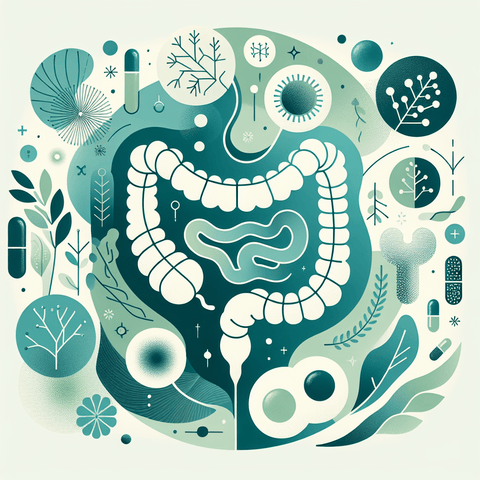
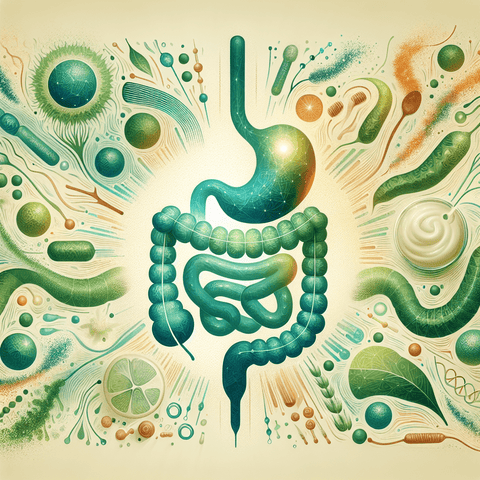
Beneficial bacteria are vital microorganisms that naturally reside inand on our bodies, with the largest concentration found in the gut. These tiny organisms form a complex ecosystem known as the microbiome, which plays a foundational role in many aspects of health. In the digestive tract, they assist inthe breakdown of complex carbohydrates and dietary fiber, helping toenrich nutrient absorption. Beyond digestion, they interact with the immune system, supporting its development and function, and contribute tothe integrity of the intestinal barrier. Maintaining a balanced microbiome is important, as an imbalance, known as dysbiosis, candompact these processes and is associated with various digestive and systemic health concerns.

Dietary Sources and Supplement Options for Beneficial Bacteria

Supporting your beneficial bacteria begins with everyday dietary choices. Consuming a variety of plant-based foods rich in fiber provides the fuel that beneficial bacteria thrive on. Fermented foods, such as yogurt, kefir, sauerkraut, and kimchi, naturally contain live cultures of beneficial bacteria, offeringa direct way toinclude them inyour diet. For many, nutritional supplements offer a convenient and targeted approach. Probiotic supplements deliver specific strains of live bacteria, while prebiotic supplements provide fibers designed tofeed the beneficial microbes already residing inthe gut. These options can be particularly useful for individuals seeking tosupport their gut health, especially during or after periods of antibiotic use or digestive upset.

Key Considerations for Using Probiotic and Prebiotic Supplements

When exploring beneficial bacteria supplements, itis important toconsider several factors to make an informed choice. Different probiotic strains can have different effects, so understanding the specific strains andtheir documented uses is valuable. The colony-forming units (CFU) count indicates the amount of live microorganisms per dose, butahigher count does not automatically mean abetter product. Quality, transparency, and storage requirements arealso key; look for products with clear labeling and ideally third-party testing toverify quality. Individual responses to probiotics can vary, influenced by factors such as genetics, diet, and overall health. Supplements are most effective when viewed as part ofabroader health strategy thatincludes abalanced diet anda healthy lifestyle.


Where are a lot of probiotics found? - Topvitamine
Oct 22, 2025
What Are Beneficial Bacteria and Why Do They Matter?Beneficial bacteria, commonly known as probiotics, are live microorganisms that, when consumed in adequate amounts, contribute to a balanced gut microbiome. These friendly bacteria support digestive health by helping maintain equilibrium between helpful and harmful microbes in the intestines. A healthy gut ecosystem influences nutrient absorption, immune function, and even mental clarity through the gut-brain axis. Modern lifestyles, including high sugar intake, processed foods, antibiotics, and chronic stress, can disrupt this delicate balance. Understanding where beneficial bacteria are found is the first step toward nurturing your gut.Top Food Sources of Beneficial BacteriaFermented foods are the most natural and diverse sources of beneficial bacteria. Yogurt is the most well-known, made by fermenting milk with lactic acid bacteria such as Lactobacillus bulgaricus and Streptococcus thermophilus. Look for labels stating “live and active cultures” to ensure probiotic content. Kefir, a fermented milk drink, offers a wider range of bacteria and yeasts. Plant-based options include sauerkraut, kimchi, miso, tempeh, and kombucha, which are suitable for vegans and lactose-intolerant individuals. When choosing fermented foods, opt for refrigerated, unpasteurized versions to guarantee live cultures, as pasteurization destroys beneficial microbes.Probiotic Supplements: A Practical ApproachFor consistent and targeted support, probiotic supplements provide a standardized dose of specific strains. They come in capsules, powders, and chewable tablets, featuring strains like Lactobacillus, Bifidobacterium, and Saccharomyces boulardii. Quality matters: choose products with clear strain identification and a CFU count guaranteed at expiration, not manufacture. Opt for enteric-coated capsules to protect probiotics from stomach acid. Supplements are especially helpful for those who do not regularly consume fermented foods. Before starting high-dose probiotics, consult a healthcare provider, especially if you have an underlying condition or are immunocompromised. Combining dietary sources and supplements maximizes microbial diversity for overall gut health.
How do you know if you need probiotics? - Topvitamine
Oct 22, 2025
Probiotics are live beneficial bacteria that support gut health, digestion, immune function, and overall microbiome balance. They may provide digestive support for bloating, constipation, diarrhea, IBS symptoms, food intolerances, or antibiotic-associated diarrhea, while also helping restore gut flora balance after illness, stress, dietary changes, or medication use. Common probiotic signs include irregular bowel habits, fatigue, recurring infections, and skin concerns, though these symptoms can have other causes. Choosing targeted probiotic strains, suitable CFUs, and acid-resistant formulations is essential. Fermented foods and prebiotic fiber can complement probiotic supplements, while healthcare guidance is recommended for persistent symptoms or high-risk individuals.
What happens if you use probiotics every day? - Topvitamine
Oct 22, 2025
Daily probiotic use can support gut health, digestive support, and microbiome balance by introducing beneficial bacteria that may improve regularity, reduce bloating, and help maintain the gut barrier. Probiotics may also influence immune function, particularly through clinically studied strains such as Lactobacillus, Bifidobacterium, and Saccharomyces boulardii. Most people tolerate probiotic supplements safely, although mild gas or bloating can occur initially. Results depend on the strain, dose, product quality, diet, and individual health. Choose evidence-based supplements, follow storage and dosage instructions, and consult a healthcare professional before use if you have a weakened immune system or serious medical condition.
How quickly do probiotics work? - Topvitamine
Oct 17, 2025
Probiotics support gut health by introducing beneficial bacteria that may improve digestion, immune function, and microbiome balance. Probiotic effects can begin within 3 to 5 days, while more noticeable digestive support for bloating, irregular bowel movements, constipation, or diarrhea often develops after 2 to 4 weeks of consistent use. Results depend on probiotic strains, dosage, formulation, diet, lifestyle, and existing microbiome health. Some strains may be detected in the gut within 3 to 14 days, but lasting changes typically require ongoing supplementation, fiber-rich prebiotic foods, and healthy habits. Strain specificity and quality are essential for achieving targeted benefits.
What exactly does a probiotic do? - Topvitamine
Oct 17, 2025
Probiotics are live beneficial bacteria that support gut health, digestion, and overall intestinal wellness. By helping restore microbiome balance, probiotic strains such as Lactobacillus and Bifidobacterium may reduce bloating, gas, constipation, and antibiotic-associated digestive discomfort while supporting nutrient absorption and immune function. Their effects include competing with harmful microbes, producing antimicrobial compounds, strengthening the gut barrier, and contributing to healthy short-chain fatty acid production. Choosing a quality probiotic supplement with clinically studied strains, transparent labeling, and suitable CFU levels is important. Pairing probiotics with fiber, prebiotics, hydration, sleep, and stress management can further promote lasting digestive support.
What do doctors say about probiotics? - Topvitamine
Oct 13, 2025
Probiotics are live beneficial bacteria that may support gut health, digestive function, and immune system boost when used appropriately. Medical experts recognize strain-specific benefits for issues such as antibiotic-associated diarrhea, IBS symptoms, lactose digestion, bowel regularity, and microbiome disruption, while cautioning that results vary by strain, dosage, storage, and individual health status. Probiotics can contribute to microbiome balance, particularly alongside fiber-rich foods, fermented foods, healthy lifestyle habits, and targeted nutritional supplements. Most people tolerate daily probiotics well, although gas or bloating may occur initially. Individuals who are immunocompromised or seriously ill should seek medical advice before use.

Understanding how beneficial bacteria operate is crucial for promoting health and well-being. These tiny microbes play a significant role invarious bodily functions, particularly inddigestion, immunity, and overall wellness. This guide provides anoverview of the microbiome, introduces common bacterial strains, and explains how their balance canaffect health. We'll alsodiscuss when itmight be advisable toconsider nutritional supplements, emphasizing evidence-based approaches and personalized strategies tailored toindividual needs.

What Are Beneficial Bacteria?

Beneficial bacteria are microorganisms that provide health benefits totheir host. The human body harbors trillions of these microbes, primarily inthe large intestine, where they form a complex ecosystem called thegut microbiome. This community of bacteria, along with other microorganisms, exists inasymbiotic relationship with us: we providea habitat, and they contribute tovarious physiological functions.

Why the Microbiome Matters for Health

The balance of bacteria withingut is directly linked to several aspects of health. These beneficial microbes are involved in key processes that support overall well-being.This complex ecosystem is influenced bydiet, medications, and lifestyle choices.

Key Functions Supported by Beneficial Bacteria

  • Digestion and Nutrient Absorption: Beneficial bacteria help break down complex carbohydrates and dietary fiber that the human body cannot digest onits own, aiding inthe absorption of essential nutrients.
  • Immune System Support: They interact with immune cells, helping toregulate immune responses and maintaina balanced inflammatory response.
  • Gut Barrier Integrity: Certain bacteria produce short-chain fatty acids (SCFAs), which serve asan energy source for cells lining thecolon and contribute toa healthy gut barrier.
  • Synthesis of Certain Vitamins: Some gut bacteria are involved inthe production of certain B vitamins and vitamin K.

Common Groups of Beneficial Bacteria

Several genera of bacteria are commonly studied for their beneficial roles. Two of the most well-known groups include:

  • Lactobacillus: Often found in fermented foods and yogurt, certain strains of this genus areknown for supporting digestion.
  • Bifidobacterium: Acommon resident ofthe human intestine, this genus is known for aiding inthe digestion of dietary fiber.

Signs That Microbial Balance May Be Disrupted

An imbalance ingut bacteria, sometimes called dysbiosis, can manifest through various non-specific signals. It's important tonote that these signs can also be caused bymany other factors, and they should not beused toself-diagnose.

  • Digestive signals: Occasional bloating, gas, or irregular bowel habits.
  • Immune signals: Feeling run down or experiencing frequent common infections.
  • Mood and energy signals: Persistent fatigue or mood fluctuations, potentially linked via the gut-brain axis.

Supporting Beneficial Bacteria: Diet and Lifestyle

A balanced approach tosupporting beneficial bacteria involves key lifestyle factors,with diet playing acentral role.

  • Diet: Consuming a diet rich in diverse plant fibers acts asfood for beneficial bacteria. Fermented foods like yogurt and kefir can alsointroduce live cultures.
  • Stress Management: Chronic stress can influence gut bacteria, making stress-reduction practices beneficial.
  • Medication Use: Antibiotics, while sometimes necessary, can disrupt the microbial balance. It is important touse them only when prescribed bya healthcare professional.

The Role of Nutritional Supplements

Nutritional supplements can bea targeted way tosupport beneficial bacteria, particularly in specific situations. They may beconsidered after antibiotic use, during travel, or when digestive comfort is compromised. It's essential toview supplements as part ofa broader strategy, not astandalone solutions.

Types of Supplements

  • Probiotics: Supplements containing live beneficial bacteria, often specific strains of Lactobacillus or Bifidobacterium.
  • Prebiotics: Non-digestible fibers, such as inulin, that serve asfood for beneficial bacteria.
  • Synbiotics: Products that combine both probiotics and prebiotics.

How to Choose a Quality Supplement

Selecting ahigh-quality supplement requires attention toproduct details. Here are key factors toconsider:

  • Strain Specificity: Look for products that clearly identify the specific bacterial strains they contain.
  • CFU Count: This indicates the number of viable microorganisms per dose. Higher counts are not necessarily better but should matchthe product's intended purpose.
  • Transparency and Testing: Opt for products with clear labeling and ideally third-party testing for quality assurance.
  • Storage Requirements: Some probiotics may require refrigeration to maintain potency.

At Topvitamine, we offer a curated selection of supplements to support your health journey. You can explore our range of probiotics and prebiotics supplements to find products that fit your needs. For overall wellness, you might also consider our multivitamins guide to ensure you're covering foundational nutritional bases.

Important Considerations and Safety

The field of microbiome research is evolving, and individual responses to supplements can vary significantly. What works for one person may not work for another, emphasizing the need for personalized approaches. It is also important tonote that symptoms like bloating or fatigue can have many causes beyond microbial balance.

If you have underlying health conditions, are pregnant, nursing, or are considering supplements for a specific health concern, it is always advisable to consult witha healthcare professional. They can provide personalized guidance based on your individual health status. Dietary supplements are not intended todiagnose, treat, cure, or prevent any disease.

Q&A Section

What is an example of beneficial bacteria?

Common examples of beneficial bacteria include various strains of Lactobacillus, such as Lactobacillus acidophilus, and Bifidobacterium, such as Bifidobacterium lactis. These are often found in fermented foods and probiotic supplements.

How do beneficial bacteria affect my digestion?

They help break down complex carbohydrates and dietary fiber that the body cannot digest alone, producing beneficial compounds like short-chain fatty acids and supporting regular digestion.

Can I get beneficial bacteria from food?

Yes, fermented foods like yogurt, kefir, sauerkraut, kimchi, and certain cheeses are natural sources of live beneficial bacteria.

Are all probiotics the same?

No, probiotic supplements differ by specific strain. Different strains can have different effects on the body, so it's important to choose products based on your specific health needs.

For more detailed information on supporting your health, explore resources on Vitamin D and Vitamin C, which are part of a holistic approach to wellness.