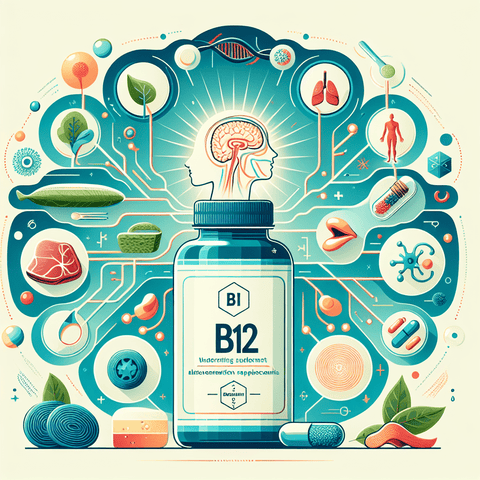
Looking for the best B12 supplements to enhance your energy, mood, and immune function? You’re in the right place. In this comprehensive guide, we’ll explore what B12 is, its critical roles in the body, the symptoms of deficiency, and how to choose the right supplement for your needs. Whether you’re a vegan, an older adult, or just curious about how to support your well-being, this article will empower you with the knowledge needed to make informed decisions about B12 supplementation.
Introduction
Why B12 Supplementation Matters
Vitamin B12, also known as cobalamin, is crucial for various physiological processes, including energy production, mood regulation, and immune support. For those seeking the best B12 supplements, understanding how this vitamin affects your health can aid in making informed choices tailored to your needs.
What You Will Learn
This guide covers the essentials of B12, including its roles, signs of deficiency, variations in individual response to supplementation, and when you might consider adding B12 to your routine. You’ll also learn how to evaluate products effectively and find the best options on Topvitamine.com.
Your Decision Journey
As you read, remember that choosing the right supplement can be a journey informed by understanding your health needs. Gather information, recognize symptoms, and finally identify the products that will ensure you get the best B12 supplement for your unique situation.
Core Explanation of the Topic
What is Vitamin B12 and Why It Matters for Health
Vitamin B12 is a water-soluble vitamin that plays a vital role in DNA synthesis, red blood cell formation, and neurological function. It is primarily found in animal products, requiring special attention for those on plant-based diets.
Key Physiological Roles Linked to Energy, Mood, and Immune Function
B12 is integral to energy metabolism. It aids in converting food into glucose, which your body uses for energy. Deficiency can lead to fatigue and weakness. Moreover, it supports the synthesis of serotonin and norepinephrine, crucial for mood regulation. Additionally, adequate B12 levels are necessary for a robust immune system.
Common Forms Used in Supplements
Vitamin B12 supplements commonly come in three forms: cyanocobalamin, methylcobalamin, and hydroxocobalamin. Cyanocobalamin is synthetic; methylcobalamin is biologically active; and hydroxocobalamin is a natural form that can enhance B12 levels in the body. Each has its advantages based on individual needs.
Basic Absorption Biology
Vitamin B12 absorption relies on intrinsic factor, a protein produced in the stomach. The Recommended Dietary Allowance (RDA) varies by age and life stage, but actual needs may differ based on health conditions or age-related changes in digestion.
Why This Topic Matters
The Prevalence and Impact of Suboptimal B12 Status
Many people are unaware that they might not be getting enough B12, leading to fatigue, cognitive decline, and immune dysfunction. Understanding the impacts of deficiency is crucial for maintaining daily functioning.
Influence on Energy Levels, Mood, and Immune Resilience
Adequate B12 levels are linked to improved energy, positive mood, and enhanced immune response. Conversely, low levels can contribute to feelings of exhaustion, depression, and increased susceptibility to infections.
Public Health Relevance for At-Risk Groups
Certain populations, including vegetarians, vegans, older adults, pregnant individuals, and those with gastrointestinal disorders, are at a higher risk for B12 deficiency and should monitor their intake closely.
Related Symptoms, Signals, or Health Implications
Common Signs of B12 Insufficiency or Deficiency
Symptoms of B12 deficiency include fatigue, brain fog, mood disturbances, pale skin, and neurological symptoms such as tingling or numbness in the hands and feet.
Less Obvious or Subclinical Signals
Less obvious signals can include digestive issues, cognitive decline, and impaired balance, which may not be immediately linked to B12 levels.
Health Implications of Prolonged Deficiency
If left unaddressed, prolonged B12 deficiency can lead to severe neurological damage and increased risk of cardiovascular diseases. Early intervention through testing and diet adjustment or supplementation is vital.
Individual Variability and Uncertainty
Variation in Absorption and Response
Individual variability in absorption of B12 can significantly affect outcomes. Factors like gastric acidity, underlying health conditions, and genetic predispositions can influence how well the body utilizes vitamin B12.
Influence of Gastric Acidity and Medications
Conditions such as pernicious anemia or medications like metformin and acid-reducing drugs can inhibit B12 absorption, impacting an individual’s status and needs.
Genetic and Lifestyle Factors
Genetics and lifestyle choices, such as diet, smoking habits, and alcohol consumption, can also modulate B12 levels and influence the effectiveness of supplementation.
Why Symptoms Alone Do Not Reveal the Root Cause
The Risk of Assumption
It’s important not to jump to the conclusion that fatigue or mood disturbances are solely due to B12 deficiency without proper testing and diagnosis.
Other Common Causes of Energy and Mood Issues
Iron, folate, vitamin B6, thyroid function, sleep quality, and stress are common factors that can affect energy and mood and may need to be addressed alongside B12 status.
Potential Downsides of Self-Diagnosis
Self-diagnosis may lead to unnecessary supplementation, which can create imbalances and does not address underlying health issues. Consulting a healthcare provider is advisable for confirming deficiencies and establishing a proper supplementation plan.
The Role of Nutritional Supplements
When B12 Supplementation is Appropriate
B12 supplementation is recommended for individuals with dietary gaps, suspected deficiencies, or those at risk. This includes vegetarians, vegans, and older adults with decreased absorption ability.
What the Evidence Suggests
Research suggests that while supplementation can effectively restore levels, individual needs vary greatly, making personalized approaches essential.
Integrating Supplements with Medical Advice
Supplements should complement a balanced diet, and decisions should be made based on dietary intake assessments, clinical symptoms, and medical advice.
How Nutritional Supplements Could Support
Practical Usage of Supplements
When choosing a B12 supplement, consider the form (methylcobalamin, cyanocobalamin) and delivery method (sublingual, chewables). Dosing generally ranges from 250 to 1000 micrograms, dependent on individual needs.
Synergistic Nutrients and Lifestyle Factors
Maximize B12 benefits by ensuring adequate intake of synergistic nutrients such as folate and vitamin B6. Additionally, maintaining good gut health is crucial since it aids in nutrient absorption.
Safety Considerations
While B12 is generally considered safe, monitoring for potential interactions with other medications and side effects is important, especially when taken in high doses.
Decision-Support Section
Scenario-Based Guidance for B12 Supplementation
Consider trying B12 supplements if you experience deficiency symptoms, follow a vegan or vegetarian diet, or are an older adult with absorption concerns. People on certain medications may also benefit.
When to Pursue Testing
If symptoms are present, pursue testing for methylmalonic acid, homocysteine levels, and serum B12 to assess your status and guide further actions with a healthcare provider.
Tracking Response to Supplementation
After starting supplementation, monitor symptoms and consider retesting every few months to assess improvements and adjust the dosage as necessary.
Best B12 Supplements: Top Picks for Energy, Mood & Immunity
Criteria for Identifying Top Picks
When evaluating the best B12 supplements, consider bioavailability, form, dosage, purity, third-party testing, and ingredient transparency.
Shortlist Overview by Category
- Oral vs. Sublingual: Sublingual forms may enhance absorption.
- Methylcobalamin vs. Cyanocobalamin: Choose based on personal preference and tolerance.
- High-dose vs. Lower-dose Options: Higher doses may be needed for certain individuals with absorption issues.
Matching Products to Goals
Consider your specific needs, such as energy focus, mood support, or immune enhancement when selecting a supplement. Be mindful of dosing on product labels, looking for active forms and added cofactors.
Buying Considerations on Topvitamine.com
Why Use Topvitamine for B12 Product Comparisons
Topvitamine offers trusted reviews and curated data for B12 products, ensuring transparency and helping you make informed choices.
Navigating Topvitamine’s Product Pages
Easily filter product options based on form, dose, third-party certifications, and user reviews to find the best B12 supplements quickly.
Key Signals to Evaluate
Look for certifications, reputable sourcing practices, allergen information, and purity tests to make informed purchasing decisions.
Conclusion
Recap of Why and When to Consider B12 Supplements
Understanding your B12 needs is vital for your overall health. Supplements can benefit those with dietary gaps, deficiencies, or special considerations, such as genetics.
How Topvitamine Can Help
Topvitamine streamlines your supplement selection process, ensuring you access quality products for optimal health support.
Actionable Next Steps
Start your journey to better health by exploring the options for the best B12 supplements on Topvitamine.com. Choose a vetted option and take a proactive step in supporting your energy, mood, and immune function.
Key Takeaways
- Vitamin B12 is essential for energy production, mood regulation, and immune function.
- Supplemental forms include methylcobalamin, cyanocobalamin, and hydroxocobalamin.
- Dietary intake from animal products is crucial for B12, highlighting the need for supplementation in certain dietary groups.
- Symptoms of deficiency can overlap with other conditions, necessitating thorough testing.
- Individual variability affects B12 absorption and response to supplementation.
- Choosing the right form and dosage of B12 supplements is critical for efficacy.
- Monitoring and adjusting based on individual needs helps optimize benefits.
- Topvitamine offers easy access to reviewed and trusted B12 products.
- Consult healthcare professionals when in doubt about supplementation needs.
- Start your exploration of the best B12 supplements today for improved health.
Q&A Section
1. What is the recommended dietary allowance (RDA) for B12?
The RDA for adults is 2.4 micrograms. However, older adults and those with specific dietary restrictions may require more.
2. Can you get enough B12 from a vegan diet?
Generally, a vegan diet lacks adequate B12, necessitating careful planning or supplementation to avoid deficiency.
3. How do I know if I need B12 supplements?
Signs like fatigue, brain fog, mood changes, and symptoms of anemia may indicate a need for B12 testing and potential supplementation.
4. Are there any side effects of taking too much B12?
Excess B12 is generally considered safe, as it is water-soluble and excess is excreted. However, consult a healthcare provider if taking high doses.
5. What are the signs of B12 deficiency?
Common signs include fatigue, memory problems, difficulty concentrating, pale skin, and pins and needles sensations.
6. Can B12 supplements interact with medications?
Yes, medications like metformin and certain acid reducers can affect B12 absorption, making monitoring important.
7. How should I take B12 supplements for the best absorption?
Taking sublingual forms or with a meal can enhance absorption. Follow product instructions for specific recommendations.
8. Is it important to consult a doctor before starting B12 supplements?
Yes, consulting a doctor is essential to confirm a deficiency and determine appropriate supplementation dosages.
9. What is the difference between methylcobalamin and cyanocobalamin?
Methylcobalamin is the biologically active form of B12, whereas cyanocobalamin is a synthetic form often used in supplements.
10. How can I monitor my B12 levels?
Blood tests measuring serum B12, methylmalonic acid, and homocysteine levels can provide insights into your B12 status.
11. Can B12 help with mood disorders?
Adequate B12 levels are linked to better mood regulation, and deficiency may contribute to mood disorders, but supplementation alone is not a cure.
12. How long does it take to notice improvements after starting B12 supplements?
Some individuals may notice benefits within a few days to weeks, but it can take longer for others, particularly if there is a significant deficiency.
Keywords
best B12 supplements, vitamin B12, cobalamin, energy production, mood support, immune function, B12 deficiency symptoms, methylcobalamin, cyanocobalamin, absorption, supplementation.