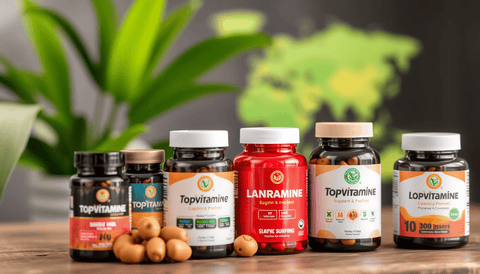
In today's global marketplace, the demand for high-quality nutritional supplements is higher than ever. This article will guide you through the top international supplement suppliers, highlighting the importance of safety and quality in nutritional products. You'll learn how to identify reliable providers, understand the variables that affect dietary needs, and navigate the complexities of supplement selection. With the right information, you can make informed purchasing decisions that contribute to your overall health and wellness.
Introduction: best international supplement suppliers and the path from information to informed purchasing
What this guide covers and why it starts with global sourcing
This guide covers the essential aspects of choosing the best international supplement suppliers, emphasizing the importance of quality, safety, and efficacy. We explore global sourcing practices that ensure nutrients are consistently delivered in safe, reliable products.
How to move from informational intent to practical decision-making about supplements
Transitioning from gathering information to making effective purchases involves understanding your unique health needs and recognizing reputable brands. This includes familiarizing yourself with essential characteristics that distinguish top suppliers from others.
Core explanation: what “best international supplement suppliers” means in practice
Defining international sourcing, quality, and safety in supplements
International sourcing of supplements means procuring ingredients and products from various countries while adhering to stringent safety and quality regulations. Quality refers to both the potency of the nutrient and its safety for consumption.
Key criteria that distinguish top global suppliers (regulatory alignment, quality control, transparency)
- Regulatory alignment: Compliance with international health guidelines and standards.
- Quality control: Rigorous testing to confirm the consistency and safety of products.
- Transparency: Clear labeling practices and readily available information about sourcing and ingredient origins.
Why this topic matters
Public health and consumer risk in a global supplement market
As the global supplement market expands, it becomes increasingly essential to evaluate products critically. Poor-quality supplements can lead to health risks and diminished efficacy, undermining consumer trust.
The impact of supplier quality on efficacy, safety, and trust
A supplier's quality directly affects the health outcomes of its products. Reliable suppliers boost consumer confidence and promote better health through effective products.
Related symptoms, signals, or health implications
Common signs that may indicate nutritional gaps (fatigue, persistent digestive issues, immune susceptibility, hair/nail changes)
Signs of nutritional deficiency can manifest as fatigue, digestive disturbances, a weakened immune system, or changes in hair and nails. Recognizing these symptoms is pivotal for identifying potential supplementation needs.
Regional and life-stage patterns in nutrient needs (age, sex, activity level, pregnancy, stress)
Nutrient needs can vary widely depending on individual factors such as age, gender, activity levels, and unique life stages like pregnancy. It's essential to factor these elements into your supplement considerations.
When symptoms point to general wellness versus specific deficiencies
Differentiating between general wellness concerns and specific nutritional deficiencies can guide more targeted supplement choices, highlighting the importance of thorough assessments before interventions.
Individual variability and uncertainty
How genetics, metabolism, and gut health affect nutrient needs and supplement response
Individual genetics, metabolism, and gut health conditions can influence how nutrients are absorbed and utilized, thus affecting supplement efficacy. Personalizing supplementation based on these variables is critical.
Diet, medications, and interactions that shape effectiveness and safety
Dietary choices, current medications, and potential interactions can significantly impact the safety and effectiveness of supplements. Consulting healthcare providers for personalized advice is advisable.
The limits of one-size-fits-all supplementation
A blanket approach to supplementation often fails to consider individual needs, leading to ineffective or potentially harmful outcomes. Tailoring supplementation is essential for optimal results.
Why symptoms alone do not reveal root cause
Differentiating symptom relief from addressing root nutritional gaps
While supplements can provide symptom relief, they may not adequately address underlying nutritional gaps. Engaging with a healthcare professional can ensure a holistic approach to health.
The risk of self-diagnosis without objective testing or clinician input
Self-diagnosis can lead to inappropriate supplementation decisions, highlighting the need for objective assessments and professional guidance to ensure safe usage.
The role of nutritional supplements in this topic
What supplements can and cannot do in supporting nutrient adequacy
Nutritional supplements serve as supportive tools for achieving dietary goals but should not replace wholesome food sources. They can help fill gaps but must be chosen wisely.
Balancing evidence, uncertainty, and real-world use
Understanding the balance between scientific evidence and real-world applications of supplements enhances effective supplementation strategies without succumbing to misinformation.
Safety considerations, interactions, and the importance of appropriate dosing
Safety must remain a priority, with attention paid to potential interactions and the importance of adhering to recommended doses to avoid adverse effects.
How nutritional supplements could support
Practical use cases: energy, immunity, digestion, joints, cognitive support
Supplements such as vitamin D and magnesium have distinct use cases, including supporting energy production, immune function, digestion, joint health, and cognitive abilities. Explore these benefits with research-backed products.
Integrating supplements with a balanced diet and healthy lifestyle
To maximize health benefits, supplements should complement a balanced diet and lifestyle choices, promoting an overall approach to wellness.
Examples of nutrient forms and delivery that matter (bioavailability, absorption)
Bioavailability refers to the degree and rate at which active ingredients are absorbed in the body. Understanding the delivery forms (e.g., capsules, powders) can enhance the effectiveness of supplements.
Decision-support section: when nutritional supplements make sense
A practical decision framework (diet assessment, symptom pattern, risk factors, and lab clues)
A thorough evaluation of dietary intake, symptom patterns, personal risk factors, and lab results can guide informed supplementation choices that align with individual needs.
Trial approach vs. targeted therapy: how to structure a safe, time-bound test
A trial approach allows individuals to experiment cautiously with specific supplements for a set period, assessing their effects before committing to a long-term regimen.
Tracking and stopping rules: how to know if a supplement is helping
Implementing clear tracking methods, such as symptom journals or regular check-ins, helps evaluate supplement effectiveness based on personal health metrics.
How to choose safe, high-quality international supplements (and why this matters)
Characteristics of reputable suppliers and what “best international supplement suppliers” look like in practice
Reputable suppliers maintain transparency, demonstrate regulatory compliance, and prioritize quality control, embodying the characteristics of the best international supplement suppliers.
Quality assurance indicators: GMP, COAs, third-party testing (USP, NSF, ISO), and certifications
- GMP: Good Manufacturing Practices ensure product consistency and safety.
- COAs: Certificates of Analysis provide evidence of ingredient potency and safety.
- Third-party testing: Organizations like USP and NSF endorse product quality.
Ingredient transparency and formulation quality (forms, dosages, processing)
Formulation quality, including ingredient forms and dosages, contributes to a product's overall effectiveness, necessitating thorough evaluations before purchase.
Sourcing principles: origin of ingredients, manufacturing standards, and batch consistency
Understanding where ingredients originate and the manufacturing standards used is crucial for assessing the integrity and consistency of supplements from international suppliers.
How to read labels and COAs to verify product integrity
Reading labels for ingredient sourcing, dosing information, and certification marks empowers consumers to make informed choices, ensuring they are purchasing authentic products.
Buying on Topvitamine: connecting this topic to practical purchasing decisions
How Topvitamine curates products from international suppliers for safety and quality
Topvitamine handpicks and curates a range of products from reputable international suppliers, ensuring customers have access to safe, high-quality nutritional options.
How Topvitamine communicates quality: labeling, COAs, warnings, and user reviews
Through clear labeling practices, detailed COAs, and authentic user reviews, Topvitamine fosters transparency, allowing consumers to make informed selections.
Navigating Topvitamine product pages: comparing ingredients, dosages, and certifications
Topvitamine's user-friendly product pages enable easy comparisons of ingredients, dosages, and certifications, facilitating informed decisions for consumers.
Clear concluding section: turning knowledge into confident, safe choices with Topvitamine
Recap of core takeaways on best international supplement suppliers and safe use
Recognizing the best international supplement suppliers involves evaluating quality, safety, and transparency. Armed with this knowledge, you can find effective supplements that meet your unique health needs.
Next steps: assess needs, compare options, and consider Topvitamine as a trusted source
Begin by assessing your nutritional needs and comparing options among various suppliers. Trust Topvitamine for quality assurance and diverse offerings.
Guidance on seeking professional input when complex health issues exist
For complex health concerns, consulting a healthcare professional ensures that personalized advice guides your supplement choices, reducing the risk of adverse effects.
Key Takeaways
- Evaluate international supplement suppliers based on safety, quality, and transparency.
- Recognize the signs of nutritional gaps to inform supplement needs.
- Individual factors like genetics and lifestyle significantly impact nutrient absorption.
- Supplementation should complement a balanced diet, not replace it.
- Consider regulatory compliance and third-party testing for product integrity.
- Track supplement effectiveness with personal metrics for informed decisions.
- Choose reputable sources like Topvitamine for curated quality products.
- A thorough assessment and consultation can optimize supplementation strategies.
- Understanding label information and COAs is vital for consumer confidence.
- Navigate supplementation with caution, ensuring it meets individual health needs.
Q&A Section
1. What are the benefits of using international supplement suppliers?
International supplement suppliers can provide a broader selection of high-quality products, often incorporating unique nutrients sourced from various parts of the world. This diversity can enhance overall nutrient accessibility and innovation in supplement formulations.
2. How do I know if a supplement is safe to use?
To determine if a supplement is safe, verify that the supplier follows Good Manufacturing Practices (GMP), check for third-party testing certifications, and review evidence of ingredient safety through Certificates of Analysis (COAs).
3. Why is transparency important in supplement sourcing?
Transparency in supplement sourcing allows consumers to understand the origin, quality, and processing of ingredients, promoting informed choices and trust in the products.
4. Can supplements replace a balanced diet?
No, supplements are designed to complement a balanced diet and should not be seen as a replacement. Whole foods offer a wide range of nutrients and health benefits that supplements cannot fully replicate.
5. What should I do if I'm experiencing symptoms of nutritional deficiencies?
If experiencing symptoms of nutritional deficiencies, it's advisable to consult a healthcare professional for assessment and recommendations tailored to your specific needs before starting any new supplementation.
6. How can I track the effectiveness of a supplement?
Tracking the effectiveness of a supplement can be done through symptom journals, regular health assessments, and laboratory tests that monitor relevant nutrient levels over time.
7. Is there a risk in self-diagnosing nutritional gaps?
Yes, self-diagnosing nutritional gaps can lead to inappropriate supplementation, potentially causing harm. Objective testing and professional guidance are recommended for safe practices.
8. What role do genetics play in nutrient absorption?
Genetics can influence how efficiently your body absorbs and utilizes nutrients, as well as your response to certain supplements. This individuality necessitates personalized approaches to supplementation.
9. How do I read a supplement label correctly?
To read a supplement label, look for the ingredient list, dosage information, active vs. inactive ingredients, and certifications that indicate quality. Understanding these components helps ensure informed consumption.
10. What certifications should I look for in supplements?
Look for certifications such as GMP, USP, NSF, and ISO, which indicate adherence to quality and safety standards. These certifications can guide you toward reputable products.
11. When is the best time to take supplements for maximum benefit?
The best time to take supplements often depends on the specific product and nutrient. For example, fat-soluble vitamins are best taken with meals containing fat, while water-soluble vitamins may be taken on an empty stomach. Check individual product recommendations for optimal timing.
12. Can I take multiple supplements at once?
While taking multiple supplements can be beneficial, it's essential to consider potential interactions and cumulative effects. Consulting a healthcare provider can help navigate combinations safely.
Keywords
best international supplement suppliers, nutritional supplements, dietary needs, supplement safety, individual variability, quality assurance, nutrient absorption, health implications, symptom tracking, supplement transparency.