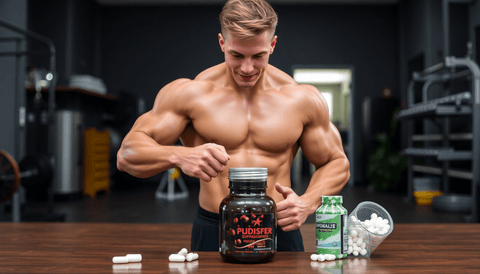
Building muscle is one of the most common fitness goals, and the supplement aisle promises faster results than ever. But the reality is more nuanced: the best supplements for muscle gain are only a handful of products with solid evidence, while many popular options are overpriced or unproven. In this guide, you will learn which supplements are actually supported by research, how they fit into a diet and training plan, how to choose quality products, and when supplements are genuinely worth your money versus when food and recovery basics will do the job.
What Actually Builds Muscle: The Role of Training, Calories, and Protein
Why Supplements Are Only a Small Piece of the Muscle-Building Puzzle
Muscle growth is driven primarily by three factors: progressive resistance training, a sufficient calorie intake, and adequate protein spread across the day. Research consistently shows that these fundamentals explain the vast majority of results. Supplements sit at the very end of this chain. They can help you train harder, recover slightly better, or hit your protein targets more conveniently, but they cannot compensate for inconsistent training or an inadequate diet.
A useful way to think about it: if your training, calories, sleep, and daily protein are not in order, adding supplements is like putting premium fuel in a car with flat tires. Fix the fundamentals first, then consider supplements as marginal refinements.
The Basics of Muscle Protein Synthesis and Recovery
Muscle growth occurs when muscle protein synthesis—the process of building new muscle tissue—exceeds muscle protein breakdown over time. Resistance training triggers this synthesis, and dietary protein provides the amino acids needed as building blocks. A modest calorie surplus gives your body the energy to support this process. Recovery, including sleep, is when much of the actual adaptation happens.
This is why timing matters less than total daily intake. Your muscles respond to the cumulative balance of training stimulus, protein availability, and rest across days and weeks, not to any single meal or shake.
How Much Protein Do You Really Need for Muscle Growth?
Recommended Daily Protein Intake for Active Adults
For generally healthy adults aiming to build muscle, most research and expert reviews support a protein intake of roughly 1.6 to 2.2 grams per kilogram of body weight per day. The general recommended dietary allowance of 0.8 g/kg is a minimum for preventing deficiency, not an optimal target for muscle growth in active people. Spreading protein across three to five meals, each containing around 20–40 grams, appears effective for maximizing muscle protein synthesis throughout the day.
Why Getting Protein from Whole Foods Comes First
Whole foods—meat, fish, eggs, dairy, legumes, tofu, and tempeh—should form the foundation of your protein intake. They provide not only protein but also micronutrients such as iron, zinc, and vitamin B12, which play roles in energy metabolism and overall recovery. Whole foods are also generally more satiating and cheaper per gram of protein than supplements.
Supplements become relevant when whole foods alone make hitting your daily protein target impractical—for example, due to a busy schedule, low appetite, or dietary restrictions. In that context, a protein powder is a convenience tool, not a magic ingredient.
The Best Supplements for Muscle Gain That Have Real Evidence
Creatine Monohydrate: The Most Researched Muscle-Building Supplement
Creatine monohydrate is arguably the most extensively studied sports supplement available. It works by increasing your muscles' phosphocreatine stores, which supports short, intense efforts such as heavy lifting and sprinting. The practical benefit is indirect but meaningful: research indicates creatine supplementation can improve strength and training performance, which over time supports greater gains in lean mass when combined with resistance training.
Typical research protocols use around 3–5 grams per day. Some people start with a higher "loading" phase, though this is optional and mainly accelerates saturation of muscle stores. Creatine monohydrate is also inexpensive, which adds to its strong value profile. Note that a small initial weight increase from water held inside muscle cells is normal and distinct from fat gain.
Protein Powders: Convenient Support for Daily Protein Goals
Protein powders—whey, casein, and plant-based options—are not superior to food, but they are convenient. If you struggle to reach 1.6–2.2 g/kg of protein per day through meals alone, a shake can close the gap easily. Whey protein is fast-digesting and rich in leucine, an amino acid that plays a key signaling role in muscle protein synthesis. Casein digests more slowly, which some people use before long periods without food.
From an evidence standpoint, total daily protein matters far more than timing. The best protein powder is the one that fits your diet, digestion, and budget while helping you consistently meet your target.
Caffeine and Pre-Workouts: Do They Help You Lift More?
Caffeine is one of the better-supported performance supplements. Studies suggest moderate doses can improve strength, power output, and endurance during training sessions, meaning you may train harder—an indirect driver of muscle gain. A typical effective dose is around 3–6 mg per kilogram of body weight, taken roughly 30–60 minutes before training, though individual sensitivity varies widely.
Pre-workout blends vary enormously in quality. Many simply deliver caffeine plus a mix of under-dosed ingredients. If you use a pre-workout, check that active ingredient amounts are fully disclosed and that the caffeine dose fits your tolerance and the time of day you train.
Supplements That Are Overhyped or Unproven for Muscle Growth
Branched-Chain Amino Acids (BCAAs): Why They May Be Unnecessary
BCAAs were once a staple of bodybuilding culture, but research has not supported adding them on top of adequate total protein intake. If you already consume enough protein daily, your body receives all the leucine, isoleucine, and valine it needs. Most controlled studies find no meaningful additional benefit from BCAAs when total protein is sufficient, making them largely redundant for most lifters.
Testosterone Boosters and Weight Gainers: What to Watch Out For
Many "testosterone boosters" rely on ingredients with weak or inconsistent human evidence, and meaningful effects in healthy men with normal hormone levels are not well established. Weight gainers are essentially high-calorie protein-carbohydrate powders; they can add calories conveniently, but the same calories from food are usually cheaper and more nutritious. Be cautious of products promising rapid muscle growth or dramatic hormonal changes—such claims are rarely backed by credible evidence, and some imported products have been found to contain undisclosed banned substances.
Can You Build Lean Muscle Fast Without Supplements?
The Most Important Dietary Habits for Lean Mass Gain
Yes—most people can build muscle effectively without any supplements. The key dietary habits are: eating enough total calories (a modest surplus of roughly 200–500 calories above maintenance), hitting your daily protein target, prioritizing minimally processed foods, and staying consistent. Carbohydrates around training can support performance, and dietary fats support normal hormone function. Micronutrients matter too: minerals such as magnesium contribute to normal muscle function, which is why a varied diet remains important.
Sleep, Stress, and Training Frequency: The Foundations of Recovery
Sleep is one of the most underrated muscle-building tools. Research consistently associates short or poor-quality sleep with reduced muscle gain, worse training performance, and impaired appetite regulation. Chronic stress and under-recovery work against adaptation in similar ways. On the training side, progressive overload—gradually increasing weight, reps, or sets—and training each muscle group at least twice per week are well-supported principles. None of these can be replaced by a supplement.
How to Choose a Muscle Gain Supplement That Fits Your Needs
Creatine Monohydrate vs. Other Forms: Which Type Is Best?
Creatine is sold in many forms—hydrochloride, buffered, liquid, and blends—but creatine monohydrate remains the form with by far the most research supporting its effectiveness, safety, and affordability. Newer forms have not been shown to outperform monohydrate in head-to-head studies. Unless you have a specific reason otherwise, monohydrate is the evidence-based and economical default.
Whey, Casein, or Plant Protein: How to Pick a Protein Powder
Whey is fast-digesting, widely available, and typically high in leucine, making it a solid default for most people. Casein is slower-digesting and may suit use before long gaps without food. Plant-based blends (such as pea and rice combinations) are well suited to vegans and those with dairy sensitivities; choosing a blend helps ensure a more complete amino acid profile. Check the protein content per serving—aim for a product that is mostly protein by weight rather than filled with carbohydrates and fats, unless you specifically want a gainer.
Checking for Third-Party Testing and Label Accuracy
Because supplements are less strictly regulated than medicines, quality varies between brands. Look for third-party testing certifications (such as Informed Sport or NSF Certified for Sport), transparent ingredient lists with exact amounts, and manufacturers with good reputations for purity. This is especially important for athletes subject to doping rules, since contamination with banned substances occasionally occurs in this product category.
How to Read a Supplement Label for Muscle Building
Understanding Serving Size, Active Ingredient Amounts, and Fillers
Always check the serving size first: some products require two or three scoops to reach the dose studied in research, which changes the real cost and the amount of additives you consume. Look for the exact amount of each active ingredient per serving, and note the order of ingredients—lists are generally ordered by weight, so fillers appearing early suggest a diluted formula.
Red Flags in Muscle Supplement Labels: Proprietary Blends to Avoid
Proprietary blends hide the amount of each ingredient behind a total blend weight, making it impossible to know whether you are getting an effective dose. Other red flags include exaggerated claims ("gain 10 kg of muscle in weeks"), undisclosed "performance complexes," and proprietary names that obscure simple ingredients. A transparent label with clear doses is a basic marker of a trustworthy product. Our sports supplements guide offers more detail on evaluating products in this category.
Who May Actually Benefit from Muscle Gain Supplements?
When Dietary Protein Intake Is Inadequate
The clearest candidates for protein powder supplementation are people who cannot realistically meet their protein target through food: those with very high training volumes, people with low appetites during a muscle-gain phase, shift workers, and anyone with a busy lifestyle. In these cases, supplements solve a practical problem rather than providing a unique anabolic benefit.
Vegetarians, Vegans, and Older Adults: Groups That May Benefit More
Vegetarians and vegans may benefit more from both protein supplements and creatine. Plant proteins are sometimes lower in certain amino acids, and research suggests muscle creatine stores tend to be lower in people who eat little or no meat, meaning creatine supplementation may produce a relatively larger effect. Older adults also deserve mention: aging is associated with "anabolic resistance," meaning more protein per meal may be needed to stimulate muscle synthesis, and adequate protein plus resistance training is particularly important for preserving muscle and strength with age. Mineral status can matter here too—minerals such as zinc and iron contribute to normal metabolism and energy production, and deficiencies are more common in some plant-based diets.
Potential Side Effects and Safety Considerations
Is Creatine Safe? Common Myths and Known Side Effects
Creatine monohydrate has an excellent safety record in healthy people across many years of research. The most common side effect is minor water retention and sometimes temporary weight gain. Contrary to persistent myths, evidence does not support claims that creatine damages healthy kidneys, causes dehydration, or leads to cramping. People with existing kidney disease or those taking medications affecting the kidneys should consult a doctor before use, as a precaution.
Protein Powder Digestive Issues and Allergen Considerations
Some people experience bloating or digestive discomfort from whey, particularly those with lactose intolerance—whey isolate contains less lactose than concentrate and may be better tolerated. Others react to sweeteners or thickeners in certain formulas. Check allergen labels carefully: milk, soy, and egg are common in protein products, and certified vegan options exist for those who need them.
Caffeine Interactions and Timing of Pre-Workouts
Caffeine can cause jitteriness, anxiety, elevated heart rate, and sleep disruption—especially if taken late in the day, which can indirectly harm recovery. It may interact with certain medications and is best limited during pregnancy. If you consume coffee or energy drinks, account for that total caffeine intake when dosing a pre-workout. Start with a lower dose to assess your tolerance.
Making the Informed Decision: Supplements vs. Whole Food Strategies
A Practical Checklist Before Buying a Muscle Gain Supplement
Before spending money, run through this checklist:
- Have you fixed the basics? Consistent progressive training, adequate calories, and sufficient daily protein matter more than any product.
- Is the supplement evidence-backed? Creatine monohydrate and protein powder have strong support; most "boosters" do not.
- Is the dose transparent and evidence-aligned? Avoid proprietary blends and products requiring unreasonably large servings.
- Is it independently tested? Third-party certification adds a layer of quality assurance.
- Does it fit your diet and budget? A supplement you cannot take consistently offers little value.
When It Makes Sense to Consult a Professional
Seek professional advice if you have a medical condition such as kidney or liver disease, take prescription medication, are pregnant or breastfeeding, or if you experience unexplained fatigue or stalled progress despite doing everything right. A registered dietitian or sports physician can assess your actual intake and, where relevant, arrange testing rather than guessing. Persistent fatigue, for example, may reflect issues unrelated to your supplement stack, and self-diagnosing with products is rarely the right starting point.
Conclusion: A Balanced Approach to Building Lean Muscle
The honest answer to the best supplements for muscle gain is short: creatine monohydrate and protein powder are the two products with the strongest evidence, with caffeine as a useful training-performance aid. Everything else ranges from situational to unproven. Muscle is built through progressive training, adequate calories and protein, quality sleep, and consistency sustained over months—not through any pill or powder. Treat supplements as tools that fill specific gaps: convenience when whole foods fall short, or performance support when training demands are high. Choose transparent, independently tested products at evidence-aligned doses, and consult a healthcare professional whenever you have an underlying condition or uncertain symptoms.
Key Takeaways on the Best Supplements for Muscle Gain
What Matters Most: Training Consistency, Nutrition, and Recovery
- Progressive resistance training, sufficient calories, and adequate daily protein drive muscle growth; supplements are marginal additions, not replacements.
- Creatine monohydrate is the most researched and cost-effective muscle supplement, typically studied at around 3–5 grams per day.
- Protein powders are convenient tools for reaching daily protein targets of roughly 1.6–2.2 g/kg, not superior to whole foods.
- Caffeine may improve training performance at moderate doses but can disrupt sleep if taken late in the day.
- BCAAs, most testosterone boosters, and many pre-workout blends lack strong evidence when protein intake is already adequate.
- Vegetarians, vegans, and older adults are among the groups most likely to benefit from protein or creatine supplementation.
- Look for transparent labels with disclosed doses and third-party testing; avoid proprietary blends.
- Research does not support common myths that creatine harms healthy kidneys or causes cramping, though medical advice is prudent with existing kidney conditions.
- Sleep quality and stress management meaningfully influence muscle gain and cannot be replaced by any supplement.
- Consult a professional if you have a medical condition, take medication, or your progress stalls despite solid fundamentals.
Frequently Asked Questions
What are the best supplements for muscle gain?
The supplements with the strongest evidence are creatine monohydrate and protein powder, with caffeine as a well-supported training-performance aid. Most other products marketed for muscle growth have weaker or inconsistent evidence, especially when your diet and training are already solid.
Do I need supplements to build muscle?
No. Most people can build muscle effectively with food, resistance training, and adequate sleep alone. Supplements mainly help when hitting protein targets through food is impractical or when you want a modest performance edge in training.
How much creatine should I take per day?
Most research uses around 3–5 grams of creatine monohydrate per day. A loading phase of roughly 20 grams daily for several days is optional and mainly speeds up muscle saturation; daily maintenance dosing achieves the same stores over a few weeks.
When is the best time to take creatine?
Timing appears far less important than consistency. Taking creatine at any time of day, every day, maintains muscle saturation. Some people take it with a meal, which may slightly aid uptake but is not essential.
Is creatine safe for long-term use?
Research in healthy individuals supports the safety of creatine at recommended doses over extended periods. Minor water retention is the most common effect. Anyone with kidney disease or related concerns should consult a doctor first.
Whey or plant protein: which is better for muscle growth?
Both can effectively support muscle growth when total daily protein is adequate. Whey is naturally rich in leucine and digests quickly; well-formulated plant blends (such as pea plus rice) offer a comparable alternative, particularly for vegans or those with dairy intolerance.
Do BCAAs help build muscle?
Not if you already eat enough protein. BCAAs are components of complete protein, and studies show little additional benefit when daily protein intake is sufficient. They may only make sense in very specific situations, such as training fasted without protein available.
Can protein powder cause weight gain?
Protein powder contributes calories like any food. Within a planned muscle-gain surplus, weight gain—including muscle—is the goal; excess calories beyond your plan, from shakes or food alike, will contribute to fat gain.
Do pre-workout supplements actually work?
The caffeine in most pre-workouts has genuine evidence for improving training performance. However, many blends contain under-dosed "extras" and proprietary blends that make quality hard to judge. Simple caffeine plus a transparent label is often the smarter choice.
Can you take too much protein?
Very high intakes offer no additional muscle-building benefit and simply displace other nutrients. For people with healthy kidneys, intakes up to around 2.2 g/kg per day are generally considered safe, but those with kidney disease should follow medical guidance on protein intake.
How long does it take to see muscle gains?
Visible changes typically take several weeks to a few months of consistent training and nutrition, with strength often improving first. "Fast" muscle gain is relative—sustainable lean gains usually average roughly 0.25–0.5 kg of muscle per month for beginners, with slower progress as experience increases.
Do women benefit from creatine and protein supplements?
Yes. The mechanisms of muscle protein synthesis and creatine's effects on training performance apply to women as well as men, and research supports their use in female athletes and active women at similar doses relative to body weight.
Related Keywords
- best supplements for muscle gain
- creatine monohydrate benefits
- protein powder for muscle growth
- whey vs plant protein
- how much protein to build muscle
- muscle building supplements that work
- pre-workout caffeine dose
- BCAAs vs protein
- lean muscle gain diet
- creatine dosage and safety
- testosterone boosters evidence
- supplements for older adults muscle
- vegan muscle building protein
- third-party tested sports supplements