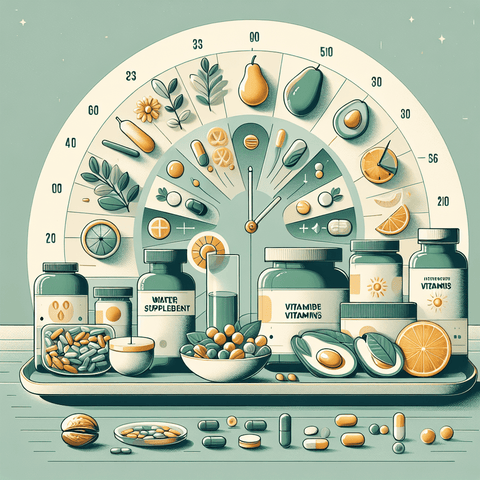
Understanding the best time to take vitamins can feel surprisingly complicated. The right answer depends on the type of nutrient, your daily routine, and how your body processes different compounds. Some vitamins energize, others relax, and certain minerals compete for absorption when taken together. This guide breaks down the science of nutrient timing so you can build a supplement schedule that works with your body, not against it. You will learn the key differences between fat-soluble and water-soluble vitamins, how your circadian rhythm influences digestion, and practical strategies for spacing your doses.
What Is the Best Time to Take Vitamins?
There is no universal "best" time that applies to every pill in your cabinet. The ideal moment to take a supplement depends primarily on whether the nutrient is fat-soluble or water-soluble, along with your personal health goals. For example, energizing B vitamins are often best in the morning, while calming magnesium may be better suited for the evening. The goal is to maximize absorption while minimizing side effects like nausea or sleep disruption.
Why Meal Timing Matters for Nutrient Absorption
Your digestive system is not always in the same state of readiness. When you eat, your stomach produces acid and your intestines begin secreting digestive enzymes, creating an environment primed for nutrient breakdown. Taking certain vitamins on an empty stomach can lead to stomach upset, while taking others with a meal can significantly enhance their uptake. The composition of your meal matters too—fats, fibers, and proteins can either help or hinder absorption depending on the specific nutrient.
The Difference Between Fat-Soluble and Water-Soluble Vitamins
Vitamins are classified by how they dissolve in the body, which directly influences when and how you should take them. Fat-soluble vitamins (A, D, E, K) require dietary fat for proper absorption. They are stored in the liver and fatty tissues, meaning they do not need to be consumed every single day. Water-soluble vitamins (B-complex and vitamin C) dissolve in water and are not stored in large amounts. Excess amounts are excreted through urine, so they require more regular intake. Water-soluble vitamins are generally best absorbed on an empty stomach, though some people find them gentler with a small meal.
Morning vs. Night: Does It Actually Make a Difference?
The short answer is yes, but mainly for specific nutrients rather than all supplements. The timing matters most for vitamins that influence energy levels or sleep quality. B vitamins, particularly B12 and B6, play a role in energy metabolism and neurotransmitter synthesis, making them potentially stimulating if taken late in the day. Conversely, magnesium promotes relaxation and can support sleep quality when taken in the evening. Your body's internal clock also regulates digestive enzyme secretion, gastric emptying, and nutrient transporter activity, meaning the same dose may be processed differently at 8 AM versus 8 PM.
How Your Body’s Clock Affects Nutrient Processing
Circadian Rhythms and Digestive Enzyme Activity
Your circadian rhythm—the internal 24-hour clock—influences virtually every physiological process, including digestion. Studies indicate that digestive enzyme production, intestinal motility, and nutrient transporter expression fluctuate throughout the day. This means your gut is not equally efficient at absorbing nutrients at all times. For most people, digestive activity peaks during daylight hours when meals are typically consumed, aligning with evolutionary patterns of eating during the active phase.
How Stomach Acid and Empty Stomach Timing Play a Role
Stomach acid is essential for breaking down food and releasing minerals from their food matrix. Its production follows a circadian pattern as well, often increasing around mealtimes in anticipation of food. Taking certain supplements—particularly minerals like iron and calcium—ona completely empty stomach can reduce their absorption and increase the risk of gastrointestinal irritation. On the other hand, some nutrients like vitamin C are better absorbed ona empty stomach, though many people tolerate them fine with food.
The Link Between Sleep Cycles and Mineral Absorption
Emerging research suggests that sleep quality and mineral absorption may have a bidirectional relationship. Minerals like magnesium and zinc are involved in neurotransmitter regulation, muscle relaxation, and melatonin production—all processes connected to sleep. Some evidence indicates that taking these minerals in the evening may support the body's natural wind-down process. However, this doesn't mean morning doses are ineffective; consistency matters more than perfect timing for most minerals.
Best Time to Take Fat-Soluble Vitamins (A, D, E, K)
Why Fat-Soluble Vitamins Require Dietary Fat
Fat-soluble vitamins need dietary fat to be efficiently absorbed because they are insolublein water and require micelles—small fat droplets—for transport across the intestinal wall. Taking these vitamins with a meal that contains healthy fats like avocado, olive oil, nuts, or fatty fish can significantly improve their bioavailability. Without adequate dietary fat, a large portion of the dose may pass through undigested, wasting both your money and the nutrients. The type of fat matters less than the presence of fat itself.
Should You Take Vitamin D in the Morning or Evening?
Vitamin D is arguably the most debated nutrient regarding timing. Some research has suggested that taking vitamin D late in the day might interfere with melatonin production and sleep, though the evidence is mixed and not definitive. A larger concern is consistency: taking vitamin D with your largest meal—whether morning or night— ensures better absorption since larger meals typically contain more fat. Many experts recommend morning intake to avoid any potential sleep disruption, but the scientific consensus is not strong enough to make this a hard rule. What matters most is taking it with food containing fat, and doing so consistently.
Combining Vitamin K2 with D3: Timing and Synergy
Vitamins D3 and K2 work synergistically in the body: D3 helps regulate calcium absorption, while K2 directs that calcium to the bonesand teeth rather than soft tissues. Taking them together is generally recommended for convenience, and because their synergistic function suggests they may be more effective when co-administered. Both are fat-soluble, so they should be taken with a fat-containing meal. If you take D3 inthe morning, taking K2 at the same time is practical; if you prefer evening intake, combining them serve the same purpose. There is no strong evidence that separating them improves outcomes.
Best Time to Take Water-Soluble Vitamins (B-Complex and Vitamin C)
Why B Vitamins Are Often Recommended in the Morning
B-complex vitamins—including B1, B2, B3, B5, B6, B7, B9 (folate), and B12—are essential for converting food into cellular energy. They participate in enzymatic reactions that produce ATP, the body's primary energy currency. Because they can have an energizing effect, taking them inthe morning alongside breakfast is often recommended to align with your body's natural energy peak. Some people report that taking B vitamins late in the day makes it harder to fall asleep, potentially due to increased mental alertness. If you take B vitamins for energy support, morning timing makes logical sense.
Vitamin C: Does Timing Affect Its Antioxidant Effects?
Vitamin C is a water-soluble antioxidant that supports immune function, collagen synthesis, and iron absorption. Unlike B vitamins, vitamin C does not have significant stimulating properties, so timing is less critical from a sleep perspective. Some evidence suggests that splitting the daily dose (e.g., half inthe morning, half inthe afternoon) may maintain more consistent blood levels, since vitamin C has a relatively short half-life. However, the primary consideration is tolerability: high doses of vitamin C can cause digestive discomfort, particularly onaempty stomach, so taking it with a meal may be gentler.
Can Late-Day Water-Soluble Vitamins Disrupt Sleep?
For most water-soluble vitamins other than B-complex, evening intake is unlikely to disrupt sleep. Vitamin C, for instance, does not have known stimulating properties. However, individuals who are sensitive to any supplement or who take high doses of B vitamins may notice increased alertness if taken late. If you prefer evening routines, consider taking non-B water-soluble vitamins like vitamin C at night, and reserve B-complex for morning. Pay attention to your own body's signals—sensitivity varies considerably between individuals.
Best Time to Take Minerals: Magnesium, Iron, Calcium, and Zinc
Magnesium for Relaxation: Is Nighttime Better?
Magnesium is involved in over 300 enzymatic reactions, including those that regulate muscle contraction, nerve transmission, and the stress response. It has natural calming properties, possibly through its role in regulating the hypothalamic-pituitary-adrenal axis and promoting GABA activity inthe brain. Many people report that taking magnesium inthe evening helps them relax and improves sleep quality. While the evidence for magnesium's sleep benefits is promising but not conclusive, nighttime dosing aligns with its proposed calming mechanism. The glycinate and threonate forms are often associated with better tolerance and potential sleep support.
Iron Absorption: Morning on an Empty Stomach vs. With Food
Iron absorption is notoriously tricky: heme iron from animal sources is absorbed better than non-heme iron from plants, and many dietary components interfere with uptake. Tannins in tea, calcium, phytates in grains, and polyphenols in coffee can significantly reduce iron absorption. Taking iron onaempty stomach maximizes absorption, but this approachcan cause nausea and stomach crampsformany people. If empty-stomach intake is not tolerable, taking iron with a small amount of food—particularly vitamin C-rich foods—can balance absorption with tolerability. Avoid taking iron simultaneously with calcium or antacids.
Calcium and Zinc: Why They Compete for Absorption
Calcium, zinc, iron, and magnesium share similar absorption pathways inthe intestines, meaning high doses of one can interfere with the others. Specifically, calcium can inhibit zinc absorption, and both calcium and zinc may compete with iron. This is why many experts recommend spacing mineral doses rather than taking them all together. If you take a calcium supplement, consider taking it separately from iron-rich meals or iron supplements. Similarly, zinc supplements may be best taken apart from calcium supplements, ideally at different times of day.
How to Space Out Mineral Doses for Maximum Uptake
To minimize competition between minerals, a practical strategy is to distribute them across different meals. For example, you might take magnesium inthe evening, calcium inthe morning, and iron with lunch. Alternatively, larger doses of a single mineral might be split into smaller doses taken at different times. This approach not only reduces competition but also maintains more stable blood levels. If you are taking a multivitamin that contains multiple minerals, the doses are typically balanced to minimize interference, but spacing still may be beneficial if you take additional individual mineral supplements.
Best Time to Take Probiotics and Digestive Enzymes
Probiotics on Empty Stomach vs. With Meals
Probiotics—beneficial bacteria—have varying survival requirements depending on the strain. Some strains, particularly Lactobacillus and Bifidobacterium, appear to survive better when taken with food, as the food matrix protects them from stomach acid. Others may be taken ona empty stomach, allowing faster transit to the intestines. The general consensus is that taking probiotics with a meal—or shortly before—improves survival for most strains compared to taking them strictly ona empty stomach. Consistency in timing matters more than the exact hour, as regular intake supports gut colonization more effectively than sporadic high doses.
When to Take Digestive Enzymes for Optimal Support
Digestive enzymes are designed to help break down food components like proteins, fats, and carbohydrates. Their optimal timing is immediately before or atthe start of a meal, so they mix with food asthey enter the stomach. Taking enzymes too far in advance means they may be degraded by stomach acid before food arrives. Conversely, taking them well after starting a meal reduces their effectiveness, since much of the digestive process has already begun. For most enzyme products, the label instructions—usually "take with each meal"—are the most practical guide.
Common Signs Your Vitamin Timing or Absorption Might Be Off
Digestive Discomfort or Nausea After Taking Vitamins
If you frequently experience nausea, stomach cramps, or digestive upset after taking supplements, your timing or food pairing may need adjustment. Iron, magnesium, zinc, and high doses of vitamin C are common culprits. Taking these with food—or splitting doses—can often resolve the issue. Sometimes switching the supplement form (e.g., magnesium glycinate instead of oxide) also improves tolerance. If digestive symptoms persist despite adjustments, consulting a healthcare provider is warranted to rule out underlying issues.
Sleep Disturbances Linked to Stimulating Nutrients
If you notice difficulty falling asleep or restless nights after starting a new supplement, check whether it contains B vitamins, particularly B6 or B12, or herbs like ginseng. Taking these earlier inthe day often resolves sleep issues. Similarly, some people report that high doses of vitamin D taken late evening affect their sleep, though this is less well-established. Experimenting with timing—moving the dose to morning—can help determine if the supplement is the culprit.
Noticeable Changes in Energy Levels Throughout the Day
Supplements that support energy metabolism—like B vitamins and coenzyme Q10—may produce noticeable changes in energy levels depending on when yu take them. If yu feel jittery or overly stimulated after morning supplements, yu might be taking too high a dose or combining multiple stimulating ingredients. Conversely, if yu feel fatigued mid-afternoon despite taking B vitamins inthe morning, yu might benefit from splitting the dose to maintain steadier blood levels. Energy response is highly individual; tracking your patterns can help optimize timing.
Factors That Influence Your Ideal Supplement Schedule
Meal Composition: Fat, Fiber, and Phytates
The nutrient content of your meals significantly affects supplement absorption. High-fiber meals can bind minerals like iron, zinc, and calcium, reducing their uptake. Phytates present in whole grains, legumes,and seeds are particularly potent inhibitors of mineral absorption. Conversely, vitamin C enhances iron absorption, and fats facilitate fat-soluble vitamin uptake. Planning supplements so they do not coincide with heavy fiber or phytate intake—or pairing them with complementary nutrients—can substantially improve absorption.
Medications and Prescription Drug Interactions
Many common medications interact with vitamins and minerals. For example, proton pump inhibitors (PPIs) reduce stomach acid, potentially impairing absorption of vitamin B12, iron, and calcium. Certain antibiotics, diuretics, and antiepileptic drugs can deplete minerals like magnesium, potassium, and zinc. If yu are on prescription medications, timing supplements several hours apart from your medication—or choosing forms that are absorbed differently—may help mitigate interactions. Always consult your prescriber or pharmacist about potential interactions before adding new supplements.
Age-Related Changes in Stomach Acid and Absorption
As we age, stomach acid production frequently declines, reducing the body's ability to absorb nutrients like vitamin B12, iron, calcium, and folate. This physiological change—sometimes called atrophic gastritis—affects an estimated 10–30% of older adults. Additionally, intestinal motility slows with age, potentially affecting nutrient contact time with absorptive surfaces. Older adults may benefit from supplements in more bioavailable forms (e.g., methylated B12, chelated minerals)and from taking them in smaller, more frequent doses across the day to compensate for reduced absorptive capacity.
Genetics and Individual Nutrient Metabolism
Genetic variations can substantially influence how well yu absorb, convert, or utilize specific nutrients. For example, variants inthe MTHFR gene affect the conversion of folic acid into its active form (5-MTHF), which is necessary for neurotransmitter synthesis and DNA methylation. Similarly, variations invitamin D receptor (VDR) genes can influence vitamin D metabolism. While direct-to-consumer genetic testing can reveal some of these variations, such information should be interpreted with professional guidance. These genetic differences explain why some people respond well to certain supplement forms while others do not, reinforces the importance of personalized approaches rather than one-size-fits-all timing.
Food First: Dietary Patterns That Improve Vitamin Absorption Naturally
Pairing Vitamin C-Rich Foods with Plant-Based Iron
Non-heme iron from plant sources—like spinach, lentils, and beans—is absorbed much less efficiently than heme iron from meat. However, consuming vitamin C-rich foods alongside plant-based iron can enhance absorption by up to six-fold. Examples include squeezing lemon over spinach salads, adding bell peppers to lentil soups, or drinking orange juice with a bean burrito. This simple dietary pairing is one of themost effective natural strategies for improving iron status, particularly for vegetarians and vegans. Similarly, cooking iron-rich plant foods in cast-iron cookware can modestly increase iron content.
Healthy Fats to Enhance Carotenoid and Vitamin D Absorption
Carotenoids—like beta-carotene, lycopene,and lutein—are fat-soluble plant pigments with antioxidant properties. Their absorption increases dramatically when consumed with dietary fat. Adding avocado slices to salads, drizzling olive oil over roasted vegetables,or enjoying nuts alongside fruit can significantly boost carotenoid uptake. Vitamin D, being fat-soluble, likewise benefits from fat-containing meals. Interestingly, research suggests that even modest amounts of fat—around 10–20 grams per meal—are sufficient to support fat-soluble nutrient absorption, so oyu don't need lavish amounts.
Fermented Foods to Support Gut Microbiome Health
A healthy gut microbiome plays an underappreciated role innutrient absorption. Beneficial bacteria produce some B vitamins, aid imineral solubilization, and help maintain intestinal barrier integrity. Fermented foods—such as yogurt, kefir, sauerkraut, kimchi,and kombucha—introduce probiotic strains that can support microbiome diversity. Additionally, fiber-rich prebiotic foods (garlic, onions, bananas, oats()feed beneficial bacteria. While fermented foods alone won't cure deficiencies, they create a more favorable environment for absorbing nutrients from both food and supplements.
When Supplementation May Be Necessary
Restricted Diets(Vegan, Vegetarian, or Elimination Diets)
Certain dietary patterns inherently increase the risk of specific nutrient deficiencies. Vegetarians-and particularly vegans—are at higher risk for vitamin B12 deficiency, since this vitamin is naturally found almost exclusively in animal products. They may also have lower intakes of iron, zinc, iodine,and omega-3 fatty acids, though well-planned plant-based diets can meet most needs. Eliminations diets, such asthose excluding gluten, dairy, or nightshades, can similarly reduce intake of calcium, vitamin D, B vitamins, and magnesium. For these populations, targeted supplementation—with evidence-based dosing—may bee sensible strategy when dietary optimization alone is insufficient.
Pregnancy and Prenatal Nutrient Demands
Pregnancy significantly increases requirements for several nutrients, including folic acid, iron, calcium, vitamin D, and iodine. These increased demands reflect fetal development needs plus maternal physiological adaptations like expanded blood volume. Prenatal supplements are routinely recommended during pregnancy for this reason, though specific formulations vary. Iron requirements during pregnancy often cannot be met through diet alone, justifying supplementation. Folic acid (or methylfolate()supplementation is specifically recommended before conception through early pregnancy to reduce neural tube defect risk. Always consult a prenatal care provider for personalized recommendations, as benefits and risks must be weighed carefully.
Older Adults with Reduced Nutrient Absorption
Aging is associated with reduced stomach acid production, decreased intrinsic factor levels, slower intestinal transit, and declining kidney function—all of which can impair nutrient absorption or activation. Vitamin B12 deficiency becomes increasingly common inolder adults partly due to these physiological changes. Calcium and vitamin D requirements rise with age due to bone density concerns, and magnesium status often declines. Many older adults also reduce overall food intake, making it harder to meet micronutrient needs through diet alone. For this population, targeted supplementation—often in highly bioavailable forms—can play a valuable role, though doses should be individualized based on blood tests and clinical assessment.
Diagnosed Deficiencies That Require Corrective Support
When a healthcare provider confirms anutrient deficiency through blood testing, supplementation may be necessary to correct the deficiency, particularly when dietary changes alone are insufficient or would take too long. For example, iron-deficiency anemia may require therapeutic doses onder supervision, since dietary iron intake alone typically cannot replenish depleted stores quickly. Similarly, severe vitamin D deficiency is often treated with high-dose supplementation for several weeks before transitioning to maintenance dosing. In these cases, supplementation is a medical intervention, not merely a nutritional safety net, and should follow professional guidance regarding dose, duration, and monitoring.
How to Choose the Right Vitamin and Mineral Supplements
Understanding Bioavailability: Synthetic vs. Natural Forms
Not all supplement forms are created equal in terms of absorption and utilization—a concept known as bioavailability. For some nutrients, synthetic forms are well-absorbed and effective (e.g., folic acid, though methylfolate may be preferable for some individuals(). For others, natural or chelated forms offer superior bioavailability. Examples include magnesium glycinate or citrate (better absorbed than magnesium oxide), iron bisglycinate(gentler and more bioavailable than ferrous sulfate, and vitamin E as mixed tocopherols versus synthetic DL-alpha-tocopherol. Choosing more bioavailable forms often allows lower doses—reducing side effect risk—while achieving better clinical outcomes.
Single-Ingredient vs. Multivitamin vs. Targeted Complexes
The choice between single-ingredient supplements, multivitamins, and targeted complexes depends on your specific needs. Multivitamins provide broad-spectrum coverage at moderate doses, making them convenient for general nutritional insurance. However, they may not provide therapeutic doses of any single nutrient. Single-ingredient supplements allow precise dosing for addressing specific deficiencies or therapeutic goals. Targeted complexes—like magnesium glycinate plus taurine, or B-complex with added inositol—combine synergistic nutrients for particular health objectives. Choosing the right type requires understanding your dietary gaps, health goals, and potential medication interactions, ideally with input from a healthcare professional.
Capsules, Tablets, Powders, or Liquids: Which Is Best?
The delivery format can influence absorption, convenience, and tolerability. Capsules often dissolve quickly and may contain oils or powders; they are easy to swallow and generally well-tolerated. Tablets require binding agents and may dissolve more slowly; some people prefer them for cost-effectiveness, but they can be harder to digest. Powders allow flexible dosing—ideal for minerals like magnesium—and can be mixed into beverages, though taste may be off-putting. Liquids may absorb faster but often contain added sugars or preservatives, and typically have shorter shelf lives. Ultimately, the best format is the one you'll take consistently,and that agrees with your digestive system.
Quality Indicators: Third-Party Testing and Certifications
Supplement manufacturing quality varies considerably between brands. Third-party testing—by organizations like USP, NSF International, or ConsumerLab—provides independent verification of ingredient identity, potency, purity, and absence of contaminants. Certifications like GMP (Good Manufacturing Practices) compliance, organic certification, or non-GMO verification add further quality signals. However, third-party testing does not guarantee efficacy; it only confirms that the product contains what's stated on the label in declared amounts. When evaluating brands, consider their transparency regarding sourcing, manufacturing practices, and whether they publish batch-specific test results. These quality factors are particularly important for vulnerable populations like pregnant women nasılında medication users.
What to Look for on a Supplement Label
Serving Size vs. Actual Nutrient Per Serving
One of themost common mistakes when evaluating supplements is confusing serving size with total package contents. The label always lists the serving size—the amount intended for one dose—followed by the quantity of each nutrient in that serving. Whether a product requires one, two, or three pills per serving dramatically affects the actual cost per dose. Additionally, percent Daily Values (%DV) are based on standard reference intakes,making them useful for comparison but not necessarilyindicative of your personal needs. Always check whether the serving size matches your intended dose,and calculate how long a bottle will last.
Recognizing Active Forms (e.g., Methylated B12,Chelated Minerals)
Nutrient forms appearing on labels matter for absorption and biological activity. For vitamin B12, methylcobalamin and adenosylcobalamin are active coenzyme forms, whereas cyanocobalamin requires conversion tha some individuals perform inefficiently. For magnesium, glycinate, citrate,and threonate are generally better absorbed than oxide. For folate, 5-MTHF (methylfolate()is the active form, which bypasses MTHFR-related conversion limitations. For iron, ferrous bisglycinate chelate and carbonyl iron tend to be better tolerated than ferrous sulfate. Understanding these distinctions can help select supplements that are better matched to your biochemistry, potentially improving outcomes at lower doses.
Common Additives and Allergens to Watch Out For
Supplements typically contain excipients—inactive ingredients used for binding, coating, coloring, or preservation. Common ones include magnesium stearate, silicon dioxide, microcrystalline cellulose,and titanium dioxide. While generally recognized as safe, some individuals may prefer avoiding certain additives due to sensitivities or dietary preferences. Common allergens appearing insupplements include gluten, soy, dairy, eggs, shellfish, pine nuts, and artificial dyes. If yu have celiac disease, food allergies, or follow vegan/vegetarian diets, checking labels for allergen declarations and animal-derived ingredients (e.g., gelatin capsules, lanolin-derived vitamin D3, or shellfish-derived glucosamine()is essential. Hypoallergenic brands minimize such additives, improving compatibility for sensitive individuals.
Who May Benefit Most from Adjusting Vitamin Timing
Athletesand Early-Morning Workout Enthusiasts
For people who exercise early in the morning, supplement timing relative to workouts can significantly affect performance, recovery, and tolerability. Taking energizing nutrients like B vitamins or caffeine-containing pre-workouts 30–60 minutes before exercise can support energy metabolism. Conversely, iron supplements taken immediately before high-intensity workouts may cause gastrointestinal distress; taking them post-workout with mean-or with vitamin C may be more comfortable. Magnesium supplementation in the evening can support muscle relaxation and overnight recovery. Athletes should experiment carefully with timing—and consider professional sports nutrition guidance—to find what works best for their specific training schedule and supplement regimen.
Shift Workers with Irregular Schedules
Shift workers—who may sleep during day and work at night—face unique challenges in supplement timing because their circadian rhythm is misaligned with conventional meal and sleep schedules. Research suggests that maintaining a consistent supplement schedule—even if it doesn't align with traditional morning/evening labels—may be more important than the actual clock time. For instance, a night-shift worker might take energizing B vitamins at their "morning" (e.g., 6 PM before shift()and magnesium at their "night" (e.g., 8 AM after shift(). Light exposure patterns and meal timing also affect circadian alignment, making individualized approaches essential. Consulting with a healthcare provider familiar with shift work medicine can help optimize both supplement timing and broader lifestyle strategies.
People on Long-Term Prescription Medications
Long-term medication use can warrant both higher nutrient intakes—to replace depleted stores—and strategic timing to minimize absorption interference. For example, metformin (diabetes medication) is associated with vitamin B12 deficiency, so periodic monitoring and supplementation may be necessary. Loop diuretics increase urinary excretion of magnesium, potassium,and calcium; replacing these requires attention totiming relative to medication doses. Levothyroxine ( thyroid medication) should be taken onaempty stomach—ideally 30–60 minutes before breakfast—and separated from calcium, iron, or magnesium supplements, which reduce its absorption. People on any long-term prescription should regularly review their medication list with pharmacists to identify potential nutrient interactions, andime supplements accordingly.
Safety, Side Effects,and When to Talk to a Doctor
Upper Intake Limits and Risk of Over-Supplementation
While vitamins are essential for health, more is not always better—and in some cases, excessive intake can cause harm. The National Academies of Sciences, Engineering,and Medicine have established Tolerable Upper Intake Levels (ULs) for specific nutrients—the maximum daily intake likely to pose no risk of adverse effects. For instance, the UL for vitamin A is 3,000 mcg RAE daily for adults (above which liver toxicity risk increases(), for vitamin D it's 4,000 IU daily (though higher doses are sometimes prescribed under medical supervision(), and for iron it's 45 mg daily(as a supplement. Exceeding ULs—particularly long-term—can lead to serious toxicity syndromes. This reinforces why high-dose supplementation should be guided by blood testing and professional oversight,not guesswork.
Known Interactions Between Vitamins and Common Medications
Vitamin and mineral supplements can interact with medications meaningfully. Vitamin K can antagonize warfarin, requiring careful monitoringand possible dose adjustments. Calcium reduces absorption of certain antibiotics (tetracyclines, fluoroquinolones)and thyroid medication. Iron reduces absorption of levothyroxine and some parkinson's medications. Vitamin E, garlic, ginkgo,and omega-3 fatty acids can increase bleeding risk when combined with anticoagulants or antiplatelet drugs. St. John's Wort induces liver enzymes, accelerating clearance of numerous medications. If yu take any prescription medications, here's always best practice to review your supplement regimen with your prescriber or pharmacist to avoid unintended interactions.
Why Blood Testing Should Guide High-Dose Supplementation
When considering high-dose supplementation—whether for therapeutic correction or prevention—blood testing provides crucial guidance. Symptoms alone are unreliable for diagnosing nutrient deficiencies, as many deficiency signs are nonspecific. For example, fatigue could indicate iron deficiency, B12 deficiency, thyroid dysfunction, or simply poor sleep. Blood tests can directly measure nutrient status: for iron, ferritin and hemoglobin; for vitamin D, 25-hydroxyvitamin D;for B12, serum B12 plus methylmalonic acid(MMA;and for magnesium, RBC magnesium. Testing helps establish baseline status, determines appropriate dosing, and monitors response over time. This approach—treating nutritional status based on objective data rather than guesswork—is both safer and more effective.
How to Build a Practical Daily Supplement Schedule
A Sample Morning Routine for Energy-Supporting Nutrients
An effective morning supplement routine might begin with a glass of water, then your energizing nutrients with breakfast. For example, if yu take B-complex vitamins, consider taking them with your morning meal—preferably one that includes some protein powder or eggs—since B vitamins play roles in protein metabolism. Vitamin C, whether as part of your routine or alongside iron-rich foods, can be taken at breakfast time for convenience. If yu take a multivitamin containing fat-soluble vitamins, this is an ideal time to take it with a meal containing healthy fats like avocado toast or walnuts. For iron supplements, if yu tolerate them well, taking them onaempty stomach—or with vitamin C—maximizes absorption; otherwise,linking them to breakfast is more sustainable.
A Sample Evening Routine for Relaxationand Recovery
An evening supplement routine typically focuses on nutrients that support relaxation, sleep preparation, and overnight tissue repair. Magnesium—particularly glycinate or threonate—is commonly taken 1–2 hours before bedtime, potentially with a small snack containing carbohydrates to promote serotonin production. Calcium, if taken in the evening, may support muscle relaxation but should not be combined with high-iron meals, as calcium inhibits iron absorption. Omega-3 fatty acids or vitamin D—if not already taken with a larger meal earlier—may be suitable evening options, provided they are taken with some fat. Evening routines is good opportunity to check how your body responds: if you notice vivid dreams or sleep disruption, adjust the timing or dosage accordingly.
Tips for Consistency: Habit Stacking and Reminders
Consistency—far more than perfect timing—determines whether a supplement routine produces meaningful benefits. One effective strategy is habit stacking: linking your supplement intake to an existing daily habit, like brushing your teeth or making coffee. For example, "After I brush my teeth in the morning, I take my B-complex and vitamin D"—anchors the new behavior to a well-established one. Using weekly pill organizers, setting phone reminders, keeping supplement bottles visibly near your mealtime spot, and maintaining a simple chart can significantly improve adherence. If yu frequently travel, preparing travel-sized pill pouches in advance reduces disruptions. Remember that occasional missed doses are not catastrophic, but building consistency sustainably over months—not weeks—is what matters.
Key Takeaways
- There is no one-size-fits-all best time to take vitamins; timing depends on nutrient type, your meal composition, and individual factors like medications, age, and circadian rhythm.
- Fat-soluble vitamins (A, D, E,K) require dietary fat for absorption, making them best taken with a meal that contains healthy fats—regardless of the clock time.
- Water-soluble B vitamins are often recommended in the morning due to their energizing effects, while vitamin C timing is more flexible and dose-dependent.
- Minerals like magnesium may suit evening intake for relaxation, whereas iron absorbs best ona empty stomach—though tolerability often requires taking it with food.
- Calcium, zinc, iron,and magnesium compete for absorption pathways, so spacing these minerals across different meals can improve overall uptake.
- Probiotics generally survive better when taken with food, while digestive enzymes should be taken immediately before or atthe start of meals.
- Consistency—not perfect timing—matters most for long-term supplement benefits; habit stacking and reminders promote adherence.
- Before starting any supplement—especially at high doses—consider blood testing, medication interactions, and consultation with a qualified healthcare professional.
Frequently Asked Questions
Can I take all my vitamins at once to simplify my routine?
While convenient, taking all vitamins and minerals together can reduce absorption due to competition between minerals like calcium, iron,and zinc. Additionally, fat-soluble and water-soluble vitamins have different optimal absorption conditions (with fat vs. empty stomach, respectively. Spacing them into at least two distinct times—morning and evening—typically yields better absorption and tolerability than a single mega-dose.
What time of day is vitamin D best absorbed?
Vitamin D absorption depends more on the presence of dietary fat than the clock time. Taking it with your largest meal—whether breakfast or dinner—ensures adequate fat for absorption. Some research hints that evening vitamin D may slightly affect sleep for some people, though evidence is mixed; morning intake remains a practical default for convenience and consistency sake.
Should vitamin C be taken on an empty stomach?
Vitamin C is water-soluble and can be absorbed ona empty stomach, but high doses (>500–1000 mg()may cause stomach upset, heartburn, or diarrhea insome individuals. Taking it with a small meal or splitting the dose across the day can prevent digestive discomfort while maintaining more stable blood levels. Pairing vitamin C with iron-containing meals enhances non-heme iron absorption.
Can taking vitamins with coffee or tea reduce absorption?
Yes, certain beverages interfere with absorption mentally. Tannins in tea and polyphenols in coffee can significantly reduce iron and zinc absorption. Caffeine may also increase urinary excretion of calcium and magnesium. To minimize interference, wait at least 1–2 hours between consuming coffee or tea and taking mineral supplements—particularly iron, zinc, and magnesium. Water is the safest vehicle for swallowing supplements.
How long after eating should I wait to take iron supplements?
Iron absorbs best ona empty stomach, typically 30–60 minutes before a meal or 2 hours after a meal. However, taking iron ona empty stomach often causes nausea and abdominal cramps. If that occurs, taking iron with a small amount of food—especially vitamin C-rich foods—is a reasonable compromise, though absorption will be somewhat reduced. Avoid taking iron simultaneously with calcium, antacids, or high-fiber meals.
Why does magnesium make me feel drowsy when taken during the day?
Magnesium influences the nervous system by modulating NMDA receptors and promoting GABA activity, which can produce a calming, sometimes sedating effect—particularly atthe higher doses used insupplements. This effect is more pronounced inthe glycinate form. If magnesium makes yu feel drowsy during the day, consider moving it to evening doses near bedtime, where its calming properties can support sleep preparation rather than interfere with daytime alertness.
Are tablet vitamins as effective as liquid or powder forms?
Tablet, capsule,powder,and liquid forms can all be effective if formulated well and manufactured properly. The key factors are whether the nutrient form is bioavailable, whether the tablet dissolves adequately, and whether yu absorb it well—which varies by individual digestive capacity. Tablets are generally convenient and cost-effective but may dissolve more slowly; powders and liquids absorb faster but may require more careful dosing. Quality third-party testing helps ensure consistency regardless of format.
How long does it take for vitamins to start working?
The onset of noticeable effects varies dramatically by nutrient, form, dose, and your individual status. Water-soluble vitamins like B12 and vitamin C may produce effects within days to weeks, particularly if correcting a deficiency. Fat-soluble vitamins like vitamin D and vitamin A accumulate over weeks to months; benefits may take 4–12 weeks to become apparent. Minerals like iron may take several weeks to restore depleted stores, with symptom improvement typically following a predictable timeline. Supplements are not instant fixes; consistent intake over months produces the most reliable outcomes.
Is it okay to take expired vitamins?
Taking expired vitamins is generally not recommended, though most supplements simply lose potency rather than become toxic. Efficacy declines overtime—particularly for vitamins C, B-complex, and omega-3 fatty acids, which are susceptible to oxidation and degradation. Consuming expired products, especially liquids or those with visible discoloration or odor changes, may increase risk of gastrointestinal upset. Storage conditions significantly impact shelf life; heat, light,and humidity accelerate degradation. When in doubt, consult a pharmacist or replace the product.
Can vitamins help with sleep quality?
Certain nutrients—notably magnesium, zinc,and specific B vitamins like B6—indirectly support sleep by regulating neurotransmitter levels, muscle relaxation, and melatonin synthesis. However, vitamins are not sedatives and won't force sleep if underlying issues like insomnia, stress, or sleep apnea exist. Addressing sleep hygiene broadly—consistent sleep schedule, reduced screen time before bed, comfortable sleep environment—remains the foundation; magnesium may complement these strategies for some individuals. If chronic sleep problems persist, professional medical evaluation is warranted.
Should pregnant women take vitamins at a specific time of day?
Prenatal vitamins—which typically contain iron—are often best taken with food to minimize nausea, a common issue during pregnancy. Some women find taking them in the evening with a light snack reduces nausea compared to morning intake. However, iron and calcium in prenatal formulas can interfere with each other's absorption; some prenatal brands separate these into different doses. Consult your obstetric provider regarding timing strategies tailored to your tolerance and needs, particularly if uterine contractions or constipation interfere with your regular routine.
Do athletes need different timing for vitamin supplements?
Athletes have unique nutrient needs due to increased energy expenditure, sweat losses, and muscle tissue turnover. Strategies like taking B vitamins berfore training to support energy metabolism, magnesium post-exercise for muscle recovery,and iron either berfore or after workouts—depending on tolerance—are common. However, individual responses vary considerably, and nutrient timing should complement overall periodized nutrition planning. Sports nutrition professionals can help design schedules that align with training sessions, competition days,and recovery windows for optimal outcomes.
Related Keywords
- best time to take vitamins
- vitamin timing and absorption
- when to take fat-soluble vitamins
- morning vs night vitamin schedule
- magnesium timing for sleep
- iron supplement empty stomach
- vitamin D morning or evening
- B-complex energy timing
- mineral absorption competition
- probiotic with or without food
- supplement absorption and meal composition
- nutrient timing and circadian rhythm
- bioavailable vitamin forms
- supplement safety and interactions
- blood testing nutrient status