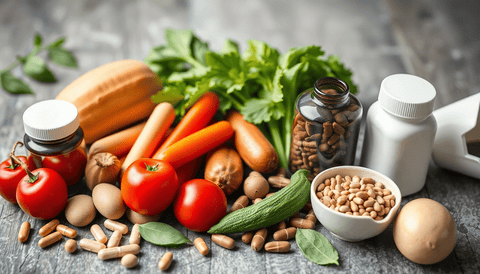
In this comprehensive guide, we will explore the best vegan vitamins and top plant-based supplements that are essential for maintaining optimal health. As more people adopt a plant-based lifestyle, understanding nutritional needs and making informed supplement choices becomes crucial. This article will cover key nutrients, common deficiencies, and practical advice on choosing the best vegan vitamins tailored to individual health needs.
Introduction — Best Vegan Vitamins: What Readers Should Know
Setting Expectations for a Plant-Based Wellness Guide That Moves from Information to Practical Supplementation Decisions
Transitioning to a vegan diet often raises questions about meeting nutritional requirements, especially concerning vitamins and minerals. This guide aims to demystify the world of vegan vitamins and supplements, breaking down complex concepts into actionable insights.
How to Use This Article: Skimming for Symptoms vs. Shopping for Vegan Vitamins on Topvitamine.com
Readers can approach this article in two ways: skim for specific symptoms and nutrient gaps or dive into comprehensive sections to understand the broader context of vegan supplementation. Both methods will facilitate informed choices for personal health pursuits.
The Core Promise: Understanding “Best Vegan Vitamins” in Context of Individual Needs and Evidence
We promise to provide readers with a clear, scientifically grounded understanding of what constitutes the best vegan vitamins tailored to individual health needs and lifestyle choices.
Core Explanation of the Topic
Defining "Best Vegan Vitamins" in a Plant-Based Nutrition Framework
The best vegan vitamins are those that effectively bridge the nutritional gaps commonly observed in plant-based diets. These include essential nutrients like vitamin B12, vitamin D, iron, omega-3 fatty acids (DHA/EPA), calcium, and zinc.
Key Nutrient Categories on Vegan Diets: Vitamins, Minerals, and Essential Fatty Acids
- Vitamins: Vitamin B12, Vitamin D, Vitamin C, and the B-vitamin complex are critical for energy metabolism and overall health.
- Minerals: Key minerals for vegans include iron, calcium, zinc, and iodine, which play vital roles in bodily functions.
- Essential Fatty Acids: DHA and EPA from algae-based sources are important for brain health and inflammatory responses.
Bioavailability and Form Differences in Vegan Supplements
Bioavailability refers to the degree and rate at which nutrients are absorbed into the bloodstream. For instance, cyanocobalamin is a synthetic form of vitamin B12, while methylcobalamin is a more bioavailable and naturally occurring form. The source of omega-3 fatty acids, such as from algae versus fish, also influences their absorption and efficacy.
Why This Topic Matters
Rising Popularity of Vegan and Flexitarian Diets and Implications for Micronutrient Intake
As vegan and flexitarian diets increase in popularity, it becomes vital to address the potential nutrient deficiencies that can occur without proper supplementation. Understanding these gaps helps ensure balanced nutrition and long-term health.
Common Vegan Nutrient Gaps Observed in Population Surveys and Clinical Data
Clinical data indicate that vegans may face deficiencies in vitamin B12, vitamin D, iron, calcium, and omega-3 fatty acids. Recognizing these gaps is the first step toward effective supplementation.
Health Outcomes Linked to Deficiencies or Suboptimal Levels on Vegan Diets
Deficiencies in key nutrients have been linked to a host of health issues, including anemia, osteoporosis, impaired immune function, and neurological concerns. It's crucial for those on vegan diets to be vigilant about their nutrient intake.
Related Symptoms, Signals, or Health Implications
Symptom Clusters by Nutrient
- B12 Deficiency Signs: Fatigue, weakness, neurological issues.
- Iron-Related Fatigue: General fatigue, pale skin, shortness of breath.
- Vitamin D-Related Bone/Immune Signals: Bone pain, muscle weakness, increased susceptibility to illness.
Non-Specific Symptoms That Could Reflect Multiple Gaps
Symptoms such as fatigue, poor concentration, and changes in hair and nails can indicate a range of nutrient deficiencies, making it crucial to assess dietary intake comprehensively.
Safety Signals, Interactions, and When Symptoms Warrant Professional Evaluation
When experiencing persistent symptoms, seeking professional evaluation through lab tests for deficiencies can provide clarity. Self-diagnosis can lead to improper treatment choices.
Individual Variability and Uncertainty
How Age, Life Stage, Pregnancy, Lactation, and Menopause Alter Needs on a Vegan Diet
Nutritional needs can be significantly influenced by individual factors such as age, pregnancy, lactation, and menopause, necessitating personalized supplementation approaches.
Genetics, Gut Health, and Absorption Differences Affecting Nutrient Status
Genetic predisposition and gut health can impact nutrient absorption, making it essential to consider these variables when assessing dietary adequacy and supplementation needs.
Baseline Diet Quality, Lifestyle Factors, and Activity Level Shaping Supplementation Decisions
Aspects like diet quality, lifestyle, and physical activity level will directly affect the supplementation choices necessary for maintaining optimal nutrient status.
Why Symptoms Alone Do Not Reveal Root Cause
Distinguishing Symptoms from Definitive Nutrient Deficiencies
It's essential to distinguish between generic symptoms and those that indicate specific nutrient deficiencies. Comprehensive lab testing provides a more accurate picture than reliance on symptoms alone.
The Role of Objective Testing and Medical Guidance
Objective testing, including blood tests for ferritin, vitamin D (25(OH)D), and B12 levels, offers insight into one's nutritional status, affirming the importance of professional guidance in health decisions.
The Dangers of Self-Diagnosis and Over-Reliance on Anecdotal Signals
Self-diagnosis can lead to errors in understanding one's health needs. Relying on anecdotal evidence may not accurately reflect individual nutritional requirements.
The Role of Nutritional Supplements in This Topic
What Supplements Can Realistically Achieve for Vegan Health
Nutritional supplements should fill the gaps in vegan diets rather than replacing whole foods. They serve as an adjunct to a balanced diet to support overall health.
Evidence Landscape for Vegan-Focused Vitamins and Minerals
Evidence supports the necessity of certain supplements for vegans, particularly vitamin B12, vitamin D, iron, iodine, DHA/EPA, calcium, and zinc. Each plays a distinct role in promoting health.
Important Caveats: Variability in Response, Potential Interactions, and the Limits of Supplementation Alone
Individual responses to supplements can vary widely, influenced by genetic, lifestyle, and health factors. It is also crucial to consider any potential interactions with medications or other dietary components.
How Nutritional Supplements Could Support
Practical Vegan-Supplement Scenarios That Commonly Make Sense
- B12: Essential for all vegans, given its primary sources are animal products.
- Vitamin D: Recommended for those with limited sun exposure.
- DHA/EPA: Important for maintaining omega-3 balance from plant-based sources.
Recommended Forms, General Dosing Concepts, and What to Prioritize First
Starting with vitamin B12 supplementation is recommended for all vegans. Other supplements like vitamin D and omega-3 fatty acids can follow based on lifestyle factors and dietary assessment.
Monitoring Approaches, Safety Considerations, and When to Adjust Based on Labs or Life Changes
Regular monitoring of nutrient levels through blood tests, especially when life changes occur, like pregnancy or increased physical activity, is key to maintaining nutrient status.
Decision-Support Section (When Nutritional Supplements Make Sense)
Decision Flow: Test-Based vs. Symptom-Based Approaches for Vegan Diets
Testing should guide supplementation decisions when possible, although symptom recognition can help identify potential deficiencies when testing is not feasible.
Situations Where Starting a Supplement Is Advisable
- Pregnancy planning and lactation require careful nutrient management.
- Infants and elderly individuals may face higher risks of deficiencies in vegan diets.
- Individuals with known deficiencies should consider targeted supplementation.
How to Choose the Right Supplement
When selecting supplements, consider the form, dosage, quality indicators, and vegan certifications to ensure that the product meets health standards without compromising dietary values.
Prioritization and Budgeting: Which Nutrients to Cover First and How to Sequence Them
Focus initially on critical nutrients such as vitamin B12, vitamin D, and iron. Subsequent additions can address other nutrients based on dietary gaps and personal health assessments.
Clear Concluding Section Connecting the Topic to Buying Nutritional Supplements on Topvitamine.com
Recap of the Key Takeaways for Best Vegan Vitamins and Targeted Nutrient Gaps
- Understand the critical nutrients often deficient in vegan diets.
- Recognize individual variability in nutrient absorption and health needs.
- Utilize supplements to fill in gaps, not as replacements for a balanced diet.
How Topvitamine.com Supports Informed Choices
Topvitamine.com provides valuable resources for discerning vegan-friendly supplements with filters, nutrient-specific bundles, and side-by-side product comparisons.
Actionable Next Steps: Using the Site to Identify Top Vegan Vitamins, Check Labels, and Build a Personalized Plan
Explore Topvitamine.com to find high-quality vegan supplements. Check labels carefully and consider personal health requirements, leveraging the website's extensive resources.
Key Takeaways
- Understand key nutrients important for vegans: B12, D, iron, DHA/EPA, calcium, zinc.
- Recognize the importance of bioavailability in choosing supplements.
- Symptoms may not accurately reflect deficiencies—testing is recommended.
- Individual variability must be considered in nutrient absorption and requirements.
- Utilize supplements as an adjunct to, not a replacement for, whole foods.
- Monitor and adjust supplements based on lifestyle changes and health assessments.
Q&A Section
1. What are the best vegan vitamins to consider?
The best vegan vitamins typically include B12, vitamin D, iron, DHA/EPA, calcium, and zinc, as these nutrients can often be lower in plant-based diets.
2. How can I know if I need vegan supplements?
If you're experiencing symptoms such as fatigue, weakness, or changes in hair/nail quality, it might indicate a nutrient deficiency. Objective testing can help clarify your needs.
3. Is vitamin B12 necessary for all vegans?
Yes, since vitamin B12 is primarily found in animal products, all vegans should consider a B12 supplement to prevent deficiency.
4. Can I get enough iron from a vegan diet?
While it's possible to get iron from plant sources (like legumes and leafy greens), iron in plant foods is less bioavailable than in animal products, so supplementation may be necessary for some individuals.
5. What sources provide omega-3 for vegans?
Vegans can obtain omega-3 fatty acids, specifically DHA and EPA, from algae-based supplements, which serve as an alternative to fish-derived sources.
6. How often should I get my nutrient levels tested?
It is advisable to test nutrient levels at least annually or when significant life changes occur, such as pregnancy or increased physical activity.
7. Are there specific vegan certifications I should look for?
Look for certifications that indicate products are devoid of animal-derived ingredients and have been tested for quality, such as "Certified Vegan" or "Vegan Society Approved."
8. Can I rely on a multivitamin instead of specific supplements?
While a multivitamin can help cover some nutrient gaps, specific supplements may be necessary based on individual needs and dietary assessments.
9. What are the risks of self-diagnosing nutrient deficiencies?
Self-diagnosing can lead to improper supplementation and neglect of underlying health issues. Professional guidance and lab testing are recommended for accurate assessments.
10. What should a typical vegan supplementation plan look like?
A vegan supplementation plan should initially focus on critical nutrients like vitamin B12 and vitamin D, with additional supplements added based on dietary gaps and personal health needs.
Keywords
best vegan vitamins, plant-based vitamins, vegan supplements, vegan vitamin B12, vegan vitamin D, iron for vegans, iodine for vegans, DHA/EPA vegan, calcium (vegan), zinc (vegan), nutritional supplements, health outcomes, nutrient gaps.