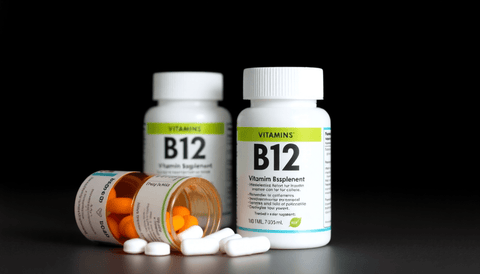
Best Vitamin B12 for Energy: Top Picks to Boost Your Vitality


Summary of the Best Vitamin B12 for Energy

Vitamin B12, essential for energy metabolism, plays a vital role in maintaining healthy nerve cells and red blood cell formation. Those experiencing fatigue may benefit from the best vitamin B12 for energy, which aids in converting food into usable energy. Various forms of B12, such as methylcobalamin and cyanocobalamin, offer different absorption rates, making it important to select the type that best suits individual needs.

Individuals at higher risk of deficiency include vegetarians, vegans, and older adults. Symptoms of B12 deficiency can manifest as fatigue, pallor, and cognitive issues. Lab testing, including serum B12 and homocysteine levels, can help confirm deficiency status and guide effective supplementation. Incorporating a balanced diet, alongside appropriate B12 and other key nutrients, such as iron and folate, can further enhance overall health and energy levels.

For more insights on how to support your energy with essential nutrients, explore articles on Vitamin D benefits and multivitamin usage. Ensuring adequate B12 intake can significantly contribute to improved vitality and well-being.


Vitamin B12 Supplements for Energy: Compare Top Picks at Topvitamine - Topvitamine
Jul 05, 2025
Vitamin B12 for Energy: Top Supplements Compared Vitamin B12 plays a crucial role in keeping...

Vitamin B12, an essential water-soluble vitamin, plays a crucial role in maintaining energy levels and overall health. In this article, we will explore the best Vitamin B12 for energy, offering insights into different forms and dosages, while highlighting trusted reviews to help you enhance your vitality. You will learn how Vitamin B12 impacts energy metabolism, which populations are at higher risk of deficiency, and how to make informed decisions about supplementation to support your health.

Introduction — Best Vitamin B12 for Energy

Framing the topic for readers seeking an energy boost

Feeling fatigued or low on energy can significantly affect your daily life. Given the busy pace of modern living, finding effective ways to enhance your vitality is more important than ever. Vitamin B12 emerges as a key player in energy production, making it vital for those seeking an energy boost.

What “best vitamin B12 for energy” implies: form, dose, and real-world results

Identifying the best Vitamin B12 for energy involves understanding the different forms of the vitamin, proper dosing, and clinical evidence of effectiveness. With various supplement options available, knowing what works best for your individual needs is essential.

Quick roadmap: from understanding B12 basics to choosing top picks on Topvitamine.com

We’ll start with the fundamental roles of Vitamin B12, explore its health implications, and guide you through product selection to ensure you're making the best choice for your energy needs.

What readers will gain: clear signals for when supplements might help and how to choose products responsibly

This article aims to empower you with knowledge about Vitamin B12 associated symptoms, dietary sources, and how to responsibly integrate supplementation into your routine.

Core Explanation of the Topic

What is vitamin B12 (cobalamin) and why it matters for energy

Vitamin B12, or cobalamin, is pivotal for maintaining healthy nerve cells, red blood cell formation, and DNA synthesis. It also plays a significant role in energy metabolism, particularly in converting food into glucose, which fuels cellular processes.

How B12 participates in energy metabolism and red blood cell formation

Vitamin B12 is critical for the enzymatic processes that convert carbohydrates and fats into energy. By aiding in the production of red blood cells, it ensures oxygen delivery throughout the body—an integral part of sustaining energy levels.

Common dietary sources and population groups at risk of insufficiency

Common sources of Vitamin B12 include animal products such as meat, dairy, fish, and eggs. However, certain populations, including vegetarians, vegans, older adults, and individuals with malabsorption disorders, are at a higher risk of deficiency and may benefit from supplementation.

The difference between B12 status indicators (serum B12, MMA, homocysteine) and energy symptoms

Assessing Vitamin B12 status can be complex. Common indicators include serum B12 levels, methylmalonic acid (MMA), and homocysteine levels. Symptoms of deficiency, such as fatigue and weakness, are often nonspecific and may overlap with other health issues.

Why This Topic Matters

Fatigue and low energy: how B12 deficiency translates to everyday life

Fatigue and low energy can significantly impact productivity and overall quality of life. Understanding how Vitamin B12 deficiency contributes to these symptoms can provide clarity for individuals seeking solutions.

Demographics with higher deficiency risk (vegetarians/vegans, older adults, people with malabsorption)

Specific groups, including vegetarians, vegans, and seniors, are more likely to experience Vitamin B12 deficiency. Recognizing these high-risk demographics is crucial for implementing preventive measures such as dietary adjustments or supplementation.

The broader impact of suboptimal B12 on mood, cognitive function, and overall vitality

Insufficient levels of Vitamin B12 do not only influence energy but can also negatively affect mood, cognitive functioning, and overall vitality, highlighting the vitamin's crucial role in general health.

Related Symptoms, Signals, or Health Implications

Common signs associated with low B12 (fatigue, pallor, shortness of breath, tingling or numbness)

Symptoms of low Vitamin B12 can manifest as fatigue, pallor, shortness of breath, and neurological symptoms such as tingling or numbness. Understanding these signs can aid in early detection and intervention.

How B12 intersects with other nutrient deficiencies (iron, folate, B6)

Vitamin B12 works in conjunction with other nutrients, including iron, folate, and Vitamin B6. Deficiency in one can often exacerbate deficiencies in others, leading to complex health implications.

Potential neurological or peripheral nerve signs that may accompany insufficiency

More severe deficiencies can lead to neurological issues, including memory loss and peripheral neuropathy. Awareness of these symptoms is essential for timely intervention.

Red flags that warrant professional evaluation beyond self-help measures

If you experience significant fatigue or neurological symptoms, professional evaluation is advisable. Comprehensive testing can determine the underlying cause of your symptoms.

Individual Variability and Uncertainty

Genetic and metabolic factors that affect B12 needs and uptake (MTHFR variants, MMA testing considerations)

Genetic variations, such as MTHFR polymorphisms, can influence how individuals metabolize and utilize Vitamin B12, leading to differing supplementation needs among individuals.

Variability in absorption (gastric acid, intrinsic factor, gut health, medications)

The absorption of Vitamin B12 can be affected by several factors, including gastric acid levels, intrinsic factor production, overall gut health, and interactions with medications.

Differences among B12 forms (methylcobalamin vs. cyanocobalamin vs. hydroxocobalamin vs. adenosylcobalamin) and why one person might respond differently

Various forms of Vitamin B12 offer different absorption rates and biological activity. For example, methylcobalamin is often preferred for its bioavailability, while cyanocobalamin is more stable and widely used in supplements. Individual response may vary based on metabolic and absorption characteristics.

The role of baseline energy status and lifestyle in shaping outcomes from supplementation

Individual baseline energy levels and lifestyle factors, such as diet and stress management, play a key role in the effectiveness of supplementation. Optimal results are often achieved when addressing these factors holistically.

Why Symptoms Alone Do Not Reveal Root Cause

Symptom overlap across deficiencies and non-nutritional causes of fatigue (thyroid issues, sleep disorders, depression, stress)

Fatigue can result from various nutritional deficiencies and non-nutritional conditions, including thyroid disorders, sleep issues, depression, and chronic stress. This overlap emphasizes the need for thorough evaluation.

The limitations of guessing based on symptoms alone; why lab testing matters

Relying solely on symptoms can lead to misdiagnosis. Lab testing provides valuable information for pinpointing deficiencies or other health issues that may be impacting energy levels.

When to pursue professional assessment: labs, medical history, and targeted testing

Seeking professional assessment is essential when experiencing persistent symptoms. Comprehensive lab testing and a thorough medical history are crucial for developing an appropriate treatment plan.

The Role of Nutritional Supplements in This Topic

When supplementation makes sense (risk groups, dietary gaps, and clinically relevant signs)

Supplementation might be warranted for individuals within high-risk groups or those experiencing significant symptoms associated with B12 deficiency. It is crucial to evaluate dietary gaps and clinical signs before starting any supplements.

Forms of B12 supplements and what they mean for absorption and efficacy

  • Methylcobalamin: More bioavailable and preferred for its ability to cross the blood-brain barrier.
  • Cyanocobalamin: Commonly used and more stable but may require conversion within the body.
  • Hydroxocobalamin: Often used in injections, has prolonged effects, and can store in the body.
  • Adenosylcobalamin: Vital for mitochondrial energy metabolism.

Complementary nutrients to consider with B12 (folate, B6, iron) and potential interactions

When considering B12 supplementation, it is also important to ensure adequate intake of complementary nutrients like folate, B6, and iron to support overall health and avoid further deficiencies.

Safety, contraindications, and common drug interactions (e.g., metformin, PPIs)

While Vitamin B12 is generally safe, it can interact with certain medications like metformin and proton pump inhibitors (PPIs), which may inhibit absorption. Discussing supplementation with a healthcare professional is advisable.

How Nutritional Supplements Could Support

Mechanisms by which B12 can support energy and vitality (cellular energy production, RBC formation, nervous system health)

Vitamin B12 supports energy by facilitating cellular energy production, promoting red blood cell formation, and maintaining nervous system health. These mechanisms collectively contribute to a more energized and vital life.

What the current evidence suggests (clinical studies, meta-analyses, and practical applicability to fatigue)

Research indicates that effective supplementation can enhance energy levels in individuals with low B12 status, although responses to supplementation can vary greatly between individuals.

Practical dosing concepts and form-by-form considerations (typical ranges, slow-release options, and vegan-friendly choices)

Typical dosing for B12 supplements ranges from 500 to 1000 mcg per day, depending on individual needs and the form of B12 used. Vegan options are often available, such as those containing methylcobalamin or adenosylcobalamin.

Realistic expectations: how fast results might appear and factors that influence responsiveness

Response times to Vitamin B12 supplementation vary; some may feel improvements within weeks, while for others it could take longer. Factors such as the severity of deficiency, individual metabolism, and dietary patterns influence outcomes.

Lifestyle and dietary strategies that can amplify supplement benefits (balanced meals, sleep hygiene, stress management)

A balanced diet, adequate sleep, and effective stress management can enhance the benefits of B12 supplementation. Ultimately, a holistic approach contributes to overall well-being.

Decision-Support Section (When Nutritional Supplements Make Sense)

A decision flow for readers: assess, test, decide

Start by assessing your symptoms and dietary habits, then consider lab testing if necessary. Making an informed decision on supplementation involves understanding your specific health needs.

Who should consider B12 supplementation without heavy testing (clear risk groups) and who should seek clinician guidance

Individuals in clear risk groups, such as strict vegetarians and older adults, may benefit from starting B12 supplementation without extensive testing, while others experiencing unexplained fatigue should consult a healthcare professional.

When lab testing is recommended: serum B12, methylmalonic acid (MMA), homocysteine, and related panels

Lab tests including serum B12, MMA, and homocysteine can provide critical insights into B12 status and help tailor supplementation plans based on individual needs.

How to choose the right supplement (form, dose, duration, quality indicators, and third-party testing)

When selecting a B12 supplement, consider the form, dosage, and quality indicators, such as third-party testing certifications to ensure efficacy and safety.

When to re-evaluate or discontinue (side effects, changing health status, or improved symptoms)

Re-assessing B12 supplementation is essential, particularly if you experience side effects, changes in health status, or improvements in symptoms that may not warrant continued use.

Practical dosing scenarios (vegetarian/vegan adults, older adults, pregnancy or lactation considerations)

For different populations, such as vegetarians and pregnant women, tailored dosing can optimize outcomes. Consulting with a healthcare professional is vital to meet specific nutritional needs.

Clear Concluding Section Connecting the Topic to Buying Nutritional Supplements on Topvitamine.com

How Topvitamine.com can help you compare B12 options (categories, filters, and expert-curated guides)

Topvitamine.com provides an excellent platform for comparing various Vitamin B12 options, equipped with expert-curated guides and product filters tailored to different needs.

What to look for on Topvitamine product pages (form, dosage, serving size, certifications, and read-through reviews)

When browsing Topvitamine product pages, pay attention to the form of B12, dosage, serving size, and look for certifications that indicate quality assurance.

A practical path to purchase: starting points, recommended starter picks, and how to use a quick product-lookup workflow

Topvitamine.com simplifies the purchasing process, allowing users to quickly identify recommended starter picks for B12 supplements that suit their energy needs.

Responsible next steps: consult a healthcare professional for diagnosis and personalize the plan; use Topvitamine as a decision-support resource rather than a substitute for medical advice

While Topvitamine is a valuable resource, it is critical to consult with a healthcare professional for personalized assessment and management of any potential deficiencies or health concerns.

Key Takeaways

  • Vitamin B12 is vital for energy metabolism and red blood cell formation.
  • Deficiency can lead to fatigue, mood changes, and cognitive issues.
  • Groups such as vegetarians, older adults, and those with malabsorption issues are at higher risk for B12 deficiency.
  • Various forms of B12 supplements exist, each with unique absorption characteristics.
  • Individual variability in response to supplementation necessitates a personalized approach.
  • Professional evaluation and lab testing are critical for accurate diagnosis and treatment planning.
  • Balanced diet and lifestyle management can enhance the effectiveness of supplementation.
  • Topvitamine.com offers a helpful platform to compare and select Vitamin B12 supplements safely.

Q&A Section

1. What are the best sources of Vitamin B12?

Vitamin B12 can be found in animal-based foods such as meat, dairy products, and eggs. Fortified foods like cereals and some nutritional yeasts can also serve as good sources for those on a plant-based diet.

2. How can I tell if I am deficient in Vitamin B12?

Symptoms of B12 deficiency include fatigue, weakness, and neurological issues like numbness or tingling. A healthcare provider can confirm deficiency through blood tests measuring serum B12, MMA, and homocysteine levels.

3. Can I take too much Vitamin B12?

Vitamin B12 has a low potential for toxicity, and excess amounts are typically excreted through urine. However, it’s essential to follow recommended dosages and consult with a healthcare provider regarding supplementation.

4. Are there any interactions I should be aware of when taking Vitamin B12 supplements?

Certain medications, like metformin and some proton pump inhibitors, can affect B12 absorption, highlighting the need to discuss supplementation with a healthcare professional if you are on these medications.

5. How long does it take to see benefits from B12 supplements?

The timeline for experiencing improvements can vary. Some individuals may notice changes within a few weeks, while others might take longer, depending on their baseline B12 levels and individual metabolism.

6. Can Vitamin B12 affect my mood?

Yes, adequate levels of Vitamin B12 are essential for neurological health and can positively influence mood. Deficiency has been linked to mood disturbances and cognitive decline.

7. Should vegans take Vitamin B12 supplements?

Yes, since vitamin B12 is primarily found in animal products, vegans are recommended to take B12 supplements or consume fortified foods to prevent deficiency.

8. Do I need to combine B12 with other vitamins?

Vitamin B12 works synergistically with other B vitamins, particularly folate and B6. Ensuring a well-rounded nutrient profile can enhance overall vitamin efficacy.

9. How can I choose the right Vitamin B12 supplement for my needs?

Select a supplement based on your dietary preferences, health goals, and the specific form of Vitamin B12 that suits you—methylcobalamin is often recommended for its superior bioavailability.

10. What are the signs of Vitamin B12 overload?

While Vitamin B12 toxicity is rare, some high doses might cause allergic reactions or skin issues in sensitive individuals. Always adhere to recommended doses and consult your healthcare provider if unsure.

11. Can I get enough Vitamin B12 from my diet alone?

While individuals consuming a balanced omnivorous diet may generally get adequate Vitamin B12, strict vegetarians, vegans, and individuals with absorption issues are often encouraged to supplement.

12. Is lab testing necessary to determine my B12 levels?

Lab testing is crucial for accurately determining Vitamin B12 status, especially if you are experiencing symptoms of deficiency or belong to high-risk groups. Consulting a healthcare professional for guidance is advisable.

Keywords

best vitamin B12 for energy, vitamin B12 energy, B12 for fatigue, methylcobalamin energy, cyanocobalamin energy, Vitamin B12 deficiency symptoms, dietary sources of vitamin B12, supplementation for energy, absorption of vitamins, health implications of low B12.