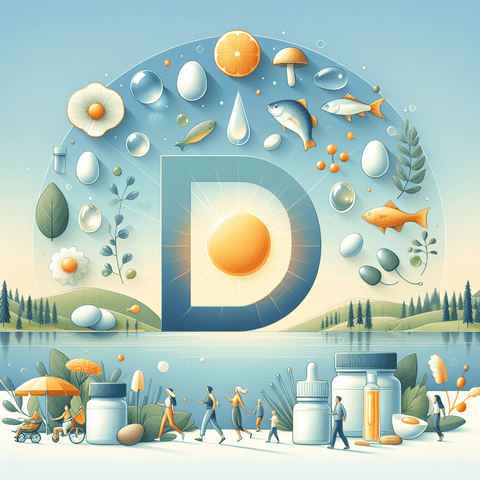
Vitamin D is an essential nutrient that supports several normal physiological functions, including the maintenance of normal bones, teeth, and muscle function. While sunlight is a well-known contributor to vitamin D status, dietary sources also play an important role, especially when sun exposure is limited. This page provides a broad overview of the best vitamin D sources, including natural foods, fortified products, and supplements, so you can better understand how different options compare.
What Are Vitamin D Sources?
Vitamin D sources are the various ways the body can obtain vitamin D. The three main categories are sunlight, food, and dietary supplements. Each source works differently and may be more or less relevant depending on individual circumstances such as diet, lifestyle, geographic location, and skin tone.
When people talk about the “best” vitamin D sources, they are often looking for practical ways to support their intake through diet or supplementation. It is important to note that no single source is universally best for everyone. Instead, a combination of sources may help meet individual needs, and general information should not replace personalised advice from a qualified healthcare professional.
Natural Food Sources of Vitamin D
Only a limited number of foods naturally contain vitamin D. The most commonly cited natural sources include fatty fish, fish liver oils, egg yolks, cheese, and beef liver. The vitamin D content varies considerably between these foods, and factors such as the animal's diet and the specific product can influence the final amount.
For example, fatty fish such as salmon, mackerel, and sardines are often highlighted in dietary guidelines as notable natural sources. Fish liver oils, such as cod liver oil, also contain vitamin D. Egg yolks and certain types of cheese contain smaller amounts. Beef liver is another natural source, though it may not be part of everyone's diet.
Examples of Natural Vitamin D–Containing Foods
- Fatty fish (e.g., salmon, mackerel, sardines, tuna)
- Fish liver oils (e.g., cod liver oil)
- Egg yolks
- Cheese (in moderate amounts)
- Beef liver
The actual vitamin D content per serving can differ based on the specific food, its origin, and how it is prepared. For this reason, dietary guidance often focuses on including a variety of these foods rather than relying on a single item.
Fortified Foods as Vitamin D Sources
Because natural food sources of vitamin D are limited, many countries allow or require fortification of certain foods. Fortified foods can be an important contributor to vitamin D intake for people who do not consume enough fatty fish or other natural sources.
Common fortified foods include cow's milk, plant-based milks (such as soy, almond, or oat drinks), some orange juices, and certain breakfast cereals. The vitamin D content in fortified products depends on local regulations and the specific manufacturer, so labels should always be checked for accurate information.
Examples of Fortified Vitamin D Sources
- Fortified cow's milk
- Fortified plant-based milks (soy, almond, oat, etc.)
- Fortified orange juice
- Fortified breakfast cereals
- Some fortified yogurts and margarines
Fortified foods can be particularly useful for people following vegetarian or vegan diets, as well as for those who do not regularly consume fish. However, fortification practices vary by country, so it is important to read product labels if you are relying on fortified foods to support your intake.
Vitamin D Supplements
Dietary supplements are another common source of vitamin D. They are available in different forms, most notably vitamin D2 (ergocalciferol) and vitamin D3 (cholecalciferol). Supplements can be useful for people who have limited sun exposure, follow restricted diets, or have higher vitamin D requirements for various reasons.
Vitamin D supplements come in a range of dosages and formulations, including tablets, capsules, drops, and sprays. The appropriate amount for any individual depends on factors such as age, baseline vitamin D status, overall health, and advice from a healthcare professional. General information about supplements should not be interpreted as a personal recommendation.
If you are considering a vitamin D supplement, you may wish to explore our vitamin D benefits, sources, and safety category for more detailed information on this topic.
How Vitamin D Sources Compare
Each type of vitamin D source has its own advantages and limitations. Sunlight can contribute to vitamin D synthesis, but factors such as season, latitude, time of day, skin tone, and sunscreen use can affect how much vitamin D is produced. Food sources provide vitamin D alongside other nutrients, but the amounts per serving are often modest. Supplements can offer a consistent and measurable amount, but they should be used appropriately and under professional guidance where needed.
Natural vs. Fortified vs. Supplemental Sources
- Natural food sources: limited variety, variable vitamin D content, but provide other nutrients.
- Fortified foods: convenient and widely available, but content depends on local fortification practices.
- Supplements: offer controlled doses, but should be used as directed and with professional advice if needed.
Because individual needs vary, there is no single “best” source that applies to everyone. A combination of sources may be appropriate depending on your circumstances.
Factors That May Affect Vitamin D Intake and Status
Several factors can influence how much vitamin D you obtain from different sources and how well your body uses it. These include age, skin tone, geographic location, season, sun exposure habits, dietary patterns, body weight, and certain health conditions. Some medications may also interact with vitamin D metabolism, but this is a topic that requires personalised medical advice.
If you have concerns about your vitamin D status or intake, a healthcare professional can help assess your individual situation and provide appropriate guidance. General information on this page is for educational purposes and is not a substitute for professional medical advice.
Exploring Vitamin D Sources Further
This page provides a broad overview of the main vitamin D sources. More specific questions—such as how to raise vitamin D quickly, which food contains the highest amount, whether vitamin D can be taken with certain medications, or what factors may deplete vitamin D—are better addressed in dedicated articles. You can find links to related blog posts on this tag page, where each topic is explored in greater detail.
For those interested in supplements more generally, you may also explore our natural supplements category or our mineral supplements guide for related nutritional topics.