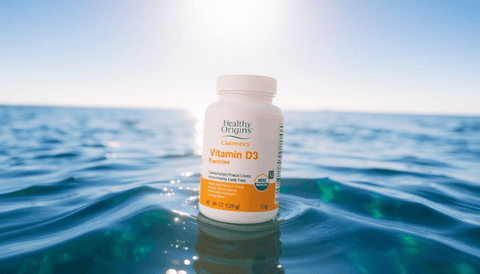
In this comprehensive guide, we will explore the best vitamin D3 softgels available for enhancing bone health and immune support. Vitamin D is vital for maintaining optimal health, and understanding its role, sources, and supplementation can significantly impact your well-being. You’ll learn about the biological functions of vitamin D3, the implications of deficiency, and our top five recommendations based on potency, purity, and overall value. This information is crucial whether you're considering vitamin D supplementation for the first time or seeking to optimize your existing regimen.
Core explanation of the topic
What is vitamin D3, and how do softgels deliver it?
Vitamin D3, or cholecalciferol, is the form of vitamin D produced by the skin in response to sunlight exposure. Unlike dry tablets, softgels provide a highly bioavailable form of this nutrient, allowing for better absorption and utilization within the body. This easy-to-swallow format can enhance adherence to supplementation, especially for individuals who may have difficulty with traditional pills.
The biological role of vitamin D3: bone health, calcium regulation, and immune support
Vitamin D3 plays a crucial role in calcium homeostasis, promoting healthy bone mineralization. It enhances intestinal absorption of calcium and phosphate, vital for maintaining bone density. Additionally, vitamin D3 is implicated in modulating the immune system, helping the body fight off infections and reduce inflammation.
Vitamin D3 sources and daily needs: sun exposure, diet, and supplementation basics
Sufficient vitamin D levels can primarily be obtained through sun exposure, particularly in sunny regions. However, dietary sources include fatty fish, fortified foods, and certain mushrooms. For many, dietary intake and sun exposure may not meet the recommended levels, making supplementation a practical option. The adequate intake varies by age, sex, and health status, but the general recommendation for adults is 600–800 IU per day.
D3 vs D2: how the two forms differ in absorption and efficacy for adults
Vitamin D2 (ergocalciferol) and vitamin D3 are two forms of vitamin D. However, vitamin D3 is considered more effective in raising and maintaining serum levels of the nutrient. Research shows that D3 can be more efficiently converted in the body, making it a preferred choice for supplementation.
Why this topic matters
Vitamin D deficiency prevalence: who is most at risk (age, location, skin tone, lifestyle)
Vitamin D deficiency is widespread, particularly among individuals with limited sun exposure, certain skin tones, and specific age groups. Factors such as living in northern latitudes, having darker skin, or spending a lot of time indoors can significantly increase the risk of deficiency.
Health consequences of insufficient vitamin D: bone demineralization, infection risk, and mood/energy implications
Low levels of vitamin D can lead to bone demineralization, increasing the risk of osteoporosis and fractures. Furthermore, insufficient vitamin D has been linked to higher susceptibility to infections, and some studies suggest it can impact mood and energy levels, possibly contributing to conditions like depression.
Public health context: building resilience through informed supplementation choices
Given the significant health consequences associated with deficiency, informed decisions about vitamin D supplementation are crucial. Public health initiatives encourage greater awareness of vitamin D’s importance and promote regular testing and supplementation, especially in vulnerable populations.
Related symptoms, signals, or health implications
Common signs that may hint at low vitamin D levels (bone pain, muscle weakness, fatigue, frequent infections, mood changes)
Individuals with low vitamin D levels may experience symptoms such as bone pain, general muscle weakness, fatigue, an increased frequency of infections, and mood swings. These symptoms often overlap with many other health issues, complicating the identification of deficiency.
Signals that supplementation could be relevant, not a diagnosis (seasonal patterns, limited sun exposure, dietary gaps)
Seasonal changes limiting sun exposure, dietary gaps (e.g., vegan diets lacking in fortified foods), and geographic location are critical factors indicating a potential need for supplementation. Individuals living in regions with long winter months might find themselves lacking in vitamin D despite a healthy lifestyle.
Potential risk signals to monitor (hypercalcemia symptoms, kidney stones, interactions with medications)
Unexpected signs such as hypercalcemia (excess calcium in the blood), kidney stones, or interactions with certain medications may warrant a reevaluation of vitamin D intake. Being aware of these signals helps maintain a balance in supplementation to avoid adverse effects.
Individual variability and uncertainty
Why people respond differently to vitamin D3 (genetics, body weight, absorption differences, gut health)
Responses to vitamin D3 supplementation can differ widely among individuals due to factors like genetic variability, body weight, and overall gut health. These elements influence how effectively the body absorbs and utilizes vitamin D3, making personalized approaches essential.
How age, pregnancy, obesity, skin color, and comorbidities modulate needs
Age and life stage, such as pregnancy, can significantly impact vitamin D needs. In addition, those with obesity or specific health conditions may require higher doses to achieve adequate serum levels due to altered metabolism or absorption traits influenced by excess body fat or health conditions.
Seasonal and geographic variability: why timing matters for when to supplement
Seasonal changes impact sunlight availability, thus influencing vitamin D synthesis. Geographic disparities, especially for those living far from the equator, mean vitamin D supplementation may need to be considered year-round in certain populations or during specific seasons.
Why symptoms alone do not reveal root cause
The limitation of symptom-based guesses in nutrition
While symptoms may suggest deficiency, they are often nonspecific and can result from numerous health issues. Relying solely on symptoms can lead to misinterpretation and unwarranted supplementation.
The value—and limits—of blood testing (25-hydroxyvitamin D) versus symptom checks
Blood tests to measure 25-hydroxyvitamin D levels provide a more accurate assessment of vitamin D status, clarifying individual needs. However, testing costs and access can limit their immediate utility for everyone.
When a test can inform what kind of supplementation plan to pursue
When symptoms indicate potential deficiency, blood testing can determine specific needs. Based on the results—whether it indicates insufficiency, sufficiency, or excess—personalized supplementation plans can be devised to optimize health.
The role of nutritional supplements in this topic
When supplements are appropriate: risk factors, life stages, and practical scenarios
Vitamin D3 supplementation is appropriate for those at high risk of deficiency, including older adults, pregnant women, and individuals with limited sun exposure. It’s an essential addition to diets lacking in adequate vitamin D-rich foods, particularly in specific life stages.
How vitamin D3 supplements could support bone and immune health in combination with other nutrients
Vitamin D3 does not work in isolation. Its effectiveness in supporting bone and immune health is enhanced when combined with nutrients such as calcium, magnesium, and vitamin K2. Ensuring an optimal balance of these nutrients offers a synergistic effect for overall wellness.
Important considerations about product format, dosage, and quality (softgels vs liquids, ingredients, third-party testing)
Choosing quality supplements involves evaluating product formats—softgels are often easier to digest—appropriate dosages, and verifying ingredient integrity through third-party testing. Quality assurance plays a critical role in the effectiveness of supplementation.
How nutritional supplements could support
Mechanisms of action: improving bone mineral density potential and immune system modulation
Vitamin D3 enhances the absorption of calcium and phosphate, promoting strong bones and reducing the risk of fractures. Additionally, it modulates immune response, potentially reducing inflammatory conditions and the incidence of infections.
Practical expectations: what “support” can look like in real life
Individuals supplementing with vitamin D3 may observe gradual improvements in bone health, potentially enhanced immune function, and a boost in energy levels. However, significant changes could take time and should be considered within the context of overall health strategies.
Synergies with other nutrients: calcium, magnesium, vitamin K2, and monitoring needs
Collaboration with other nutrients is vital to achieve optimal health outcomes. Vitamin D3 works well with calcium, magnesium, and K2, promoting not just bone health, but also cardiovascular health. Regular monitoring can help ensure that nutrient levels remain balanced.
Safety and sourcing considerations: avoiding contamination, optimizing bioavailability, and respecting tolerable upper intake levels
Ensuring supplement safety involves scrutinizing product sourcing and purity. Selecting reputable brands that prioritize third-party testing helps minimize the risk of contaminants. Awareness of tolerable upper intake levels prevents adverse effects from over-supplementation.
Conversion & Diagnostic Flow: uncertainty, guessing, and targeted relevance
The evidence landscape: what we know, what remains uncertain about supplementation outcomes
Research into vitamin D supplementation underscores its importance, yet some outcomes remain debated, particularly concerning long-term effects on health beyond bone density and immune function. Ongoing research is crucial to bridge gaps in understanding.
The limitations of guessing from symptoms alone in vitamin D3 needs
Guessing vitamin D needs based solely on symptoms can lead to imbalances and ineffective treatment. A comprehensive approach combining symptom awareness and proper testing is essential for personalized care strategies.
Practical scenarios where supplementation becomes a reasonable step (low sun exposure, high-risk populations, verified deficiency)
For individuals with verified deficiencies, minimal sun exposure due to lifestyle factors, or belonging to high-risk populations, initiating vitamin D3 supplementation is a reasonable choice for optimizing health outcomes.
Decision-support section (when nutritional supplements make sense)
Decision criteria: screening results, risk factors, and personal health goals
Establishing vitamin D supplementation begins with identifying personal health goals, conducting screenings to assess vitamin D levels, and evaluating risk factors such as diet, lifestyle, and health history.
How to choose vitamin D3 softgel dosage and duration (starting doses, maintenance ranges, and tapering rules)
Starting doses typically range from 600 to 800 IU, while maintenance may require adjustments based on blood test results. Consultation with a healthcare provider can help determine the optimal dosage and duration for individual needs.
How to pick quality products: ingredients to seek, labels to read, and third-party certifications
When selecting vitamin D3 softgels, look for products with minimal fillers, clear labeling of vitamin D content, and any certifications from third-party testing organizations that ensure quality and safety.
Monitoring and re-evaluation: when to retest and how to track symptoms and outcomes
Regular monitoring and retesting every six months to a year can help evaluate the effectiveness of supplementation. Keeping a symptom diary may assist in identifying correlations with supplement use and overall wellness.
How to approach shopping on Topvitamine.com: filters, top picks, and comparing features
When shopping on Topvitamine.com, utilize filters to narrow down to your specific needs for vitamin D3 softgels. Our curated top picks provide comparisons on features, allowing an informed choice tailored to your wellness goals.
Practical pathway to buying on Topvitamine.com
How to identify the top vitamin D3 softgel options on Topvitamine.com (formulation, dosage, and serving size)
Reviewing formulation, dosage, and serving size details on Topvitamine.com can help uncover the best vitamin D3 softgels suited to your individual health needs, ensuring you make a well-informed decision.
How to compare the top five picks for bone health and immune support (credentials, certifications, and user considerations)
Comparing the top five products based on educational credentials, certifications, and user reviews offers a clear view of the effectiveness and safety of each option, enhancing your purchasing experience.
Step-by-step guide to selecting, purchasing, and following up on your vitamin D3 softgel order
To ensure a smooth purchasing process, start by reviewing product details on Topvitamine.com, selecting the desired softgel, and completing the order through a straightforward checkout process. Consider setting reminders for follow-up evaluations and reordering.
Clear concluding section connecting the topic to buying nutritional supplements on Topvitamine.com
Quick recap of key takeaways: when D3 softgels help, how to choose, and what to expect
Vitamin D3 softgels can support optimal bone and immune health, particularly for those with insufficient sun exposure or dietary sources. Choose quality products based on evidence and personal health goals to optimize benefits.
Why Topvitamine’s curated picks align with evidence-based thinking and practical use
Topvitamine's selection of vitamin D3 supplements is backed by scientific research and focuses on quality, ensuring you receive products that support your health as intended.
How to buy on Topvitamine.com: final checklist for a confident purchase
When ready to purchase, ensure you’ve researched product details, dosing, and any certifications. This preparation supports a confident shopping experience on Topvitamine.com.
Next steps: engaging with your health team, testing strategies, and setting a plan on Topvitamine.com
For optimal health, discuss any supplementation strategies with your healthcare team, schedule testing to assess your vitamin D levels, and visit Topvitamine.com to select the right D3 softgels for your journey.
- Vitamin D3 is essential for strong bones and immune support.
- Supplements can bridge dietary and environmental gaps.
- Deficiency can lead to significant health issues.
- Individual needs for vitamin D can vary widely.
- Combining vitamin D with other nutrients can enhance its effects.
- Regular testing is important for personalized supplementation.
- Choosing quality products is key to safety and efficacy.
- Topvitamine provides a curated selection of high-quality D3 softgels.
- Consider lifestyle factors when choosing vitamin D supplements.
- Monitoring your health journey is crucial for success.
Q&A Section
1. What are the symptoms of vitamin D deficiency?
Common symptoms include bone pain, muscle weakness, fatigue, increased susceptibility to infections, and mood changes. However, these symptoms can also be attributed to other health conditions, making testing essential.
2. Can I get enough vitamin D from food alone?
While it is possible to obtain vitamin D from dietary sources such as fatty fish, fortified foods, and egg yolks, many individuals find it challenging to meet their needs through diet alone, especially if they have limited sun exposure.
3. How do I know how much vitamin D3 I need to take?
The amount of vitamin D3 needed varies by age, health status, and lifestyle. Consulting with a healthcare provider and getting a blood test can help determine your specific needs and appropriate dosage.
4. Are vitamin D3 supplements safe?
Vitamin D3 is generally safe when taken at recommended doses. However, excessive intake can lead to toxicity, so it’s important to adhere to recommended guidelines and consult a healthcare provider before starting supplementation.
5. What is the difference between vitamin D3 and D2?
Vitamin D3 is the form produced by the body in response to sunlight and is considered more effective at raising blood levels of vitamin D compared to D2, which is derived from yeast or fungi.
6. How long does it take to see the benefits of vitamin D3 supplementation?
While some may notice improvements in symptoms within a few weeks, it can take several months of consistent supplementation to achieve optimal serum levels and experience full benefits.
7. Can sunlight provide enough vitamin D year-round?
Sunlight can provide adequate vitamin D during the spring and summer months, but individuals living in northern latitudes or with limited sun exposure may need to supplement through the fall and winter.
8. How can I ensure my vitamin D3 softgels are of high quality?
Look for supplements that have been tested by third-party organizations, have clear ingredient labels, and come from reputable manufacturers focusing on quality control and purity.
9. Is it possible to overdose on vitamin D?
Yes, although it is rare. Chronic excessive supplementation can lead to vitamin D toxicity, characterized by hypercalcemia, nausea, and confusion. It’s important to stay within the tolerable upper intake levels.
10. Should pregnant women take vitamin D supplements?
Pregnant women are often advised to take vitamin D supplements for optimal health, as adequate levels are vital for both maternal and fetal bone health. Consultation with a healthcare provider is essential to determine appropriate dosages.
11. Can I use vitamin D3 supplements with other medications?
While vitamin D3 supplements are generally safe, some medications can interact with vitamin D metabolism. It’s advisable to discuss new supplements with your healthcare provider to avoid potential interactions.
12. What should I do if my vitamin D levels are still low after supplementation?
If your levels remain low after supplementation, consult your healthcare provider. They may recommend adjusting your dose, exploring other health issues affecting absorption, or reevaluating the chosen supplement quality.
Keywords
vitamin D3, vitamin D supplements, bone health, immune support, vitamin D deficiency, vitamin D sources, D3 dosage, supplementation, softgels, quality assurance.