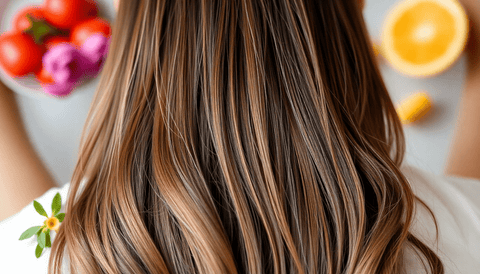
Introduction to Vitamins for Hair Health
Hair health is a complex topic influenced by many factors, from genetics and hormones to diet and daily stress. Understanding the role of essential nutrients is a valuable first step for anyone looking to support the growth, strength, and appearance of their hair. This guide serves as an introduction to the best vitamins for hair health, outlining the key nutrients, why they matter, how to assess your own needs, and what to consider when choosing a supplement. Our goal is to provide a clear, practical overview of this topic, empowering you to make well-informed choices for your hair care routine.
Why Nutrition Matters for Hair Health
How Hair Grows: Follicles and the Growth Cycle
Hair is one of the fastest-growing tissues in the body, made up primarily of a protein called keratin. It is produced in hair follicles, tiny structures beneath the scalp. Each follicle operates on its own cycle, moving through phases of active growth, transition, and rest. The health of these follicles and their ability to produce strong, resilient hair are directly tied to a steady supply of nutrients.
The Broad Impact of Diet, Lifestyle, and Aging
The appearance of your hair can be a useful indicator of your overall health. Factors such as a restrictive diet, high stress levels, significant hormonal changes, and the natural aging process all take a toll on hair quality. In many cases, these factors can compound each other. For instance, stress might influence dietary habits, which in turn can affect the nutrients available to support hair structure and growth. When these issues lead to a consistent shortfall of essential nutrients, they may become a contributing cause of hair-related concerns.
Signals That Your Hair May Need More Support
Certain changes in your hair, nails, or skin can occasionally indicate that your dietary intake isn't meeting your body's needs. Some common signals often seen alongside hair concerns include:
- Noticeable increases in daily hair shedding.
- Hair that appears dull, brittle, or breaks easily.
- Slower-than-usual hair growth.
While these are not definitive signs of a specific deficiency, they are a good reason to review your diet and consider discussing your concerns with a healthcare provider.
The Top 7 Essential Nutrients for Hair
Rather than focusing on a single "miracle" ingredient, it is more effective to understand the synergy between the most important vitamins and minerals. The following nutrients are widely recognized for their specific roles in supporting healthy hair biology.
Vitamin A and Vitamin E
Vitamin A is important for the production of sebum, a natural oil produced by the scalp that moisturizes the hair and keeps it from becoming dry and brittle. It also plays a part in the growth of all bodily tissues, including hair. Vitamin E functions as a powerful antioxidant, helping to protect the hair follicles and scalp from environmental stress and oxidative damage.
The B-Vitamin Family: Biotin and Beyond
The B-vitamin family is a group of nutrients with wide-reaching metabolic roles. Biotin (Vitamin B7) is often singled out for its association with hair health, as it supports the metabolic processes that build keratin. Other B-vitamins, such as B12 and folate, help create red blood cells, which are essential for carrying oxygen to the scalp so that follicles can function optimally. Look for hair supplements that include a range of B-vitamins, not just Biotin, for a more comprehensive approach.
Antioxidants: Vitamins C and D
Vitamin C is a critical antioxidant and a required component for the production of collagen, a structural protein that strengthens the hair shaft. It also helps the body absorb iron, a mineral key to hair growth. Vitamin D is being studied for its role in supporting healthy hair follicle cycling. Given that many people do not get adequate sun exposure or dietary Vitamin D, it is a nutrient worth reviewing carefully.
Crucial Minerals: Zinc and Iron
Minerals are just as important as vitamins for healthy hair.
- Zinc: Supports hair follicle function, helps repair tissue, and keeps the oil glands around the follicles working properly.
- Iron: Enables red blood cells to carry oxygen to all cells, including hair follicles. Low iron levels are a known contributor to hair loss in some individuals.
Addressing Common Signs of Nutrient Deficiency
Acknowledging the Multi-Factorial Nature of Hair Issues
It is crucial to understand that not all hair issues are caused by a nutritional problem. Factors like genetics, sudden stress, medical conditions, medications, and even certain styling habits can all contribute to changes in hair. This means you should consider a range of possibilities before assuming a deficiency causes your specific concern.
Why Symptoms Alone Don't Tell the Full Story
While a combination of symptoms might seem to point toward a nutritional shortfall, it is easy to over-interpret isolated signs. For example, hair thinning can be related to an iron deficiency, but it can also be entirely linked to a hormonal issue or thyroid condition. This is why a holistic approach is important. It is also why sudden, significant hair changes should always be discussed with a professional, as they may indicate an underlying health issue that requires medical evaluation.
The Role of Supplements for Hair Health
When Supplementation Might Be Considered
Even with a balanced diet, several life stages and lifestyle choices can create challenges in meeting your nutritional needs. Individuals following vegetarian or vegan diets, those with food allergies or restrictions, or people with conditions that affect absorption may find that a supplement helps fill a gap in their diet. If you fall into one of these categories or have a generally limited diet, this is where supplementation can play a supporting role.
Practical Steps for Supplementation
If you are considering a dietary supplement to support your hair, it's important to take a structured approach. A good starting point involves:
- Assess Your Diet: Review your regular eating habits to identify potential shortfalls in key vitamins and minerals.
- Consult a Professional: Speak to a healthcare provider to discuss your concerns. They can help rule out underlying medical conditions.
- Test Before You Guess: Consider asking about lab tests for nutrient levels like ferritin and Vitamin D to determine if a true deficiency exists.
Understanding Supplement Quality and Ingredients
What To Look For in a Quality Product
All supplements are not equal. When selecting a product, it pays to focus on quality. Prioritize brands that are transparent about their formulations and are known for high manufacturing standards. Look for products that have been independently tested so you can trust what is printed on the label.
Forms and Foundations: Vitamins, Minerals, and Synergy
Consider the form of the supplement. Some individuals prefer a single-ingredient product, while others might choose a combined formula. A high-quality multivitamin or comprehensive hair complex can offer beneficial synergy, as many of these nutrients work better together. It is also important to consider dietary preferences; many supplements are available in vegan or vegetarian-friendly forms. You can explore our guides on
For more specific information on choosing foundational nutrients, you may find our guide to Vitamin C benefits and Vitamin D sources helpful as you assess your specific needs.
Exploring the Topic Further
Understanding the fundamentals is the first step. From here, you can explore what type of product might support your individual needs. If you are considering how to best structure your daily routine, comparing a targeted supplement with a comprehensive multivitamin can be a helpful starting point. To understand how different vitamins and minerals fit into the broader picture, it is useful to explore resources on multivitamin ingredients and usage.
Finding Quality Hair-Health Supplements on Topvitamine.com
Our Commitment to Quality and Transparency
At Topvitamine.com, we understand that navigating the supplement aisle can be overwhelming. We aim to make this easier by curating a selection of hair-health supplements that are based on evidence-informed ingredients and manufactured with quality and transparency in mind. This approach allows you to shop with greater confidence.
How to Browse and Compare Products
We have designed our site to help you find the product that best matches your needs. You can easily filter through our collection based on specific vitamins or minerals, dietary preferences (such as vegan or vegetarian), and different supplement formats. This allows you to compare products side-by-side based on the nutrients that matter most to you and your lifestyle.
Key Takeaways
- Healthy hair relies on a steady supply of key vitamins and minerals, not just one "wonder" nutrient.
- The most important nutrients include Vitamin A, B-Vitamins, Vitamin C, Vitamin D, Vitamin E, Zinc, and Iron.
- Hair issues can stem from many factors beyond diet, including hormones, stress, and genetics.
- Sudden or severe hair loss warrants a discussion with a healthcare professional to rule out medical causes.
- Supplements can help fill dietary gaps, especially for those with restricted diets or life stages that increase nutrient needs.
- Always choose high-quality, third-party-tested supplements and be aware of appropriate dosages.
Frequently Asked Questions
1. Who is the best vitamin for hair?
There is no single "best" vitamin for hair. Healthy hair depends on an entire network of nutrients working together. However, Biotin, Vitamin C, Vitamin D, and Iron are often emphasized because of their distinct roles in keratin production and follicle health.
2. Which brand of vitamin is best for hair?
Instead of focusing on a specific brand, focus on quality indicators. Look for products that are third-party tested, transparent about their ingredients, and have clinically studied forms of nutrients at appropriate doses.
3. What is the #1 hair growth supplement?
There is no universally accepted #1 supplement. The most effective approach is usually a combination of nutrients, tailored to an individual's specific deficiencies after consultation with a healthcare provider.
4. How long does it take to see results from hair vitamins?
Hair growth is a slow process. It is common to wait several months before noticing visible changes, as the hair growth cycle takes time to respond to nutritional improvements.
5. Can diet alone improve hair health?
Yes, a balanced diet rich in hair-supporting nutrients is a critical foundation. However, some individuals with absorption issues or higher needs may still require supplements to meet their targets.