Beta-carotene is a naturally occurring plant pigment that gives many fruits and vegetables their vibrant orange, red, and yellow colors. It belongs to a family of compounds known as carotenoids, which are celebrated for their antioxidant properties. In the human body, beta-carotene plays a dual role: it acts as an antioxidant, helping to protect cells from damage caused by free radicals, and it serves as a "provitamin A" carotenoid, meaning it can be converted into active vitamin A as needed.
This guide provides a broad overview of beta-carotene, covering its role in the body, dietary sources, factors affecting absorption, supplement considerations, and important safety information. Whether you're exploring this nutrient for general wellness or looking to understand its benefits, this page offers a solid foundation.
What Is Beta-Carotene?
Beta-carotene is one of over 600 naturally occurring carotenoids found in plants, algae, and certain bacteria. Its primary role in plants is to absorb light for photosynthesis and protect them from damage by high-energy wavelengths. When consumed, beta-carotene acts as a source of provitamin A, meaning your body can convert it into the biologically active form of vitamin A (retinol).
How Beta-Carotene Differs from Preformed Vitamin A
Vitamin A exists in two main forms in the human diet: preformed vitamin A (retinol and its more biologically active forms like retinal and retinoic acid) found in animal products like liver and dairy, and provitamin A carotenoids like beta-carotene found in plants. When you consume preformed vitamin A, your body can use it immediately. In contrast, beta-carotene requires conversion in the intestines and liver. This process is regulated by the body, occurring at a rate influenced by your nutritional status and genetics. Consequently, the risk of toxicity from beta-carotene is significantly lower than that from preformed vitamin A, making it a more forgiving source of this essential nutrient.
The Antioxidant Role of Beta-Carotene
The molecular structure that gives beta-carotene its orange color also enables it to act as a powerful antioxidant. The conjugated chain of double bonds is excellent at safely dissipating extra energy, allowing the molecule to neutralize harmful free radicals, such as singlet oxygen, which can otherwise cause oxidative damage in the body. By interacting with these free radicals, beta-carotene helps shield tissues from damage that can compromise overall physiological wellness.
Key Health Benefits of Beta-Carotene
The health benefits of beta-carotene are primarily tied to its function as a crucial vitamin A precursor and its robust antioxidant activity. It has been widely studied in relation to several aspects of health, primarily through its role in supporting foundational bodily functions.
Supporting Eye Health and Vision
Beta-carotene contributes to eye health by serving as a foundational nutrient that the eyes convert into the specific forms of vitamin A used to support healthy vision. While it is a key component for proper eye function, research highlights that a broad carotenoid profile, including nutrients like lutein and zeaxanthin, may be more effective for supporting long-term vision health. Beta-carotene remains an important part of a diet aimed at maintaining general eye function.
Roles in Immune Function and Skin Integrity
The immune system relies on vitamin A for many processes, and beta-carotene supports immune integrity by ensuring a sufficient vitamin A supply is available in the body. As an antioxidant, it also supports the health of the skin by helping protect against cellular damage. Beta-carotene has been associated with supporting the skin's barrier function and the maintenance of the epidermis. It is important to note that for maximum immune and dermatological support, a holistic supply of nutrients is necessary.
Best Food Sources of Beta-Carotene
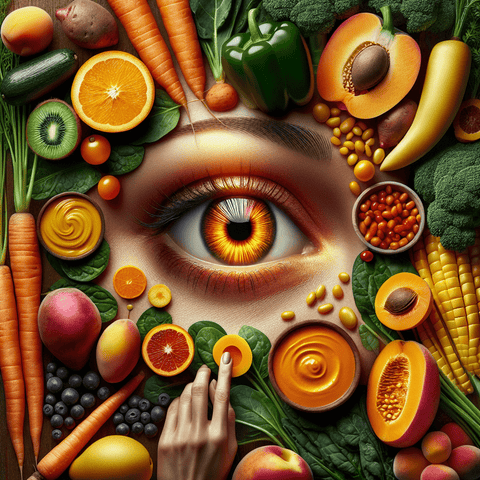
Beta-carotene is abundant in a variety of colorful plant foods. The richest sources are found in foods with deep green or bright orange pigments. Here is a list of top dietary sources to consider incorporating into your meals:
- Root Vegetables: Carrots and sweet potatoes are prime providers.
- Leafy Greens: Spinach, kale, and Swiss chard are carotenoid powerhouses, even though their green color can mask the orange pigment.
- Squash & Melons: Butternut squash, pumpkin, and cantaloupe are excellent sources.
- Peppers: Red bell peppers are particularly high in beta-carotene, more so than their green counterparts.
- Other Sources: Broccoli and romaine lettuce also contribute to your overall intake.
For those following a plant-based diet, beta-carotene from these sources helps support normal vitamin A levels without consuming animal-derived liver oils, which are typically high in preformed vitamin A.
Does Cooking and Fat Improve Absorption?
The cellular matrix that contains beta-carotene in plants can be tough to digest. Cooking, pureeing, or juicing vegetables can break down cell walls, thereby making the beta-carotene more accessible for absorption. Pairing these foods with a source of fat is a critical, practical strategy since beta-carotene is fat-soluble. Cooking with a small amount of oil, such as olive oil, or pairing vegetables with avocado, nuts, or eggs will substantially increase the absorption of this important nutrient.
Factors Affecting Beta-Carotene Absorption and Conversion
Even if you consume high amounts, several factors can shift how well your body absorbs and converts beta-carotene. Understanding these can help you optimize your diet.
Dietary Fat and Gut Health
Given beta-carotene's fat-soluble nature, one of the most underrated limiting factors is eating plant foods without any fat. A meal that has no fat often results in very minimal uptake of beta-carotene. On the contrary, adding monounsaturated fats such as olive oil, nuts, or rich ingredients like eggs or avocado in the same meal can significantly improve utilization. Additionally, those with poor gut health, malabsorption issues, or conditions like Celiac disease may not convert beta-carotene efficiently.
Genetic Factors (BCMO1 Gene)
Medical science recognizes that the efficiency of conversion is partly due to genetics. Roughly 40–50% of people carry genetic variances in the BCMO1 gene and are identified loosely as poor or 'non-responders'. This occurs when the body has a genetic variation that attenuates the enzyme's ability to convert beta-carotene. Because of this, consuming beta-carotene in plant form may not fully meet the vitamin A requirement even when the diet seems adequate, which is why a varied diet and regular monitoring can be beneficial.
Supplement Considerations and Safety
Beta-carotene supplements are available for individuals looking to support overall health and well-being. When evaluating supplements, note that the conversion of beta-carotene into vitamin A is slower and highly regulated by the body, which makes it a safer option than supplemental preformed vitamin A for healthy non-smokers. For a broader understanding of how beta-carotene fits into your supplement regimen, exploring our collection on antioxidants can be helpful.
High-Dose Supplementation Risks for Smokers
High-dose supplemental beta-carotene is not advised for smokers. Some clinical studies have reported an association between high-dose beta-carotene supplements and a higher risk of lung cancer in this specific group. It is crucial to distinguish between dietary intake and high-dose supplements; a diet rich in fruits and vegetables is generally preferred for most individuals.
Drug Interactions and Pregnancy
As with all nutrients, balance is key. Some medications can interfere with the absorption of beta-carotene, such as weight-loss drugs like Orlistat, which block fat absorption. It is also important to discuss supplement use with a healthcare provider during pregnancy or breastfeeding to determine appropriate levels. Always mention any medication or medical condition to a healthcare professional before starting a new supplement regimen.
Exploring Related Nutrients and Topics
This overview covers the fundamental aspects of beta-carotene. More specific questions, such as how it compares with other antioxidants or its role in a specialized dietary plan, are often best explored in dedicated articles. For a wider perspective on antioxidants and how they work, our antioxidants collection offers relevant information and resources. You can also explore our vitamin A guide for a deeper look at this essential nutrient. For a broader overview of dietary supplements, visit our natural supplements collection.
Frequently Asked Questions About Beta-Carotene
Below are answers to some common questions that often arise when discussing beta-carotene.
Is beta-carotene good or bad for you?
Beta-carotene from food sources is generally considered safe and beneficial because the body converts it to vitamin A as needed. However, high-dose supplements are not recommended for smokers, as some studies have linked them to an increased risk of lung cancer in this group. For most people, obtaining beta-carotene through a healthy diet is the best approach.
What are the benefits of taking beta-carotene?
Beta-carotene is an antioxidant that helps protect cells from damage, and it serves as a source of vitamin A, which is important for vision, immune function, and skin health. A diet rich in this nutrient supports these foundational bodily functions.
What is the side effect of beta-carotene?
A well-known and harmless side effect of consuming very high amounts of beta-carotene is carotenodermia, a benign condition that causes the skin to take on a yellow-orange tint, particularly on the palms and soles. This is not dangerous and clears up within weeks after reducing intake.
Key Takeaways
- Beta-carotene is a plant pigment and antioxidant that the body converts into vitamin A.
- Found naturally in colorful fruits and vegetables, it supports vision, immunity, and skin health.
- Absorption is improved by cooking and pairing with dietary fats.
- Dietary intake is considered safe; however, high-dose supplements are not recommended for smokers.
- A diet rich in whole foods is the preferred way to ensure adequate intake.
This information is for educational purposes and is not a substitute for professional medical advice. Always consult with a healthcare provider for personalized guidance.