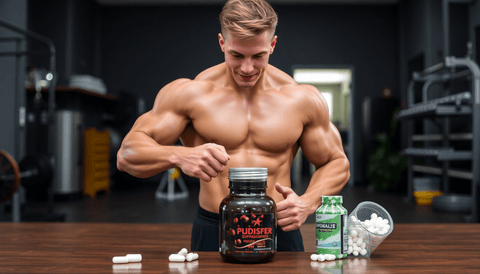
Bodybuilding vitamins play a crucial role in supporting muscle growth and recovery for athletes and fitness enthusiasts alike. This comprehensive guide will help you understand the importance of certain vitamins, how they contribute to your performance, and how to effectively incorporate them into your supplementation regimen. You'll learn about the different types of vitamins that aid in muscle function and repair, the specific signals indicating potential deficiencies, and tips for selecting quality products on Topvitamine.com. By the end, you will be equipped with the knowledge needed to make informed decisions about your health and fitness journey.
What you’ll learn in this guide
- Core explanations of bodybuilding vitamins and their roles
- Signals and variability that indicate vitamin needs
- Understanding why symptoms alone aren't a diagnosis
- The benefits of supplements for muscle growth and recovery
- Decision criteria for choosing the right products
- Next steps for purchasing on Topvitamine
Core explanation: what bodybuilding vitamins are and how they work
What are bodybuilding vitamins?
Bodybuilding vitamins refer to a class of micronutrients that are essential for optimal muscle function and growth in athletes. These vitamins facilitate various biological processes, such as energy metabolism, tissue repair, and immune function, thus playing a critical role in athletic performance and recovery.
How vitamins support muscle growth and recovery
Vitamins support muscle growth and recovery by participating in energy metabolism, aiding tissue repair, enhancing immune response, and combating oxidative stress. For instance, vitamin C plays a key role in collagen synthesis, which is vital for muscle and tendon repair, while B vitamins are crucial for energy production during workouts.
Vitamins vs. other nutrients: where they fit
Vitamins differ from minerals and macronutrients (proteins, fats, carbohydrates) in that they are organic compounds required in smaller amounts. While macronutrients provide energy and structural components, vitamins serve regulatory roles within the body. It's essential to maintain a balanced intake of all nutrient types without relying solely on vitamins for overall health.
Why this topic matters for bodybuilders
Training demands and micronutrient needs
Intensive training regimes increase the body’s demand for certain vitamins to support energy metabolism, enhance antioxidant defenses, and maintain bone health. Bodybuilders may require higher levels of specific vitamins to prevent deficiencies caused by rigorous training.
Potential impact on performance and adaptation
Optimal vitamin status is linked with better training consistency, faster recovery, and improved adaptation to training stressors. For instance, sufficient vitamin D levels have been associated with enhanced muscle function and improved strength outcomes.
Common dietary patterns and risk areas
Many athletes, particularly those on restrictive diets like vegetarian or vegan, may find themselves at risk for vitamin deficiencies. Limited dietary variety or caloric restrictions can hinder the intake of vital vitamins, which are integral to performance and recovery.
Signals, symptoms, and health implications to watch
Fatigue, energy dips, and endurance flags
Suboptimal vitamin status can lead to fatigue and decreased stamina, negatively affecting training quality. Regular monitoring of energy levels can help identify potential deficiencies that may require attention.
Recovery pace and muscle soreness signals
Slow recovery or prolonged muscle soreness might indicate insufficient antioxidant intake, particularly vitamins C and E, which are crucial for reducing inflammation and promoting healing.
Immune function and illness frequency
Frequent colds, infections, or prolonged recovery periods may suggest a need to review micronutrient intake, particularly vitamins A, C, and D, which support immune function.
Bone health, joints, and injury risk signals
Monitoring for joint pain or increased injury incidence can point to inadequacies in vitamins D and K, which are critical for bone health and integrity.
Skin, hair, nails, and subtle health cues
A decline in skin, hair, and nail health can serve as indicators of overall vitamin balance and may reflect underlying deficiencies.
Individual variability and uncertainty in vitamin needs
Genetic and metabolic differences
Genetics can affect individual vitamin requirements and absorption efficiency. Variations in metabolic pathways often necessitate tailored approaches to supplementation.
Diet context, training phase, and life stage
Vitamin needs can fluctuate based on dietary patterns, training phases (off-season vs. cutting), age, gender, and specific life stages such as pregnancy, requiring more personalized supplementation strategies.
Interactions and bioavailability
The absorption of vitamins can be influenced by the food matrix, timing relative to meals, and potential nutrient interactions. Understanding these factors is crucial for maximizing vitamin efficacy.
Why symptoms alone do not reveal root cause
The non-specific nature of many signals
Signals like fatigue and mood fluctuations often stem from various factors including training stress, sleep quality, hydration levels, and overall nutritional intake beyond just vitamins. Identifying the underlying causes is essential for informed decisions.
The limits of guesswork without broader assessment
Relying on symptoms alone can be misleading. A comprehensive dietary assessment or lab testing may be necessary to accurately determine nutrient status, leading to well-informed supplementation choices.
The role of professional guidance
Consider consulting with a sports nutritionist or healthcare provider to track your nutrition, performance, and overall health. Keeping a food log or performance journal can help clarify which areas require improvement.
The role of nutritional supplements in this topic
When supplements can be a sensible part of a plan
Supplements may be beneficial for athletes facing dietary gaps due to restricted eating patterns or increased training demands. They can help meet specific micronutrient needs that are vital for performance and recovery.
What evidence says about vitamin supplementation for muscle growth and recovery
Research shows that certain vitamins can effectively support muscle growth and recovery, although results may vary based on individual contexts. Vitamins like D and B-complex vitamins have shown promise in enhancing athletic performance.
Safety, dosing, and risks of excess
It’s important to remember that more is not always better, particularly with fat-soluble vitamins. Excessive intake can lead to toxicity, so adhering to recommended dosages is crucial.
How to approach supplement use responsibly
Starting with a baseline nutrition assessment and targeting supplementation to meet specific needs can be a wise approach. Continuous evaluation of responses to supplementation can guide future adjustments.
How nutritional supplements could specifically support bodybuilding goals
Vitamin D for bone health, muscle function, and immunity
Vitamin D plays an essential role in enhancing muscle function, optimizing immunity, and maintaining bone health. Regularly assessing vitamin D levels can help ensure you meet your body's requirements.
B-complex vitamins for energy metabolism
B-complex vitamins are crucial for converting food into usable energy, supporting performance during intense workouts and recovery periods.
Antioxidant vitamins (C and E) for recovery and oxidative stress management
Antioxidants such as vitamins C and E may play a significant role during periods of intense training; however, excessive intake could blunt certain training adaptations, requiring a balanced approach.
Vitamin C and connective tissue support
Vitamin C is vital for collagen synthesis, aiding in muscle repair, especially post high-impact training.
A caution on fat-soluble vitamins (A, D, E, K)
Fat-soluble vitamins should be consumed in moderate amounts, with periodic monitoring for potential toxicity. Simple guidelines on intake can help avoid adverse effects.
Notable co-nutrients and minerals that support vitamin function
Minerals like magnesium, zinc, iron, and calcium support vitamin function and should not be overlooked in a comprehensive nutritional plan.
Special populations and scenarios
Vegans and vegetarians should consider supplementation for vitamins B12 and D, while women athletes may need to monitor their iron levels closely. Older athletes might require adjustments due to changes in metabolism and nutrient absorption.
Decision-support: when nutritional supplements make sense for you
Scenarios where supplementation is reasonable
Situations such as limited dietary variety, increased training volume, or known deficiencies can warrant the use of supplements to ensure adequate vitamin intake.
How to evaluate progress and avoid overreach
Using objective measures—like tracking training performance, recovery metrics, and symptom logs—can help in recognizing improvements or areas that need further attention, ensuring you're not overcomplicating your nutrition.
Implementing a practical plan
Starting with an evidence-based multivitamin designed for athletes can help cover basic nutrient needs while allowing for personalization based on individual responses.
Practical guidance for selecting and using bodybuilding vitamins
Choosing high-quality products
Select vitamins that have undergone third-party testing, ensuring clarity in labeling and dosage without unnecessary proprietary blends.
Dosing, timing, and integration with meals
General dosing advice often suggests taking vitamins with meals to enhance absorption. Post-workout may be an ideal time for certain supplements for recovery.
Safety, interactions, and monitoring
Adopting a preventive approach to dosing—avoiding megadoses and considering potential interactions with medications—requires careful planning and monitoring.
Reading labels and avoiding marketing pitfalls
Learn to differentiate between realistic ingredient claims backed by research and those that are simply marketing hype. Look for transparency in formulations to make informed choices.
Conclusion: connect the topic to buying nutritional supplements on Topvitamine.com
Why Topvitamine is a sensible destination for bodybuilding vitamins
Topvitamine offers a wide selection of athlete-focused vitamins backed by scientific advice. You’ll find clear product filters to help you navigate your specific needs.
How to navigate Topvitamine for this topic
Simplify your search by browsing by your fitness goals—whether muscle growth or recovery. Check product pages for ingredient transparency, third-party testing, and serving suggestions.
Next steps and call to action
Assess your training and diet, identifying any potential gaps that may warrant a targeted vitamin plan. Explore vetted options on Topvitamine, emphasizing a measured approach rather than seeking quick fixes.
Key Takeaways
- Bodybuilding vitamins are essential for muscle growth, recovery, and overall performance.
- Training demands increase the need for certain vitamins, especially during intense training periods.
- Common signs of deficiencies include fatigue, poor recovery, and increased injury risks.
- Individual variability in genetics, diet, and training phase affect vitamin needs.
- Supplementation should be viewed as a supportive tool rather than a cure-all solution.
- Monitoring and assessing your nutritional status can guide effective supplementation strategies.
- Quality matters—choose products that undergo third-party testing and provide clear labeling.
- Balance is key; more vitamins doesn't always mean better results.
- Topvitamine is a reliable source for researching and purchasing bodybuilding vitamins.
- Start with minimal, evidence-based products and adjust based on personal feedback.
Q&A Section
1. What are the main vitamins important for bodybuilding?
The main vitamins for bodybuilding include B vitamins for energy metabolism, vitamins C and E for oxidative stress management, and vitamin D for muscle function and bone health.
2. How do I know if I need vitamin supplements?
Consulting healthcare professionals, monitoring your diet, and assessing your training response can illuminate whether supplementation is necessary based on your unique needs and any gaps in nutrition.
3. Can excessive vitamin intake be harmful?
Yes, excessive intake of certain vitamins, particularly fat-soluble ones like A, D, E, and K, can lead to toxicity. It's vital to consume vitamins within recommended guidelines.
4. Are vitamins effective for improving workout recovery?
Certain vitamins like C and E can support recovery by helping to manage oxidative stress; however, results can vary with individual factors and should be complemented by a balanced diet.
5. Can a vegan athlete get enough vitamins without supplements?
While a well-planned vegan diet can meet many nutrient needs, specific vitamins like B12 and D may require supplementation. Regular dietary audits are recommended.
6. Should I take multivitamins or individual vitamin supplements?
This decision depends on your specific deficiencies and dietary patterns. A high-quality multivitamin can be a good starting point, but individualized approaches may also be necessary.
7. How do I choose the right vitamin supplement?
Look for products with transparent labeling, third-party testing, and evidence-backed formulations. Avoid proprietary blends without clear ingredient disclosure.
8. Are there any side effects of vitamin supplementation?
Potential side effects may include digestive issues or interactions with other medications, emphasizing the need to consult with a healthcare provider before starting supplements.
9. How often should I reassess my vitamin needs?
Reassessing your vitamin needs should be done periodically, especially after significant changes in diet, training intensity, or health status.
10. What role do co-nutrients play in vitamin absorption?
Co-nutrients such as minerals can enhance the function and absorption of vitamins. For example, magnesium can support vitamin D metabolism and overall effectiveness.
11. Why is vitamin D particularly important for athletes?
Vitamin D is critical for bone health, muscle function, and immune strength, making it vital for athletes undergoing intense training to prevent injury and maintain performance.
12. How can I monitor my vitamin levels?
Monitoring can be achieved through dietary assessments, symptom tracking, and laboratory blood tests to measure specific nutrient levels, ensuring optimized intake.
Keywords
- Bodybuilding vitamins
- Vitamins for muscle growth
- Vitamins for recovery
- Antioxidant vitamins
- Vitamin D for athletes
- B vitamins for energy
- Nutritional supplements
- Micronutrient needs
- Vitamin supplementation
- Bodybuilding nutrition