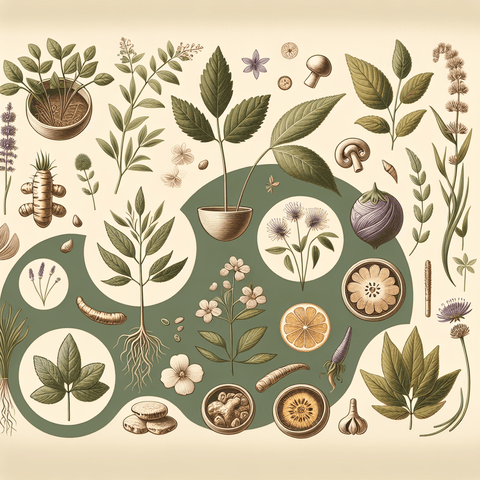
Botanical stress support is a popular approach for those seeking natural ways to manage the pressures of modern life. Instead of relying on harsh pharmaceuticals, many people turn to herbs, adaptogens, and nervines to help their bodies respond to stress in a more balanced way. This guide provides an overview of what botanical stress support involves, the key ingredients to know, and how to choose a high-quality supplement.
What Is Botanical Stress Support?
Botanical stress support refers to the use of plant-based compounds—such as herbal extracts, teas, and dietary supplements—to help the body modulate its physiological response to stress. Unlike synthetic sedatives, these botanicals typically work by supporting the body's natural systems, including the adrenal glands and the nervous system. Key categories of botanicals include adaptogens, which help the body adapt to stress, and nervines, which specifically support nerve tissue and promote relaxation.
Adaptogens vs. Nervines: Understanding the Difference
The world of botanical stress support can be divided into two primary categories: adaptogens and nervines. Both play important but distinct roles in supporting stress resilience.
Adaptogens: Building Long-Term Resilience
Adaptogens are a unique class of herbs that are believed to help the body non-specifically resist various stressors—whether physical, chemical, or biological. They work by modulating the hypothalamic-pituitary-adrenal (HPA) axis, which is the central stress response system. This modulation can help to stabilize cortisol levels and improve overall energy and stamina. Adaptogens like Ashwagandha and Rhodiola are typically taken consistently over weeks or months to build gradual resilience.
Nervines: Soothing the Nervous System
Nervines are herbs that directly support the nervous system. They often have calming or relaxing properties, making them useful for acute anxiety, nervous tension, and sleep difficulties. Many nervines work by enhancing the activity of gamma-aminobutyric acid (GABA), a neurotransmitter that inhibits nerve signals and promotes a sense of calm. Examples include Lemon Balm, Passionflower, and Chamomile. Nervines can be used on an as-needed basis during particularly stressful periods.
Key Botanicals in Stress Support
Several botanicals have gained attention for their potential role in supporting the stress response. While research is ongoing, these herbs have a long history of traditional use and are frequently found in stress-focused supplements.
Ashwagandha: The Calming Adaptogen
Ashwagandha (*Withania somnifera*) is perhaps the most well-studied adaptogen for stress relief. It is traditionally used in Ayurvedic medicine to support vitality and resilience. Many clinical studies suggest that standardized extracts of Ashwagandha root may help reduce perceived stress levels and lower cortisol concentrations in chronically stressed adults. It is often recommended for those who feel 'tired but wired'—experiencing burnout yet unable to relax.
Rhodiola Rosea: Combating Fatigue and Enhancing Performance
Rhodiola (*Rhodiola rosea*) is an adaptogen traditionally used in Scandinavian and Russian folk medicine to combat fatigue and enhance mental performance. Unlike Ashwagandha, which has a more sedative quality, Rhodiola tends to have a stimulating effect, making it suitable for individuals experiencing burnout with symptoms of exhaustion and low motivation. It is thought to influence serotonin and dopamine activity, which can help improve mood and energy.
Lemon Balm and Passionflower: Soothing Nervines
Lemon Balm (*Melissa officinalis*) and Passionflower (*Passiflora incarnata*) are two nervines often paired for acute anxiety and sleep support. Lemon Balm has been shown in some human trials to improve calmness and reduce stress-induced nervousness. Passionflower is believed to increase GABA levels in the brain, which promotes relaxation. These are ideal for short-term use during a stressful event or when trying to wind down before bed.
The Role of Magnesium in Stress Support
While not a botanical, magnesium is an essential mineral that frequently appears alongside herbs in stress support formulas. Often called 'the relaxation mineral,' magnesium is involved in over 300 enzymatic reactions, including the regulation of the nervous system. It acts as a natural calcium channel blocker, helping to calm nerve activity. Chronic stress is known to deplete magnesium levels, so supplementation may be relevant for many individuals.
When Botanical Stress Support May Be Relevant
Botanical stress support is not a substitute for a healthy lifestyle, but it can be a valuable addition during periods of increased demand. You might consider it when:
- You're experiencing burnout or chronic stress that isn't relieved by rest.
- You need support for mental clarity and energy during high-pressure projects.
- You struggle with sleep onset or staying asleep due to anxious thoughts.
- Your diet lacks adequate magnesium or B-vitamins, which are vital for nervous system health.
- You're weaning off caffeine and need natural energy support.
How to Choose a Botanical Stress Support Supplement
With countless products on the market, choosing wisely is crucial. A high-quality supplement should be effective, safe, and transparent. Here's what to look for:
Standardized Extracts vs. Raw Powders
A 'standardized extract' contains a consistent amount of the active compound, such as withanolides for Ashwagandha or rosavins for Rhodiola. This ensures a predictable dose per serving. Raw powders in capsules may vary significantly in their active compound content, making them less reliable. For therapeutic effects, standardized extracts are generally preferred.
Single-Ingredient vs. Combination Formulas
Single-ingredient supplements allow you to isolate a specific effect and adjust dosage easily. Combination products offer the synergy of multiple herbs, but often at lower doses of individual ingredients. For first-time users, starting with a single adaptogen can help you gauge tolerance before moving to a blended formula.
Bioavailability and Absorption
Some herbal compounds are fat-soluble and better absorbed when taken with a meal containing fats. For magnesium, forms like glycinate or citrate are more bioavailable than cheaper forms like magnesium oxide. Check the label for the specific form used to ensure your body can effectively absorb it.
Formats: Tinctures, Capsules, and Teas
Tinctures are liquid extracts absorbed under the tongue, offering fast relief for acute stress. Capsules provide convenience and a measured dose but take longer to act. Teas are the gentlest format, often with lower doses, ideal for daily relaxation rituals. Your choice should align with your lifestyle and the speed of relief you need.
Lifestyle Foundations: Supporting Your Stress Response Naturally
Before adding supplements, build a strong foundation. Diet and lifestyle habits are the most powerful tools for influencing your stress response.
Nutrition: Foods That Support Adrenal and Nervous System Health
The adrenal glands need specific nutrients to function well, including vitamin C, vitamin B5, and magnesium. Foods rich in these include leafy greens, avocados, nuts, seeds, and citrus fruits. Additionally, consuming adequate high-quality protein (from eggs, fish, legumes) ensures the body has the amino acids necessary to produce calming neurotransmitters like serotonin and GABA.
Blood Sugar Balance and Energy Stability
Blood sugar crashes can trigger the release of adrenaline and cortisol, exacerbating anxiety. Eating regular meals that combine complex carbohydrates with protein and healthy fats helps stabilize glucose levels. This prevents the irritability and 'hanger' that often accompany unstable blood sugar. Avoiding excessive caffeine and refined sugars is also essential for supporting natural energy.
Restorative Practices: Sleep, Breathwork, and Movement
Prioritize sleep by keeping a consistent schedule, even on weekends. Engage in calming breathwork exercises, such as box breathing, to activate the parasympathetic nervous system. Gentle movement like walking or yoga signals safety to the brain, whereas high-intensity interval training might add extra stress when you're already exhausted. Choose activities that restore energy rather than deplete it.
Safety Considerations and Responsible Use
Botanical supplements are generally safe for most people, but they are not without risks. Always start with the lowest effective dose and monitor your response.
Possible Side Effects and Digestive Issues
Some herbs, particularly adaptogens, may cause gastric upset when taken on an empty stomach. Taking them with food usually alleviates this issue. Others might cause vivid dreams or restlessness if taken too close to bedtime. If you experience any adverse effects, reduce the dose or discontinue use and consult a healthcare professional.
Interactions and Contraindications
Certain botanicals may interact with medications. For example, Ashwagandha may enhance the effects of thyroid medication and sedatives. Rhodiola may interact with antidepressants. Nervines like Passionflower can increase drowsiness when combined with sedatives or alcohol. Pregnant or breastfeeding women should avoid adaptogenic herbs due to a lack of safety research. Always disclose any supplements to your healthcare provider.
When to Seek Professional Advice
If you are experiencing severe or persistent anxiety, depression, or sleep disorders, botanical supplements are not a substitute for professional care. If you have a chronic health condition or are taking medication, consult a physician before starting any herbal supplement. Blood tests may help determine if you have nutritional deficiencies, such as low magnesium, that could be addressed with diet and targeted nutrients.
Exploring Related Supplement Categories
Botanical stress support often intersects with other supplement categories. For instance, many adaptogens are traditionally classified as herbal supplements, and a foundational understanding of their sourcing and safety can be helpful. If you are interested in Ashwagandha specifically, you may also want to explore dedicated ashwagandha supplements options. Additionally, since magnesium is often recommended as a supportive nutrient for stress, reviewing magnesium supplements can provide further insight into this mineral's role.
Key Takeaways
- Botanical stress support involves adaptogens that build resilience and nervines that soothe the nervous system.
- Ashwagandha and Rhodiola are well-known adaptogens with distinct effects—one calming, one energizing.
- Lemon Balm and Passionflower are nervines that can help with acute anxiety and sleep.
- Magnesium is a crucial mineral partner, often depleted by stress.
- Choose standardized extracts when possible and pay attention to bioavailability.
- Supplements are most effective when combined with a nutrient-dense diet, stable blood sugar, and restorative practices.
- Always consult a healthcare provider before starting new supplements, especially if you take medication.
Frequently Asked Questions
What is the best natural stress reducer?
The 'best' natural stress reducer depends on your individual stress profile. For chronic stress, adaptogens like Ashwagandha may help. For acute anxiety, nervines like Lemon Balm or Passionflower might be more appropriate. Lifestyle practices like meditation and deep breathing are also effective, non-supplement options.
What are five tips for reducing stress?
Five foundational tips include: first, prioritize regular physical activity, which releases endorphins. Second, maintain a balanced diet rich in whole foods to stabilize blood sugar. Third, practice mindfulness or deep-breathing exercises daily. Fourth, ensure adequate sleep by following a consistent schedule. Fifth, set boundaries between work and personal life to reduce chronic pressure.
What is the best supplement for high stress?
Ashwagandha is one of the most researched supplements for high stress, with studies showing it may help lower cortisol and perceived stress. Magnesium, particularly in bioavailable forms like glycinate, is also highly recommended due to its calming effect on the nervous system. A combination of adaptogens and magnesium may be beneficial.
What is the best herbal treatment for stress?
For long-term resilience, adaptogenic herbs like Ashwagandha and Rhodiola are considered excellent herbal treatments. For short-term relief, nervines like Lemon Balm, Passionflower, and Chamomile are traditional choices. These herbs work through different mechanisms, so selecting one depends on whether your primary issue is chronic exhaustion or acute anxiety.
Can adaptogens be taken with other supplements?
Generally, adaptogens can be combined with other supplements like vitamins and minerals. However, you should be cautious about combining sedative herbs with each other or with medications. Always check labels for potential interactions and consult a healthcare provider if you are taking multiple supplements or have health conditions.
How long do botanicals take to work?
Nervines like Lemon Balm can act quickly, often within 30-60 minutes for acute anxiety. Adaptogens, on the other hand, are cumulative and may take 2-4 weeks of consistent use to notice significant changes in mood or energy. Individual responses vary based on metabolism and dosage.
Are botanical stress supplements habit-forming?
Botanical supplements like adaptogens and nervines are generally not considered habit-forming in the traditional sense. They do not cause addiction. However, some herbs can cause tolerance with prolonged use, so cycling (e.g., taking breaks) is recommended. Always use them as directed and under professional guidance.
Can I use botanical stress support during pregnancy?
Due to limited safety research, most adaptogens and many nervines are not recommended during pregnancy or breastfeeding. Some herbs can stimulate uterine contractions or affect hormone levels. Pregnant or lactating individuals should avoid supplemental botanicals unless explicitly approved by their healthcare provider.
What is the difference between a tincture and a capsule?
A tincture is a liquid extract absorbed under the tongue, providing faster onset (15-30 minutes). A capsule takes longer to digest and absorb (45-60 minutes) but provides a more sustained release. Tinctures are often preferred for acute situations, while capsules are convenient for consistent daily dosing.
Can I combine L-Theanine with my coffee to reduce jitters?
Yes, this is a popular combination. L-Theanine, an amino acid in green tea, is known to smooth out the 'spike' from caffeine, promoting a calm focus. Taking 100-200 mg of L-Theanine with coffee can reduce anxiety and jitteriness while maintaining alertness.