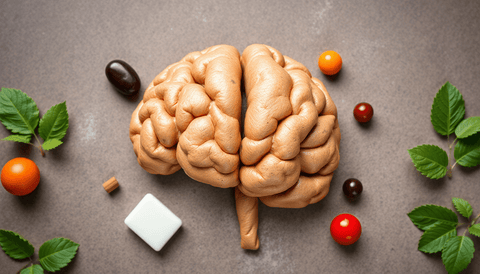
Brain health supplements have become one of the fastest-growing categories in nutrition, driven by widespread interest in focus, memory, and mental clarity. But with hundreds of products and bold marketing claims, it's hard to know what actually works. This guide explains what brain health supplements are, which ingredients have scientific support, how diet and lifestyle influence cognitive performance, and how to evaluate products so you can make an informed, safe decision based on your individual needs.
Introduction: Why Brain Health Supplements Are Getting So Much Attention
Demand for sustained attention, mental sharpness, and long-term cognitive health has never been higher. Long work hours, information overload, and an aging population have all contributed to growing interest in "nootropics" and cognitive enhancers. At the same time, research on nutrition and brain function has expanded, revealing that certain nutrients genuinely play a role in memory, concentration, and overall mental performance. Brain health supplements sit at the intersection of real science and aggressive marketing, which makes understanding the evidence essential before spending money or changing your routine.
What Are Brain Health Supplements? Key Terms and Concepts Explained
What Are Nootropics, Nootropic Supplements, and Cognitive Enhancers?
The term "nootropic" refers to substances believed to support cognitive function, including memory, focus, and mental energy. Nootropic supplements are over-the-counter products containing vitamins, minerals, herbal extracts, or other compounds marketed for this purpose. They differ from prescription cognitive enhancers, which are regulated medicines. In everyday use, the terms "nootropic," "cognitive enhancer," and "brain supplement" largely overlap and describe the same category of dietary supplements.
Common Ingredients Found in Brain Health Supplements
Most products in this category combine one or more of the following:
- Omega-3 fatty acids (DHA and EPA)
- B vitamins, including B12, B6, and folate
- Vitamin D and key minerals such as magnesium, zinc, and iron
- Herbal extracts such as ginkgo biloba, bacopa monnieri, and lion's mane mushroom
- Other compounds like phosphatidylserine, L-theanine, creatine, and caffeine
The quality of evidence varies widely between these ingredients, so it's worth examining each individually rather than assuming all "brain ingredients" are equally supported.
How Supplements for Focus and Memory Are Intended to Work
Brain supplements generally work through one of three mechanisms. First, they may correct underlying nutrient shortfalls — for example, low vitamin B12 or iron can affect energy metabolism and oxygen delivery to the brain. Second, some compounds provide structural building blocks: DHA, for instance, is a major component of brain cell membranes. Third, certain herbs and amino acids may influence neurotransmitters or cerebral blood flow. Notably, supplements tend to show the clearest effects in people whose intake or status is already low, not in well-nourished individuals seeking an "edge."
Why Brain Health Matters: How Nutrition Supports Focus, Memory, and Mental Clarity
The Brain's High Energy and Nutrient Demands
The brain accounts for roughly 2% of body weight but consumes around 20% of the body's energy. This constant metabolic activity requires a steady supply of glucose, oxygen, B vitamins, omega-3 fats, and trace minerals. Because the brain cannot store most of these nutrients in large reserves, even modest shortfalls over time may influence how mentally sharp you feel.
How Diet, Sleep, and Circulation Influence Cognitive Performance
Cognitive performance depends on more than nutrients alone. Sleep consolidates memory and clears metabolic waste from the brain. Physical activity improves blood flow, which delivers oxygen and glucose to neural tissue. Blood sugar stability also matters — sharp spikes and crashes from refined carbohydrate meals often coincide with afternoon brain fog. These lifestyle factors frequently matter more than any supplement.
Common Signs of Struggling Focus and Memory
Everyday Situations Where People Notice Brain Fog or Poor Concentration
Typical complaints include losing your train of thought mid-sentence, rereading the same paragraph without absorbing it, forgetting why you walked into a room, or struggling to stay focused after lunch. These experiences are common and often relate to stress, poor sleep, dehydration, or irregular eating rather than any underlying deficiency.
When Forgetfulness Is Normal — and When to Talk to a Doctor
Occasional lapses are a normal part of a busy life and tend to increase with stress and age. However, memory problems that interfere with daily functioning, worsen progressively, or are noticed by others warrant medical evaluation. Conditions such as thyroid disorders, depression, sleep apnea, and vitamin B12 deficiency can mimic cognitive decline — and many are treatable. Supplements should never delay appropriate medical assessment.
What Affects Focus and Memory? Common Causes and Contributing Factors
Dietary Gaps: Nutrients Often Low in Modern Diets
Modern eating patterns can fall short in several nutrients relevant to cognition: omega-3 fatty acids (especially in people who eat little oily fish), vitamin B12 (in vegans and older adults), vitamin D (in those with limited sun exposure), iron (in menstruating women), and magnesium and zinc in diets low in whole grains, nuts, and legumes.
Lifestyle Factors: Stress, Sleep, Sedentary Habits, and Alcohol
Chronic stress elevates cortisol, which can impair memory consolidation over time. Sleeping fewer than six to seven hours consistently is strongly associated with reduced attention and working memory. Sedentary behaviour reduces blood flow to the brain, and high alcohol intake is a well-established contributor to cognitive impairment.
Age, Absorption, and Medications That May Influence Nutrient Status
Stomach acid production declines with age, reducing absorption of vitamin B12 from food. Common medications — including metformin, proton pump inhibitors, and certain diuretics — can deplete B12, magnesium, or other nutrients over time. These factors can matter more than the supplement itself.
Environmental and Cognitive Load Factors
Multitasking, constant notifications, and information overload create attentional fatigue that no nutrient can fix. In these cases, what feels like poor focus is often cognitive overload, and strategies like single-tasking and scheduled breaks are more effective than any pill.
Why Individual Needs Differ: No One-Size-Fits-All Approach to Brain Nutrition
How Age, Diet Pattern, and Health Status Change Nutritional Needs
Nutritional requirements are not static. A 25-year-old omnivore, a 70-year-old on multiple medications, and a pregnant vegan have very different baseline needs. Older adults generally need more B12 and vitamin D; vegans rely on algae-derived omega-3s and supplemented B12; and people with malabsorption conditions may need higher or more bioavailable forms of several nutrients.
Genetics, Absorption, and Baseline Nutrient Intake
Genetic variation also plays a role. Some people have reduced conversion of plant-based omega-3s into DHA and EPA, while others have genetic variants affecting folate metabolism. Gastrointestinal health, smoking, and alcohol consumption further influence nutrient absorption and utilization. This is why symptoms alone rarely tell you which nutrient — if any — you need.
Food First: Diet and Lifestyle Habits That Support Brain Health
Best Foods for Brain Health: Omega-3s, Berries, Leafy Greens, and More
Some of the most consistently supported "brain foods" include:
- Oily fish (salmon, mackerel, sardines) — the best source of DHA and EPA
- Leafy greens — rich in folate, vitamin K, and antioxidants
- Berries — provide polyphenols associated with slower cognitive decline in observational research
- Nuts and seeds — sources of vitamin E, magnesium, and healthy fats
- Eggs — a source of choline, important for cell membranes and neurotransmitter synthesis
- Whole grains and legumes — support stable blood sugar and B vitamin intake
If you're not eating oily fish regularly, omega-3 DHA and EPA supplements are one way to fill that gap, though food sources remain the preferred foundation.
The MIND and Mediterranean Diets for Cognitive Support
The MIND diet — a hybrid of the Mediterranean and DASH diets — emphasizes vegetables, berries, fish, olive oil, nuts, and whole grains while limiting red meat, butter, and sweets. Observational studies have associated closer adherence with better cognitive outcomes over time. While these are associations rather than proof of causation, the overall dietary pattern is one of the strongest nutritional signals we have for long-term brain health.
Sleep, Exercise, and Stress Management for Better Focus
Seven to nine hours of sleep, regular aerobic exercise, and stress-reduction practices such as mindfulness all have meaningful evidence behind them. If your lifestyle is undermining your brain, addressing sleep and movement first will usually deliver more noticeable results than supplementation.
The Role of Nutrients and Supplements in Focus and Memory
Omega-3 Fatty Acids (DHA and EPA) and Brain Structure
DHA is a structural component of neuronal membranes, and adequate intake is particularly important during pregnancy, infancy, and older age. Evidence suggests omega-3s may support cognitive maintenance, with the strongest effects seen in people with low fish intake. In well-nourished individuals, benefits for immediate focus are less consistent.
B Vitamins (B12, B6, Folate) and Cognitive Function
B vitamins support energy metabolism, neurotransmitter synthesis, and the regulation of homocysteine — elevated levels of which have been associated with cognitive decline. Supplementing B12 in deficient individuals, especially older adults and vegans, can meaningfully improve cognitive symptoms related to deficiency. In people with adequate status, however, trials of B vitamins have not shown consistent benefits.
Vitamin D and Brain Health
Vitamin D receptors are present throughout the brain, and low vitamin D status has been associated with poorer cognitive performance in observational studies. Because deficiency is common in regions with limited sunlight, correcting it through vitamin D supplementation may be worthwhile for many people — ideally guided by a blood test rather than guesswork.
Magnesium, Zinc, and Iron: Minerals That Matter for Mental Clarity
Magnesium supports hundreds of enzymatic reactions, including those involved in neurotransmitter function; zinc contributes to brain signalling; and iron is essential for oxygen transport — iron deficiency is a recognized cause of fatigue and poor concentration, particularly in menstruating women. Magnesium supplementation is worth considering where dietary intake is low, and iron should only be supplemented after confirming low status through testing, since excess iron can be harmful.
Herbal Ingredients: Ginkgo Biloba, Bacopa Monnieri, and Lion's Mane — What the Evidence Says
These three botanicals are among the most researched herbal nootropics:
- Ginkgo biloba has been studied extensively for memory and circulation. Evidence in healthy adults is mixed, and large trials have generally not confirmed meaningful cognitive benefits in people without impairment.
- Bacopa monnieri has some supportive evidence for memory after consistent use over approximately 8–12 weeks, though effects are modest and research quality varies.
- Lion's mane shows promise in early research, but human studies are small and preliminary. Evidence remains emerging rather than established.
Anyone exploring herbal options should review herbal supplement safety and sourcing first, since extract quality, standardization, and interactions vary considerably between products.
Other Popular Ingredients: Phosphatidylserine, L-Theanine, and Creatine
Phosphatidylserine is a phospholipid involved in cell membrane structure, with modest evidence for memory support in some populations. L-theanine, found in green tea, may promote calm focus, particularly when combined with small amounts of caffeine. Creatine — best known for athletic performance — has emerging evidence for supporting mental fatigue and working memory, especially in vegetarians and during sleep deprivation. For detailed comparisons of these compounds, our guide to amino acid supplements covers L-theanine and related compounds in depth.
When May Brain Health Supplementation Be Worth Considering?
Situations Where Dietary Intake May Fall Short
Supplementation may be worth considering if you:
- Eat little or no fish (omega-3s)
- Follow a vegan or strict vegetarian diet (B12, omega-3s, creatine, iron)
- Have limited sun exposure or consistently low vitamin D
- Are an older adult with reduced absorption of B12
- Take medications that deplete specific nutrients
- Have a confirmed deficiency through blood testing
Outside of these situations, a balanced diet may well provide everything your brain needs.
Nutritional Support vs. Treating a Medical Condition: Knowing the Difference
Supplements are intended to support nutritional status — not to diagnose, treat, or cure cognitive disorders. If you're experiencing significant memory loss, confusion, or progressive cognitive changes, professional medical assessment comes first. A supplement is a nutritional tool, not a substitute for diagnosis or treatment.
How to Choose the Right Brain Health Supplement
Ingredient Forms and Bioavailability: Which Forms Absorb Best?
Chemical form matters. For omega-3s, triglyceride-based fish oil tends to be better absorbed than ethyl ester forms when taken without food. For magnesium, forms such as glycinate or citrate are often better tolerated than oxide, which absorbs poorly. Methylcobalamin and methylfolate are commonly used B12 and folate forms, though evidence that they outperform standard cyanocobalamin and folic acid in most people is limited. If a brand claims one form is dramatically superior, treat that claim with healthy skepticism unless research supports it.
Dosage and Concentration: Matching Evidence-Based Serving Sizes
Look for products whose serving sizes resemble the doses used in research — for example, bacopa studies typically used around 300 mg of standardized extract daily, and DHA studies often used 500–1,000 mg combined DHA/EPA. More is not better: taking several times the studied dose increases the risk of side effects without clear added benefit.
Single Ingredients vs. Combination Formulas
Single-ingredient products make it easier to match doses to the evidence and to identify what works for you. Combination "stacks" are convenient but often include token amounts of many ingredients — a practice sometimes called "fairy dusting." Check that each ingredient in a blend is dosed meaningfully.
Quality, Purity, and Third-Party Testing Certifications
Because supplements are less tightly regulated than medicines, quality assurance matters. Look for brands that use third-party testing, disclose full ingredient amounts, and avoid proprietary blends that hide dosages. Certifications from independent labs indicate the product contains what the label claims and is free from significant contaminants.
Allergens, Dietary Preferences, and Added Ingredients
Check labels for allergens such as fish, shellfish, soy, and gluten — particularly relevant for omega-3 products. Vegetarian and vegan options exist for most nutrients, including algae-based DHA. Also review the "other ingredients" list: unnecessary fillers, artificial colours, or added sugar offer no benefit.
Capsules, Tablets, Powders, and Liquids: Which Format Suits You?
Softgels suit oil-based nutrients like omega-3s; capsules and tablets work well for vitamins and minerals; powders offer dosing flexibility but require measuring; and liquids may suit people who struggle to swallow pills. Choose the format you'll actually take consistently — adherence matters more than format.
How to Read a Brain Supplement Label Like a Pro
Understanding Supplement Facts Panels, Serving Sizes, and Extract Ratios
The Supplement Facts panel lists each ingredient, its amount per serving, and the percentage of the daily value. Pay attention to serving size — some products require two or three capsules to reach the advertised dose. For herbal extracts, look for standardization (e.g., "bacopa extract standardized to 50% bacosides"), which tells you how much active compound you're actually getting.
Red Flags and Marketing Terms to Be Wary Of
- "Proprietary blend" — hides individual ingredient doses
- "Clinically proven" without any specifics about the study
- Claims of instant results or dramatic memory transformation
- "Cures" or "treats" language for dementia or ADHD, which is not legally permitted for supplements
- Doses far above research levels with no safety justification
Who May Benefit Most from Brain Health Supplements?
Groups with Higher Risk of Nutrient Gaps: Older Adults, Vegans, and Restricted Diets
Older adults, vegans, people with malabsorption conditions, pregnant women (with professional guidance), and those on restrictive diets have the highest likelihood of nutrient gaps relevant to cognition. A quality multivitamin may serve as a sensible baseline for some of these groups, alongside targeted nutrients where specific needs exist.
When Blood Testing or Professional Assessment Makes Sense
For B12, vitamin D, iron, and thyroid function, blood testing provides far more useful information than symptom self-assessment. If you suspect a deficiency, or if fatigue and brain fog persist despite good lifestyle habits, ask a healthcare professional for appropriate testing rather than self-prescribing high doses.
Safety, Side Effects, and Interactions of Brain Health Supplements
Upper Intake Limits and Common Side Effects
Most brain-supporting nutrients are safe at normal doses, but excessive intake carries risks. High-dose vitamin B6 over long periods can cause nerve damage. Iron overload is toxic. Excess zinc can cause copper deficiency. Even omega-3s above about 3 g/day of EPA and DHA may affect bleeding in some individuals. Always stay within labeled doses unless professionally advised otherwise.
Medication Interactions and Pregnancy Considerations
Ginkgo biloba can increase bleeding risk when combined with blood thinners such as warfarin or aspirin. High-dose omega-3s may also interact with anticoagulants. St. John's wort — sometimes found in "mood and focus" blends — interacts with many medications, including antidepressants and oral contraceptives. During pregnancy, some herbal nootropics are not recommended, while DHA is often considered beneficial; professional guidance is essential.
When to Talk to a Doctor or Pharmacist First
Consult a healthcare professional before supplementing if you take prescription medication, are pregnant or breastfeeding, have kidney or liver conditions, are scheduled for surgery, or plan to take any supplement at higher-than-labeled doses. Pharmacists are an excellent resource for checking interactions.
Diet Changes Alone or Supplements Too? A Practical Decision Guide
Questions to Ask Yourself Before Buying a Brain Supplement
- Is my sleep, exercise, and stress management genuinely in order?
- Does my diet regularly include oily fish, leafy greens, nuts, and whole grains?
- Do I belong to a group at higher risk of specific nutrient gaps?
- Have I had relevant blood levels (B12, vitamin D, iron) checked?
- Am I looking for a specific, evidence-supported gap to fill — or just hoping for a mental edge?
If your first two answers are "no," improving diet and lifestyle is likely the higher-value step. If they're "yes" and you have a known or suspected gap, targeted supplementation becomes more reasonable.
Factors That Should Guide Your Final Product Choice
Once you've identified which nutrient you may need, choose a product based on: the evidence-supported dose, a bioavailable form, third-party quality testing, a clean ingredient list without unnecessary additives, and a format that fits your routine. Price alone is a poor indicator of quality, but suspiciously cheap products from unknown brands often cut corners.
Conclusion: Making an Informed Choice About Brain Health and Nutrition
Brain health is built on a foundation of good sleep, regular movement, stress management, and a nutrient-rich diet — and no supplement can replace these. Brain health supplements have a genuine role, however, for people with identified nutrient gaps: omega-3s for those who skip fish, B12 for vegans and older adults, vitamin D where sun exposure is limited, and specific minerals confirmed through testing. The most effective approach is to first evaluate your diet and lifestyle, use testing rather than guesswork where possible, and then choose well-dosed, quality-tested products matched to your individual needs. Informed decisions — not marketing hype — are what truly support focus, memory, and long-term cognitive wellbeing.
Key Takeaways
- Brain health supplements work best when correcting a real nutrient gap, not as a shortcut for poor sleep or diet.
- The brain has high energy and nutrient demands, but sleep, exercise, and stress management influence cognition more than any single supplement.
- The best-supported nutrients include omega-3 DHA/EPA, B vitamins, vitamin D, magnesium, zinc, and iron.
- Herbal nootropics like bacopa and ginkgo have mixed or modest evidence; lion's mane research is still emerging.
- Vegans, older adults, and people with malabsorption or restrictive diets have the highest risk of relevant nutrient gaps.
- Blood testing for B12, vitamin D, and iron is more reliable than guessing based on symptoms.
- Check supplement labels for evidence-based doses, bioavailable forms, and third-party testing — and avoid proprietary blends.
- Some ingredients interact with medications (notably ginkgo and blood thinners); consult a professional when relevant.
- Persistent or worsening memory problems warrant medical evaluation, not self-treatment.
Frequently Asked Questions
What are brain health supplements?
They are dietary supplements containing vitamins, minerals, omega-3 fatty acids, herbal extracts, or other compounds marketed to support focus, memory, and mental clarity. Common examples include fish oil, B-complex vitamins, ginkgo biloba, and bacopa monnieri. They are intended to support nutritional status, not to treat medical conditions.
Do brain supplements actually work?
Some ingredients have credible evidence — particularly for correcting deficiencies. Omega-3s, B12, vitamin D, and iron can meaningfully improve cognitive symptoms when levels are low. For well-nourished healthy adults, benefits for immediate focus tend to be modest or inconsistent.
Which vitamin is best for memory and focus?
There is no single "best" vitamin. B12, folate, and vitamin D are most relevant where deficiency exists, as is iron for those with low status. If you're deficient in a specific nutrient, correcting it will usually matter more than trying a range of nootropics.
What foods are good for brain health?
Oily fish, leafy greens, berries, nuts, seeds, eggs, whole grains, and olive oil are among the best-supported brain foods. The MIND and Mediterranean dietary patterns, which emphasize these foods, are associated with better long-term cognitive outcomes.
How long do brain supplements take to work?
It depends on the ingredient and your starting status. Correcting an iron or B12 deficiency may take weeks to months to resolve symptoms. Bacopa's studied memory effects appeared after roughly 8–12 weeks of consistent use. Ingredients like L-theanine and caffeine act within hours but offer short-lived effects.
Can you take too many brain supplements?
Yes. High doses of vitamin B6 over time can cause nerve damage, excess iron and zinc are toxic, and very high omega-3 intakes may increase bleeding risk. Stick to labeled doses and avoid combining multiple products containing the same nutrients.
Do nootropics interact with medications?
Some do. Ginkgo biloba and high-dose omega-3s can increase bleeding risk with anticoagulants, and herbal blends may interact with antidepressants, blood pressure medications, and more. Always check with a doctor or pharmacist if you take prescription medication.
Should vegans take omega-3 supplements?
Vegans convert plant-based ALA into DHA and EPA inefficiently, so algae-derived omega-3 supplements are a reasonable option for ensuring adequate DHA and EPA intake, particularly during pregnancy and older age.
Is it better to take a single ingredient or a brain formula blend?
Single ingredients make it easier to match research-backed doses and identify what works for you. Blends can be convenient, but check that each ingredient is present at a meaningful dose rather than in token amounts hidden in a proprietary blend.
Can vitamin B12 improve brain fog?
If your brain fog is caused by low B12 — common in vegans, older adults, and users of acid-reducing medications — supplementation can improve symptoms. If B12 status is already adequate, additional supplementation has not been shown to provide cognitive benefits.
Are brain supplements safe during pregnancy?
Some nutrients, such as DHA, are often recommended during pregnancy, while many herbal nootropics (ginkgo, bacopa, lion's mane) lack sufficient safety data and are best avoided. Always consult a healthcare professional before supplementing while pregnant or breastfeeding.
When should I see a doctor about memory problems?
See a doctor if memory issues are persistent, worsening, affecting daily life, or noticed by others. Conditions like thyroid disorders, depression, sleep apnea, and B12 deficiency can mimic cognitive decline and are treatable once properly diagnosed.
Related Keywords
- brain health supplements
- nootropic supplements
- supplements for focus and concentration
- memory supplements
- omega-3 DHA EPA brain function
- vitamin B12 cognitive function
- ginkgo biloba benefits
- bacopa monnieri for memory
- lion's mane mushroom supplement
- brain fog causes and remedies
- MIND diet for brain health
- best vitamins for mental clarity
- supplements for brain fog and fatigue
- cognitive enhancers vs prescription nootropics