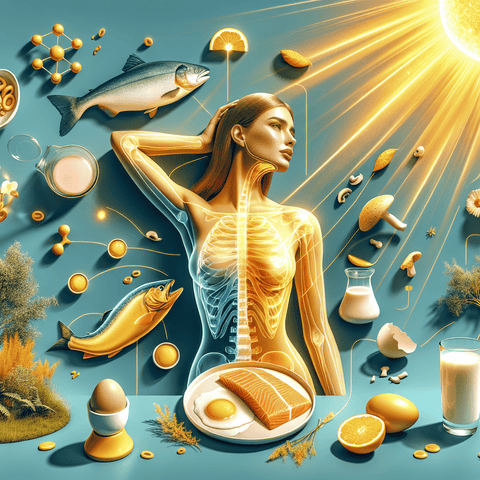
Calcium absorption and vitamin D are closely connected, and together they play a central role in maintaining normal bones and teeth. Calcium is an essential mineral, but the amount you eat matters less than the amount your body can actually absorb and use. Vitamin D supports the intestinal processes that make calcium absorption more efficient, while other factors — including age, digestive health, medications and diet — can influence how well this system works. This article explains how calcium absorption works, why vitamin D matters, how much you may need, which foods help, and when supplementation may or may not be worth considering.
What Is Calcium Absorption and Why Does It Matter?
Calcium absorption is the process by which calcium from food or supplements crosses the intestinal wall and enters the bloodstream. It matters because calcium is involved in bone structure, muscle contraction, nerve signalling and blood clotting. When absorption is inefficient, the body may draw on calcium stored in bone to maintain stable blood levels, which is one reason long-term shortfalls can affect bone health.
How Your Body Absorbs Calcium
Calcium is absorbed mainly in the small intestine through two routes. Active absorption depends on vitamin D and is especially important when calcium intake is low; it involves calcium-binding proteins and transport channels in intestinal cells. Passive absorption occurs between intestinal cells and becomes more relevant when calcium intake is higher. Because these routes differ, the percentage of calcium absorbed falls as intake rises, and absorption efficiency varies considerably between individuals.
The Difference Between Calcium Intake and Calcium Absorption
Calcium intake is the amount consumed from food or supplements. Calcium absorption is the fraction that actually reaches the bloodstream and becomes available for physiological use. A food may contain a large amount of calcium but provide less if it also contains absorption-limiting compounds or if the person has reduced gastric acid or intestinal function. This distinction is why simply comparing “milligrams per serving” does not always tell the whole story.
The Role of Vitamin D in Calcium Absorption
Vitamin D is best known for its role in calcium and phosphate regulation. Its active hormonal form, calcitriol, increases the efficiency of calcium absorption in the small intestine and helps maintain calcium balance. Without adequate vitamin D status, the body can still absorb some calcium, but the active, adaptive part of absorption is less efficient.
How Vitamin D Helps Your Body Use Calcium
When vitamin D status is adequate, calcitriol stimulates the production of calcium-binding proteins and transport proteins in intestinal cells. This supports the movement of calcium from the gut into the blood. Vitamin D also interacts with parathyroid hormone and bone cells to help regulate calcium balance. These actions support normal bone maintenance, but they do not replace medical treatment for osteoporosis or other bone diseases.
What Happens When Vitamin D Levels Are Low
Low vitamin D status can reduce calcium absorption efficiency and may lead to compensatory increases in parathyroid hormone. Over time, this can contribute to increased bone turnover and bone loss. However, low vitamin D is not reliably diagnosed from symptoms alone: muscle aches, fatigue and bone discomfort are nonspecific and can have many causes. Blood testing of 25-hydroxyvitamin D is the standard way to assess status when testing is appropriate.
Factors That Can Impair Calcium Absorption
Many factors can reduce calcium absorption or increase calcium losses. Some are modifiable, while others are related to age, medical conditions or necessary medications. Understanding these influences helps explain why two people with similar calcium intake may have different nutritional status.
Age and Hormonal Changes
Calcium absorption tends to become less efficient with age, and reduced stomach acid production is common in older adults. Menopause is associated with declining oestrogen, which affects bone remodelling and calcium balance. These changes do not mean older adults automatically need supplements, but they do make adequate dietary intake and vitamin D status more important to monitor.
Digestive Health and Gut Conditions
Conditions that affect the small intestine — such as coeliac disease, Crohn’s disease, inflammatory bowel disease, chronic diarrhoea and previous bariatric surgery — can impair calcium and vitamin D absorption. Low stomach acid, whether due to age or medication, can also reduce the absorption of calcium carbonate specifically. Persistent digestive symptoms deserve clinical assessment rather than self-diagnosis.
Medications That Interfere with Calcium Uptake
Proton-pump inhibitors and some other acid-reducing medicines can reduce calcium carbonate absorption. Corticosteroids may affect bone health and calcium balance, while some anticonvulsants influence vitamin D metabolism. Loop diuretics can increase urinary calcium loss. These effects depend on dose, duration and individual circumstances, so medication-related concerns should be discussed with a prescriber or pharmacist.
Dietary Compounds That Block Calcium Absorption
Oxalates and phytates can bind calcium in the gut and reduce its bioavailability. Spinach, for example, contains calcium but is high in oxalate, so its calcium is less well absorbed than calcium from low-oxalate greens such as kale or bok choy. High sodium intake increases urinary calcium loss, and excessive alcohol can impair vitamin D metabolism and bone health. These effects are usually modest in varied diets but can matter when intake is already marginal.
How Much Calcium and Vitamin D Do You Actually Need?
Requirements are not identical for everyone. They vary with age, sex, pregnancy and lactation, and country-specific public-health guidance differs slightly. The figures below are commonly used reference values, not individual prescriptions.
Recommended Daily Intake by Age and Gender
- Calcium: many adults need about 1,000 mg per day; women around age 51–70 and all adults over 70 often need about 1,200 mg per day. Adolescents may need around 1,300 mg during peak bone growth.
- Vitamin D: commonly 600 IU (15 mcg) per day for ages 1–70 and 800 IU (20 mcg) for adults over 70, with some authorities recommending 15–20 mcg for adults generally.
- Pregnancy and lactation increase calcium needs modestly; vitamin D guidance should be checked with a clinician.
How to Assess Your Own Vitamin D Status
Vitamin D status is best assessed with a blood test for 25-hydroxyvitamin D. Symptoms alone cannot reliably establish whether levels are low. Testing may be most useful for people with limited sun exposure, darker skin, older age, obesity, malabsorption, or long-term use of medicines that affect vitamin D metabolism. Thresholds for “sufficient” vary between guidelines, so results should be interpreted in context.
Food First: Best Dietary Sources of Calcium and Vitamin D
Food should generally be the foundation of nutrient intake. A varied diet can supply meaningful amounts of calcium and vitamin D, although vitamin D is harder to obtain from food alone, especially without fortified products or regular sun exposure.
Calcium-Rich Foods Beyond Dairy
Milk, yoghurt and cheese are concentrated calcium sources. Other options include calcium-set tofu, canned sardines or salmon with edible bones, almonds, sesame paste, fortified plant milks and juices, and low-oxalate leafy greens such as kale, bok choy and broccoli. Beans and lentils contribute smaller amounts. People who avoid dairy can still meet calcium needs with planning.
Natural Food Sources of Vitamin D
Fatty fish such as salmon, mackerel and sardines provide vitamin D, as do egg yolk and liver in smaller amounts. UV-exposed mushrooms can contain vitamin D2, and fortified foods such as some milks, yoghurts and cereals contribute meaningfully in many diets. Sunlight enables skin synthesis, but latitude, season, skin pigmentation, clothing and sunscreen use affect how much is produced.
Dietary Patterns That Support Better Absorption
Regular meals containing calcium help distribute intake across the day. Adequate protein, fruits, vegetables and sources of vitamin K and magnesium support overall bone health. Limiting excess sodium and heavy alcohol intake is also sensible. For more detail on nutrients involved in bone maintenance, see vitamin K and bone health and magnesium’s role in muscle and bone support.
When Supplementation May Be Worth Considering
Supplements are not automatically necessary for healthy people who eat varied diets and have adequate vitamin D status. They may be worth discussing when dietary intake is consistently low, absorption is reduced, or requirements are increased.
Signs Your Diet May Be Falling Short
Useful warning signs are dietary rather than diagnostic: little or no dairy or fortified alternatives, few calcium-rich foods, avoidance of fatty fish and fortified products, limited sun exposure, or a restrictive eating pattern. Symptoms such as muscle cramps or brittle nails are not specific evidence of calcium deficiency. If intake is consistently low, improving diet is usually the first step.
Populations More Likely to Benefit from Supplementation
Older adults, postmenopausal women, people with malabsorption conditions, those who have had bariatric surgery, and people with limited sun exposure may be more likely to need additional vitamin D. Calcium supplementation may be considered when dietary intake cannot realistically meet needs. Pregnancy, breastfeeding and medication use warrant individual advice. For broader context, see calcium’s role in bone and muscle health.
Choosing a Calcium and Vitamin D Supplement
When supplementation is appropriate, product differences matter. The form of calcium, the type of vitamin D, the amount of elemental mineral per serving, and the presence of other ingredients all affect practicality and tolerance.
Calcium Forms: Carbonate vs. Citrate
Calcium carbonate contains about 40% elemental calcium and is inexpensive, but it is best taken with food because it relies on stomach acid for absorption. Calcium citrate contains about 21% elemental calcium and can be taken with or without food, making it a practical option for older adults or people using acid-reducing medicines. Both can be effective; tolerance and convenience often decide.
Vitamin D3 vs. D2: What’s the Difference?
Vitamin D3 is the form made in skin and found in animal foods, while D2 is produced by plants and fungi. Research generally suggests D3 raises blood 25-hydroxyvitamin D somewhat more effectively than D2, but the difference is not always clinically large. D2 may suit vegan preferences. Product quality and consistent intake matter at least as much as the form.
Combined Supplements vs. Separate Products
Combined calcium and vitamin D products are convenient and can reflect the close relationship between the two nutrients. Separate products offer more flexibility when one nutrient is adequate and the other is not. Check the elemental calcium and vitamin D content rather than assuming a fixed ratio is right for you.
Dosage and Timing Considerations
Calcium is better absorbed in divided doses, and many people tolerate no more than about 500 mg of elemental calcium at one time. Calcium carbonate should be taken with meals; calcium citrate is more flexible. Vitamin D is fat-soluble and is often taken with a meal containing some fat. Avoid casually exceeding upper limits. For vitamin D, see vitamin D benefits, sources and safety.
How to Read a Calcium and Vitamin D Supplement Label
Labels can be confusing because they may list the weight of the calcium compound rather than the amount of elemental calcium. Vitamin D may appear in IU or micrograms. Reading carefully helps avoid unintended over- or under-dosing.
Understanding Elemental Calcium Content
Look for “elemental calcium” or the amount of calcium provided per serving. For example, 1,250 mg of calcium carbonate provides about 500 mg of elemental calcium. The percentage daily value is based on a reference intake and can help compare products, but it is not a personalised target.
Checking Vitamin D Potency and Units
Vitamin D is commonly labelled in IU, with 40 IU equal to 1 mcg. Check whether the label states vitamin D2 or D3 and how many capsules or tablets make one serving. A product may contain several times the daily reference amount, which is not automatically better and may be unsuitable without professional guidance.
Safety, Side Effects, and Interactions
Calcium and vitamin D are essential nutrients, but more is not always better. Excessive intake can cause adverse effects, and both can interact with medicines.
Upper Limits and Risks of Excessive Intake
For most adults, the tolerable upper intake level is about 2,000–2,500 mg of calcium per day from food and supplements combined, depending on age and guidance. High calcium intake can cause constipation and may increase kidney stone risk in susceptible people. The upper level for vitamin D is generally 4,000 IU (100 mcg) per day for adults, though clinicians may use higher doses in specific circumstances. Vitamin D toxicity can cause high blood calcium, nausea and kidney problems.
Common Drug Interactions to Be Aware Of
Calcium can reduce the absorption of levothyroxine, some antibiotics such as tetracyclines and fluoroquinolones, bisphosphonates and iron supplements; separating doses is often advised. Vitamin D may interact with thiazide diuretics, digoxin and some other medicines. Anyone taking prescription medication should check timing and interactions with a pharmacist or prescriber.
How to Decide What’s Right for You
The best decision depends on your diet, vitamin D status, medical history and medication use. A supplement can be useful, unnecessary or inappropriate depending on these factors.
Questions to Ask Before Buying a Supplement
- Does my diet already provide enough calcium and vitamin D?
- Do I have a reason for increased need or reduced absorption?
- What form and dose fit my tolerance and routine?
- Is the product third-party tested and clearly labelled?
- Does it contain allergens or unnecessary extra ingredients?
When to Consult a Healthcare Professional
Speak with a clinician before self-supplementing if you have osteoporosis, kidney disease, high blood calcium, sarcoidosis, malabsorption, or a history of kidney stones. Professional advice is also important during pregnancy or breastfeeding and when you take multiple medicines. Blood testing may be more useful than guessing from symptoms.
Final Takeaway: Supporting Bone Health Through Better Absorption
Calcium absorption and vitamin D work together to support normal bone maintenance, but neither nutrient operates in isolation. A varied diet, adequate protein, regular physical activity and sensible sun exposure form the foundation. Supplements can help when intake or absorption is inadequate, but they should be chosen with attention to form, elemental content, dose and safety. Individual needs vary, so testing or professional advice is reasonable when risk factors are present.
Key Takeaways
- Calcium absorption depends on both passive and vitamin D-dependent active transport.
- Vitamin D increases intestinal calcium absorption and helps regulate calcium balance.
- Low vitamin D status can reduce absorption efficiency and affect bone turnover over time.
- Age, menopause, digestive conditions, acid-reducing medicines and dietary inhibitors can impair calcium uptake.
- Calcium needs are commonly about 1,000–1,200 mg per day for adults, depending on age and sex.
- Vitamin D food sources are limited; fortified foods, fatty fish and sun exposure are important.
- Calcium carbonate needs food and stomach acid, while calcium citrate is more flexible.
- D3 generally raises vitamin D status somewhat better than D2, but quality and consistency matter.
- Split calcium doses and avoid exceeding upper limits without professional guidance.
- Testing or clinical advice is preferable to guessing when deficiency risk is elevated.
Frequently Asked Questions
What is the relationship between calcium absorption and vitamin D?
Vitamin D helps the small intestine absorb calcium more efficiently through active transport. Without adequate vitamin D, calcium can still be absorbed, but the adaptive, vitamin D-dependent portion works less well. This is why vitamin D status is considered alongside calcium intake for bone health.
How does vitamin D improve calcium absorption?
The active form of vitamin D, calcitriol, stimulates calcium transport proteins in intestinal cells. This increases the proportion of calcium moved from the gut into the bloodstream. It also supports normal calcium regulation involving the kidneys, parathyroid hormone and bone.
What are signs of poor calcium absorption?
There are no reliable everyday symptoms that specifically prove poor calcium absorption. Persistent digestive problems, known malabsorption conditions or long-term use of certain medicines are stronger clues. Blood tests and clinical assessment are more useful than symptom-based guessing.
What causes poor calcium absorption?
Common contributors include older age, low stomach acid, coeliac disease, inflammatory bowel disease, bariatric surgery, chronic diarrhoea and some medications. High-oxalate foods and very high phytate intakes can reduce bioavailability from specific foods. These factors vary greatly between individuals.
Which foods contain both calcium and vitamin D?
Fortified milks, yoghurts and some juices can contain both nutrients. Canned fish with edible bones provides calcium and some vitamin D, while dairy products provide calcium but usually little vitamin D unless fortified. Combining calcium-rich foods with vitamin D sources or sensible sun exposure is practical.
How much calcium and vitamin D do adults need daily?
Many adults need about 1,000 mg of calcium daily, rising to about 1,200 mg for older adults and some postmenopausal women. Vitamin D guidance is commonly 600–800 IU (15–20 mcg) daily, depending on age and national recommendations. Individual needs may differ.
Should calcium and vitamin D be taken together?
They can be taken together, and combined supplements are convenient. However, combining them is not mandatory if your intake of one nutrient is already adequate. The right choice depends on diet, blood status and how much of each nutrient you actually need.
Is calcium citrate better than calcium carbonate?
Calcium citrate is easier to absorb for people with low stomach acid and can be taken without food. Calcium carbonate is cheaper and effective for many people when taken with meals. Neither is universally superior; tolerance, cost and medication use should guide the choice.
Is vitamin D3 better than vitamin D2?
D3 generally raises blood 25-hydroxyvitamin D somewhat more effectively than D2, but both can improve status. D2 may be preferred by some people following vegan diets. Consistent intake and product quality are also important.
Can you take too much calcium or vitamin D?
Yes. Excessive calcium can cause constipation and may increase kidney stone risk in susceptible people. Very high vitamin D intake can cause high blood calcium, nausea and kidney problems. Upper limits for most adults are about 2,000–2,500 mg calcium and 4,000 IU vitamin D daily.
Does calcium interact with medications?
Calcium can reduce absorption of levothyroxine, some antibiotics, bisphosphonates and iron. Separating doses by several hours is often recommended. Vitamin D can also interact with certain medicines, so checking with a pharmacist is wise.
How long does it take to improve vitamin D status?
Blood levels may begin to rise within weeks of consistent supplementation or increased exposure, but the pace depends on starting status, dose, absorption and individual factors. Re-testing is usually more informative than judging by symptoms. Clinicians can advise on appropriate follow-up.
Related Keywords
- calcium absorption and vitamin d
- how vitamin D helps calcium absorption
- calcium bioavailability
- vitamin D deficiency and bone health
- calcium citrate vs calcium carbonate
- vitamin D3 vs D2
- best food sources of calcium
- natural sources of vitamin D
- calcium and vitamin D supplement dosage
- calcium supplement side effects
- calcium medication interactions
- vitamin D blood test
- bone health nutrients
- elemental calcium label