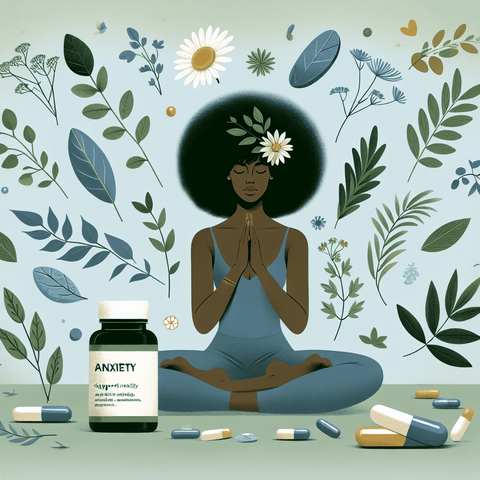
In today's fast-paced world, stress has become a common companion for many people, affecting sleep, mood, and overall well-being. It's no surprise that calming supplement options are increasingly sought after as a way to support the body's natural ability to relax and recover. This guide provides a comprehensive overview of the different types of calming ingredients—from herbal remedies and adaptogens to essential nutrients—and offers practical considerations for those looking to incorporate them into a holistic stress-management routine.
What Are Calming Supplements?
Calming supplements encompass a wide range of natural ingredients that may help the body manage stress and promote a sense of relaxation. They are not intended to be sedatives or quick fixes, but rather supportive tools that work with the body's own systems. These options can be broadly categorized into three main groups: herbal remedies, adaptogenic herbs, and specific nutrients known for their role in nervous system health.
The effectiveness of a calming supplement depends on its ingredients and how they interact with your unique biology. Some are better suited for occasional stress, while others are designed for more consistent support. Understanding the different categories is the first step in navigating the wide field of choices and identifying which approach might best complement your lifestyle.
Exploring Herbal Calming Options
Herbal supplements have been used for centuries in traditional wellness systems to ease tension and promote tranquility. These botanicals offer a gentle approach to stress relief and are among the most popular calming supplement options available today. Many people find them particularly useful for supporting relaxation and preparing the body for rest.
- **Chamomile:** Often consumed as a tea, chamomile is well-known for its mild calming properties. It may support relaxation and help improve sleep quality when consumed before bedtime.
- **Valerian Root:** This herb is commonly associated with sleep support. It may help reduce the time it takes to fall asleep and improve sleep depth, making it a popular choice for those whose stress affects their rest.
- **Passionflower:** Often used for its calming effects, passionflower may help ease anxious feelings and nervousness. It is frequently included in blends designed to promote a restful night's sleep.
- **Lemon Balm:** A member of the mint family, lemon balm is traditionally used to lift mood and reduce stress. It may also support cognitive performance, making it a versatile addition to calming formulas.
Adaptogens for Long-Term Stress Resilience
Adaptogens are a unique class of botanicals believed to help the body adapt to stress and maintain balance. Unlike some herbs that provide immediate, short-term calming effects, adaptogens are often used for longer-term support of overall resilience and vitality.
- **Ashwagandha:** Perhaps the most well-researched adaptogen, ashwagandha is known for its ability to help modulate cortisol, a primary stress hormone. It is often used to support a calm mood and reduce feelings of burnout. You can explore our ashwagandha supplement collection for more information.
- **Rhodiola:** This adaptogen is often associated with combating fatigue and enhancing physical performance during stressful conditions. It may help alleviate feelings of burnout and improve mental focus under pressure.
- **Holy Basil:** Sometimes called tulsi, holy basil is traditionally used to support stress reduction. It may also contribute to immune health and overall mood balance as part of a holistic approach.
Many calming products combine herbs with adaptogens to create synergistic blends. A well-formulated blend can offer a more comprehensive approach, addressing both immediate tension and long-term stress resilience. For further exploration of herbal and adaptogenic supplements, you may browse the herbal supplements collection.
Key Nutrients and Amino Acids for Calm
Certain vitamins, minerals, and amino acids play fundamental roles in the nervous system and can influence mood and stress response. A deficiency in these key nutrients may make it more difficult for the body to cope with stress, which is why nutritional status is an important consideration.
- **Magnesium:** Often called the relaxation mineral, magnesium is involved in over 300 enzymatic reactions in the body, including those that regulate the nervous system and muscle function. It may help ease muscle tension and promote a sense of calm. For more information on specific nutrients, explore our magnesium collection.
- **L-Theanine:** This amino acid, found naturally in green tea, is unique in its ability to promote relaxation without causing drowsiness. It may increase calming neurotransmitters in the brain, helping to improve focus and reduce stress reactivity.
- **B Vitamins:** A group of vitamins, particularly B6 and B12, are essential for the production of neurotransmitters like serotonin, which regulate mood. A deficiency can potentially impact emotional well-being.
- **Omega-3 Fatty Acids:** These essential fats are crucial for brain health. Some research suggests they may support mood regulation and help reduce symptoms of anxiety.
Each of these nutrients works through different pathways. For example, magnesium supports the physical aspects of relaxation, while L-theanine targets mental alertness and calm. Understanding these distinctions can help you choose a product tailored to your specific stress profile.
Natural Calming Practices and Lifestyle Support
While supplements can be a valuable part of a stress-management plan, they are most effective when combined with natural calming practices. Many people are also curious about how to calm down naturally. Everyday habits can play a significant role in supporting a calm mood, including:
- **Mindfulness and breathing exercises:** Deep, slow breathing can activate the body's relaxation response.
- **Regular physical activity:** Exercise is a proven way to reduce stress hormones and boost mood.
- **Prioritizing sleep:** A consistent sleep schedule is fundamental for emotional regulation and stress resilience.
- **Herbal teas:** Drinks like chamomile tea are a popular and simple part of a calming evening routine.
- **Limiting caffeine and alcohol:** These substances can disrupt sleep and exacerbate feelings of anxiety for some people.
Physical and Mental Signals of Stress
Stress can manifest in numerous ways, and being aware of these signals is the first step toward proactive management:
- **Physical:** Muscle tension, headaches, fatigue, and digestive upset.
- **Mental:** Irritability, racing thoughts, difficulty concentrating, and anxiety.
- **Sleep:** Trouble falling asleep, frequent waking, or waking up feeling unrefreshed.
If these symptoms are persistent or severe, they may indicate a deeper issue that warrants professional evaluation. Relying solely on supplements to address chronic symptoms may not address the root cause of the problem.
How Supplements May Support the Body
Different ingredients employ different mechanisms to support a sense of calm:
- **Magnesium** may promote muscle relaxation and influence neurotransmitter activity.
- **L-Theanine** helps increase calming neurotransmitters, supporting relaxation without sedation.
- **Ashwagandha** may help modulate cortisol levels, reducing the body's stress response.
Important Considerations and Safety
It is crucial to frame calming supplements correctly: they are supportive, not curative. They are most effective when used alongside healthy lifestyle habits. A comprehensive stress-management plan might include regular physical activity, mindfulness practices, adequate sleep, and a balanced diet.
Knowing When to Consider a Supplement
You might consider adding a calming supplement if you feel that your coping strategies are insufficient, or if stress is starting to interfere with your daily functioning. However, it's essential to be aware of red flags. Always consult with a healthcare provider before starting a new supplement, especially if you:
- Are taking prescription medications, as interactions can occur.
- Have a pre-existing medical condition like liver or kidney disease.
- Are pregnant or breastfeeding.
Selecting and Trialing a Product
When you've decided to try a supplement, approach it thoughtfully:
- **Choose quality:** Look for products with transparent labels, standardized extracts, and third-party testing for purity and potency. Review our natural supplements collection for product options.
- **Start low and slow:** Follow the manufacturer's recommended dose, but be prepared to adjust based on your response.
- **Track your experience:** Keep a simple journal to note changes in your mood, sleep quality, and energy levels for 4-6 weeks. This will help you objectively assess the supplement's impact.
- **Be consistent:** Supplements, particularly adaptogens, often work best with consistent daily use over time.
Exploring Calming Supplement Options on Topvitamine
Navigating the world of calming supplements offers an opportunity to better understand your own stress response and take an active role in your well-being. On Topvitamine, you can explore a curated selection of products from reputable brands. When comparing options, consider the primary ingredient types discussed here—herbal, adaptogenic, or nutrient-based—and choose a product that aligns with your primary concerns.
Remember, finding the right supplement is a personal journey. What works for one person may not work for another. By approaching this exploration with realistic expectations, a focus on quality, and a commitment to a holistic lifestyle, you can make informed decisions that support your overall sense of calm. Always prioritize safety by consulting with a healthcare professional to ensure any new supplement is appropriate for your individual health situation.
Key Takeaways
- Calming supplements come in three main types: herbal, adaptogenic, and nutrient-based.
- Each ingredient works through different mechanisms, making it important to match the supplement to your specific stress symptoms.
- Supplements support, but do not replace, a healthy lifestyle and good stress-management habits.
- Individual responses vary widely due to genetics, lifestyle, and expectations.
- Always prioritize quality, check for potential interactions, and consult a healthcare professional when necessary.