What Are Cardiovascular Benefits?
Cardiovascular benefits refer to the positive effects on your heart and blood vessels. This includes supporting healthy blood pressure, maintaining healthy cholesterol levels, and promoting good circulation. It's about more than just preventing disease; it's about sustaining the energy, stamina, and overall vitality that come from a well-functioning circulatory system.
The cardiovascular system is your body's delivery network, transporting oxygen and nutrients to every cell. Its health influences everything from brain function to physical endurance, making it a cornerstone of overall wellbeing.
The Core of the Cardiovascular System
To appreciate the cardiovascular benefits of a healthy lifestyle, it helps to understand the system you're supporting. It's a complex network that does far more than just keep you alive—it's central to your overall function and vitality.
Key Components and Terminology
At its most basic level, the cardiovascular system consists of three main parts: your heart (the pump), blood vessels (the network of highways), and your blood (the delivery vehicles). Each component must work in harmony to carry oxygen and nutrients to tissues and remove waste products.
You've likely heard terms like blood pressure, cholesterol, and circulation. These aren't just numbers on a chart; they're key indicators of how efficiently your system is operating. Blood pressure is the force of blood against artery walls. Cholesterol is a waxy substance your body needs to build cells, but too much of certain types can be problematic. Circulation is the overall flow of blood, delivering the fuel you need to live an active life.
Why Heart Health Matters for Overall Wellbeing
The importance of a healthy heart extends far beyond preventing future health scares. Your cardiovascular system's condition influences everything from your brainpower to your ability to stay independent as you age.
Your brain, which is only about 2% of your body weight, consumes about 20% of its energy. A healthy heart supports healthy blood flow to the brain, which is crucial for maintaining focus, memory retention, and overall cognitive function. Furthermore, a well-functioning cardiovascular system delivers oxygen to your muscles more effectively, translating to better stamina and reduced fatigue.
Key Nutrients That Support Heart Health
Several specific nutrients are frequently studied for their potential effects on heart and blood vessel function. These nutrients contribute to processes such as maintaining normal blood pressure, supporting healthy cholesterol levels, and ensuring proper muscle function of the heart.
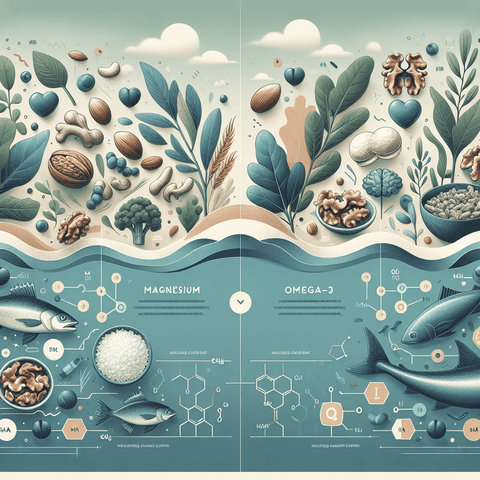
- Omega-3 fatty acids (DHA and EPA): These long-chain fatty acids are well recognized for their role in maintaining cardiovascular health and normal blood triglycerides. For those who don't consume enough oily fish, DHA and EPA Omega-3 supplements offer a convenient source.
- Magnesium: This mineral is essential for normal muscle function, including the heart. It also contributes to normal energy metabolism and bone health. Different forms of magnesium supplements are available for comprehensive nutritional support.
- Vitamins D and K: These vitamins work together. Vitamin K contributes to normal blood clotting and bone health, while adequate Vitamin D status is important for maintaining general wellbeing, including cardiovascular function.
- Antioxidants (Vitamins C and E): These vitamins help protect cells from oxidative stress—a process that can affect the health of blood vessels over time. For those interested, Vitamin C supplements are widely used as part of an antioxidant-supporting regimen.
- Superfoods and plant compounds: Certain dietary patterns rich in colorful fruits, vegetables, and whole foods contribute to heart health, supported by EFSA-approved nutrient claims regarding their function in the body.
How Diet and Lifestyle Contribute to Cardiovascular Health
Before considering supplements, it is essential to focus on the foundation: a healthy diet and lifestyle. This is the single most powerful tool you have to manage your heart health.
Heart-Healthy Foods and Habits
Focus on adding whole foods to your plate. Berries, leafy greens, and beets are packed with nitrates that your body converts into nitric oxide, a natural compound that helps relax blood vessels and improve circulation. Oats, beans, and fatty fish like salmon are also excellent choices to support healthy lipid levels.
It's also important to focus on what to limit. High sodium intake can cause your body to retain fluid, increasing blood volume and driving up blood pressure. Saturated fats, found in red meat and fried foods, can raise cholesterol levels. Added sugars contribute to weight gain and elevated triglycerides.
Simple daily habits can have profound cardiovascular benefits. A 30-minute daily walk can strengthen your heart, improve circulation, and reduce stress. Prioritizing 7-8 hours of quality sleep allows your body to repair itself. Finding healthy ways to manage stress—through meditation, yoga, or spending time in nature—is also crucial, as stress hormones can raise your heart rate and blood pressure.
What Are the Signs of Good Cardiovascular Fitness?
Good cardiovascular fitness manifests in your daily life. It means you can perform physical activities—like climbing stairs, carrying groceries, or playing with your children—without undue fatigue or shortness of breath. It also involves having steady energy levels throughout the day and a resting heart rate that is within a normal range.
Your body also communicates when things are off balance. Some of the most common early signs of a stressed cardiovascular system include unusual fatigue and shortness of breath after mild exertion. While these symptoms can be caused by many things, they are often some of the first internal signals that something isn't right.
The Role of Supplements in a Heart-Healthy Plan
Even with the best-laid nutritional plans, it can be challenging to get everything your heart needs. This is where supplementation can play a supporting role, filling in the gaps that diet might miss.
Common Supplements for Cardiovascular Support
- Omega-3s (EPA and DHA): If you struggle to eat fish frequently enough, a high-quality fish or algae-based supplement can provide a concentrated dose of EPA and DHA. This supports healthy triglyceride levels and is often the first supplement healthcare providers recommend for heart health.
- Coenzyme Q10 (CoQ10): This substance acts as a powerful antioxidant. Your heart muscle cells are packed with mitochondria, which require CoQ10 to produce energy. It can help improve physical performance and supports healthy blood vessel function.
- Magnesium: By acting as a natural calcium channel blocker, magnesium helps blood vessels relax and allows blood to flow more freely, reducing the strain on the heart and enhancing overall circulation.
- Plant Sterols and Soluble Fiber: These compounds block the absorption of dietary cholesterol in your gut, helping to manage cholesterol levels naturally.
The decision to add a supplement to your routine is highly personal. It should be based on an honest assessment of your current lifestyle to identify which changes are most sustainable for you. A healthy diet should always be your first choice, but supplementation can help bridge nutritional gaps where necessary.
How to Choose a Quality Supplement
If you and your doctor decide that a supplement is right for you, the choices can feel overwhelming. Not all supplements are created equal.
- Ingredient Forms: For magnesium, forms like glycinate or citrate are often well-absorbed. For omega-3s, consider the dose of EPA and DHA, not just the total fish oil weight.
- Dosage and Concentration: Look for the dosage of the active ingredient on the label. For omega-3s, look for the mg of EPA and DHA specifically.
- Bioavailability: Some ingredients are better absorbed when paired with fats, while others are more bioavailable in their natural state. Look for highly absorbable forms of minerals.
- Purity and Quality Testing: Look for products that have been independently tested and certified by a reputable organization, such as NSF International.
Important Considerations and Safety
Supplements are intended to support overall nutrition and should not be viewed as a treatment for existing heart conditions. They work best alongside a balanced diet, regular physical activity, and a healthy lifestyle.
While many natural supplements are safe for most people, they can sometimes interfere with other medications you may be taking. For example, taking CoQ10 while on a blood thinner can increase your risk of bleeding. Drugs like diuretics often deplete your body's stores of magnesium and potassium.
Individual needs vary, so it is always advisable to consider supplementation as part of a broader, well-informed approach to health—not a replacement for medical care or prescribed therapy. Always be transparent with your doctor about what you are taking so they can monitor you properly.