
Discover the key factors that raise your heart attack risk and learn practical steps to protect your heart. This guide centers on cardiovascular risks and how they show up in everyday life. You’ll see how non-modifiable elements like age and family history intersect with other factors related to daily patterns that contribute to cardiovascular risks. By understanding these drivers, you can approach conversations with professionals and track how your risk profile evolves over time. Warning signs are an important part of recognizing potential trouble. Common signals include chest discomfort or pressure, pain or discomfort in one or both arms, the jaw, neck, back, or stomach, shortness of breath, cold sweat, nausea, or lightheadedness. Some people experience symptoms differently, and events may come on gradually or suddenly. If any of these signs appear, especially if they are new or worsening, seek prompt evaluation. Being aware of these warning signs is a practical aspect of understanding cardiovascular risks in real-world situations. Practical steps you can take to engage with cardiovascular risks include knowledge gathering, planning, and communication. Start by identifying your risk profile through personal history, age, and any known conditions, and consider sharing this with a healthcare professional who can help interpret it in your context. Keep a personal log of symptoms, triggers, and relevant changes so you have clear information when a professional review is needed. Establish a plan for how you would respond if warning signs arise, including who to contact and where to seek care. Involving trusted family members or friends can support timely awareness and decision making, which is a constructive part of managing cardiovascular risks. Understanding cardiovascular risks helps you stay informed and prepared, with a focus on what matters most to you.
Cardiovascular Risks: Learn What Raises Your Heart Attack Risk
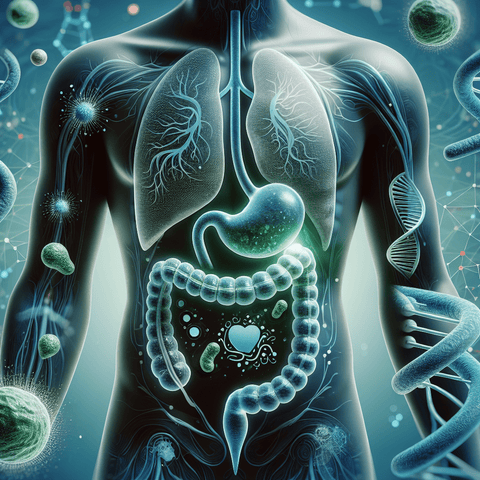
Why Do Cardiologists Warn Against Probiotics?Cardiologists often advise caution with probiotics because, while these supplements are widely marketed for gut health, they are not without risks—especially for people with heart conditions. The main concerns include the lack of regulation and quality control in many products, potential interactions with heart medications, and the possibility of harmful effects on the gut microbiome that could indirectly affect cardiovascular health. For example, some probiotic strains may alter how medications like warfarin or statins are absorbed, while others might influence blood pressure or cholesterol in unpredictable ways. Additionally, in vulnerable individuals—such as those who are immunocompromised or have implanted heart devices—probiotics have rarely been linked to serious infections. For these reasons, cardiologists emphasize that probiotics should not be taken casually, especially by heart patients, without professional guidance.Probiotic Safety and Heart HealthWhen it comes to safety, probiotics are generally considered safe for healthy people, but the picture changes for cardiac patients. The main safety issues include the risk of bacteremia (bacteria entering the bloodstream) in immunocompromised individuals, product contamination or mislabeling, and the possibility of small intestinal bacterial overgrowth (SIBO). For heart patients, these risks are amplified because their immune systems may be compromised, or they may have devices like pacemakers that could become infected. Moreover, the lack of universal regulation means that some products may not contain the strains listed on the label or may include undeclared ingredients. Therefore, cardiologists advise that anyone with a heart condition—especially those with heart failure, valvular disease, or a history of endocarditis—should avoid taking probiotics without explicit medical approval.Safer Alternatives for Gut and Heart HealthInstead of relying on probiotics, cardiologists often recommend diet and lifestyle changes that support both gut and cardiovascular health. A high-fiber, plant-based diet rich in fruits, vegetables, whole grains, and legumes acts as a natural prebiotic, feeding beneficial gut bacteria. Regular physical activity, adequate sleep, stress management, and reducing antibiotic overuse also help maintain a healthy microbiome. For targeted nutrient support, consider supplements like omega-3 fatty acids, vitamin D, or magnesium, but always under professional supervision. These approaches are evidence-based and carry fewer risks than unregulated probiotic supplements, especially for individuals with heart conditions. Always consult your cardiologist before adding any supplement to your routine, and never use probiotics as a substitute for prescribed heart medications or a heart-healthy lifestyle.