
Carotenoid Benefits: Boost Vision, Immunity & Skin Health
Summary of Carotenoid Benefits
Understanding carotenoid benefits is essential for enhancing health through diet and supplements. Carotenoids are natural pigments in colorful fruits and vegetables that function primarily as antioxidants, supporting vision, immunity, and skin health. Key carotenoids, such as lutein, zeaxanthin, and beta-carotene, play significant roles in protecting the body from oxidative stress. Research has linked adequate carotenoid intake to a reduced risk of chronic diseases, including age-related macular degeneration.
To maximize absorption, it’s beneficial to consume these nutrients with healthy fats. However, individual variability in metabolism and the effectiveness of supplements can impact how well these nutrients are utilized in the body. This highlights the importance of tailored nutrition and dietary assessment.
For those who struggle to meet their dietary needs, carotenoid supplements can bridge gaps but require careful consideration to avoid potential risks, especially among specific populations like smokers. Always consult a healthcare professional for personalized advice when considering supplements or dietary changes.
Incorporating carotenoids through a diverse diet can enhance overall wellness. For further insights into how nutrients such as vitamin D or multivitamins can complement your health, explore our comprehensive guides on these topics.
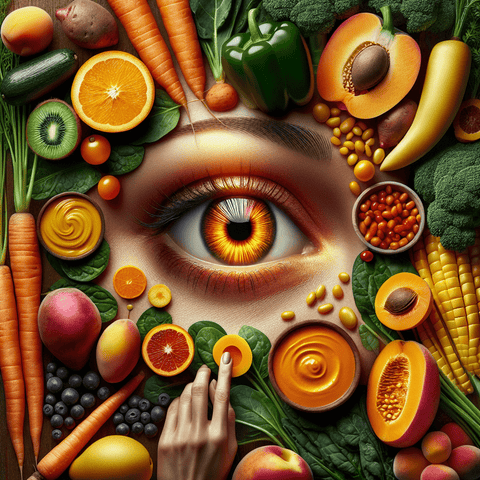
In this comprehensive guide, we explore the impressive benefits of carotenoids, a vital class of nutrients that play significant roles in maintaining vision, strengthening immunity, and promoting skin health. Readers will learn what carotenoids are, their biological mechanisms, and practical ways to enhance their intake. By understanding the importance of carotenoids, individuals can make informed dietary and supplement choices for their overall wellness.
Introduction — carotenoid benefits
What readers will gain: overview of carotenoids and their broad roles
Carotenoids are natural pigments found in many fruits and vegetables, known for their vibrant colors and powerful health benefits. They function primarily as antioxidants, helping to protect the body from oxidative stress and supporting various bodily functions. This article will delve into the types of carotenoids, their roles in health, and how to effectively incorporate them into your diet.
The primary keyword in focus: carotenoid benefits
Understanding carotenoid benefits is essential, as these nutrients contribute to eye health, immune function, and skin protection. Research suggests that the antioxidant properties of carotenoids can help mitigate chronic diseases and support overall vitality.
What to expect in this guide: from biology to practical decisions and supplement options
This guide aims to provide a balanced and scientifically grounded view of carotenoids, exploring their biological mechanisms, dietary sources, and when to consider supplementation. By the end, you will have actionable insights to support your health decisions.
How this article uses a science-backed, evidence-based lens without oversimplifying
While many articles address nutrient benefits, this guide emphasizes a comprehensive understanding of carotenoids based on research. We’ll examine both the benefits and limitations, ensuring readers can interpret information discerningly.
Core explanation of the topic
What are carotenoids? Key compounds and sources
Carotenoids are pigments naturally present in plants, giving vegetables and fruits their yellow, orange, and red colors. They are a type of fat-soluble antioxidant, which means they dissolve in fats and oils, enhancing their absorption in the body. Some prominent carotenoids include:
- Lutein: Often found in leafy greens; essential for eye health.
- Zeaxanthin: Works with lutein to protect the eyes from harmful light.
- Beta-carotene: A precursor to vitamin A, crucial for vision and immune function.
- Lycopene: Known for its effects on heart and skin health, commonly found in tomatoes.
- Astaxanthin: A powerful antioxidant derived from marine sources, such as algae and shrimp.
These nutrients can be derived from a diet rich in colorful fruits and vegetables, as well as from certain fortified foods and supplements.
How carotenoids work in the body
Carotenoids protect the body by neutralizing free radicals and minimizing oxidative stress. For vision, lutein and zeaxanthin are concentrated in the macula of the eye, where they help filter harmful blue light, potentially reducing the risk of age-related macular degeneration (AMD). Beta-carotene's conversion to vitamin A is crucial for maintaining healthy vision, while its antioxidant properties support immune function and skin health.
Absorption, metabolism, and variability
To maximize carotenoid absorption, it’s beneficial to consume them with fats, as they are fat-soluble. Various factors, including individual genetics and overall health, can influence how well carotenoids are utilized. For instance, genetic variations can affect the body's ability to convert beta-carotene into active vitamin A.
Why this topic matters
Eye health and vision relevance
Research indicates a strong association between the intake of lutein and zeaxanthin and a reduced risk of AMD. Maintaining adequate levels of these carotenoids can support night vision, glare recovery, and overall eye comfort, especially as one ages.
Immune function and infection resilience
Carotenoids, through their antioxidant activity, contribute to immune cell function and may modulate inflammation, providing enhanced resistance to infections. This is particularly relevant for specific populations, such as aging adults or individuals with restrictive diets.
Skin health and photoprotection
The antioxidant properties of carotenoids help protect the skin from UV radiation and environmental stressors. There is evidence suggesting that these nutrients may improve skin tone and elasticity, promoting skin health.
Everyday health decisions and dietary patterns
A diet rich in colorful fruits and vegetables correlates with higher carotenoid intake. Recognizing how your dietary patterns affect these levels can guide more health-conscious decisions. In cases where diet alone may not meet your nutritional needs, supplements could play a role.
Related symptoms, signals, or health implications
Signals that might prompt consideration of carotenoids
Indications such as eye strain, sensitivity to light, dry skin, or frequent illnesses may suggest a potential carotenoid deficiency. While these symptoms warrant attention, they do not confirm a deficiency in isolation.
Conditions and risk factors that intersect with carotenoid status
Age, dietary quality, smoking status, and chronic diseases can all impact carotenoid levels in the body. Pregnant and lactating women also have specific nutrient needs that should be addressed with care.
Limitations of symptoms as guides
Relying solely on symptoms to determine carotenoid deficiency can be misleading. Many factors contribute to health, including a range of dietary components, lifestyle factors, and overall nutrient status.
Individual variability and uncertainty
Genetic influences on carotenoid metabolism
Genetic variations, such as those affecting the BCMO1 gene responsible for converting beta-carotene to vitamin A, can influence individual nutrient needs and responses to carotenoid intake. This variability underscores the importance of personalized nutrition.
Age, lifestyle, and biological differences
Older adults and those with fat absorption issues may have different needs regarding carotenoid intake and absorption efficiency. High-dose supplement users should also monitor their intake and health outcomes.
Uncertainty and evidence boundaries
The scientific evidence for carotenoid benefits varies across different populations and health outcomes. While some studies show correlations between carotenoids and health benefits, it's crucial to differentiate between correlation and causation.
Variability in supplement products and real-world results
The effectiveness of carotenoid supplements can vary based on product quality, formulation, and individual adherence. Choosing high-quality supplements is essential for achieving desired health benefits.
Why symptoms alone do not reveal root cause
Diagnostic limitations and the need for context
Symptoms may reflect multiple causes, including various nutritional and non-nutritional factors. Blood tests and tissue levels provide a more comprehensive understanding of nutrient status than dietary intake alone.
The broader picture of nutrient status
Carotenoids interact with other nutrients and lifestyle factors, complicating the assessment of nutrient status and potential deficiencies. A holistic view is essential for understanding individual health.
Practical takeaway for readers
Symptoms should be viewed as signals to evaluate diet quality and consider responsible, evidence-based supplementation within the context of overall health.
The role of nutritional supplements in this topic
What supplements can and cannot do for carotenoid benefits
Supplements can be beneficial in bridging dietary gaps, particularly for those with specific health goals or nutrient restrictions. However, high doses may pose risks, especially in certain populations, such as smokers.
Safety considerations and contraindications
Most carotenoid supplements are considered safe, but specific populations—such as pregnant women or individuals with certain health conditions—should exercise caution and consult healthcare professionals before use.
When to consider supplements in addition to diet
Supplements may be helpful in scenes where dietary intake is insufficient to meet nutrient needs, or for individuals with particular health concerns that warrant additional support.
Interactions with medications and other nutrients
Carotenoids can interact with certain medications, including anticoagulants or lipid-lowering therapies. Understanding these interactions is crucial for safe supplementation.
How nutritional supplements could support
Practical ways supplements complement a carotenoid-rich diet
Targeted blends, such as lutein and zeaxanthin formulations for eye health or lycopene for skin support, can enhance the antioxidant effect alongside a well-rounded diet rich in carotenoids.
Absorption optimization strategies
Taking carotenoids with healthy fats improves absorption, which might lead individuals to consider oil-based softgel formulations or emulsion options—often superior for bioavailability.
Specific supplement forms and target populations
Adults seeking eye health may benefit from lutein and zeaxanthin, while those focused on skin health may consider astaxanthin or lycopene. Caution is advised when using beta-carotene supplements, particularly for smokers.
Dosing considerations and monitoring
While typical dosing ranges vary, it's essential to follow guidance from healthcare professionals to tailor intake according to personal health goals and dietary adjustments.
Decision-support section (when nutritional supplements make sense)
A step-by-step decision framework
- Step 1: Assess diet and identify potential gaps in carotenoid intake.
- Step 2: Evaluate personal risk factors such as age, lifestyle, and dietary restrictions.
- Step 3: Weigh the benefits versus risks of supplementation.
- Step 4: Choose evidence-backed products and observe effects.
- Step 5: Reassess dietary and supplement needs periodically.
When to talk to a clinician or nutrition professional
Consultation is recommended for individuals who are pregnant, smokers, or those managing chronic diseases, especially prior to initiating high-dose supplementation.
Signs that you might benefit from supplementation
Consider supplementation if you face constant exposure to risk factors related to carotenoid intake or have limited dietary diversity despite efforts to improve nutrition.
How to choose a high-quality supplement (quality assurance and product transparency)
Look for products that undergo third-party testing, provide clear ingredient labels, and demonstrate manufacturing quality to ensure safety and effectiveness.
Clear concluding section connecting the topic to buying nutritional supplements on Topvitamine.com
Summary of carotenoid benefits and practical caveats
Carotenoids offer a range of potential health benefits, particularly for vision, immunity, and skin health. Understanding these nutrients' roles allows for informed health decisions.
How Topvitamine supports evidence-based carotenoid supplementation
At Topvitamine, we emphasize quality and transparency in our supplement offerings, providing educational resources and product reviews to help inform your choices.
How to choose Topvitamine products: lutein/zeaxanthin, lycopene, astaxanthin, and multi-carotenoid blends
Explore our curated categories, including targeted eye-health formulas, antioxidant blends, and multinutrient options—each designed with quality assurances to meet varying health needs.
Closing note and call to action
We invite you to browse our selection of carotenoid-focused products and educational content at Topvitamine. Ensure your health decisions are grounded in solid information, aligning with your unique wellness goals.
Key Takeaways
- Carotenoids are crucial for vision, immune support, and skin health.
- Fat-soluble nature enhances absorption when consumed with healthy fats.
- Individual variability affects how carotenoids are metabolized.
- Supplements can help bridge dietary gaps in carotenoid intake.
- Consultation with healthcare professionals is recommended for personalized support.
- Monitor intake and effects, adjusting as necessary for health goals.
- Quality and transparency in supplements are paramount for safety.
Q&A Section
1. What are carotenoids, and why are they important?
Carotenoids are natural pigments found in many fruits and vegetables that have antioxidant properties, contributing to essential functions like vision, immunity, and skin health.
2. Which foods are high in carotenoids?
Foods rich in carotenoids include leafy greens (like spinach and kale), carrots, sweet potatoes, peppers, and tomatoes. These vibrant foods are excellent sources of these powerful nutrients.
3. Can carotenoids prevent diseases?
While carotenoids have been linked to reduced risks of certain diseases, including age-related macular degeneration, it’s important to understand that they support health rather than serve as a definitive preventive measure.
4. How can I improve my carotenoid intake?
Increase your consumption of colorful fruits and vegetables. Aim for variety in your diet; incorporating a range of colors can help ensure you get a mix of different carotenoids.
5. Are there any risks associated with carotenoid supplements?
High doses of certain carotenoids, particularly beta-carotene, may pose risks for specific populations, like smokers. It’s essential to consult with healthcare professionals for guidance tailored to your situation.
6. What is the best way to take carotenoid supplements?
To improve absorption, take carotenoid supplements with meals that include healthy fats, as this enhances their bioavailability in the body.
7. Is it better to get carotenoids from food or supplements?
Obtaining carotenoids from food is generally preferable due to the additional nutrients present in whole foods. Supplements can be beneficial in cases of dietary insufficiency or specific health goals.
8. How do I know if I need more carotenoids?
Signs such as difficulty seeing in low light, increased frequency of infections, or skin issues might suggest a need for increased carotenoid intake, but symptoms alone are not a reliable measure.
9. Can I have too many carotenoids?
While carotenoids are generally considered safe, excessive supplementation can lead to potential health issues, particularly in certain populations. It’s vital to adhere to recommended dosages and consult with professionals.
10. How do carotenoids interact with other nutrients?
Carotenoids work synergistically with other nutrients such as vitamins A, D, E, and zinc, enhancing their effectiveness and absorption. A balanced diet is crucial for optimal nutrient functionality.
11. What should I look for in a carotenoid supplement?
Seek supplements with third-party testing, clear labeling, and no unnecessary additives. Ensure they are made with high-quality ingredients to maximize safety and efficacy.
12. When should I consider seeing a healthcare professional?
If you have health concerns, plan to start high-dose supplementation, or face dietary restrictions, consulting a healthcare professional can provide personalized guidance and ensure safety.
Keywords
carotenoid benefits, antioxidants, eye health, immune function, skin health, supplementation, dietary sources, nutrient absorption, individual variability, nutritional supplements